Months before the June 21 release of his first non-fungible token, or NFT, collection, Julian Lennon spoke to Paul McCartney for the first time in years. They were on FaceTime, discussing, among other things, items from Lennon’s personal collection of Beatles memorabilia that he planned to sell as digitized images on the NFT marketplace YellowHeart. The so-called Lennon Connection, now sold out, features images of several Gibson Les Pauls guitars his late father, John Lennon, gifted to Julian, a black cape his father wore in the film Help! and the Afghan coat his father wore on the film set of the Magical Mystery Tour, where Juilian was present as a four-year-old. Lennon’s audio narration explaining the significance of these items is minted as part of the NFT collection, and his musings on a digital replica of McCartney’s handwritten notes for “Hey Jude,” which sold for $76,800, are especially poignant. John Lennon divorced his first wife Cynthia Lennon amid a known affair with Yoko Ono. McCartney wrote the song, originally titled “Hey Jules,” to comfort Julian as a child, and it has left a lasting impression on Lennon. His seventh album, JUDE, scheduled for release in late 2022, is at once a tribute to the McCartney song and a story of his artistic coming of age. “Paul wrote [“Hey Jude”] from an empathetic point of view, thinking about how I was going to live, how I was going to survive, what I was going to do to be strong moving forward,” Lennon said. “I sort of took those words to heart and that’s what I’ve been doing ever since.” It’s the potential to commemorate such deeply felt moments, while raising funds for the White Feather Foundation — a social and environmental nonprofit Lennon runs — that convinced the filmmaker, songwriter and philanthropist to dip his toes into NFTs, if cautiously. The same day Lennon released the Lennon Connection, he dropped an NFT capturing his first public performance of his father’s “Imagine.” Recorded on April 8 as part of Global Citizen’s Stand Up for Ukraine social media rally, the performance features Julian’s singing and the guitar work of Portuguese-American musician Nuno Bettencourt. But this is only one element of the NFT. Altogether, it contains visual artwork, video footage and two digital recordings: one, a naked recording of the performance itself, and the second, a recording overdubbed with audio narration in which Lennon describes why he decided to perform the song. “Why now after all these years?” he asks over the opening chords of “Imagine” in an audio preview of the NFT on OpenSea. “I had always said that the only time I would ever consider singing ‘Imagine’ would be if it was the end of the world or close to it.” “The war on Ukraine is an unimaginable tragedy,” he explained. “ As a human and as an artist, I felt compelled to respond in the most significant way that I could.” The rally, along with a pledge event the following day in Poland, raised $10.1 billion for Ukranians displaced by the country’s war with Russia, according to the preview. But Lennon’s ginger steps into the world of NFTs — which he describes as “a new art form … powering the way forward” — are connected not only to his belief that they can elevate the profile of philanthropic causes, but his own artistic journey, which is deeply entangled in his identity formation and a decades-long struggle to come to terms with a fraught relationship with his father. In a strange way, NFTs have allowed Lennon to reclaim his personal history on his own terms, taking a sad song, or songs, as it were, and making them better, or at least more accessible to his audience. more on NFTsWhere to Buy NFTs in 2022: 20 Marketplaces and What They Sell
Lennon is far from alone, of course. A growing number of musicians and talent agencies are turning to NFTs as a way to mint and preserve digital music, album art, memorabilia and concert tickets on the blockchain. Stored as unique and non-interchangeable data units on a digital ledger, these NFTs — essentially smart contracts proving ownership of digital assets — are being used by artists as diverse as John Legend, Big Boi, Grimes, Kings of Leon and Portugal. the Man to share rare and exclusive music with fans, raise money and grow their followings. Part of the lure is financial. “Essentially, creators are looking for new ways to monetize their content,” said Michael Frisch, a partner at the law firm Croke Fairchild Morgan & Beres who advises clients in digital assets, cryptocurrency and Web3 products. Artists disillusioned by lopsided royalty agreements or dragged by the spillover fees of record companies, distributors and marketing companies see NFTs as a way to cut out the middle person, said Josh Katz, CEO and founder of YellowHeart. “I call it the 90/10 rule, where, traditionally, the artist takes home 10 percent of the revenue that they generate and other parties take 90 percent,” Katz said. “With NFTs, the artist takes 90 percent and the platform takes 10 percent.” Some artists may be perfectly comfortable handing off distribution, marketing and management responsibilities to companies that offer these services. But the opportunity for musicians to retain a greater share of royalty rights and creative control of their music is attractive to many, Katz said, particularly those with loyal, established followings. Plus, NFTs live on blockchain, a publicly accessible and transparent network, making it easier for artists to track sales data and fan profiles on their own. “You’ve got the ability now for artists to go direct to consumer, which has been around for some time through artist’s platforms, like websites, social media and so forth,” said Saroosh Gull, CEO of the New Jersey-based event management company Eventcombo. “But now, in terms of transactions, you have data tracking that you do not need to rely on a streaming platform for. You don’t need Apple Music to track who’s downloading your music, who’s consuming it, and who’s paying what for it.”
With NFTs, as with any contract, the devil is in the details. Several blockchain technology companies offer NFT music, but the way the NFTs are bought and sold on online marketplaces, where they can be accessed and played, and the digital assets and contractual rights they contain, varies widely. One of the first major records to be released as a limited collection of NFT was Kings of Leon’s album, When You See Yourself. According to Rolling Stone, YellowHeart offered it through three types of tokens: “a special album package,” a second type with “live show perks like front-row seats for life,” and a third type “for exclusive audiovisual art.” Though the album is available everywhere — Spotify, iTunes, Apple Music, Amazon — the most basic NFT token, available for only two weeks and priced at $50, offered a digital download and exclusive perks, such as a rotating album cover and a limited-edition vinyl copy. Compared against a forecast of the band’s annual earnings — Kings of Leon reportedly earned about $138,000 in 2021, and roughly $60,000 in 2022 — the album has done quite well. As of last March, the album had generated more than $2 million dollars from NFT sales. But earnings are somewhat elusive with NFTs. The album was sold on the Ethereum blockchain, meaning the album’s estimated U.S. dollar earnings at the time of the purchase, similar to stocks, are relative to market fluctuations. But regardless of cryptocurrency’s ephemeral value, the fact that many platforms now allow account holders to pay with credit cards has dramatically expanded their potential to attract users. On YellowHeart, once a registered user has downloaded a wallet from YellowHeart, or linked to a wallet on a crypto exchange like MetaMask or Coinbase, they can click a buy button, enter their credit card information (or pay with Ethereum) and the digital asset is added to their wallet. “Not many people have cryptocurrency,” Katz said. “It’s less than 1 percent of the population. So, using credit cards, this allows for the mass adoption of purchasing NFTs.” Of course, other music NFT sites operate differently. On Royal.io, launched as a beta, musicians can determine a percentage of their streaming royalty rights they wish to share with fans and collectors. Investors become partial owners of the song, while earning income and curated benefits. Three tiers of tokens for Nas’s “Rare,” a single off the album King’s Disease, are now sold out. But while available, for $99 and a 0.0133 percent ownership stake in the streaming royalties, users could buy or bid on a token, via a Royal.io link to OpenSea. The token included access to a Hip Hop 50 Discord channel and other perks. A more expensive package, for $9,999 and 1.5789 percent ownership, included two VIP concert tickets, a signed vinyl copy of the single and a video conversation with Nas. Thus far, according to the website, 50 percent of the streaming ownership has been sold for $369,000. “The first wave of NFT ownership was sort of viewed as [rights to] a collectible, an art piece or an autograph that you might get from a creator … But the thinking now is that NFTs can represent a lot more.” Then there’s OurSong, a mobile app developed by Our Happy Company, a software firm co-founded by musician John Legend. The app lets registered users build profiles, upload assets to mint as NFTs, host chats, and buy and sell music with Ethereum or OneSong Dollars — a rough U.S. dollar equivalent that includes a nominal fee — and follow and connect with likeminded artists. These platforms and their users represent an evolution of NFT ownership, according to Frisch. “The first wave of NFT ownership was sort of viewed as [rights to] a collectible, an art piece or an autograph that you might get from a creator,” he said. “But the thinking now is that NFTs can represent a lot more.” “They can serve as a ticket or entry point into a community, like access to a permissioned Discord channel, or a fan group,” he added. “They could represent a right to obtain physical things, like apparel, or access to special events.”
But parsing shared digital asset rights can get legally complicated, Frisch told me. Agreements that divvy up streaming royalty rights among many users have come under scrutiny by federal agencies like the U.S. Securities and Exchange Commission and the Commodity Future Trading Commission for running afoul of securities laws, or, at least, testing their boundaries. While Frisch said much of the law in this area is “untested” and “unclear,” the U.S. Supreme Court’s SEC v. W. J. Howey Co. case outlines a four-part test that has been adopted by the courts to determine whether a digital asset meets the definition of a security. The test was initially applied to the Howey Company, which sold land tracts in a 500-acre Florida orange grove to the public, along with a contract to service the groves and sell the produce to foreign investors. “The idea was that the proceeds of the sales of the oranges would help it to finance additional development for the groves: buying more water, infrastructure and whatever else they’re selling,” Frisch said. “The SEC sued and said, ‘You didn’t register these securities.’” Now, that 1946 battle over communal orange rights is being reanimated in the context of digital music. To be considered a security, Frisch said an asset has to meet the four prongs of the Howey test, involving (1) “the investment of money” in a (2) “common enterprise” (3) “with a reasonable expectation of profits” that is derived from (4) “the entrepreneurial or managerial efforts of others.” Single-edition music NFTs, like those sold on the marketplace Catalog, fall clearly outside this definition. And, for artists, who own copyright to their work under U.S. copyright law, they can be quite lucrative. Cooper Turley, a Los Angeles-based advisor to Audius, stated on Twitter that major artists, on average, earn “7.5 times more from music NFTs than a year’s worth of streams” on Spotify. “Some of these are structured as investments, and some aren’t. When you structure it in such a way as to make it impossible to earn a return, then it’s almost, by definition, not a security. And that’s one way to avoid these complications with U.S. securities laws.” But for platforms that share streaming royalty rights, what is and isn’t a security is far less clear. To avoid being treated as securities, which would require registration requirements, fees and financial disclosures many young companies would rather sidestep, streaming royalty agreements are often cleverly structured. Take, for instance, the one created for Nas’ NFT sale of the single “Rare.” As reported by Samir Patel, an associate at Holland & Knight law firm, in an article titled “If NFTs Ruled the Word: A New Wave of Ownership” published in the International Journal of Blockchain Law, Nas was an investor in the $55 million Series A funding round for Royal.io. He sold 50 percent of his streaming royalties from digital service providers — such as Spotify, Apple Music, and Youtube Music — on the platform. The song was released four months prior to the NFT sale, and purchasers received no publishing royalties or money from TV, radio, video game or movie plays. Most crucially, Patel noted, NFT holders received only a small fraction of the streaming royalties. For each stream, Nas gets $0.0008 from Apple Music and $0.00318 from Spotify. A gold-level NFT holder, by comparison, nets $0.0000009 from Apple Music and $0.00000036 from Spotify. That’s a lot of zeros before cents, and, in some ways, that’s the idea. As of March 2022, the “Rare” NFT was played almost 12 million times, well short of the 275 million times a gold NFT holder would need to break even. “It was structured in a way, whereby it was basically impossible for the purchaser to get a real return to make their money back on their investment,” Frisch said. “Some of these are structured as investments, and some aren’t. When you structure it in such a way as to make it impossible to earn a return, then it’s almost, by definition, not a security. And that’s one way to avoid these complications with U.S. securities laws.” Other companies attempt to satisfy the requirements of the Howie test through airdrops — sending free tokens to communities to encourage adoption (negating the first prong of the Howie test) — or by arguing that a song’s value, much like a bar of gold, is intrinsic and not tied to managerial efforts (negating the fourth prong of the Howie test). In an age of social media, micro-influencers and hype beasts, this might be a harder argument to swallow, but if you consider the enduring popularity of a song like “Imagine,” whose 2010 remastered version had more than 450 million streams on Spotify as of this writing, compared to, say, 931 million or Adele’s “When We Were Young,” it may have some merit. At least one company, Opulous, sells NFTs as securities under Regulation Crowdfunding, a lower-bar securities offering which provides exemptions from SEC registration requirements for crowdfunding sales up to $5 million. The company, which allows artists to obtain decentralized finance, or DeFi, loans against up to 12 months of predicted streaming royalty revenue, claims on their website their tokens “will generate ongoing royalty income and increase in value as an artist’s career progresses. So when artists you invest in earn money — you do too!”
Most advocates, though, will tell you that, at least for consumers, ownership of music NFTs is not about getting rich. It’s about helping musicians boost their exposure and momentum in exchange for rare and sentimental collectibles, access to an exclusive online community and a chance to forge deeper connections with artists. To some extent, this is why Lennon decided to dip his toes into NFTs: He wanted to communicate with his audience in a deeper, more intimate way. “I felt that if I could personalize [the NFT collection] and make it be more of a communication with the audience, or the people that were considering buying this stuff, that was the way forward for me,” Lennon said. “That made it more of a personal deal, rather than just, ‘Hey, we’re selling this.’” To that point, the ownership structure of the Lennon Connection NFT collection is intriguing. It lets Lennon retain full rights to the collection’s physical mementos, while sharing their digital replicas — and the stories he chooses to tell about them in audio clips and artworks — with fans and investors. In some ways, Lennon cautious steps into the world of NFTs encapsulates the grand vision of Web3: giving creators a greater share of ownership and control over the products and services they make and, in turn, giving consumers direct access to these offerings in the communities they belong to. As Frisch put it: “Rather than artists and consumers being beholden to centralized entities, like Spotify, who sits in the middle and takes a cut long term, these things that allow artists to control their own destiny and users to directly interact with artists … I think that’s the future. That’s the real ethos of what Web3 is all about.” More on NFTsA Beginner’s Guide to NFT Crypto Art
Of course, digital recordings and artist memorabilia are only part of the story. The online event ticketing market is projected to reach$68 billion by 2025, according toGrand View Research. And as YellowHeart continues to draw artists like Lennon to the platform, they are banking on NFTs to lay claim to a growing share of this windfall. In June, as part of the annual industry showcase NFT.NYC, the blockchain company partnered with Tao Group Hospitality, one of the world’s largest club operators, to offer NFT tickets for three nights of DJ performances at the Marquee club in New York City – the first release of NFT tickets at such a large-scale New York venue. Like many digital tickets, NFT tickets provide concertgoers access into venues through a unique QR code. But they also do something else, Katz said, opening a path to ongoing fan engagement and ensuring a secure record of ownership that can be traced to the blockchain and help deter scalping and piracy. “When you leave Coachella, imagine your ticket opened up local perks from sponsors, from partners. Essentially, it’s a living ticket.” According to a report from CNBC, the U.S. ticket resale market is a $5 billion industry. On fan-to-fan marketplaces like StubHub, TickPick and SeatGeek, human scalpers and bots can easily gobble up tickets in mass and resell them at a mark up, leading to quickly sold out shows and grossly inflated prices. While there is no federal law against scalping and state laws are loosely enforced, NFT tickets can theoretically ferret out opportunists who may be pricing out loyal fans. “A blockchain is transparent to everyone, nothing is hidden,” Katz said. “So you can essentially see if somebody bought 12 tickets, didn’t use any of them, then resold them for more money. And bad actors are very quickly identified.” And by offering tickets as digital vouchers tied to a user’s account, there’s also the chance to stay in touch with fans long after they move through the turnstiles — and, yes, sell them more stuff. “Look at Coachella,” Katz said. “Coachella is one of the most recognized brand names in the world, especially around music and lifestyle. And they only monetize six days a year. When you leave Coachella, imagine your ticket opened up local perks from sponsors, from partners. Essentially, it’s a living ticket.” For all the potential advocates see in NFT music, however, the financial horizon for NFTs remains murky. Sales volume sank to a daily average of 19,000 tokens in early May, down 92 percent from their peak of 225,000 in September, according to the Wall Street Journal. And whether fans will be eager to embrace NFTs as an alternative or adjacent to streaming platforms like Spotify and Apple Music — especially if files can only be accessed as digital downloads — remains to be seen. Still, proponents like Katz believe NFT music holds tremendous promise, offering a way to correct a lopsided market that for too long has shortchanged artists. “For years, music has been devalued to the point where most people think it’s free,” Katz said. “And what NFTs do is put value back into the music where people actually have to buy it again.”
Advertisement Supported by The mezzo-soprano will sing with the Jupiter Ensemble in a concert of 17th-century Italian compositions at the Salzburg Festival. Send any friend a story As a subscriber, you have 10 gift articles to give each month. Anyone can read what you share. By Rebecca Schmid The mezzo-soprano Lea Desandre, a member of the Jupiter Ensemble, does not distinguish between the Baroque era and the age of rock ’n’ roll. “We grew up with this music,” she said by video call from Montreal. “Just like we grew up with the Beatles and Amy Winehouse.” The 28-year-old has established herself as one of today’s most exciting voices in early-music performance. She also cultivates 18th- and 19th-century operatic repertoire from Mozart to Meyerbeer, at prominent houses such as Zurich Opera and the Paris Opera. The singer has appeared annually at the Salzburg Festival, on both the opera and concert stages, since 2018. On Saturday, she and musicians of Jupiter arrive at the Stiftung Mozarteum with the program “Lettres amoureuses” (“Love Letters”). The concert of 17th-century Italian music — which the group has thus far performed in France and the Netherlands — juxtaposes arias and instrumental music from well-known composers such as Monteverdi and Handel with exciting discoveries such as Tarquinio Merula and Andrea Falconieri. Ms. Desandre enjoys something of a symbiotic relationship with the ensemble, which was founded by the lute player Thomas Dunford in 2018. They joined forces last year for her first solo album, “Amazone,” exploring French and Italian repertoire written about the female warriors of Greek myth known as Amazons. Their next recording, scheduled for release this fall, is a lineup of numbers from Handel oratorios titled “Eternal Heaven.” Mr. Dunford, 34, promotes a democratic spirit, taking suggestions from members of the ensemble in the curation of programs. “It’s a bit like a jazz group in that way,” he said by phone from Montreal, where he and Ms. Desandre were on tour with the ensemble Les Arts Florissants (the two met performing with that group in 2015 and maintain a close relationship with its founder, William Christie). “It’s people who love spending time together and working on the music.” For Jupiter’s first album, “Vivaldi,” the members started a poll on Facebook asking about friends’ favorite arias. In another surprising twist, each of Jupiter’s albums ends with a newly composed surprise track: For “Amazone,” Mr. Dunford contributed “Amazones,” a song that addresses the importance of environmental consciousness. Mr. Dunford, a French native with American roots, cited Jordi Savall, a player of the viola da gamba (with whom both his parents studied), and Mr. Christie as among the trailblazers who set the stage for today’s generation of players. “The best lesson we can learn is to be authentic and passionate,” he said. “Because we don’t really know what Vivaldi sounded like [in his time] — we can just understand his music in a logical way and put our personalities into it.” Ms. Desandre contributes a particular affinity for Italian Baroque music. The singer, who is of French-Italian heritage, left the conservatory track to study with the contralto Sara Mingardo in Venice, who had access to unpublished manuscripts by Vivaldi, along with works by rarely heard composers. Spiritual songs by Tarquinio Merula quickly became a starting point for “Lettres amoureuses.” In “Hor ch’è tempo di dormire” (“Now That It’s Time to Sleep”), the text hovers between tenderness and violence as the Virgin Mary has a vision of Jesus’ crucifixion while rocking him as a baby. Ms. Desandre compared the music to “a beating of the heart” or a kind of spiral. “She says ‘sleep peacefully,’ but she knows that something tragic is going to happen,” she explained. Her studies with Ms. Mingardo were based on a holistic, rather than technical, approach to vocal studies. At a certain point, Ms. Desandre said, she was advised to “go out and have a good time, find a boyfriend and live — so that you can transmit this experience onstage.” Further singer-mentors include Natalie Dessay (who inspired Ms. Desandre to enter the profession when she saw her on television at age 12), Vivica Genaux, Véronique Gens and Cecilia Bartoli. The latter two singers perform on “Amazone”; Mr. Christie also joins for an instrumental work by French composer Louis Couperin. “The album is a kind of homage to key people in my life,” Ms. Desandre said. The singer also personally chose the photographer, Julien Benhamou, who works with dancers at the Paris Opera, to create the cover art. This is also a nod to Ms. Desandre’s training as a ballerina, which she says allows her to let go physically onstage. “It is one of the best ingredients for singing,” she said. “To be anchored and not become mentally stressed.” For her Salzburg Festival debut in 2018, the director Jan Lauwers gave her full artistic freedom to dance onstage while singing the comprimario roles of Amore and Valletto in Monteverdi’s “L’incoronazione di Poppea.” The singer said that, if Paris was the city in which she was born and raised, Salzburg had become a “city of the heart, because I found a kind of family there — people who are willing to take risks with me.” A lover of nature, she also pointed to the city’s inspiring landscape. “To leave rehearsals and find oneself in front of a mountain and surrounded by greenery in five minutes is extremely nourishing,” she said. “These are moments of communion which allow us to connect with our energy, center ourselves and be very focused.” Singing the role of Despina in a production of Mozart’s “Così Fan Tutte” that took place at a scaled-down Salzburg Festival in August 2020, amid the coronavirus pandemic, remains a particularly strong memory. “There was an intensity during rehearsals,” she recalled. “Of remembering why we love to make music and be together.” A similar spirit drives the Jupiter Ensemble. The group’s members take the time to work on a program until it comes to full maturation, and they always live in the moment. “There are also the experiences we share offstage,” Ms. Desandre said. “Which means that when we perform, we take confidence in each other, we listen to each other, we adore each other. We want to share this happiness with the audience.” Advertisement
Advertisement Newsletter Make the most of the last weeks of summer, whether you’re dreading the end of the season or dancing about it. Send any friend a story As a subscriber, you have 10 gift articles to give each month. Anyone can read what you share. By Melissa Kirsch We’re nearing the middle of August, summer at its ripest. Earlier this week, a New York weather Twitter account issued a reminder that, depending on your disposition, could be taken as good tidings or as a bit of a bummer: I’m in the latter camp, but I’m working through it. A lifelong partisan of summer’s long days, I try not to feel cross at those who come alive when the light gets lower. I try not to feel personally attacked by the candy corn display in the drugstore, by Billy Crystal in his fisherman sweater and sweatpants. Recently, my colleague Sam Sifton and I were discussing the matter of summer’s passing, and when I began to get rueful, he stopped me. “We’re not in the down elevator just yet,” he said. This was at the end of July, and I agreed. There were still six weeks till Labor Day. We were still in the middle of the ascent. So rather than pressing every floor’s button trying vainly to make the elevator stop, I’m determined to enjoy the ride. First off, it’s peak corn on the cob and Caprese season, time to go full tomato mode. It’s also s’mores season, and I’m excited to try replacing graham crackers with saltines, as my colleague Tanya Sichynsky suggested, for a slightly less-sweet treat. There’s still plenty of summer left: time for letting your mind wander, for hitting Coney Island, for tracking the migrations of ships and sharks. Another way to stave off the sense of things ending: Make plans. This is the time to book a trip, to fill your calendar with meet-ups and movies, to plant seeds that will blossom when the weather turns colder. “Imagining good things ahead of us makes us feel better in the current moment,” the psychologist Simon A. Rego told The Times. At Sam’s recommendation, I checked out Robert McCloskey’s 1958 Caldecott Medal-winning “Time of Wonder” from the library. It’s a picture book about a summer spent on the islands of Maine. The book captures well that wistfulness of loving summer and leaving it behind: “Take a farewell look at the waves and sky. Take a farewell sniff of the salty sea. A little bit sad about the place you are leaving, a little bit glad about the place you are going.” Read Daisy Alioto on Billy Crystal’s sweater look in “When Harry Met Sally …” See how sunrise and sunset times are determined. Try out some mindfulness experts’ meditations for the end of summer. Here are four movies about summer to stream now. Can “House of the Dragon” be the next “Game of Thrones”? George R.R. Martin and HBO are about to find out. (Here’s a primer.) Athleisure and leggings owe a debt to Olivia Newton-John’s “Physical” video. She died this week at 73. Issey Miyake was the original champion of fashion tech — and designed Steve Jobs’s signature black turtleneck. Miyake died this month at 84. The Orlando Museum of Art, where the F.B.I. seized 25 paintings attributed to Jean-Michel Basquiat, has canceled three shows and may lose donors. The creators of “Hamilton” protested after a Texas church introduced Christian themes into a production of the musical. Bold acting choices, like auditioning in costume, helped Julia Lester secure the role of Little Red Riding Hood in a Broadway revival of “Into the Woods.” He was suspected of trafficking antiquities. He invited the authorities to inspect some. The six-time Tony Award winner Audra McDonald will return to Broadway this fall in “Ohio State Murders,” Vulture reports. Lamont Dozier wrote “You Can’t Hurry Love” and dozens of other Motown hits. He died this week at 81. The search of Donald Trump’s Florida residence was part of an investigation into possible violations of the Espionage Act. The man killed by the police after he tried to breach the F.B.I.’s Cincinnati office had been under investigation for possible involvement in the Jan. 6 attack. The House passed Democrats’ health care, climate and tax bill, sending it to President Biden. The author Salman Rushdie was stabbed onstage in western New York, where he was about to give a lecture. The actress Anne Heche, who had been in a coma since a car crash last week, was declared brain-dead. Polio was found in wastewater samples from New York City, suggesting that it is circulating in the city. By Gilbert Cruz 🍿 “E.T. the Extra-Terrestrial” (limited engagement starting this weekend): August is often a terrible month for new movies, but we’re in a particularly dry spell at the moment. I know what I’ll be doing this weekend, though: taking my kid to see the 40th anniversary rerelease of this classic Steven Spielberg film, which is playing at select IMAX screen locations across the country. Everyone, I watched the trailer and the music made me tear up. The music. (I will also be seeing “Jaws” when it gets a rerelease on IMAX screens, starting Sept. 2.) 📚 “Heat 2” (out now): If you know a guy who likes crime dramas, then you might know someone who likes “Heat,” the epic — in length, at least — 1995 film starring Al Pacino, Robert De Niro and Val Kilmer. (There’s an easy test to discern whether or not someone likes “Heat.” Just say the line “For me, the action is the juice” and see whether or not they smile in recognition.) The director Michael Mann has now published a novel with the thriller writer Meg Gardiner that serves as both prequel and sequel to the film. I’m so excited to read this that I looked at my copy the other day and said, “Brother, you are going down.” (Just to be clear, that’s also a line from “Heat.”) By Melissa Clark My family just returned from a nearly two-week vacation, and I have to admit, easing back into the nightly ritual of cooking dinner has been a challenge. Happily, Samantha Seneviratne has my back with her delightful one-pot coconut rice with shrimp and corn. Although you can make it in winter with frozen corn, it’s really sensational with the fresh corn that’s available right now. Her tip for cutting the kernels off the cob is my go-to method: Lay the cob flat on the cutting board for slicing, rather than standing it upright; it’s much faster and less messy. The coconut milk adds just the right richness here, balanced with jalapeño, ginger and loads of fresh lime juice and zest. It’s a satisfying combination, all year long. A selection of New York Times recipes is available to all readers. Please consider a Cooking subscription for full access. What you get for $575,000: an eight-bedroom house in Springfield, Mass.; a 1913 home in New Orleans; or a three-bedroom bungalow in Atlanta. The hunt: She wanted a starter apartment in Brooklyn. Which did she choose? Play our game. Urban planning: A D.C. neighborhood is trying to build a park without displacing its residents. Inside out: A garden in Rhode Island makes rooms out of the landscape to create calm and focus. Shameless about the perks: Retirees are seeing Europe at a fraction of the usual cost — by working part-time. Outdoor dining: This lamp is taking over New York. Mile high and on the rise: Festivals are resuming and new hotels and restaurants are opening in Denver. Ready to eat: Twenty-four freezer-friendly recipes to cook for new parents. Why not try:Standing on one leg. It could extend your life. New York Yankees vs. Boston Red Sox, M.L.B.: Aaron Judge is having the season of his life. Heading into this series with the Red Sox, Judge had 45 home runs. That’s not just the most in the league — it’s also on pace to break the Yankees’ single-season record of 61, set by Roger Maris in 1961. “It doesn’t cease to amaze, the season he’s putting together,” Yankees Manager Aaron Boone said recently. 7 p.m. Eastern on Sunday, ESPN. For more: The Times’s Benjamin Hoffman has been tracking every home run Judge hits. Sure, the Yankees are great. But are the Mets the best team in New York?
The more time I spend with Valve’s Steam Deck, the more I’m fascinated by it. While it’s obviously rad for the incredibly rich selection of games it plays, I’ve found it’s actually a really solid mini-PC for work, creation, and just everyday PC-related tasks, so today I’ll show you how to get started using your Deck as a powerful little PC in its own right. Don’t worry, none of this involves installing weird software, arcane Linux witchery, or using another OS. While SteamOS has some room for improvement, Valve’s initial offering is very impressive, making for a fun, experimental little computer that’s great for taking a first taste of Linux. It’s cool to also have that in a device that plays AAA games. And indie games. And weird art games. And it’s also a possible peek into the future of PC gaming itself. Valve seems to be all-in on Linux, so maybe it’s a good idea to start learning on this thing. Let’s see what it has to offer. Accessing the Deck’s full-featured Linux “Desktop Mode” — which is what many users call its “desktop” functionality — is easy: After booting into the default Gaming Mode, just hold the power button and select “Switch to Desktop” and a few short loading screens later you’ll be in. You can’t launch directly into this mode when powering up the device, which is a shame, but switching is quick. From Gaming Mode, you can also access Desktop Mode by hitting the Steam button (or the touchscreen equivalent on the lower left-hand corner), navigating to “Power,” and selecting “Switch to Desktop”. If you want to jump back to Gaming Mode, simply reboot. Steam Deck runs on SteamOS, which is Valve’s spin on a Linux-based OS. For those outside the dominion of the penguin, Linux presents a compelling alternative to the likes of Microsoft’s Windows and Apple’s MacOS. It’s excellent, and has an endless variety of use cases; desktop computing is just one. No, we’re not entering the year of the Linux desktop (yet). But the last decade has seen incredible advances in there nonetheless, bringing us some very reliable and functional operating systems. Some even feature style and character. SteamOS’s Desktop Mode is kind of a greatest-hits of different developments in this sphere of computing. Most of the time it looks and performs like Windows: There’s a recognisable file management system, it comes with Firefox for web browsing, and you can run Steam and play games in Desktop Mode just as you would on a PC. But you should still expect some…Linuxisms. For example, installing apps isn’t as straightforward. It’s best to use SteamOS’s “Discover” app store for finding and installing apps. Beyond that it’ll be hit or miss, and you’ll likely need to learn some Linux tips and tricks. Obsidian, for example, is a fantastic (the best, even) note-taking app you can download from the internet, but the website will only give you an “Appimage” for Linux. We can skip the details of what that means, but know that it’s not a simple .exe or .msi. Installing it this way leads to a strange icon in the taskbar, and can leave the app tricky to launch. Obsidian is also in the app store, however, and installing it that way guarantees it’ll show up like any other app. In general, using SteamOS in Desktop Mode won’t be too different from switching to a smartphone OS you’re not as familiar with. Things will be in different places; certain features will work in surprising ways. Discovering these differences is often the fun of learning a new OS, but sometimes a Linux desktop can behave in ways you’re not yet used to. Fortunately, SteamOS includes a lot of modern OS comforts to deal with common problems. Valve has included an auto-launching “this program isn’t responding” prompt to deal with stubborn, unresponsive apps, for example. The System Monitor will also allow you to kill frozen programs just as Task Manager does in Windows. You can find that in the Deck’s equivalent of the Start Menu. But don’t expect a buggy OS where apps are crashing left and right. SteamOS is one of the most stable Linux desktop environments I’ve tried in a long time. You’re far less likely to burn down the install by doing something you didn’t know you weren’t supposed to in the Terminal — a common enough Linux accident that’s worryingly easy to do even in a very popular and user-friendly Linux distribution like Ubuntu. If you’re ok getting your hands a little dirty with learning a new OS’s quirks, you’ll be fine. That said, there are a few items you should set up immediately. Like, don’t use the Deck as a desktop computer until you do these things. Having Steam running while in Desktop Mode is absolutely essential, but by default, Steam does not launch alongside Desktop Mode. Valve should actually change this. If we’re going to get the most out of the Steam Deck as a computer, then we need to make sure that Desktop Mode works as efficiently as it can without requiring an external monitor or a physical mouse and keyboard. That’s where running Steam comes in. Steam, the app, provides you the ability to bring up a virtual keyboard, move the mouse around with the touchpads, and activate other useful SteamOS commands. If you don’t have any peripherals attached and Steam is closed, the Steam Deck is just a tablet with a touchscreen — one that’s not as accurate as your smartphone’s. You can set this in Steam itself. Enter Desktop Mode, launch Steam, then navigate to Steam’s settings. In “Interface,” check “Run Steam when my computer starts.” While you’re there, uncheck the box at the bottom labelled “Notify me about additions or changes to my games, new releases, and upcoming releases.” That’ll shut off the Steam app’s annoying store deals pop-up. If you didn’t know how to do that yet, you’re welcome. You can also make Desktop Mode apps accessible through the Deck’s main Game Mode interface (the one that looks similar to Steam’s “Big Picture”). Simply right-click on an app you want to show up in your Steam library and select “Add to Steam.” Some programs won’t launch this way, while others might have some interface issues, so you’re likely to go through a bit of trial and error from app to app. Any apps you add to Steam Deck’s Gaming Mode this way will show up under “Non-Steam Games” in your library. If you connect an external display to the Steam Deck in Gaming Mode, it will switch over automatically. It takes a second longer than it probably should, but it’s pretty seamless. This isn’t the case on Desktop Mode, however. Setting up your displays here can be a little tricky at first. Fortunately, that’s a setting away from being fixed. In Desktop Mode, the Steam Deck will default to its own little screen as primary and will use your external monitor as a secondary display. In System Settings, you’ll find it refers to its own display as a “Laptop Screen” (aww, it thinks it’s a computer!). If you want to use your external screen as the main display, complete with the actual main desktop and taskbar, set your external screen to “Primary”. You might also want to consider unchecking “Enabled” for the Laptop Screen, as this will give the smaller screen a break by shutting it off. Have some patience when connecting and fiddling with display settings. Desktop Mode seems to get confused easily and might flip back and forth between both screens before stopping on one. This is typically just a quirk of setting it up. Once you’re up and running, your selected screen should stay put while in use. And if you switch back to Gaming Mode while an external monitor is plugged in, usually that external monitor becomes the main, and only, display. Steam Deck’s Desktop Mode doesn’t have a password by default. If you’re planning on using this device as a computer, you should change that. Search for “System Settings” in the “Start Menu” and under “Personalisation” > “Users,” you’ll find the ability to edit your account information, including the option to set a password. You’ll use this password in “Konsole,” SteamOS’s equivalent of a basic Linux “Terminal.” Even if you won’t be doing any Terminal work, a password is a pretty wise thing to set up. Just don’t forget it. (And while we’re at, it’s the Year of our Lord 2022, so you do use a password manager, right?) Steam Deck’s Desktop Mode has a Windows-like “taskbar” running along the bottom that shows you the various apps you have open. There’s a tray of options in the bottom right-hand corner with a clock, as well as a menu reminiscent of a Windows Start Menu on the left. The taskbar has one mission-critical setting that’s remarkably easy to miss. Right-clicking on the taskbar will reveal an option titled “Enter Edit Mode.” Here you can thoroughly customise its appearance and add widgets, etc. But it’s essential to navigate to the right part of the screen in Edit Mode and under “More Options,” enable “Windows Can Cover” in the Visibility section. This lets you make the most out of the Steam Deck’s small screen by allowing apps to expand over the “taskbar.” You might be tempted to select “auto-hide,” but if you don’t have a mouse and keyboard connected and Steam ends up crashing or doesn’t start up when entering Desktop Mode, well, you’ll have no “taskbar” on the desktop as it auto-hides, and you won’t be able to launch the main menu with the touchscreen. This essentially leaves SteamOS in a broken state until you physically plug in a mouse or keyboard. Letting app windows cover the “taskbar” guarantees that the critical options it provides are always accessible when you minimise or move a full-screened app window, regardless of what input methods are connected or activated. Perhaps taking design inspiration from Apple, the Steam Deck has just a single USB-C port, forcing you to work around this constraint for all your connectivity needs. The Steam Deck is still quite young and doesn’t have a whole bunch of peripheral options available yet. For reasons I’ll explain, you may wish to opt for a comprehensive USB hub over a sleeker (or more home-theatre friendly) custom dock. (If you’re really ambitious with peripherals, you might need to find a hub that plugs into the wall and has its own power.) I’m currently using the Jsaux Steam Deck dock and, well, it’s fine. It holds the Deck and provides two USB-A 2.0 ports (gross), an Ethernet port, an HDMI out, and power in. A right-angle USB-C cable plugs into the top of the device and sends everything through there. Docks, like the upcoming one from Valve itself, are very much a “set it and forget it” device. For computing uses, however, you may find yourself needing to pick the device up from time to time, so having everything anchored down to a single spot is just a little too inconvenient. I’ve found that the Steam Deck just needs to be picked up sometimes, especially when used without an external monitor. And a Nintendo Switch-like dock kind of interferes with that. If the dock life’s not for you, a USB-C hub with a ton of great ports can do the trick, perhaps alongside a structural dock that is useful if you still want to stand the Deck up. Otherwise the Deck can lay flat well enough, provided you don’t obstruct its heat vents. Moving on to input, you’ll likely want a keyboard with a small footprint. Any tenkeyless or 75%/60% layouts will probably do fine. You may also want to consider a keyboard that has extra USB ports for a mouse, freeing up the USB hub or dock’s limited ports for other uses. I recommend a trackball over a traditional mouse. You might be computing in some cramped spaces with the Steam Deck, and not needing to drag a physical mouse around can make life much easier. You should also keep an audio cable around to connect the headphone jack to speakers; the Deck has a 1/8-inch output jack. This will come in handy if you’re having issues getting audio out of the device over USB-C for whatever reason. Finally, consider getting a good set of Bluetooth headphones. Bluetooth connections are pretty reliable on the Deck (especially in Game Mode) though there can be a touch of audio latency if you’re using more performance-intensive applications. With a set of headphones, a hub or dock, small keyboard, and trackball or mouse, you can hole up in a corner at a coffee shop or library and use the Deck like you would a laptop. People may want to talk to you about this setup, but you’ve no time for them; you’re living in the future. Hang on, you vampires. Yes, I too have giant blackout curtains and am surrounded by screens typically featuring user interfaces set to dark mode. When using the Steam Deck’s small screen, though, you might want to switch to light mode, as it really improves visibility and readability. With light mode, I find myself squinting at the screen far less often, and I can even get away with lower brightness settings for the most part. You can find this option in the System Settings: Just search for “Themes” and navigate to the “Global Theme” setting. Here you can try “Breeze” or “Breeze Twilight” as some pretty good light-mode options. You can also download some new themes from the app store…but remember when I said to expect some “Linuxisms?” Yeah, right now, at least for me, themes appears to be a bit buggy. They won’t crash or anything, but display elements don’t seem to always render or behave correctly. I’m kind of surprised I haven’t completely broken SteamOS yet; Compared to more typical LInux distributions, Valve’s operating system seems to have a few extra guardrails that prevent inadvertent software destruction. Still, I’d expect it’s easier to accidentally break this OS than a Windows or a Mac installation. As is the case with computing in general, have a good backup plan for your data, but also plan to have a backup of SteamOS itself should events take an unexpected turn. Fortunately, Valve provides some pretty straightforward documentation on recovering the Deck. It seems a good idea to get a compatible USB drive and dedicate it to storing a copy of the OS should you find yourself needing recovery in a place where you can’t create a bootable disk from another computer. So once you have the right peripherals and you’ve made all the software tweaks to maximise the Deck’s desktop efficiency, what’s next? This is where the fun begins (sorry). First, the Steam Deck’s Desktop Mode does basic computing without worry. Email, IM, web browsing (watch the tab count though), playing music, watching videos, text editing…it’s all here. One of the most immediate benefits of the Deck’s Desktop Mode, however, is that it’s a great opportunity to start using Linux. Given how many games are playable on the Deck through the Proton compatibility layer, it’s not so farfetched to see a future when a gaming PC running Linux alone will satisfy most needs. The Deck offers a way to start planning for that exodus. Fire up a few Linux tutorials and gain some familiarity with using the Terminal (called Konsole on the Deck), package managers, sudo commands, all of it. As a PC replacement (or complement) the Deck offers a ton of computing capability in an amazingly tiny package. Out in the wild, folks are using the Deck to program code and play around with music production. Other brave souls are finding workflows to develop games directly on the device too. But if those are beyond your computing needs or interests, the Deck could serve easily as a lightweight computing device for daily productivity tasks and it doesn’t take up much space. And if you can find an art program you like that runs on Linux, drawing tablets aren’t too hard to set up, with some being just plug-and-play. There are also a variety of great productivity and multimedia apps that run on SteamOS’s Desktop Mode without much issue. For music, I highly recommend Bitwig; it can be challenging to learn, but it’s a genuine piece of music creation software. VCV Rack 2 is also a great piece of music software that runs well, but as it’s a simulated modular synthesiser, it requires a whole other set of knowledge to even use effectively. Also, that program will introduce you to the confusing world of audio on Linux and you might easily crash the program by selecting the wrong audio driver. The learning process can be fun though. Other great programs include KdenLive for video editing, Krita for art, and even Blender for 3D stuff. SteamOS’s Discover app is very well populated, so you’re very likely to find apps that fit your needs. The Steam Deck’s software and hardware will only improve over time. But I know that moving forward, my interests in the device as a portable computer are starting to edge out my need to run Cyberpunk 2077 while waiting for a bus. Desktop Mode is so versatile and usable that I could very plausibly see a future in which the Deck is my go-to portable computing device, which just so happens to also be great at playing games. Sure, I may have to carry around a few more peripherals than I would a laptop, but I think that’s kind of a “feature,” if you will, of what you can do with it. The Steam Deck is, in the playful sense of the word, a “hacking console” as much as it is a “gaming console,” the sort of fun Linux-project box I’ve been wanting for years now. I’m excited to see what else we can accomplish on this wonderfully open and flexible device. What do you plan to do with yours?
Now you can get the top stories from Kotaku delivered to your inbox. Enter your email below. By subscribing you agree to our Terms of Use and Privacy Policy.
Thanks for contacting us. We've received your submission. By Emily Smith
August 11, 2022 | 5:26pm Just call her Savannah All Me. On Thursday, the “Today” anchor detailed on the show how she had overslept, arriving at the studio just 20 minutes before she was supposed to go live at 7 a.m. But multiple TV insiders think Savannah Guthrie, 50, deliberately overslept to show NBC News “who is the real boss.” The move comes amid reports of a feud between Guthrie and her co-anchor, Hoda Kotb, 58, who is on vacation this week. One “Today” insider said, “This would never happen. She is literally the $40 million dollar woman. “She is showing them who is the boss and that they can’t do the show without her,” said the insider. “When Savannah doesn’t show up for work the entire force of NBC News is dispatched to find out where she is.” The source detailed how “all top NBC talent and execs are like doctors on call” with “more devices tracking them than the space shuttle.” “Savannah simply isn’t allowed to ‘go off the grid’, what if there is breaking news?,” the insider noted, adding that despite living so close to the studio in New York, she is promptly picked up at 4 a.m. every day. “Producers, assistants, executives, security, hair and makeup people are all waiting for her to arrive. If she’s one minute late, everyone would notice. If she’s 10 minutes late, it’s CODE RED.” According to the source, her driver keeps constant communication with the studio, which means they know when she gets in the car and what their estimated time of arrival is. The source added, “There is always a morning meeting ahead of the show, and if she isn’t there at that point, we’re talking about staff in hysterics and someone being called to break down her door.” Guthrie — who signed a five year deal to stay on “Today” worth a whopping $40 million in 2020 — documented on social media her frantic dash to work after she overslept. She took to Instagram to document her rush from her home to Studio 1-A, where the NBC morning show is filmed. “Overslept big time,” wrote Guthrie. “It’s 6:34 am and I’m still in the car.” Insiders say she was at her upstate home, which is a two-hour drive from the studio, and got into the car at 5 a.m. instead of the expected 3 a.m. A second source speculated that Guthrie’s impromptu lie-in may have been prompted by recent stories about her alleged feud with Kotb. Guthrie sees herself as the leading news anchor on the show, having served as NBC’s White House correspondent, yet Kotb is more popular with the viewers, Page Six is told. The second source said, “Savannah and Hoda are very tense around each other. Savannah was furious when Hoda was brought into the first hour of the show, she wants to be the queen bee, and flipped out on producers.” The source noted that there is “an underlying competitiveness” between the two women, which makes it hard to “pretend to be best friends.” “When they come outside into the square, everyone is chanting Hoda’s name, Hoda is the bigger star. Savannah believes she is the real news anchor, she’s a creature of Washington, she loves politics, she has the reporting and interviewing chops,” the source added. “Even some of the stars who appear on the show all to be interviewed by Hoda because she is so much friendlier.” Libby Leist, SVP of “Today” told Page Six, “Savannah and Hoda together guided the TODAY show through its darkest time, they bolstered the entire TODAY show staff when it was needed most, and they are each other’s biggest supporters. These two women have achieved so much together. In 2022, that should be the focus — not a made-up ‘catfight’ manufactured for clickbait.” A third source described Guthrie’s oversleep as “bizarre,” adding “she is a total pro and would never want to look like she isn’t the full professional. “These things can happen. And Craig Melvin [her co-anchor on Thursday] could have easily handled things until Savannah got to work,” they noted. A “Today” spokesperson tells Page Six, “Everything in this story is demonstrably false. Savannah overslept, plain and simple. She was coming in to work from upstate New York this morning. She keeps her phone on ‘Do Not Disturb’ overnight, aside from a small group of people who can reach her. Her driver tried to call her, but he is not in the group who could reach her, so she didn’t wake up. When the show producer called her, she woke up and rushed in.”
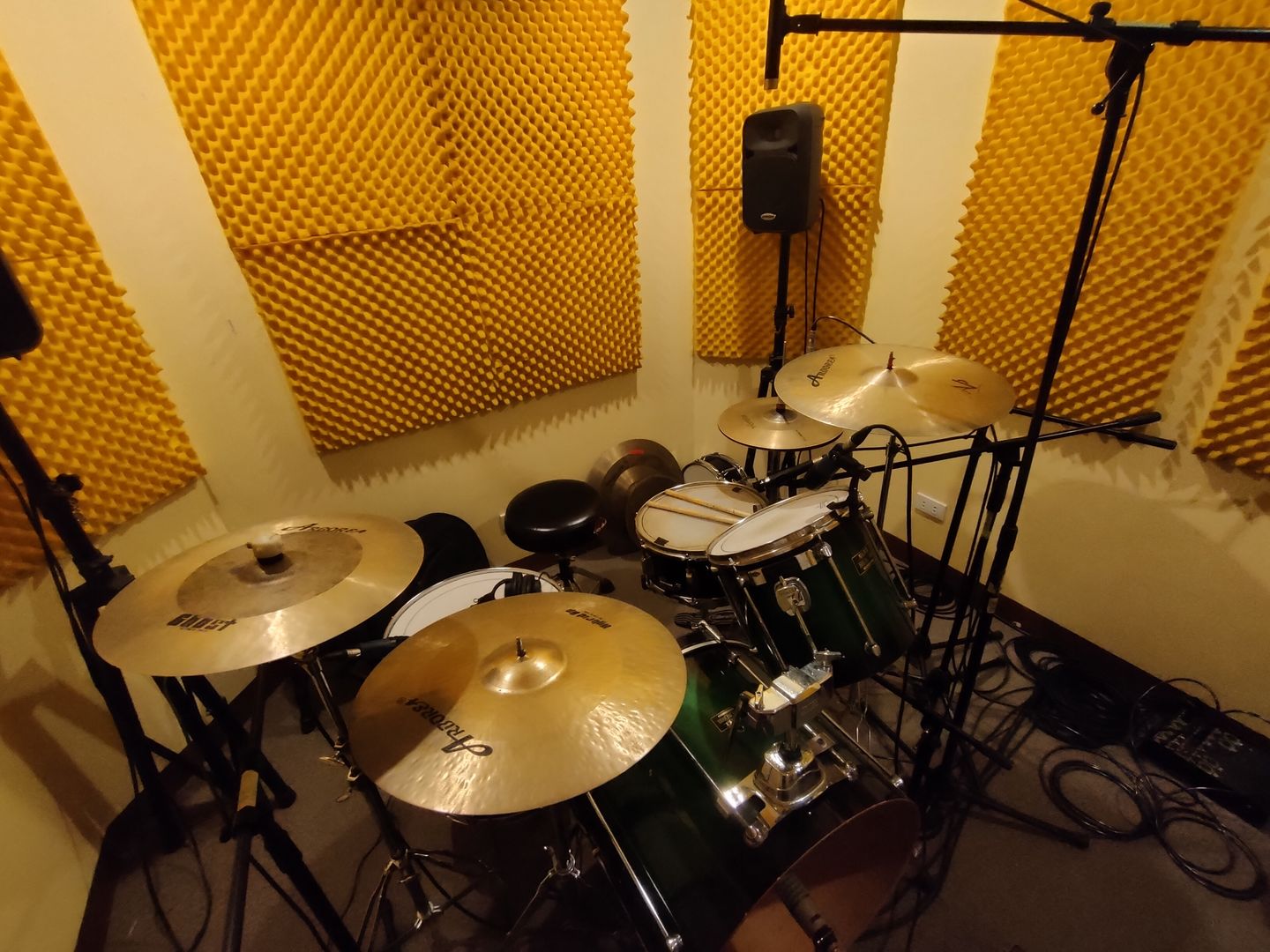
Whether you’re planning a remote interview or a podcast, the double-ender recording method is the way to go if you want the best audio quality. Sick of interview guests sounding muffled? Want to produce crisp podcast material, even when your guest is on the other side of the world? One way to get high-quality audio from a remote interview is to use the double-ender recording method. Although it involves a few more steps, you can expect far better results with double-ender recordings, allowing you to create the best possible listening experience for your audience. The double-ender recording method is a way to record the audio of people in different locations, making it sound like they are in a room together. Each person in the interview sets up an audio recorder to capture their voice locally. Then, the files are synced together in post-production. A handheld audio recorder is the most convenient because it allows you to adjust recording settings and has dedicated storage space just for the job. However, there are a few more solutions we will discuss at the end of this article if you can't afford to buy more hardware. In today's guide, we will walk you through the manual method for double-ender recording, and for this to work, both the host and guest will need something to record their own voice during the conversation. Keep in mind that both the host and guest will need the following equipment listed below: If you need to invest in some gear, Zoom audio recorders are a popular choice because they are simple to use and work without being connected to a computer. If you regularly interview guests, paying just over $100 for a portable recorder may be worth it, especially for high-quality 24-bit/48kHz WAV files. Several more steps are involved in setting up a double-ender recording, so why go through all the trouble? Well, there are multiple good reasons, but the main point is that the audio quality will be significantly better. The list below will give you a quick summary of the benefits of using the double-ender recording method: Of course, the biggest downside is having to instruct a guest on how to set up an audio recorder. Furthermore, there is no guarantee that a guest will have the tech know-how to capture their own audio, but seeing as it's not complicated, it can be worth giving it a go. Below we have listed simple step-by-step instructions for recording using the double-ender method. So, use this guide to take your first recording or share it with a guest to help them get set up. Planning ahead and setting up your workstation right will help to keep the process stress-free, so make sure you give yourself enough time to get everything ready. Next, prepare the conferencing software you are using for the call. While we will be recording the audio separately, there's no reason why you can't also record the audio and video on Zoom or similar software. In the worst-case scenario, a guest might simply forget to hit record on their end, so it will give you a handy backup in an emergency. With your laptop and audio recorder set up, the next step will be one of the most important: test that everything works. Once the audio starts recording, you won't be able to make any changes to the settings or position of the recorder, so don't skip this step! There's nothing worse than running out of recording space, or battery, in the middle of an interview. So take this moment to connect a power cable to your laptop and make sure the batteries are charged in your recorder. At the same time, check that the SD card and computer have plenty of storage space. Now everything should be good to go! After confirming that the audio is being recorded on both ends, all that's left to do is create a marker for syncing. It's really simple to do; just let your guest know that on the count of three, you will both clap simultaneously. That will create a loud spike in the audio recording that you can use to perfectly align the two recordings in post-production, ensuring that the conversation is in sync. Once you've finished the interview or podcast, let everyone know they can safely stop the audio recording. Before concluding the meeting, remind the guest to send the audio files to you for editing. If you don't have a handheld recorder, you can use a smartphone with an audio recording app. You can find several great Android apps for recording podcasts on the Play Store, and adding a plug-in smartphone microphone will help you get even better results. Our tip for using a smartphone is to make sure you have several gigabytes worth of free space available and keep it connected to a charging cable to be sure the phone will make it through an hour-long interview. Another option for people who already own a podcasting microphone is to record audio using an audio editing program like Audacity, or one of the many alternatives to Audacity for audio recording and editing. Also, some online apps now offer a software solution under freemium plans, so if you're looking for a streamlined option, try Zencastr or Riverside. Keep in mind that having the conferencing app running at the same time as recording audio will put more strain on your computer's memory and processing, which can lead to the signal dropping out. The Double-Ender recording method is undoubtedly one of the best ways to capture high-quality remote audio. Try it out yourself by following this simplified guide, or send this article to a guest when you need to explain how to set up a double-ender recording. Alternatively, a smartphone or free audio editing software can do the trick just as well too! Garling has a Master’s degree in Music and over a decade of experience using creative technologies. In particular, she loves writing about music production, film, and DIY electronics. Outside of writing, you will find her taking photos or editing audio. Join our newsletter for tech tips, reviews, free ebooks, and exclusive deals!
One hundred days away from the 2022 World Cup, Telemundo Deportes have announced its impressive lineup of studio talent.
As the exclusive Spanish-language World Cup broadcaster in the United States, every game is available live across Telemundo, Universo and Peacock TV. It’s going to be what the network is calling the “most ambitious coverage in Spanish-language history with all 64 matches live, including all four games on Thanksgiving Day.”
Star-studded studio talent from Telemundo
Center stage in Qatar is Telemundo’s award-winning commentary team of Andrés Cantor, Manuel Sol, Copán Álvarez, Sammy Sadovnik, Jorge Calvo and Eduardo Biscayart.
Adding to the announcers, Telemundo have announced the experts that will appear in the studio. One, in particular, stands out as someone who will be a must-watch on TV.
“The beauty of the comprehensive team that we put together is that we, as announcers like myself [and my colleagues], can turn around and ask [them questions],” World Cup lead commentator Andrés Cantor explained to World Soccer Talk via telephone. “[For example, we can ask] a World Cup coach like Miguel Herrera who has the experience of coaching Mexico at the highest level, not only in the Gold Cups but in Brazil 2014.
“We can [also] ask all of the incredible talent with World Cup experience — players, coaches, referees that we have — for their opinions. I think that gives the audience such a rich, comprehensive experience.”
Herrera is just one of many stars appearing on Telemundo’s coverage of the World Cup. The complete list of studio talent comprises:
AMELIA VALVERDE
Costa Rica | Coach
As the current head coach of the Costa Rica Women’s National Team, Valverde will bring her expertise to Telemundo Deportes for the 2022 FIFA World Cup Qatar™. She has previously contributed as game and studio analyst for the Tokyo Olympics women soccer coverage and expert commentator for 2019 FIFA Women’s World Cup France.
CARLOS TENORIO
Ecuador | Forward
Former Ecuadorian player represented his nation in two FIFA World Cups. Tenorio’s club career began with LDU Quito and later joined Saudi Arabian Al-Nassr FC for one season, scoring 15 goals in 16 appearances. From 2003 to 2009, Tenorio played in Qatar for Al Sadd, winning three Qatar Stars League titles, before moving to Al-Nasr SC in the United Arab Emirates and later returning to South America and finishing his career with the Ecuadorian club Atlético Saquisilí.
CLAUDIO BORGHI
Argentina-Chile | Midfielder
World Cup champion played alongside Maradona when Argentina won the 1986 FIFA World Cup™. The Argentine-Chilean manager and former attacking midfielder returns to Telemundo Deportes after serving as guest analyst in Russia.
DIEGO FORLÁN
Uruguay | Forward
Regarded as one of the greatest Uruguayan players of all time, Forlán has participated in three FIFA World Cups, including the 2010 tournament where Uruguay came in fourth place, and he received the Golden Ball as the best player. Through his career he also played for some of Europe’s top clubs including Manchester United, Villarreal, Atletico de Madrid, and Inter Milan. He returns to Telemundo Deportes after serving as analyst for the 2018 FIFA World Cup Russia™.
FERNANDO HIERRO
Spain | Center Back & Defensive Midfielder
Decorated Spanish player regarded as one of the best defenders in the history of the Real Madrid. Hierro won La Liga five times and the Champions League in three occasions. Representing his National Team, he played in three FIFA World Cups and was a member of the FIFA All-Star World Cup Team in Korea/Japan 2002. As a coach, he managed the Spain National Team during 2018 FIFA World Cup in Russia™.
HORACIO ELIZONDO
Argentina | Referee
Former international football referee who’s best known for being the first ever to officiate both the opening and Final Match in a World Cup (2006). Elizondo has analyzed calls for Telemundo Deportes’ coverage of the 2018 FIFA World Cup and will rejoin our team in Qatar.
JAIME HERRERA GARDUÑO
Mexico | Referee
With a five-year career in Mexico’s First Division, Jaime Herrera Garduño is recognized for being the first Mexican referee to officiate in the Major League Soccer. During his 19-year career he officiated international tournaments such as Copa Libertadores among others. He retired in 2016 and will join Telemundo Deportes for the 2022 FIFA World Cup Qatar™.
MAURO SILVA
Brazil | Defensive Midfielder
World Cup champion and standout figure of Deportivo de La Coruña. Silva won La Liga title once, Copa del Rey twice and the Supercopa de España on three occasions with the Galician team. He represented Brazil in the nation’s victorious 1994 World Cup where he played in all of Brazil´s seven matches.
MAXI RODRÍGUEZ
Argentina | Midfielder
Former Argentine footballer nicknamed “La Fiera” left his mark in Spain playing for Espanyol and Atlético Madrid for the bulk of his career, spent two years with Liverpool in England, and returned to Newell’s Old Boys where he began and ended his career. Rodríguez represented his country in three World Cups, finishing second in 2014. One of his career highlights occurred in Germany 2006 when he scored the goal that eliminated Mexico during the extra time of the Round of 16 match played in Leipzig.
MIGUEL “PIOJO” HERRERA
Mexico | Midfielder
Former Mexican player, and current manager for Liga MX club Tigres UANL. “El Piojo” is best known for his coaching career with Club America, where he won his first title at the 2013 Clausura Tournament, and with the Mexican National team when he led “El Tri” to a playoff victory over New Zealand securing the last qualifying spot and final ticket for the FIFA World Cup Brazil 2014.
NATALIA ASTRAIN
USA | Coach
Recently appointed new head coach of the U.S. Under-17 Women’s National Team, Astrain returns to Telemundo Deportes for 2022 FIFA World Cup Qatar™ after her contribution as soccer analyst for the Tokyo Olympics women soccer coverage. She is a well-respected and experienced soccer coach previously serving as an assistant coach with NWSL Kansas City after a long run in Spain with FC Barcelona, Atletico de Madrid, and the Spanish Federation.
ÓSCAR “CONEJO” PÉREZ
Mexico | Goalkeeper
Goalkeeping legend nicknamed “El Conejo” is considered one of the best in Mexican history. While representing Mexican teams Cruz Azul and Pachuca, Pérez achieved three CONCACAF Champions League titles, two Mexican leagues and one Mexican Cup. He represented his country in 55 matches including three World Cups. Additionally, he won three CONCACAF Gold Cup titles along with the 1999 FIFA Confederations Cup.
SEBASTIÁN ABREU “EL LOCO”
Uruguay | Forward
Commonly known as “El Loco” for his unpredictable shows of skill and technique, Abreu is a former Uruguayan player who gave “La Celeste” a ticket to the 2010 World Cup semifinal scoring a “Panenka style” penalty in the controversial victory over Ghana. He´s also recognized for his record of playing in 32 teams from 11 different countries.
TAB RAMOS
USA | Midfielder
Former American soccer player returns to Telemundo Deportes after serving as analyst for the 2018 FIFA World Cup Russia™. Over his thirteen-year professional career he played as a midfielder in Spain, Mexico, and the United States. Ramos participated in three FIFA World Cups with the USMNT. He was inducted to the National Soccer Hall of Fame in 2005.
Coverage of the World Cup begins in late November. While games will be across Telemundo and Universo, Peacock will also have every game in Spanish on a 24/7 World Cup channel.
Our complete interview with Andrés will appear on the podcast stream.
Musicians! It’s time to step out of your bedroom and hit an actual recording studio. With the world well-adjusted to the ins-and-outs of surviving the ongoing pandemic, you and your band can (and probably should) make that commitment to recording and producing that epic single and/or album you’ve been working on. While it’s totally fine to do things DIY, you can also level up your skills by teaming up with professional studio engineers who know what they’re doing and do it with love. Here are recording studios in the Philippines your band should check out: Location: Muntinlupa City Artists/Bands who recorded here: Juan Karlos, KZ Tandingan, Felip of SB19, Clara Benin, Lola Amour, Gabba, Nameless Kids, Chndtr, Elise Huang, Robin Nievera, The Ridleys, Over October. Allen & Elle, and many more. “Line In Records is an idea that started out in my bedroom back when I used to live in Singapore, just as a side hustle while studying,” recording and mixing engineer Nikhil Amarnani says. “Line In Records officially opened as my personal space in June of 2019 and from then on we’ve been able to work with an amazing array of artists. Line In Records is more of my personal studio, but as an engineer I offer recording, mixing and mastering. The mastering part is done by our mastering partner in Singapore, Raywyn Zayne.” Location: Quezon City Artists/Bands that recorded here: Sponge Cola, And Bandang Shirley, We Are Imaginary, Coeli, Brisom, Ebe Dancel, Karylle, Rusty Machines, syd hartha, We Are Imaginary, Taken By Cars, Halik Ni Gringo. “My college band wanted to record an EP and the studio we wanted to work at was always booked, so I decided to teach myself how to do it,” Love One Another’s Joey Santos reveals to Bandwagon. “20 years on I’m still learning new things about the recording process and the art of producing – I think that’s why I keep coming back to music!” Joey adds, “I am a music producer and I make records. Bands and artists who work with me usually are on the Rock / Indie Pop side of OPM. I help with crafting the song (pre-production and arranging), picking and adding instruments / session musicians (production), recording instruments and vocals, editing them, mixing, and then getting to the final master.” Location: New Manila, Quezon City Artists/Bands that recorded here: December Avenue, Kamikazee, Franco, Parokya Ni Edgar, Typecast, Chicosci, Stickfiggas, Tanya Markova, Queso, Greyhoundz, Valley of Chrome, Wilabaliw and more “Tower of Doom is a recording studio, music label, and production house. We offer a full range of services from audio recording, mixing, and mastering, to video services like lyric videos, music videos, livestreams, and more,” Carlo Perlas, General Manager and Co-founder of Tower of Doom, shares with Bandwagon. “Tower of Doom started as a tiny home studio based in a condo in Quezon City,” he adds. “Our first projects were super DIY and low-budget, such as placing mattresses against the wall to absorb noise, or recording vocals in the bathroom to get that reverb sound, haha! Over time we built a small studio behind a sari-sari store that a family friend owned, then expanded into a multi-studio setup. Today we have two large studios in our new location in New Manila, QC.” Location: San Juan, Metro Manila Artists/Bands that recorded here: The Itchyworms, Over October, Autotelic, Ebe Dancel, The Company, 46 Hope St., Urbandub, Parokya ni Edgar, Monolog, Conscious and the Goodness, Sleepwalk Circus, Belaire’s, The Garceaus, KIIT, Boldstar, and many more “Big Baby Studios started as Soundstage Research back in 1988 as the home studio of award-winning musician Sonny Nicolas,” a representative of Big Baby Studios says. “In 2016, sons Peavey and Jazz Nicolas, along with the rest of the Itchyworms, professionalized the studio into a full-service audio production house and recording studio. Big Baby Studios offers musical arrangement, recording, mixing, and mastering services for music by bands and artists, TVCs, AVPs, film, podcasts, jingles, working with some of the best producers and talent in the industry today.” Location: Laguna Artists/Bands that recorded here: It’s a secret for now (hehe). “Aside from producing music for Ysanygo, we’ve been wanting to see how we could blend our perspectives with different artists on a track,” Ysa Ferráz shares the story behind Adorable Human Studios. “It’s always been a dream for us to work with more artists so we decided to open Adorable Human Studios. We offer music production, co-production, and songwriting. At the moment, brainstorming with our clients happens online!” Location: Alabang, Muntinlupa City Artists/Bands that recorded here: YR artists like Mayonnaise, Mojofly, and Sharlene San Pedro, Gracenote, Typecast, Razorback, and Marc Abaya; as well as celebrities like Alden Richards and Carlo Aquino “Mayonnaise frontman Monty Macalino—founder and CEO of Yellow Room Music Studio—has always believed that having his own studio is a basic necessity as a musician, and would also be practical for his band’s recording and rehearsal needs,” a representative of Yellow Room tells Bandwagon. “When they won Muziklaban back in 2004, he was able to save up from the winnings and earnings from shows. He initially rented a small room in Westgate Tower Alabang in 2006, which was opened to the public by 2009. In 2013, he moved the studio to 1 Polillo St. inside Ayala Alabang village, where it officially became YR Recording Studio—home for Mayonnaise and other artists under the YR record label, students of the YR music school, and various clients from the industry. The YR Recording Studio offers a wide variety of services – from basic recording and rehearsal packages, mixing and mastering, to arrangement and production assistance.” Location: Greenhills, San Juan Artists/Bands that recorded here: Typecast, Mayonnaise, Join The Club, Barbie Almalbis, Juan Karlos, Miles Experience, St. Wolf, Flu, Brick City, bird. Lindenwood, Fern., Jason Dhakal, Jejaview, TNG, Alex Aiono, Shane Filan, and many more “It really just started out because I wanted to record my band,” This Is Where I Make Music’s Hannah Jabla shares with Bandwagon. “Because it would have been cheaper to just buy an interface and a few microphones versus studio time, if you were to record an album. And what a rabbit hole that turned out to be. Location: Marikina Artists/Bands that recorded here: indie artists, rappers, big bands with horn sections, to mainstream artists—from Sandwich to Yeng Constantino. “Kodama studio started in July 2015 when my family moved to Marikina from Tandang Sora due to the expansion of the Visayas avenue which affected my former studio Sound Creation,” Shinji Tanaka shares. Location: BF Homes, Parañaque City Artists/Bands that recorded here: Apartel, Jun Lopito, Ely Buendia (Solo), Oh, Flamingo!, ena mori, Stereodeal, Cheats, One Click Straight, Pinkmen, and Nobody’s Home to name a few. “Originally Crow’s Nest started out as The Bunker (10 years or so ago) as Ely Buendia’s personal home studio,” recording engineer and producer Audry Dionisio tells Bandwagon. “After renovation in 2018, since it was situated at the top floor, it only made sense to change the name to Crow’s Nest. We offer services that any professional studio out there would: Recording, Mixing, and Mastering. We also have extra services where we provide clients with Producers, should they need one.” Location: Diliman, Quezon City Artists/Bands that recorded here: Celebrities like Lovi Poe, Jericho Rosales, James Reid, Rhian Ramos, Christian Bautista, SB19, etc., as well as Reese Lansangan, I Belong To The Zoo, UDD, Autotelic, Bita and The Botflies, Gracenote, Sky Church, Lola Amour, Siakol, The Youth, Johnoy Danao, Ebe Dancel, Bullet Dumas, and more. “The studio started in around 2006 when I started recording friends and schoolmates in a small room. It officially became a business and open to the public in 2009 as more bands wanted to record with us. We now have 3 fully functional studios and a variety of services to offer,” Point Bee Multimedia’s Aaron Gonzales says. “We record bands, solo artists, Voice Over dubbing, mix and mastering, make jingles, radio ads and musical scores. We also have live sound recording for film and videos.” Location: Surftown, La Union Artists/Bands that recorded here: Ebe Dancel, SOS, crwn, August Wahh, Six the Northstar, and a few local bands in LU. “We have been going and playing as SOS in La Union for so long. Kiddo, owner of El union, always mentioned how cool it would be to have a music studio in Surftown,” Roberto Seña shares with Bandwagon. “Almost ten years of drunkenly talking about it, it finally happened. King was doing a residency for Emerging Islands (an artist residency based in LU) and we were writing new material but he would be gone for two months. So, we went up and brought our gear with us. We had a small set up in the bodega of what the studio used to be. Long story short, Kiddo saw it and said we could make it happen between SOS/Bavarian Records and El Union. We offer production and recording services! The difference for our studio is that we rent it out for half or the whole day so you can really zone in while being in a comfortable place away from the city.” Location: Cebu City Artists/Bands that recorded here: Wonggoys, Lourdes, Vincent Eco and a bunch of singles for upcoming artists. Other local bands like The Sundown, Sepia Times, Mandaue Nights, Sansette, Relden, etc. “The studio was built out of necessity and convenience for me as a music producer,” Cattski Espina, founder and in-house music producer of Room 11, tells Bandwagon. “I was utilizing other recording studios in Cebu prior to Room 11 but because booking and availability had been a challenge, I decided to build the studio in 2017. It was also built as a form of business expansion for my record label and music agency 22 Tango Music Group. Though the studio is available for the general public, our artists have the convenience of using the studio for their singles and album releases.” 2011 – 2022 Bandwagon Pte Ltd or sign in with your Bandwagon account
Thank you for visiting nature.com. You are using a browser version with limited support for CSS. To obtain the best experience, we recommend you use a more up to date browser (or turn off compatibility mode in Internet Explorer). In the meantime, to ensure continued support, we are displaying the site without styles and JavaScript. Advertisement Scientific Reportsvolume 12, Article number: 13740 (2022) Cite this article Metrics details Accumulation of waste in cortical tissue and glymphatic waste clearance via extracellular voids partly drives the sleep-wake cycle and modeling has reproduced much of its dynamics. Here, new modeling incorporates higher void volume and clearance in sleep, multiple waste compounds, and clearance obstruction by waste. This model reproduces normal sleep-wake cycles, sleep deprivation effects, and performance decreases under chronic sleep restriction (CSR). Once fitted to calibration data, it successfully predicts dynamics in further experiments on sleep deprivation, intermittent CSR, and recovery after restricted sleep. The results imply a central role for waste products with lifetimes similar to tau protein. Strong tau buildup is predicted if pathologically enhanced production or impaired clearance occur, with runaway buildup above a critical threshold. Predicted tau accumulation has timescales consistent with the development of Alzheimer’s disease. The model unifies a wide sweep of phenomena, clarifying the role of glymphatic clearance and targets for interventions against waste buildup. In recent years, biophysical models of arousal dynamics have been remarkably successful in explaining many features of normal sleep-wake cycles and the effects of acute sleep deprivation, as well as circadian dynamics, effects of stimulants, and circadian misalignment1,2. These models generally include two main drives: a circadian drive that is generated by the suprachiasmatic nucleus and oscillates with an approximately 24-h period that is normally entrained to the day–night light cycle—the “circadian clock”—and a homeostatic drive toward sleep that reflects the buildup of waste products in cortical tissue during waking hours, and their clearance during sleep3,4,5,6,7. Waste products are cleared from cortical tissue by the glymphatic system. This involves cerebrospinal fluid flowing from the subarachnoid space to periarterial spaces, then permeating a dense network of interstitial voids of several tens of nm transverse size that extend between cortical cells, before exiting via perivenous spaces, removing waste products in the process7,8,9,10,11,12. Various alternative suggestions have been made as to the nature of the flow of waste which mainly revolve around whether it is primarily advective, as just described, or whether waste diffuses through interstitial spaces to reach the perivascular ones without significant net advective flow, with diffusion possibly enhanced by pulsation of cerebrospinal fluid; likewise the relative roles of periarterial, perivenous, and interstitial spaces are all still controversial5,7,8,11,13,14,15,16,17. However, we model the above-described process here for definiteness and to provide a basis for future refinements. Recently, it was found that the volume of interstitial spaces in mice increases by about 60% in slow wave sleep (SWS) relative to wake8, possibly driven by changes in norepinephrine concentration, which implies that both advection and diffusion will be enhanced. Parallel changes in perivascular volume do not appear to have been documented, but would have analogous effects if they exist. Simple scaling arguments from fluid mechanics (discussed further below) imply that a 60% increase in void cross section (void length should not change by a significant factor) should yield a factor of 2.56 ((=1.6^2)) enhancement in flux and hence in clearance rate for advection, and a factor of 1.6 for diffusion. Indeed, clearance rates of beta-amyloid in the sleeping mouse are around 2.5 times as large as in wake8. However, differential clearance between sleep and wake has yet to be incorporated in homeostatic modeling. Modeling has succeeded in describing many aspects of the dynamics of normal arousal states and acute sleep deprivation over a few days by using a simple approximation of exponential clearance with a single time constant in the range of 18 to 60 h1,2. However, a vast spectrum of waste chemicals is produced by cortical cells, and these have very different observed clearance times. These include adenosine, prostaglandin D2, growth hormone-releasing hormone, interleukin-1, nitric oxide, and tumor necrosis factor, some of which promote non-REM sleep in various animal species18,19. Other chemicals such as amyloid beta (half life (sim 2) h), tau protein ((sim 11) days), and alpha-Synuclein ((sim 6) h) are all related to neurodegenerative disorders and are present in the interstitial space surrounding neurons20,21,22. Consistent with there being a spectrum of clearance time constants, experiments on chronic sleep restriction show continued worsening of performance and cognitive impairment on timescales of at least weeks23,24,25. All these factors point to the existence of some waste products with clearance times on the order of a week or longer, tau protein being a known example. In some degenerative states, proteins such as tau and alpha-Synuclein are known to accumulate to abnormal levels. Notably, sleep abnormalities are widely observed in Alzheimer’s disease, often appearing decades before manifestation of cognitive symptoms9,10. Alzheimer’s disease is associated with well known cognitive impairments and other conditions also display cognitive decrements in association with reduced clearance rates—including reduced behavioral alertness23,24,25, natural brain aging, and traumatic brain injury11,26,27. Accumulation of waste chemicals can further slow clearance, which can lead to subarachnoid hemorrhage, acute ischemia, and multiple micro-infarctions28,29. It is thus likely that the buildup of abnormal deposits of waste products may itself interfere with clearance in a positive feedback loop in these conditions. Conceivably, some conditions may even push the obstruction caused by accumulation of waste beyond a threshold for runaway buildup. In the present work we extend our prior model that includes single-timescale clearance of a generic waste product to allow for a spectrum of production and clearance rates for a variety of such products. We also incorporate the higher clearance rate in sleep and impairment of clearance by waste buildup. We first calibrate the resulting model by requiring that it correctly reproduce published experimental results on normal sleep-wake cycles, sleep deprivation and recovery, and performance decrements during chronic sleep restriction (CSR). The calibrated parameters are then used to verify the model’s predictions against other experimental protocols. Finally, regimes of runaway waste buildup and their potential relationship to Alzheimer’s disease are explored. In this section we first briefly summarize the basic arousal dynamics model that underlies the present work. This focuses on the homeostatic aspects and we refer the reader to30,31,32,33,34,35,36 for a fuller description of the circadian sector of the model33, which is not changed in the present work. Then we develop our new homeostatic clearance model and explore its predicted dynamics. Figure 1a summarizes the key features of the model. The dynamics of the sleep-wake switch arise from the mutual inhibition of monoaminergic (MA) nuclei that promote wakefulness and the ventrolateral preoptic (VLPO) nucleus, which promotes sleep; the inhibitory coupling ensures that only one population at a time can have high activity37. The mean soma potentials (V_m) and (V_v) of these two populations (m denotes MA and v denotes VLPO) are governed by the following equations: where (tau) is a time constant, (Q_m) and (Q_v) are the mean neuronal firing rates in those populations, which are described by sigmoidal functions of (V_m) and (V_v). The couplings to m from v and to v from m are written as (nu _{mv}) and (nu _{vm}), respectively. We write the total external drive acting on the VLPO as (D_v) and on the MA nuclei as (D_m). Model schematics. (a) Model of arousal dynamics incorporating key interactions between the homeostatic drive H, circadian drive C, and the sleep- and wake-active neuronal populations, VLPO and MA nuclei. Bar-headed lines indicate inhibitory connections, while the arrows show excitatory action. Dotted lines show relevant model outputs—sleep times and alertness. Constraints, such as sleep restriction are incorporated through action of the MA nuclei. See text for parameter descriptions. (b) Schematic cross section of an interstitial void during wake and during sleep with unobstructed flow (top) and obstructed flow (bottom) due to build up of waste products, shown shaded. The void radius increases during sleep by a factor of (sqrt{rho }). In the absence of clearance, the area (alpha H) obstructed due to the effects of waste products is the same during wake and sleep. The activity of the m and v populations is regulated by the homeostatic (H) and circadian (C) drives, which are responsible for the timing of the sleep-wake transitions. The drives C and H act on the VLPO via the drive where (nu _{vC}) and (nu _{vH}) are coupling coefficients with negative (inhibitory) and positive (excitatory) signs respectively, and (A_v) is the drive to the VLPO from other neural populations. The circadian drive C arises from a dynamic circadian oscillator in the suprachiasmatic nucleus, which is entrained by the light-dark cycle33,35. This drive has been extensively documented in the references cited, so we do not discuss it here; values for all its parameters and temporal profile can be found in33. Sleep deprivation and sleep restriction are simulated by keeping the MA population in the wake state by adding a wake effort to the constant external input (D_m), with detailed equations provided in33. Our main concern in the present work is the homeostatic drive, which has been argued to reflect the accumulation of waste products during wake and their decline during sleep3,6,7,10,38. The buildup of waste products H has been modeled by Here, H(t) is the effect of the species on sleep drive set to be dimensionless; (q_sigma) is the production rate in a state (sigma) where (sigma =W) denotes wake and (sigma =S) denotes sleep (the SI units of (q_sigma) are s(^{-1}), although it is sometimes convenient to work in units of h(^{-1}) and measure time in h); and (chi) is a clearance rate that was found to be ((0.5 {-} 1.7)times 10^{-6}) s(^{-1}) (0.017–0.06 h(^{-1})) in normal states33. The above model has successfully reproduced a range of experimental phenomena, including sleep times30,31, sleep propensity33, melatonin dynamics35, alertness34, response to the ambient light spectrum36, and real-life shiftwork39. To develop the new model, we first generalize the homeostatic Eq. (4) to allow H to reflect the net effect of multiple chemical species, labeled i, with We allow each waste species to have its own generation rate (q_{sigma i}) and clearance rate (chi _{sigma i}(t)). These generalizations yield We now consider the effect of accumulation of waste products on fluid flow and waste clearance using a simple model in which uncleared waste obstructs the voids, either directly or by causing neighboring cells to swell. At small levels of accumulation the reduction in clearance rate will be approximately linear in the amount of accumulation, regardless of the clearance mechanism (although the relationship of the coefficient of the linear term to the underlying physics will be different). However, for tissue to survive, some clearance must continue, so (chi _{sigma i}) must remain positive. Hence, we make the approximation where the blocking coefficient (beta _{sigma j}ge 0) parameterizes the contribution of (H_j(t)) to the obstruction of clearance. This relationship captures the first-order modifications to (chi) but we expect it to be only qualitatively correct at large H. Equation (7) has some relevant limiting cases. The first occurs when waste buildup is small and there is negligible impediment to flow. Then all (beta _{sigma j}) are zero, (chi _{sigma i}(t)=chi _{sigma i}^{(0)}), and the species evolve independently. This case corresponds to normal healthy sleep-wake cycles. The second special case is relevant at high waste buildup levels dominated by one product, which we designate by (j=1) without loss of generality. In this case and the clearance rates of all species diminish as (H_1) increases. The relevance of this case will become apparent below where we see that runaway of species concentration is possible, with likely dominance of one species. If we consider the schematic cross sections of an interstitial void in Fig. 1b, we can estimate the dependence of (chi _{sigma i}) and (beta _{sigma i}) on void volume; this argument is unchanged if the voids are not circular, so as long as they are two-dimensional in cross-section (rather than being one-dimensional slits or fractals). First, we note that voids extend throughout the cortical gray matter, which does not change thickness significantly between wake and sleep, so the total void length and tortuosity cannot change significantly, consistent with experiment8. Hence, the observed change in each void’s volume must be accommodated chiefly via changes in its cross sectional area A due to neighboring cells expanding and contracting. Another effect that could be incorporated into this picture is that of changes in the outer radii of voids due to degenerative conditions that change brain volume—e.g., as is seen in Alzheimer’s disease. For smooth flow through a tube of two-dimensional cross section the flow rate scales as (A^2), as in the idealized case of Poiseuille flow in a cylindrical tube but with different proportionality40. So if the interstitial volume increases by a factor of (rho), the area increases by (rho) and the flow rate increases by (rho ^2), so where S denotes sleep and W wake. This scaling is consistent with the relationship between the observed volume increase of about 1.6 in sleep being correlated with a clearance rate increase of around 2.568, as discussed in the Introduction. However, aside from this, the succeeding argument would not be changed significantly if mechanisms such as diffusion operated instead, except that (rho ^2) would be replaced by (rho), resulting in moderate quantitative changes in the dynamics described below, but not qualitative ones. If obstruction of flow due to buildup of waste products is due to filling of an area (alpha _i H_i) with waste, the flow rate is reduced by a factor of roughly ((1-sum _ialpha _{Wi}H_i/A_W)^2) in wake and ((1-sum _ialpha _{Si}H_i/A_S)^2) in sleep. If we write these factors to first order as ((1+sum _ibeta _{Wi}H_i)^{-1}) and ((1+sum _ibeta _{Si}H_i)^{-1}), respectively, this is consistent with The increase in (chi _{sigma i}^{(0)}) and the decrease in (beta _{sigma i}) act in concert to enhance clearance during sleep. By solving the above equations find that the fraction of void blockage during wake is where the rightmost expression applies for small blocking fractions; analogous relationships hold in sleep. Here we elucidate the dynamics predicted by the homeostatic clearance Eqs. (5) and (6) in a fixed state of arousal, including cases with nonzero (beta _i), we begin with the case of single species. The details of the mathematical derivations can be found in the Supplementary Materials. In a fixed arousal state Eqs. (6) and (7) exhibit approach to a fixed point at provided (H^s_{sigma i}>0). However, if there is no fixed point and buildup of (H_{sigma i}) runs away, asymptoting to a linear increase as the second term in the denominator comes to dominate, canceling out the (H_i) dependence on the right hand side of Eq. (6). To illustrate the dynamics of the model for a single species in a fixed arousal state (wake or sleep), we set generation and clearance rates to fixed values. Figure 2a–f show different cases for (chi _{sigma 1}^{(0)}=1.4times 10^{-5}) s(^{-1}) with (q_{sigma 1}=7 times 10^{-6}, 65times 10^{-6},) and (140times 10^{-6}) s(^{-1}). Solutions of Eq. (6) for a fixed arousal state with (beta _{sigma _1}=0) are shown in Fig. 2a. In each case, starting from the initial value of (H_1(0) = 0), (H_1) rises steeply, then saturates exponentially on a timescale of (1/chi _{sigma 1}^{(0)}) as it approaches the stable fixed point in Eq. (12); such dynamics is expected in wake. Figure 2b shows cases in which (H_1(0)) is higher than the fixed point value; here we see that (H_1(t)) decays exponentially toward the fixed point when (q_{sigma 1}) has low values of (20 times 10^{-6}, 9times 10^{-6},) and 0 s(^{-1}), with dynamics more representative of sleep. Homeostatic dynamics with one and two species in a fixed arousal state with and without runaway. One species dynamics are shown in (a)–(f). (a) Rising (H_1) and (beta _{sigma 1}=0) for production rates (q_{sigma 1}=7times 10^{-6}, 65times 10^{-6},) and (140times 10^{-6}) s(^{-1}), as labeled in units of (10^{-6}). (b) Falling (H_1) and (beta _{sigma 1}=0) for (q_{sigma 1}=20times 10^{-6}, 9times 10^{-6},) and 0 s(^{-1}) from top to bottom. (c) Rising (H_1) and (beta _{sigma 1}=0.1) for the same values of (q_{sigma 1}) as in (a), with runaway case indicated with dot-dashed lines. (d) Falling (H_1) for (beta _{sigma 1}=0.05, 0.1, 0), from top to bottom. (e) Normalized clearance rate vs. t for the cases in (c), with runaway case indicated with dot-dashed lines. (f) Normalized clearance rate vs. t for the cases in (d); for (beta _{sigma 1}=0) this ratio is 1 throughout so it is not shown. Homeostatic rise using two-species drive during wake is shown in (g)–(j). Fast clearance (H_1) is shown in green, slow clearance (H_2) in blue, and total H in red. (g) State with (beta _1=beta _2=0) and (H_1) and (H_2) starting from zero. (h) Same as in (g) but (beta _1=0.05) and (beta _2=0.15). (i) Overt runaway state with (beta _1=0.15) and (beta _2=0.15). (j) Covert runaway. (k) Clearance dynamics for two species with (beta _1=0.15) and (beta _2=0.15) in dot dashed line, (beta _1=0.05) and (beta _2=0.15) in solid line, and (beta _1=beta _2=0) in dashed line. In the covert runaway case (q_{sigma 1}=65times 10^{-6}) s(^{-1}) and (q_{sigma 2}=30times 10^{-6}) s(^{-1}); in all other cases (q_{sigma 1}=65times 10^{-6}) s(^{-1}) and (q_{sigma 2}=7times 10^{-6}) s(^{-1}). In Fig. 2c we consider the same cases as in Fig. 2a, but with (beta _{sigma _1} = 0.1). In each case, starting from the initial value of (H_1(0) = 0), (H_1) rises and either approaches the stable fixed point in Eq. (12) or continues to rise indefinitely, depending on whether (q_{sigma 1}) is smaller than the threshold (chi ^{(0)}_{sigma 1}/beta _{sigma 1}) or not. With (q_{sigma 1}=7times 10^{-6}) and (65times 10^{-6}) s(^{-1}) the system approaches fixed points with (H_1=0.5) and 8.4, respectively, in accord with Eq. (12), which yields higher values than when (beta _{sigma 1}=0) and there is no obstruction (see also Supplementary Material S1). For (q_{sigma 1}=140times 10^{-6}) s(^{-1}), there is no longer a stable fixed point, the runaway condition (13) is fulfilled, and we see an asymptotically linear rise of (H_1). Figure 2d shows cases in which (H_1(0)) is higher than the fixed point value for three different (beta _{sigma 1}). While (H_1(t)) decays monotonically toward the fixed point at (q_{sigma 1}=0) in all cases, void obstruction slows clearance for (beta _{sigma 1}ne 0). To explore how the accumulation of waste products obstructs fluid flow and consequently reduces the clearance rate, Fig. 2e illustrates the dynamics of clearance in the same cases as in Fig. 2c, in accordance with Eq. (7). When (beta _{sigma 1}=0)(chi _{sigma 1}/chi ^{(0)}_{sigma 1} =1) at all times. In the other cases, as (H_{1}(t)) rises, this ratio decreases as (1/[1+beta _{sigma 1} H_{1}(t)]). For the cases with valid fixed points, the clearance asymptotes to values of 0.94 and 0.54 for (q_{sigma 1}= 7times 10^{-6}) and (65times 10^{-6}) s(^{-1}), respectively. However, in the runaway case where (q_{sigma 1})= (140times 10^{-6}) s(^{-1}) and (H_{1}(t)) keeps increasing, the clearance ratio decreases monotonically toward zero and total void blockage. The dynamics of clearance for the cases in Fig. 2d is shown in Fig. 2f. Due to their different (beta _{sigma 1}), their clearance values differ at (t=0). Over time (H_1(t)) decays and the clearance recovers to its unobstructed value; as before, this is fastest for small (beta _{sigma 1}). We now consider Eqs. (6) and (7) for two species ((i=1,2)), where we assume that species 1 has the larger effect on blockage, at least initially. Details of the derivation are found in Supplementary Materials S2. In essence, a fixed point is again found, unless which generalizes Eq. (13). The fixed point level of (H_{sigma 2}) is increased by the presence of other species (in this case species 1), which tend to impede its clearance. If a fixed point does not exist, asymptotically linear runaway again occurs with the ratio of concentrations approaching a limit (gamma) with the second species’ dynamics slaved to those of the first if the first dominates (see the Supplementary Materials for detailed expressions); we term this overt runaway. To illustrate the dynamics of the model for two species in a fixed arousal state, we set (chi _{sigma 1} = 1.4times 10^{-5}) s(^{-1}), (chi _{sigma 2} = 0.27times 10^{-5}) s(^{-1}), (q_{sigma 1}=65times 10^{-6}) s(^{-1}), and (q_{sigma 2}=7times 10^{-6}) s(^{-1}). The resulting dynamics of H are shown in Fig. 2g–j. The case of rising H with (beta _1=beta _2=0) is shown in Fig. 2g. Both (H_1(t)) and (H_2(t)) start from 0, rise toward stable fixed-point values of 4.7 and 2.5, respectively, in accord with the detailed expressions in Supplementary Materials S2. Consequently, their sum H(t) reaches 7.2. For values (beta _{sigma 1}=0.05), (beta _{sigma 2}=0.15), the dynamics are similar to those for (beta _{sigma 1}=beta _{sigma 2}=0), but reaching higher fixed points for both species, as shown in Fig. 2h due to the slower clearance. It is clear that in both Fig. 2g,h H(t) reaches a fixed stable point after an initial rise, but the values with nonzero (beta _{sigma i}) are higher, in accord with Supplementary Material S2. In Fig. 2i the system saturates at (H_1=12) and (H_2 = 6.4) because the runaway condition (14) is not satisfied. In these cases and for small (beta _{sigma i}) the dynamics of the individual species are nearly independent. However, runaway occurs if (beta _{sigma 1}) increases beyond 0.14. In this case it is not only species 1 that runs away approximately linearly in time but also species 2, which is slaved to it, as shown in Fig. 2j. As (beta _{sigma 1}) becomes larger, the ratio (H_{sigma 2}/H_{sigma 1}) approaches a constant value of (gamma =0.47), which is in accord with the expression in Supplementary Material S2. The clearance dynamics for Fig. 2i,j is shown in Fig. 2k. In the case with (beta _{sigma i}) lower than runaway threshold for both species, the clearance deviates from (chi ^{(0)}_{sigma i}); however, in the overt runaway case where (beta _{sigma 1}) has a large value, the clearance falls toward zero. If the runaway condition (14) is satisfied for species 2 but not for the initial dynamically dominant species 1, (H_2) cannot saturate and we term the situation covert runaway. In this case, species 2’s concentration will increase approximately linearly in time without changing the system dynamics very much at first. However, once (H_2) becomes comparable with (H_1) it will affect sleep-wake cycles, and when (beta _2H_2) becomes of order unity, its contribution to void blocking will become dynamically significant and may eventually dominate; in any event, the continued rise in (H_2) will push (H_1) up in this case. We conclude that significant contributions from species 2 to disturbances to sleep-wake cycles may occur. The results in the previous subsections are for a fixed arousal state (sigma). In most situations, there is a daily alternation between sleep and wake and we are interested in the long-term evolution of waste product levels over many such cycles when they are well above normal levels (in normal states it suffices to study a single periodic cycle). It is thus useful to average the key results over a complete sleep-wake cycle, assuming that a fraction (f_W) of the cycle is in the wake state and the rest is in sleep. The mean level of H changes little between sleep and wake under severe chronic sleep restriction or runaway states. Averaging Eq. (6) over time and denoting means by overbars gives where Eq. (17) applies for any quantity (x_sigma). Hence, at large (overline{H}_i) with (beta _iH_igg 1) cycle-averaged runaway occurs when the right side of Eq. (18) is positive. The two terms in the square brackets in (18) are proportional to the contributions of clearance during wake and sleep, respectively. We see that clearance during sleep dominates if which corresponds to waking times of less than about 19 h per day for (rho =1.6). More generally, we expect (f_W) to decrease at high (overline{H}) in response to increased homeostatic sleep pressure. We note that it is possible for the runaway condition to be satisfied in wake, but not in sleep, since the ratio (q_{sigma i}beta _{sigma i}/chi _{sigma i}^{(0)}) is decreased by a factor of (rho ^3); in this case sleep is mandatory to achieve system stability against runaway. Since sleep is seen in all mammals, it is likely that this is the regime in which the brain actually operates and; indeed, the shortest-sleeping mammals such as elephants still spend around 3 h per day asleep41. Note that if diffusion, rather than advection, dominates clearance (rho ^3) is replaced by (rho ^2) in Eq. (19) and the boundary implied by this equation is around 17 h of wake per day. In this section we calibrate the model parameters by adjusting them to fit the model’s predictions to published experimental data from a few specific experiments. Having reproduced those results, we verify the model predictions against other published experiments without further adjusting the parameters. Then we explore the consequences of runaway in cases of abnormal waste production or clearance. We calibrate the generalized model against normal sleep-wake cycles, sleep deprivation and recovery, and chronic sleep restriction (CSR). We do not expect perfect agreement given the simplicity of the model, but we aim for results that are semiquantitatively accurate and sufficient for wider applications in later sections. Our generalized model needs to be able to explain the long-term build-up of deficits in chronic sleep restriction (CSR) while still accounting for normal sleep-wake dynamics, where predictions from earlier, more basic, models have been extensively verified. We also wish to incorporate an improved approximation to the production rates in sleep. This means that the parameters of the extended model need to be fitted to suitable calibration data from these conditions before being used to predict dynamics in new situations. We first attempt these tasks under the simplest assumption, as used in prior work, that only one species’ dynamics need be tracked—which may be an “effective species” whose properties are weighted averages of several species that jointly dominate the dynamics. We know this approach enables normal sleep dynamics and total sleep deprivation to be tracked1,2, and aim to determine whether CSR dynamics can also be accounted for via the poorer homeostatic clearance during increased wake. After exploring the single-species case, we repeat the process with the addition of a slow-clearing species to model the dynamics of tau and other long-lived waste products. The four model extensions made for one species here are to: (i) incorporate the homeostatic function, with a time constant (inverse of clearance rate) expected to be in the range previously found by fitting the model to experimental data33, and also by accounting for chronic sleep restriction; (ii) incorporate nonzero (beta _{sigma i}) to account for void obstruction; (iii) allow for the approximately 60% increase in total void volume in sleep via its effects on the (chi _{sigma i}^{(0)}) and (beta _{sigma i}) via Eqs. (9) and (10) for (rho =1.6), so only wake values need be specified separately; and (iv) set the homeostatic production rate in sleep to 0.8 times its rate in wake, in accord with experiment42, instead of to zero as in30,31,43. This last point is justified because we expect the higher clearance rate in sleep in the extended model to offset the higher sleep production rate, leading to similar outcomes from a more physically realistic basis. Specifically, we write the production rate (q_{sigma i}) as the product of a dimensionless constant (eta _i) and the mean cortical neural firing rate (Q_sigma) (SI units s(^{-1})), with with (Q_W=7) s(^{-1})43. Other parameters of the model, including its circadian aspects are left unchanged from those in prior work33,34,35,36. We aim to reproduce three sets of experimental conditions in order to calibrate the model before applying it to predict other dynamics in later sections. These are as follows: Without applying any constraints on sleep opportunity, the model must reproduce normal sleep-wake dynamics with approximately 8.2 h as the optimal sleep duration23 with a typical range of 7.9–8.5 h and a sleep onset time between about 2230 and 0030. The model must reproduce the right subsequent sleep duration after a long period of total sleep deprivation (SD)44. Specifically, the first sleep bout that follows a long period of total sleep deprivation is usually 12–15 h even after a several-day deprivations44. The model must reproduce the CSR dynamics from Van Dongen et al.’s23 study with 3 baseline days (8 h sleep opportunity) followed by either 3 nights of total sleep deprivation or 14 nights of sleep restriction (0, 4, 6, or 8 h sleep opportunity per day, resulting in actual mean sleep durations of 0, 3.7, 5.5, and 6.7 h per day, respectively). This experiment compared waking neurobehavioral functions during sleep restriction with those for total sleep deprivation23. It used the psychomotor vigilance task (PVT) in which reaction times to stimuli in each 10 min test bout every 2 h were counted as attentional lapses when they exceeded 500 ms. The temporal regulation of sleep is governed by the homeostatic and circadian processes and this temporal regulation of sleep affects human neurobehavioral functions like sustained attention34,45,46. It has previously been shown34 that a fair approximation to the number of excess PVT lapses p relative to baseline at a given circadian phase is where (Delta H) is the deviation from baseline and the constant (lambda) is chosen by minimizing the root-mean-square difference between theory and experiment over the four conditions. To assist in finding optimal parameters from dynamics, we define a qualitative goodness-of-fit parameter (zeta), which we minimize over the parameter space, as described in the Methods. We obtain a simultaneous fit to normal sleep, SD, and CSR data by varying the parameters (chi), (beta), (eta), and (A_v) to minimize (zeta) across the data sets discussed in the previous subsection. To do this, we employ the genetic algorithm function in the Matlab optimization toolbox47. This algorithm initially generates a population of 50–200 random points depending on the number of variables. The point with the smallest (zeta) is then selected to generate a fresh set of random points in its vicinity and the new point with the smallest (zeta) is then selected. These latter steps are repeated until (zeta) ceases to decrease significantly and the corresponding parameters are used as our estimate of the optimal values. The optimal one-species parameters found are shown in Table 1 and Fig. 3a–c show an example of H dynamics for the optimal parameters. We find 8.22 h sleep duration which starts at 2340 for normal sleep wake cycles without applying any constraints on sleep opportunity, as shown in Fig. 3a. After 88 h of sleep deprivation, 14.5 h of subsequent first night sleep is found, which is shown in Fig. 3b. Figure 3c shows the dynamics of H compared to the PVT lapses data for chronic sleep restriction. One sees that the model H saturates within about 5 days, whereas the experimental curves continue to rise, implying that the first two fits are close, but that CSR is poorly fitted and the long-term dynamics are not as well modeled as more rapid changes, apparently because the value of (beta) required to account for short-term dynamics is too small to impede clearance sufficiently at long times. This points to the need to include a second species with slower dynamics and larger blocking coefficient (beta). One and two species dynamics of H and void blocking fraction for the best-fit parameters in Table 1 for the calibration experiments. One species dynamics for (a) normal sleep; (b) sleep deprivation; and (c) chronic sleep restriction, cycle-averaged and normalized to the baseline days with blue showing sleep deprivation, orange 4 h sleep opportunity, green 6 h, and purple 8 h. Two species dynamics for (d) normal sleep, (e) sleep deprivation, (f) chronic sleep restriction, cycle-averaged and normalized to the baseline days, plotted as in (c). Open symbols show PVT lapse data from Van Dongen et al.’s23 study. Void blockage fraction for two species: (g) during normal sleep-wake cycles, and (h) during chronic sleep restriction from23. Blue, red, green, and purple indicate sleep deprivation, 4, 6, and 8 h sleep opportunity per day, respectively. The optimal two-species parameters found are shown in Table 1 and the dynamics are shown in Fig. 3d–f. The shorter clearance time is reduced by about a third relative to the one-species case to about 19 h, while the longer one is 9 days, within 20% of the value estimated for tau protein22,48. The blocking coefficient for species 2 is of the same order as for the one-species case, while for species 1 it is lower than in the one-species case, whose value needed to be higher to yield sufficiently slow clearance under CSR conditions. The production rate of the fast-clearing species is little changed from the one-species value, and that of the slow-clearing species is about 6 times lower. Finally, (A_v) is shifted downward by 6 mV to compensate for the increased effect of mean homeostatic drive on the total external drive acting on the VLPO. For the optimal two-species parameters, we find 7.7 h sleep duration which starts at 2215 for normal sleep wake cycles without applying any constraints on sleep opportunity, as shown in Fig. 3d, and consistent with the range of normal sleep duration. After 88 h of sleep deprivation, 15.8 h of subsequent first night recovery sleep is found, which is shown in Fig. 3e, also consistent with experiment44. The fast-clearing species saturates within the sleep deprivation period, whereas the slow-clearing species continues to build up. Figure 3e shows that the model H now has a behavior that is semiquantitatively in agreement with the experimental results, displaying in particular continued buildup over the full 14 days instead of quickly saturating. After 14 nights of sleep restriction, the H level for the 4 h condition reaches the same level as two nights of total sleep deprivation and the 6 h condition reaches approximately the same level as one night of total sleep deprivation. For the 8 h sleep condition H still increases across the simulation because the mean sleep duration is only 6.7 h as in the experiments, but this is slower than in the other cases. It is noteworthy that PVT is known to be influenced by factors other than H49 so we do not expect exact agreement with PVT data. To explore the role of waste accumulation under normal and CSR conditions, the fractional blocking of voids is calculated from Eq. (11). Figure 3g shows the void blockage fraction in the two-species case under normal conditions. During wake the blockage reaches (9.2%) of the total void cross section, whereas during sleep after the full clearance it falls to (5.7%). The void blockage fractions for sleep deprivation and CSR are shown in Fig. 3h. At the end of sleep deprivation, void blockage reaches nearly (10.4%) of the total void cross section, which is close to the level of (10.6%) attained at the end of 14 days of 4 h sleep restriction, consistent with the similar PVT scores in the two cases. It is notable that the typical scale of normal daily variations in void blockage is less than (pm 4%) of total void cross section from peak to trough and even multiday sleep deprivation or CSR produce departures of less than 4% of the total void cross section; this sets a scale against which other levels of blockage can be assessed. Having calibrated our two-species model against data, we now apply it to different experiments that embody aspects of sleep restriction and recovery without adjusting the parameters from those previously determined. This serves to further verify the model’s semiquantitative validity. Belenky et al. studied CSR and post-CSR recovery in 66 subjects24. The first 3 days of their protocol required 8 h required time in bed (TIB) per day. From the fourth to tenth days, subjects underwent one of four conditions: 9 h required TIB (2200–0700), 7 h required TIB (2400–0700), 5 h required TIB (0200–0700), or 3 h required TIB (0400–0700). These comprised a sleep augmentation condition and three sleep restriction conditions. On the 11th to 13th days, subjects were again required to be in bed for 8 h, giving a recovery period. Average total sleep time (TST) over the 7 days of sleep restriction or augmentation were 7.93 h for the 9-h TIB group, 6.28 h for the 7-h TIB group, 4.66 h for the 5-h TIB group, and 2.87 h for the 3-h TIB group. The results shown in Fig. 4a indicate an increase in H for 3, 5, and 7 h TIB conditions and a decrease for the 9 h TIB condition, all of which accord with the PVT data. Sleep recovery is somewhat slower after the 3 h TIB condition than seen in the data, but faster after the 5 h TIB condition. The data show no recovery after the 7 h TIB condition, whereas our H level recovers towards the baseline level. The sleep duration after 9 h of sleep restriction also recovers to near the baseline after 3 nights. The TST in sleep recovery periods shows a similar trend to the data. Although an 8 h sleep recovery opportunity was given for three nights, the 3 h TIB condition data show approximately 7.5, 7, and 7 h TST for these nights; our corresponding result likewise shows the longest TST occurs on the first night of recovery with 8 h followed by 7.9 h for the next two nights for slightly more recovery sleep on average. The data after the 5 h and 7 h TIB conditions both show approximately 7, 7, and 6.5 h TST during recovery; our results again show the same downward trend over the three nights, but more sleep on average: 7.9, 7.9, and 7.8 h after the 5 h TIB condition and 7.8, 7.8, and 7.7 h after the 7 h TIB condition. The 9 h TIB condition data show nearly constant 7 h TST across all three nights, in agreement with the trend in our results, which again predict somewhat more sleep on average at 7.6 h. Thus the trends are reproduced by our model to within the uncertainties of the data, apart from a slightly higher average TST in all cases, which is likely the result of the fact that we have not refitted our parameters to these data, but use the values from the previous section. Model predictions for CSR protocols that were not used in parameter calibration. (a) Belenky et al.24 chronic sleep restriction and recovery, averaged across each cycle with two-species parameters from Table 1. Blue indicates 3 h of chronic sleep restriction, red 5 h, green 7 h, and purple 9 h. Filled circles show the experimental data. (b) St. Hilaire et al.25 chronic variable sleep restriction for two-species parameters from Table 1. Model prediction of H dynamics are shown with solid line. Experimental data are shown with gray circles. Our second application of the calibrated model is to the work of St. Hilaire et al., who studied intermittent CSR, with periodic recovery opportunities, as an analog of common sleep schedules in which CSR occurs during the week, with recovery on weekends25. The protocol started with a baseline day of 10 h of scheduled sleep and 14 h scheduled wake. The first cycle of sleep restriction started on day 2, consisting of two 3-h TIB periods on successive days followed by one 10-h TIB period on day 4. This pattern was repeated twice more in blocks of 3 days (3 cycles). Our results in Fig. 4b indicate an increase in H after each cycle of sleep restriction despite the 10 h sleep opportunity, consistent with the long time constant of the slow-clearing species. However, the rate of degradation in PVT performance data in Fig. 4b following a 3-h sleep opportunity in the second and third cycles is steeper than the first cycle, whereas we predict roughly equal rates. This may indicate the presence of a third very-fast clearing species that enables greater recovery during sleep opportunities, and contributes to faster catch-up during subsequent periods of restriction; however, we do not pursue this possibility in the present work. We now show that abnormalities in homeostatic processes, particularly rates of production and clearance of waste, can lead to drastically increased waste levels and void blockage, and even runaway buildup under some circumstances. We consider cases of both a sudden parameter change, as might happen after an injury, and of gradual evolution away from normal values, as may reflect progressive deterioration due to age, sleep disturbances, or other factors. In both cases we enforce a minimum of 10 h of wake per day ((f_Wge 0.42)) to correspond to the wake-promoting effects of social and other pressures. Resulting buildup of tau protein occurs on timescales of many months to years, comparable to the onset period of Alzheimer’s disease, for example. A key prediction of the preceding sections is that there is a threshold beyond which waste buildup runs away to levels far above normal. According to the cycled-averaged Eqs. (17) and (18), various effects could contribute to such an outcome: (i) an increase in the average rate of waste production (overline{q_i}) through an increase in its proportionality (eta _i) to firing rate in Eq. (20); (ii) an increase in the effectiveness of blocking by waste, reflected in the blocking coefficient (beta _i); (iii) a decrease in the value of (rho), corresponding to reduced dilation of interstitial voids during sleep; (iv) an increase of the fraction of time spent awake (f_W); and/or (v) a decrease in the clearance rate (chi _{Wi}^{(0)}=1/tau ^{(0)}_W). Continued runaway corresponds to the right side of the cycle-averaged Eq. (18) being positive. This implies threshold values for (eta _2), (beta _2), and (tau _2) approximately 10.5 times higher than their value in Table 1 if all the other parameters are held constant, whereas the thresholds for (rho) and (f_W) cannot be reached for (rho ge 1) and (f_Wle 1). Figure 5 illustrates the effects of each of the above-mentioned changes in the parameters of the slow-clearing species. Runaway happens over the course of (sim 5) years when (eta _2), (beta _2), or (tau _2) is increased by a factor of 11.5 as shown in Fig. 5a,c,e, respectively, consistent with threshold values predicted from the cycle averages of quantities in Eq. (18). We find that, once runaway occurs after an increase in (eta _2), (tau _2), or (beta _2), the value of H increases to levels far above normal over a year or more. In contrast to these cases of runaway, Fig. 5c shows that setting (rho =1) to remove the expansion of interstitial voids during sleep leads to a rise in H followed by saturation. Likewise, Fig. 5d shows the same behavior if sleep is permanently restricted to only 4 h per day; this saturation is consistent with many people continuing to function reasonably normally under conditions of permanent CSR. In neither case is the predicted runaway threshold exceeded but the saturation values are well above those experienced in the cases of sleep deprivation or CSR discussed in earlier sections. It is important to mention here that the simple linear approximations made to the dynamics of H and its effects on the sleep-wake cycle will need correction at the very high levels of H attained in the cases of runaway, so the trends seen should be only treated as qualitative once H exceeds a few times the level found in CSR where the results have been verified against experiment. Runaway predictions for the two species. (a)–(e) Demonstrate the case of a sudden change of one parameter at (t=100) days, as labeled: (a) (eta _2) is 11.5 times higher than the best-fit value from Table 1, (b) (beta _2) is 11.5 times the best-fit value, (c) (rho = 1), (d) (f_W) is increased to 0.83 which indicates 20 h of wakefulness, and (e) (tau _2) is 11.5 times larger. In each case the dot-dashed line indicates (H_1), the dashed line (H_2), and the solid line, the total H. (f) Shows results for a gradual increase of (tau _2) over time, with an increase by a factor of 11.5 being reached at (t=3500) days. (g) Comparison of total H for the conditions in (a)–(e), as labeled; dotted line shows case (f). (h) Corresponding void blockage fraction for the conditions in (a)–(f). All other parameters are set at their best-fit values from 1. In Fig. 5h we see that interstitial void blockage fraction rises rapidly in all cases considered, slowly approaching 100% asymptotically in runaway cases, and saturating at 12–14% in the cases when H saturates, well above the level seen after 14 days of CSR in Fig. 3h. In the runaway cases the blockage fraction after 5 years is 45% to 80%. The steepest increase in the blockage fraction occurs before 2000 days ((sim 5) years), after which it slows and reaches 50% to 82% at 6000 days ((sim 16) years), in accord with the square-root dependence seen in Eq. (11). Once our dynamically dominant second species runs away, the ratio (H_1/H_2) approaches a limit (gamma) that is consistent with the expression in Supplementary Material S2 with the roles of species 1 and 2 reversed. This ratio converges to 0.04 when (eta _2) increases, and to 0.05 when (tau _2) increases in the simulations (Fig. 5a,e), and to 0.52 when (beta _2) increases (Fig. 5b). In each case, these values are bracketed by the predicted wake and sleep values, while the approximate cycle-averaged equation (15) predicts ratios of 0.06, 0.07, and 0.7, respectively. This behavior is evident in Fig. 5b where (H_1) and (H_2) levels increase together. Figure 5g shows all the cases in Fig. 5a–e superposed for comparison. In many cases, the conditions that lead to runaway are gradual, rather than sudden, owing to ongoing deterioration due to aging or pathology. Hence, we consider an example in which (tau _2) increases linearly, reaching 11 times its original value after 10 years, then continuing to rise at the same rate. Figure 5f shows the resulting increase in H, which is slower than the sudden-onset case at first, but steadily accelerating, with the runaway threshold being reached at around 3500 days. Prior to runaway, the levels of (H_1) and (H_2) roughly follow the fixed point values given in Supplementary Materials S2 with the labels 1 and 2 reversed; however, because of time lags in the dynamics, the fixed point is never quite reached and (H_1/H_2) stays at about 0.4 of the fixed-point value. During the first 300 days, (f_W) falls to its imposed floor of 0.42 (10 h per day of waking) in an attempt to increase cycle-averaged clearance, in agreement with observed sleep increase in the leadup to Alzheimer’s dementia50. Beyond about 2500 days, as the runaway threshold is approached, the fixed point value of (H_2) rises rapidly, as expected from Supplementary Materials S2, and (H_1/H_2) decreases. Once (H_2) runs away, it rises approximately linearly with time with (H_1) slaved to it, as seen in Fig. 5f, with (beta _{sigma 2}H_{sigma 2}approx 10 beta _{sigma 1}H_{sigma 1}). The ratio (H_1/H_2) approaches a limit of 0.04, whereas this value was found to be 0.07 using the approximate expression in Supplementary Materials S2. The fraction of void blockage reaches almost 80% Fig. 5h by the end of 16th year—again, far above the levels that correspond to significant performance decrements under sleep-deprivation or CSR conditions. Corresponding curves are also shown for the earlier cases in this frame. The slope of H, once runaway occurs is 0.6 (times 10^{-5}) s(^{-1}) in the simulation; given time lags, this approximate value is consistent with the cycle-averaged value of (eta _{2} Q) (0.9 (times 10^{-5}) s(^{-1})) as (chi _2) increases, the voids become heavily blocked, and dH/dt approaches linear behavior. In the cases above, occurrence of runaway required roughly an order of magnitude increase in the relevant parameter. However, we have also verified that if more than one parameter deviates from nominal, the necessary change can be much smaller. For example, if both the production rate and the clearance time constant increase by about a factor of 3.5, the combination suffices to cause runaway. We have developed a biophysical model of homeostatic waste clearance in the brain and incorporated it in a model of arousal dynamics that also includes circadian effects. The key new features of the model are (i) higher glymphatic clearance of waste products from the brain in sleep than wake7,8,10, (ii) the effects of waste-product buildup on clearance, (iii) multiple time constants of waste clearance, and (iv) improved approximation of waste production rates in sleep. This new model with two species allows us to explain the sleep-wake and cognitive dynamics observed at different time scales, from days in normal sleep-wake cycles and acute sleep deprivation, and weeks to years in chronic sleep restriction. Having determined parameters by fitting predictions to calibration data from normal arousal dynamics and CSR experiments, the model reproduces experimental results on recovery from sleep deprivation and sleep restriction and on intermittent sleep restriction, without further adjustment. This is the first model to combine these different temporal scales of sleep disturbances using physiological mechanisms at the level of the homeostatic drive. Several other models have described the dynamics of cognitive outputs, like PVT, in acute sleep deprivation and chronic sleep restriction based on prior sleep history, but they did not incorporate the underlying dynamic homeostatic drive or brain clearance mechanisms51,52,53,54,55. Notably, when two species’ parameters are fitted to data, one has time constant of (sim 20) h and properties close to those previously found to account for normal sleep-wake cycles and total sleep deprivation, whereas the other has a characteristic clearance time of (sim 9) days, which is close to that for tau protein22,48. This strengthens the possible link to tau buildup in neurodegenerative disorders such as Alzheimer’s disease. Under normal sleep-wake conditions, inferred waste levels and corresponding homeostatic drive oscillate around a mean value over the circadian cycle with around 7–8% obstruction of interstitial void volume on average (15% obstruction of flow), varying between about 9% at sleep onset to around 6% just before waking. Corresponding figures after several days of sleep deprivation or two weeks of CSR are around 14% volume obstruction. However, we predict the existence of a threshold for runaway waste buildup, beyond which the waste itself obstructs clearance so greatly that it leads to runaway of the homeostatic drive and eventual near-total obstruction of interstitial voids. These predictions are in line with the evidence that in neurodegenerative disorders sleep disturbances can often precede cognitive symptoms by several years or even decades9. Significantly, prior to this critical point the model predicts a rapid increase in steady-state levels of waste products, which could potentially signal proximity of the runaway and could be detected experimentally via assays or imaging. We explored runaway tau buildup driven by either sudden injury or gradual onset of pathology, especially in the form of enhanced waste production and/or impaired clearance. Timescales proved to be on the order of months to years, comparable to those observed for the onset of Alzheimer’s symptoms, including cognitive decline which has been associated with the buildup of tau plaques and neurofibrillary tangles56. Our identification of the key parameters for waste buildup and runaway highlights potential targets for monitoring and therapeutic intervention. In the present study we have considered temporal changes in brain clearance and have assumed the same clearance and obstruction mechanisms across the brain. However, neurodegenerative diseases like Alzheimer’s are often characterized by specific spatial pattern of where those chemicals aggregate and provoke brain abnormalities57. For example, Amyloid-(beta) pathology starts in the cortex and only propagates to subthalamic regions in late stages of the disease58, whereas tau pathology first occurs in the locus coeruleus and enthorinal cortex, whence it expands to limbic and isocortical regions59. Quantitative study of such spatial dynamics would require the present model to be generalized to explicitly incorporate these structures and their differing activity levels and clearance parameters. Normal ageing is also associated with reduction of glymphatic clearance (by (sim 80{-}90)% in aged mice)7,10,11 which slows down fluid flow in the brain and facilitates accumulation of debris that may further obstruct clearance and change sleep patterns. The model predicts that such changes would be observed, at least partly due to accumulated effect of sleep disturbances over many years, even below the runaway threshold. This degradation of clearance in aging may contribute to cognitive decline seen even in healthy old adults. Our model provides a tool for exploration of how sleep-wake dynamics earlier in life affect cognitive outcomes in old age and for design of interventions to slow down or prevent cognitive decline. Overall, the model has demonstrated a wide range of successful predictions, and makes others for further experimental testing. We stress that more accurate modeling of very large homeostatic drives and their links to cognition will be necessary to further refine predictions. Other underlying issues that would bear further investigation include more detailed modeling of diffusion and advection through insterstitial voids, the inclusion of spatial variations in parameters, modeling different forms of tau in both extracellular and intracellular locations, and including in situ degradation of waste alongside clearance. Other directions for future work include: (i) Brain clearance process in sleep shows an endogenous circadian rhythm60, which has not yet been incorporated. This is relevant when considering restricted sleep at different times of day, such as that in shiftworkers and during jetlag. This should be considered in the future because shiftworkers have been reported to have higher incidence of dementia61, which may plausibly be partly due to reduction of brain clearance when sleep occurs at inappropriate circadian times. (ii) The possibility that short-lived chemical species may be responsible for rapid partial restoration of cognitive performance by naps should be explored. (iii) The bidirectional connections between sleep patterns and clearance should be considered in detail. In this work we studied how sleep patterns affect clearance dynamics and showed that obstruction tends to increase sleep duration, but the effects of changes in clearance on sleep-wake cycles during healthy ageing should also be explored7,10. To assist in finding optimal parameters from dynamics, we define a qualitative goodness-of-fit parameter (zeta), which we minimize over the parameter space, with where (zeta _N), (zeta _{mathrm{SSD}}), and (zeta _{mathrm{CSR}}) are contributions from fits to normal, subsequent sleep duration after sleep deprivation, and CSR experiments. The contribution (zeta _N) in Eq. (22) is written as This expression contains terms that penalize deviations of sleep duration d from the nominal (d_0=8.2) h and sleep onset time s from the nominal (s_0=23.5) h, with tolerances (Delta d=0.15) h and (Delta s=1) h, respectively, based on optimal sleep duration range 8.05–8.35 h and night sleep onset range 2230–0030 h. We define (zeta _{mathrm{SSD}}) in Eq. (22) to be where the score measures the deviation of recovery sleep duration R from the nominal (R_0=13.5) h following 88 h of total sleep deprivation with tolerance (Delta R=1.5) h based on optimal sleep duration range 12–15 h. The contribution (zeta _{mathrm{CSR}}) is calculated from the rms deviations m between the estimated PVT measure p and the experimental PVT data, summed across the four experimental conditions of total sleep deprivation, and 4 h, 6 h, and 8 h of sleep opportunity per day, respectively. Hence, we define (zeta _{mathrm{CSR}}) to be where the subscripts indicate the number of hours of sleep opportunity per day and we set (Delta m=0.15) to give similar weight to the normal and CSR contributions in Eq. (22). All data are from the published papers cited. Abel, J. H., Lecamwasam, K., St Hilaire, M. A. & Klerman, E. B. Recent advances in modeling sleep: From the clinic to society and disease. Curr. Opin. Physiol.15, 37–46 (2020). PubMedArticle Google Scholar Postnova, S. Sleep mdelling across physiological levels. Clocks Sleep1, 166–184 (2019). PubMedPubMed CentralArticle Google Scholar McKenna, J. T. et al. Nocturnal elevation of extracellular adenosine in the rat basal forebrain. Sleep Res. Online5, 155–160 (2003). Google Scholar Tononi, G. & Cirelli, C. Sleep and synaptic homeostasis: A hypothesis. Brain Res. Bull.62, 143–150 (2003). PubMedArticle Google Scholar Fultz, N. E. et al. Coupled electrophysiological, hemodynamic, and cerebrospinal fluid oscillations in human sleep. Science366, 628–631 (2019). ADSCASPubMedPubMed CentralArticle Google Scholar Borbély, A. A. A two process model of sleep regulation. Hum. Neurobiol.1, 195–204 (1982). PubMed Google Scholar Iliff, J. J. et al. A paravascular pathway facilitates CSF flow through the brain parenchyma and the clearance of interstitial solutes, including amyloid (beta). Sci. Transl. Med.4, 147ra111 (2012). PubMedPubMed CentralArticleCAS Google Scholar Xie, L. et al. Sleep drives metabolite clearance from the adult brain. Science342, 373–377 (2013). ADSCASPubMedArticle Google Scholar Tarasoff-Conway, J. et al. Clearance systems in the brain—Implications for Alzheimer disease. Nat. Rev. Neurol.11, 457–470 (2015). CASPubMedPubMed CentralArticle Google Scholar Jessen, N., Munk, A., Lundgaard, I. & Nedergaard, M. The glymphatic system: A beginner’s guide. Neurochem. Res.40, 2583–2599 (2015). CASPubMedPubMed CentralArticle Google Scholar Kress, B. T. et al. Impairment of paravascular clearance pathways in the aging brain. Ann. Neurol.76, 845–861 (2014). CASPubMedPubMed CentralArticle Google Scholar Thorne, R. & Nicholson, C. In vivo diffusion analysis with quantum dots and dextrans predicts the width of brain extracellular space. Proc. Nat. Acad. Sci. USA103, 5567–5572 (2006). ADSCASPubMedPubMed CentralArticle Google Scholar Cserr, H., Cooper, D., Suri, P. & Patlak, C. Efflux of radiolabeled polyethylene glycols and albumin from rat brain. Am. J. Physiol-Renal240, F319–F328 (1981). CASArticle Google Scholar Asgari, M., De Zélicourt, D. & Kurtcuoglu, V. Glymphatic solute transport does not require bulk flow. Sci. Rep.6, 38635 (2016). ADSCASPubMedPubMed CentralArticle Google Scholar Holter, K. et al. Insterstitial solute transport in 3D reconstructed neuropil occurs by diffusion rather than bulk flow. Proc. Nat. Acad. Sci. USA114, 9894–9899 (2017). CASPubMedPubMed CentralArticle Google Scholar Abbott, N., Pizzo, M., Preston, J., Janigro, D. & Thorne, R. The role of brain barriers in fluid movement in the CNS: Is there a ‘glymphatic’ system?. Acta Neuropath.135, 387–407 (2018). CASPubMedArticle Google Scholar Hladky, S. & Barrand, M. The glymphatic hypothesis: The theory and the evidence. Fluids Barriers CNS19, 9 (2022). PubMedPubMed CentralArticle Google Scholar Obal, F. & Krueger, J. M. Biochemical regulation of non-rapid-eye-movement sleep. Front. Biosci.8, d520-550 (2003). CASPubMedArticle Google Scholar Krueger, J. M. et al. Sleep as a fundamental property of neuronal assemblies. Nat. Rev. Neurosci.9, 910–919 (2008). CASPubMedPubMed CentralArticle Google Scholar Cirrito, J. R. et al. In vivo assessment of brain interstitial fluid with microdialysis reveals plaque-associated changes in amyloid-(beta) metabolism and half-life. J. Neurosci.23, 8844–8853 (2003). CASPubMedPubMed CentralArticle Google Scholar Lee, H.-J. et al. Assembly-dependent endocytosis and clearance of extracellular a-synuclein. Int. J. Biochem. Cell Biol.40, 1835–1849 (2008). CASPubMedArticle Google Scholar Yamada, K. et al. Neuronal activity regulates extracellular tau in vivo. J. Exp. Med.211, 387–393 (2014). CASPubMedPubMed CentralArticle Google Scholar Van Dongen, H., Maislin, G., Mullington, J. M. & Dinges, D. F. The cumulative cost of additional wakefulness: Dose-response effects on neurobehavioral functions and sleep physiology from chronic sleep restriction and total sleep deprivation. Sleep26, 117–126 (2003). PubMedArticle Google Scholar Belenky, G. et al. Patterns of performance degradation and restoration during sleep restriction and subsequent recovery: A sleep dose-response study. J. Sleep Res.12, 1–12 (2003). PubMedArticle Google Scholar St. Hilaire, M. A. et al. Modeling neurocognitive decline and recovery during repeated cycles of extended sleep and chronic sleep deficiency. Sleep40, zsw009 (2017). Article Google Scholar Iliff, J. J. et al. Impairment of glymphatic pathway function promotes tau pathology after traumatic brain injury. J. Neurosci.34, 16180–16193 (2014). PubMedPubMed CentralArticleCAS Google Scholar Peng, W. et al. Suppression of glymphatic fluid transport in a mouse model of Alzheimer’s disease. Neurobiol. Dis.93, 215–225 (2016). CASPubMedPubMed CentralArticle Google Scholar Gaberel, T. et al. Impaired glymphatic perfusion after strokes revealed by contrast-enhanced MRI: A new target for fibrinolysis?. Stroke45, 3092–3096 (2014). CASPubMedArticle Google Scholar Wang, M. et al. Focal solute trapping and global glymphatic pathway impairment in a murine model of multiple microinfarcts. J. Neurosci.37, 2870–2877 (2017). CASPubMedPubMed CentralArticle Google Scholar Phillips, A. J. K. & Robinson, P. A. A quantitative model of sleep-wake dynamics based on the physiology of the brainstem ascending arousal system. J. Biol. Rhythms22, 167–179 (2007). CASPubMedArticle Google Scholar Phillips, A. J. K. & Robinson, P. A. Sleep deprivation in a quantitative physiologically based model of the ascending arousal system. J. Theor. Biol.255, 413–423 (2008). ADSCASPubMedMATHArticle Google Scholar Robinson, P. A., Phillips, A. J. K., Fulcher, B., Puckeridge, M. & Roberts, J. A. Quantitative modelling of sleep dynamics. Philos. Trans. R. Soc. A369, 3840–3854 (2011). ADSMathSciNetCASMATHArticle Google Scholar Postnova, S., Lockley, S. W. & Robinson, P. A. Sleep propensity under forced desynchrony in a model of arousal state dynamics. J. Biol. Rhythms31, 498–508 (2016). PubMedArticle Google Scholar Postnova, S., Lockley, S. W. & Robinson, P. A. Prediction of cognitive performance and subjective sleepiness using a model of arousal dynamics. J. Biol. Rhythms33, 203–218 (2018). PubMedArticle Google Scholar Abeysuriya, R. G., Lockley, S. W., Robinson, P. A. & Postnova, S. A unified model of melatonin, 6-sulfatoxymelatonin, and sleep dynamics. J. Pineal Res.64, e12474 (2018). PubMedArticleCAS Google Scholar Tekieh, T. et al. Modelling melanopsin-mediated effects of light on circadian phase, melatonin suppression and subjective sleepiness. J. Pineal Res.69, e12681 (2020). CASPubMedArticle Google Scholar Saper, C. B., Fuller, P. M., Pedersen, N. P., Lu, J. & Scammell, T. E. Sleep state switching. Neuron68, 1023–1042 (2010). CASPubMedPubMed CentralArticle Google Scholar Daan, S., Beersma, D. & Borbély, A. A. Timing of human sleep: Recovery process gated by a circadian pacemaker. Am. J. Physiol. Regul. Integr. Comp. Physiol.246, R161–R183 (1984). CASArticle Google Scholar Knock, S. et al. Prediction of shiftworker alertness, sleep, and circadian phase using a model of arousal dynamics constrained by shift schedules and light exposure. Sleep44, zsab146 (2021). PubMedPubMed CentralArticle Google Scholar Ray, L. A. & Heys, J. J. Fluid flow and mass transport in brain tissue. Fluids4, 196 (2019). ADSCASArticle Google Scholar Phillips, A. J. K., Fulcher, B. D., Robinson, P. A. & Klerman, E. B. Mammalian rest/activity patterns explained by physiologically based modeling. PLoS Comp. Biol.9, e100321 (2013). ArticleCAS Google Scholar DiNuzzo, M. & Nedergaard, M. Brain energetics during the sleep-wake cycle. Curr. Opin. Neurobiol.47, 65–72 (2017). CASPubMedPubMed CentralArticle Google Scholar Kass, J. I. & Mintz, I. M. Silent plateau potentials, rhythmic bursts, and pacemaker firing: Three patterns of activity that coexist in quadristable subthalamic neurons. Proc. Natl. Acad. Sci. USA103, 183–188 (2006). ADSCASPubMedArticle Google Scholar Johnson, L. C., Slye, E. S. & Dement, W. Electroencephalographic and autonomic activity during and after prolonged sleep deprivation. Psychosom. Med.27, 415–423 (1965). CASPubMedArticle Google Scholar Borbély, A. A. & Achermann, P. Sleep homeostasis and models of sleep regulation. J. Biol. Rhythms14, 559–570 (1999). Article Google Scholar Van Dongen, H. P. & Dinges, D. F. Circadian rhythms in fatigue, alertness, and performance. Princ. Practice Sleep Med.20, 391–399 (2000). Google Scholar MATLAB. Version 7.10.0 (R2010a) (MathWorks, Natick, 2010). Croft, C. L. et al. Photodynamic studies reveal rapid formation and appreciable turnover of tau inclusions. Acta Neuropathol.141, 359–381 (2021). CASPubMedPubMed CentralArticle Google Scholar Burke, T. M., Scheer, F. A., Ronda, J. M., Czeisler, C. A. & Wright, K. P. Jr. Sleep inertia, sleep homeostatic and circadian influences on higher-order cognitive functions. J. Sleep Res.24, 364–371 (2015). PubMedPubMed CentralArticle Google Scholar Westwood, A. et al. Prolonged sleep duration as a marker of early neurodegeneration predicting incident dementia. Neurology88, 1172–1179 (2017). PubMedPubMed CentralArticle Google Scholar Rajdev, P. et al. A unified mathematical model to quantify performance impairment for both chronic sleep restriction and total sleep deprivation. J. Theor. Biol.331, 66–77 (2013). ADSMathSciNetPubMedMATHArticle Google Scholar Phillips, A., Klerman, E. & Butler, J. Modeling the adenosine system as a modulator of cognitive performance and sleep patterns during sleep restriction and recovery. PLoS Comput. Biol.13, e1005759 (2017). ADSPubMedPubMed CentralArticleCAS Google Scholar Ramakrishnan, S. et al. Can a mathematical model predict an individual’s trait-like response to both total and partial sleep loss?. J. Sleep Res.24, 262–269 (2015). PubMedArticle Google Scholar Flynn-Evans, E. et al. Changes in performance and bio-mathematical model performance predictions during 45 days of sleep restriction in a simulated space mission. Sci. Rep.10, 155941 (2020). ArticleCAS Google Scholar McCauley, P. et al. Dynamic circadian modulation in a biomathematical model for the effects of sleep and sleep loss on waking neurobehavioral performance. Sleep36, 1987–1997 (2013). PubMedPubMed CentralArticle Google Scholar Edwards, F. A. A unifying hypothesis for Alzheimer’s disease: From plaques to neurodegeneration. Trends Neurosci.42, 310–322 (2019). CASPubMedArticle Google Scholar Hoenig, M. et al. Networks of tau distribution in Alzheimer’s disease. Brain141, 568–581 (2018). PubMedArticle Google Scholar Braak, H. & Braak, E. Neuropathological stageing of Alzheimer-related changes. Acta Neuropathol.83, 239–259 (1991). Article Google Scholar Thal, D., Rub, U., Orantes, M. & Braak, H. Phases of A(beta)-deposition in the human brain and its relevance for the development of AD. Neurology58, 1791–1800 (2002). PubMedArticle Google Scholar Hablitz, L. et al. Circadian control of brain glymphatic and lymphatic fluid flow. Nat. Commun.11, 4411 (2020). ADSCASPubMedPubMed CentralArticle Google Scholar Joergensen, J. et al. Shift work and incidence of dementia: A Danish Nurse Cohort study. Alzheimer’s Dementia16, 1268–1279 (2020). Article Google Scholar Download references This work was supported by the Australian Research Council under Center of Excellence Grant CE140100007 and Laureate Fellowship grant FL140100025. School of Physics, University of Sydney, Sydney, NSW, 2006, Australia Tahereh Tekieh, P. A. Robinson & Svetlana Postnova Center of Excellence for Integrative Brain Function, University of Sydney, Sydney, NSW, 2006, Australia Tahereh Tekieh, P. A. Robinson & Svetlana Postnova Woolcock Institute of Medical Research, University of Sydney, Sydney, NSW, 2037, Australia Svetlana Postnova Sydney Nano, University of Sydney, Sydney, NSW, 2006, Australia Svetlana Postnova Charles Perkins Center, University of Sydney, Sydney, NSW, 2006, Australia Svetlana Postnova You can also search for this author in PubMedGoogle Scholar You can also search for this author in PubMedGoogle Scholar You can also search for this author in PubMedGoogle Scholar P.R., S.P., and T.T. originated the homeostatic model. P.R. and T.T. carried out the analysis. T.T. did the numerical work and graphics. T.T., S.P., and P.R. analyzed the applications and collaborated on writing the MS. Correspondence to P. A. Robinson. The authors declare no competing interests. Springer Nature remains neutral with regard to jurisdictional claims in published maps and institutional affiliations. Open Access This article is licensed under a Creative Commons Attribution 4.0 International License, which permits use, sharing, adaptation, distribution and reproduction in any medium or format, as long as you give appropriate credit to the original author(s) and the source, provide a link to the Creative Commons licence, and indicate if changes were made. The images or other third party material in this article are included in the article’s Creative Commons licence, unless indicated otherwise in a credit line to the material. If material is not included in the article’s Creative Commons licence and your intended use is not permitted by statutory regulation or exceeds the permitted use, you will need to obtain permission directly from the copyright holder. To view a copy of this licence, visit http://creativecommons.org/licenses/by/4.0/. Reprints and Permissions Tekieh, T., Robinson, P.A. & Postnova, S. Cortical waste clearance in normal and restricted sleep with potential runaway tau buildup in Alzheimer’s disease. Sci Rep12, 13740 (2022). https://doi.org/10.1038/s41598-022-15109-6 Download citation Received: Accepted: Published: DOI: https://doi.org/10.1038/s41598-022-15109-6 Anyone you share the following link with will be able to read this content: Sorry, a shareable link is not currently available for this article.
A charismatic rapper/sound engineer who has caught the attention of legendary performers such as T-Pain and 50 Cent as easily as he has those of upcoming rappers who look up to him for inspiration from the UK and outside; Strategy KI is the top boy giving rappers a real run for their money out there with his fresh and inventive style of rap that honors the nostalgic grime scene of the UK street rap with some colorful twists and turns through the eclectic trap and dancehall highway for that extensive sound that will ensure you feel represented every time you listen to one of his records. He has proven beyond reasonable doubt that he is a force to be reckoned with and here to remain in the industry for many more years to come.
Stepping into the ring like Muhammad Ali, the show-stopper is about to make sure you never forget his name once he drops his latest 4-track EP, ‘Eye For An Eye, Tooth For A Tooth’ on all digital streaming platforms worldwide from the 12th of August 2022. This extended play was produced by Didjah and mixed/mastered by Immortal Mixed.It.
You really don’t want to miss this from what I have glimpsed; it is one of those hedonistic records that come through with an unstoppable wave of impact due to the sheer level of accomplished writing and delivery that was actually put in!
Strategy KI gives you a VIP ticket and a front-row seat to experience his life’s evolution from the streets all the way to where he is and where he is aiming to be. This is real-life re-enacted into nostalgic rap melodies with near-universal appeal.
The track, ‘Beat Up J’s’ has a sizzling Jamaican-inspired lyrical intro that is ear-grabbing before the heavy trap beats line up to detail an emotionally pulling and deeply resonant soundtrack. When you listen just closely enough, you will find the inspiration those words behind the lyrics carry as he tells his story of rising from the depths of despair to the heights of ecstasy through hard work and persistent determination. The catchy hook is damn engaging and invites the listener to sing, “I was on the road with these beat-up J’s”.‘
Summer Time Smile’ has a beguiling piano intro with some hauntingly familiar percussion before the track explodes into a powerful sound with some atmospheric bass with Strategy KI assuming his mission as a lyrical ambassador and fulfilling his role with commendable success! He is not shy to remind his doubters that he is not an amateur and has been doing this for quite a long time now and there is no stopping his wave less you want to get carried away to oblivion.
‘Stepping’ is a show-stopping freestyle performance that echoes the adrenaline-rushing thrill of UK street rap as Strategy KI flaunts artistic freedom and unleashes some intricate bars in the only ways he can!
‘Private’ is delivered from a very personal point of view and you will adore the honestly those resonating words carry with the raw emotions being reflected in his voice and delivery. At the end of your listening experience, you will understand why he “ain’t picking up no private calls”.
The music video for ‘Private’ is already out, you can catch it on YouTube right now by Clicking Here or searching for it. Following him on the attached handle to get directions so as to add it to your playlist as you await the release of the others on the 12th of August – don’t stay too far away for the train has already left the station.
Watch the teaser video for ‘Eye For An Eye, Tooth For A Tooth’ by Clicking Here. Remember to subscribe and click the bell icon to stay up to date with all the latest music and more official content.
Didjah, also known as Screwface, is a music producer and composer from the Netherlands, he is of Surinamese descent. Raised in a small city in the south, he started his production journey at the end of a very successful high school run, after which he went to university to study Artificial Intelligence.
Though clever and highly intelligent, he decided university is not the right path for him. Being an adventurous type since young, Didjah always wanted to see more of the world, to inspire and be inspired. He took a massive leap of faith on himself by dropping out, so he could go all-in on his music career and start living his best life. Known for being versatile with his production skills, he has worked on trap and drill projects with artists from all over the world.
Didjah’s music takes influences from many different artist and musical genres, some artists we should mention are Future, Lucki and the great Jimi Hendrix. He is passionate about his music but also his fitness and health. When he is not in the studio creating new music, you can guarantee to find Didjah down the gym.
Strategy KI was born ‘Reuben Leighton Kennedy’ in Southend (Essex), 1992. He is of mixed British and Caribbean heritage. He was raised by his Mother and at the age of 5 he left UK with her to travel around Europe before heading to West-Africa for a year, after which they settled in the South 0f Spain where he would spend the next 4 years before returning to UK.
During his time in West-Africa, around 6 years old, Reuben contracted a deadly tropical disease called ‘Schistosomiasis’ also known as “Bilharzia”. This disease is most frequently found throughout Africa, but also in parts of South America, the Caribbean, Asia and the Middle East. After doctors had diagnosed the illness, Reuben returned back to the UK to receive treatment. Reuben needed to under go surgical treatment to remove the Schistosomiasis which had found their way to his major organs.
In 2006, Reuben was removed from the schooling system at the early age of 13 years old during his second year at high-school. Around this time his mother enrolled him onto a local music course called DV8, where we would go on to study music production for the next 2 years. During this time the music-bug engulfed him and he was in love with the craft of sound, design and recording.
At the age of 16, he attended Northbrook metropolitan College in Worthing (West Sussex), where be studied Music Production for another two years. After graduating from College he then went on to study further in his field, now attending the University of Brighton, where again, he studied Music Production and Audio Sound Design for the next 3 years. He graduated from university in 2014 where he earned himself a Bachelors Degree in Music Production and Technology; 2.1
After graduating from university he took a little break before getting a job in a retail store selling sneakers. “Apart from music, I’ve only ever really had one job. That was working at JD Sports on the footwear department” – Strategy KI told us.
He continued by saying “I lasted just under a year working there. I knew it wasn’t for me, I had to get out and become my own boss. That’s when I started Immortal Musikk, and from there, ya dun know the rest”.
In 2015 he started to make a major impact online using such sites as Youtube and Soundcloud as his main outlets for his music and visual content. The consistency that he showed was like no other. He was slowly turning a once passion into a long-lasting career.
2016 was the year Strategy KI and his crew decided to create their own record-label under the name ‘Immortal Musikk Records’. That same year he made his debut on to all streaming platforms. The shift from Soundcloud to Spotify gave birth to the artist Strategy KI’s sound that we know today.
2017-19 he found himself down a dark path as he shied away from music and was indulging his demons back on the streets amongst all the crime, drugs and dramas that come with the territory.
During the 2019 pandemic, Strategy KI made a come-back in his music-career by evolving his ever-changing sound in to UK drill. This carried more of an authentic approach over melodically and catchy beat patterns rather than the auto-tune wave music his was previously dropping in 2018.
The fans were in-love with the way this artist had reinvented himself. Strategy KI was back and better than ever before, with a brand new sound but still remaining his signature cadence and lyrical skills.
In 2020, Strategy KI’s song ‘Get This’ was featured in a Netflix original movie entitled ‘The Beast (La Belva)’. This movie is an Italian Netflix original movie, directed by Ludovico Di Martino.
Early 2021, he dropped his single for ‘Ops Go’ on GRM Daily which now has over 35K views. He also made his debut appearance on Link Up TV with his single entitled ‘ESC’. GRM Daily is the biggest YouTube outlet for emerging artists. Link Up TV would take the runner up prize as ‘second place’ for its media outlet. Both channels are the UK’s biggest music platforms and are recognized worldwide.
In early 2022, we were blessed with a hot new single from ESC members Strategy KI and Simple Life. This single was entitled ‘That’s Just Tips’ which featured/collaborated Hip-Hop and R&B legend T-Pain.
Now with the new EP on its way, who knows what is to come next from this emerging artist. But one thing is certain, Strategy KI is a name to remember.
Follow Strategy KI on the socials @strategykiofficial so you don’t miss out on more of his official content. You don’t want to get left behind on this ever emerging and exciting artist’s musical journey.
(Updated at 12:20 p.m.) For the second time in as many years, the McLean Community Center is in need of a new executive director. Daniel Singh resigned from the position on July 26, but the news didn’t become public until yesterday (Thursday), when Fairfax County announced that it has assigned a temporary replacement. MCC confirmed Singh’s resignation in a statement to FFXnow. The governing board had a scheduled meeting the following day (July 27), though its standard procedures dictate that the meeting minutes and an audio recording won’t be published until the board next convenes on Sept. 7. “Fairfax County has assigned Evan Braff an acting executive director to lead the MCC,” MCC said by email. “MCC operations and programs will continue uninterrupted. The Governing Board plans to begin a search for a new executive director in the near future.” Set to take over on Monday (Aug. 15), Braff currently serves as countywide coordinator in the Fairfax County Office of the County Executive, but his 28-year career with the county has included some work in recreation and community services, according to the news release: Braff currently serves as a countywide coordinator in the Office of the County Executive for Fairfax County, where he designs, manages and coordinates high impact initiatives, projects and partnerships. His career with Fairfax County spans 28 years, including service in various roles, including division supervisor of Therapeutic Recreation, Teen Services, and After-School Programs; division supervisor of Senior Centers; and Regional Services and Center Operations Region 4 manager. During his tenure, Braff has taken significant leadership roles within local government making strong commitments to results, sustainability and collective impact. He has received numerous national, state and local awards for innovation, teamwork and exemplary leadership. Braff graduated with a B.A. of sociology at George Mason University. He also has Master of Science in recreation and leisure studies from the State University of New York of Cortland and a Master of Public Administration degree from George Mason University. Singh’s resignation comes just 14 months after he was named executive director in May 2021. His vision for the community center emphasized diversity and expanding the facility’s reach as it sought to adapt after the first year of the pandemic. Singh oversaw the development of a new, five-year strategic plan, which got a public hearing on July 6 but hasn’t been finalized yet, and an ongoing effort to update MCC’s website. He also guided the return of in-person events like McLean Day, though not all were pulled off successfully. However, the focus on diversifying MCC’s programming and audience — specifically, a “Drag Storybook Hour” at Dolley Madison Library — and a comment Singh made about the center’s role amid “COVID-19, racial tension, and dog whistles of white supremacy” riled up some community members. FFXnow also heard some discontent after Singh attributed a staff shortage to his predecessor, George Sachs, at a board meeting on April 20. Sachs had served as executive director for over 10 years before retiring in May 2021. When contacted by FFXnow, Governing Board Chair Barbara Zamora-Appel shared the same statement as MCC. No timeline has been given yet for when exactly the search for a permanent executive director will begin. Dranesville District Supervisor John Foust, who represents the McLean area, says he wishes Singh “success in whatever he decides to do next” and expressed support for MCC’s current direction in a statement: The McLean Community Center is a tremendous community asset. The direction and programming of the Center is determined by the MCC Governing Board acting on behalf of the McLean community. The current Governing Board and its predecessors have done a great job. As Supervisor and as a long time McLean resident, I appreciate the current programming and think it should be continued. I would also like to see a greater focus on community building activities like parades, outdoor festivals and craft shows. And I would like to see the MCC lead more joint community building efforts with the many other great organizations that serve McLean residents. The weekend is almost here. Before you sneak in one last visit to The Water Mine this summer or head to bed for some much-needed sleep, let’s revisit the past… The Town of Vienna has now committed about a third of the $7 million bequeathed by late councilmember Maud Robinson for building sidewalks to specific projects. As of Aug. 2,… (Updated at 12:50 a.m. on 8/13/2022) A man from Falls Church has been arrested after allegedly sexually assaulting a patient under his care when he worked at Inova Fair Oaks… Rebranding could be on the horizon for Sunset Business Park in the Town of Herndon. The property owners of one-story buildings with fading maroon facades are exploring the possibility of…
Do you struggle with anxiety, depression, stress, grief, trauma or anger? Are you ready to make a change? Lauren K. Nickum, LCSW, CSAC from Peaceful Mind Solutions is now taking new clients for psychotherapy. Lauren has over 10 years of experience treating mental health disorders and general life stress in adults and adolescents. For more information visit peacefulmindsolutions.com. Submit your own Community Post here. The I – On Defense Podcast provides breathtaking analysis that brings the top military and defense issues into focus. We provide expert defense industry commentary — often times in 30 minutes or less. Check out the I – On Defense Podcast at Apple, Spotify, or Google — or your favorite podcast server. Or find us at www.buzzsprout.com/1968463. Submit your own Community Post here.
Grammy and Academy Award-winning singer-songwriter H.E.R has been tapped to play beloved Disney Princess Belle in ABC’s upcoming animated and live-action blended special, Beauty and the Beast: A 30th Celebration, executive produced by Jon M. Chu and directed by Hamish Hamilton. The R&B star will lead audiences through the world of Belle with never-before-seen live musical performances paying homage to the timeless tale as well as new sets and costumes inspired by the classic story. H.E.R.’s casting marks the first time an Afro Filipina woman will play the role of Belle on screen.
“I can’t believe I get to be a part of the Beauty and the Beast legacy. The world will see a Black and Filipino Belle!” said H.E.R. “I have always wanted to be a Disney princess, and I get to work with two wonderful directors Hamish Hamilton and my favorite, Jon M. Chu. It is very surreal and I couldn’t be more grateful.”
Related Story
'Big Sky': Rex Linn Will Share The Screen With Reba McEntire In ABC Series – First Look
Presented by The Wonderful World of Disney, the two-hour Beauty and the Beast reimagining will be taped in front of a live audience at Disney Studios. It will air Dec. 15 on ABC and be available on Disney+ the next day. “With her obvious extraordinary talent and stage presence, H.E.R. is the perfect embodiment of our Belle and we are thrilled for audiences to see her in this celebration of creativity,” Chu said. “We were both influenced as storytellers by the original animated movie, so it’s very exciting to collaborate together to honor the artistry of that timeless classic while also inspiring a whole new generation of creators.” Beauty and the Beast: A 30th Celebration is produced by Done+Dusted in association with Walt Disney Television Alternative and Electric Somewhere. Executive producers are Chu, Caitlin Foito, Hamilton, Raj Kapoor, Richard Kraft and Katy Mullan. Hamish Hamilton will serve as director. H.E.R. serves as a producer. This year, 2022, marks the 30th anniversary of when Disney Animation’s Beauty and the Beast became the first animated film to be nominated for Best Picture at the Academy Awards. The film went on to win the Golden Globe Award for Best Motion Picture – Musical or Comedy, while the theme song “Beauty and the Beast” won the Academy Award for Best Original Song in 1992. In just under four years, H.E.R. has earned 20 Grammy Award nominations and four wins, plus an Academy Award for her song “Fight For You,” from Judas and the Black Messiah. Next year, she will make her acting debut in the Warner Bros. adaptation of the Tony Award-winning Broadway musical The Color Purple. H.E.R. released her debut album, “Back of My Mind,” in June 2021 and won the Song of the Year Grammy Award for “I Can’t Breathe.” To date, H.E.R. has amassed nearly 6 billion combined audio and streams worldwide.
The Community Little Theatre's production of “The School of Rock — The Musical” is a "powerhouse modern fable of music and theater," our critic writes.
“School of Rock — The Musical” cast members playing students of the Horace Green School look on skeptically as Dewey Finn, an out-of-work rock singer and guitarist who pretends to be a substitute teacher, begins to lead them in the song “Stick It To The Man” at Community Little Theatre in Auburn. From left, Paige Scala, Julia Pfohl, Maisy Seaver, Daphne Cifelli, Brendan Bouchard, Ellie Pfohl, Isana Bell and Lena LaRoche. Submitted photo As August meanders into early fall, somewhere inside each of us memories of back-to-school days steal into our lives. “School of Rock — The Musical,” now playing at the Lewiston-Auburn Community Little Theatre, gives us a raucous (rock-us) opportunity to revisit those halcyon days as students, parents and teachers. But the somewhat cloudy lens through which we will wildly view it all is through one outlandish individual: Dewey Finn, played by Brendon Bouchard. Treat yourself to this powerhouse modern fable of music and theater principally inhabited by young, engaging and gifted actors. Under the direction of Paul Caron, outstanding musical numbers by Andrew Lloyd Webber are performed live. A terrific, but unseen, house band and a highly talented cast of young actors bring the music to colorful life. It is for them this musical is written. The secret truth in the unique plot is that creative expression, self-confidence and personal growth are nurtured through the arts.
Advertisement
Music is the vehicle in this case, but it could just as easily be painting, sculpting or writing. Each of these vehicles is sometimes driven by mentors, coaches or influential individuals who may not fit traditional molds or employ conventional methods. The extraordinarily large cast is proof of this. A dejected Dewey Finn, played by Brendan Bouchard, lies on the couch as friends Patty (Adelyn Bell) and Ned (Justin Morin) express frustration for their less-than-welcome house guest. Submitted photo Flipping through the playbill, you will notice that mothers, fathers and their daughters are among the many cast members. All pay tribute to the teachers and mentors who have inspired and encouraged them along the way. In Act I, Dewey Finn, an unequivocal hot mess, is kicked out of his band, No Vacancy, for his over-the-top antics on-stage. Relegated to couch surfing at the home of his old friend and former bandmate Ned Schneebly (Justin Morin) and his all-business girlfriend Patty Di Marco (Adelyn Bell), Dewy is an insufferable jerk. Patty wants the freeloader out, as his presence is anathema to her work ethic and values. Ned has come to the realization that he and Dewey will never be the rock stars they always dreamt they would be. Instead, Ned has found work as a substitute teacher but is finding it hard to tell Dewey to get out. As the result of a coincidental phone call and in a cunning attempt to make some “easy money,” Dewey impersonates Ned to secure a substitute teaching position at the prestigious and expensive Horace Green School. This is where the hectic plot begins running, rocking and rolling. In the role of Dewey, Brendon Bouchard is a manic, abrasive, loud, anti-establishment presence throughout the play. Leaping his way from scene to scene with boundless energy, he is the engine that drives the storyline from start to finish. His musicianship, vocal talent and physicality are commanding and terrific.
Advertisement
Ms. Rosalie Mullins (Mackenzie Richard), the staid, no-nonsense principal at Horace Green, is appalled by the faux “Ned Schneebly” and tries to impress upon him the decorum and discipline expected of a successful teacher. Her talents are showcased throughout the play but are especially highlighted in the “Horace Green Alma Mater” number and a stunning rendition of “Queen of the Night,” composed by none other than Wolfgang Amadeus Mozart. Oblivious to educational norms, a hungover Dewy enters his classroom to greet his students — a group of freshly scrubbed, neatly uniformed children — who we soon learn have been enrolled at Horace Green to fulfill their parents’ desires to guide and control their children’s futures. Here, Dewy proclaims that there will be permanent recess and no homework. After a hilarious attempt to obtain food to cure his hangover, Dewy climbs on his desk demanding to be left alone while he sleeps it off. Here’s where the show takes off and shines. Dewy learns that there is latent musical talent in his students. He concocts a scheme to transform the class into a group of rock musicians to compete in a battle of the bands, which just happens to offer a $20,000 prize he hopes to capture. The cast of talented young students is outstanding, endearing, charming and captivating. Summer (Lena Laroche), a sassy and outspoken young lady, quickly asserts herself as a future leader as she scolds the reprobate substitute for his classroom behavior. Tomika (Meghan Rivard) plays the “new student” as a shy wallflower who, in Act II, blossoms into the lead singer for the newly formed band. Freddie (Owen Hiltz), loud on the cymbals in the traditional music class, finds a home on the drums. Katie (Maisy Seaver) swaps her cello for the electric bass guitar. Lawrence (Zane Deletetsky) becomes the keyboardist, and Zack (Dashiell Legawiec) bonds with the electric guitar. And just like that, the nascent band, the School of Rock, is formed.
Advertisement
A boisterous “You’re in the Band” number finds places for everyone in the class to participate. Shonelle and Marcy (Daphne Cifelle and Isana Bell) become backup singers, and two other girls, Madison (Evie True) and Sophie (Ellie Pfohl), are the roadies. For the more technical jobs, Mason (Paige Scala) is put in charge of lights, Jamie (Violet McDonald) is made the security officer, and an ecstatic Billy (Julia Pfohl) is made the band’s stylist. Summer is angry that she hasn’t been given a job, so Dewey makes her the band’s manager. The only student left without a job is Tomika, the shy new girl, but her opportunity will come. Confident about their prospects, Dewey hands out iconic band CDs to the students to listen to as homework. Rapid scene changes move the story along. From the Schneebly living room to the teachers’ lounge, in and out of the classroom to the hallway, quick vignettes introduce and further develop many of the characters. A spotlight series of parents interacting (or not) with their children highlights the disconnect between them and their expectations as the students lament in song, “If Only You Would Listen.” Act II opens with band practice sessions, impending parents’ night complications and the warming of the relationship between Dewey and Ms. Mullins, which brings the Battle of the Bands closer to reality. But Ned and Patty discover Dewey’s deception and bring his impersonation scheme to the attention of Ms. Mullins and the band members’ parents. As the plan to compete in the Battle of the Bands at the Palace Theater seems to unravel, Dewey and the students sneak away amid the confusion. Watch for a clever spotlight tableau of their escape, which is a nod to the cover of Paul McCartney’s “Band on the Run” album. Needless to say, the band reaches the Palace Theater just in time to perform against the rebooted band, No Vacancy, which had kicked Dewey out. The parents arrive in time to see their children rockin’ the house and acknowledge how music has changed them all for the better. This rousing rock musical will run Saturday, Aug 13, at 7:30 p.m.; Thursday through Saturday, Aug. 18, 19 and 20, at 7:30 p.m.; and Sunday, Aug. 21, at 2 p.m. Success. Please wait for the page to reload. If the page does not reload within 5 seconds, please refresh the page. Enter your email and password to access comments. Forgot Password? Don’t have a commenting profile? Hi, to comment on stories you must . This profile is in addition to your subscription and website login. Already have a commenting profile? . Invalid username/password. Please check your email to confirm and complete your registration. Create a commenting profile by providing an email address, password and display name. You will receive an email to complete the registration. Please note the display name will appear on screen when you participate. Already registered? Log in to join the discussion. Only subscribers are eligible to post comments. Please subscribe or login first for digital access. Here’s why. Use the form below to reset your password. When you’ve submitted your account email, we will send an email with a reset code. Send questions/comments to the editors. « Previous Next »
Graci McGillicuddy, an area philanthropist and founder of the All Star Children’s Foundation, was honored as one of the “100 Women to Know,” an award that recognizes top female leaders across America. McGillicuddy joined other high-achieving entrepreneurs, executives, and philanthropists who were celebrated at the KNOW Women Summit in May at The Saguaro Scottsdale in Scottsdale, Arizona. “I am honored to be recognized with so many other outstanding women,” McGillicuddy said. “Receiving this award shines a light on All Star Children’s Foundation and the work we are doing to stop the cycle of intergenerational abuse and neglect. My greatest calling is to provide hope and healing to children and families in foster care.” McGillicuddy has been a committed child advocate since 1986. She has worked tirelessly to prevent child abuse and provide treatment and care for the community’s most vulnerable children. McGillicuddy has received numerous awards and honors for outstanding leadership and dedication to keeping all children safe. All Star’s Trauma-Informed Campus of Hope and Healing is the culmination of 36 years of advocacy. The All Star Children’s Foundation, 3300 17th St. in Sarasota, is building brighter futures for children in foster care through innovation, science, and compassion. Visit allstarchildren.org. The Hermitage Artist Retreat announced that Pulitzer Prize-winning playwright and Hermitage alumnus Doug Wright has been elected to the Hermitage Board of Trustees. Sondra Biller, Stephanie Jones, and Liz Richardson also were elected to first terms on the board. Robyn Citrin will serve a second year as president, with David Green as vice president, Steve Adler as treasurer, Ellen Berman as secretary, and Carole Crosby as chair of governance. Wright is a Pulitzer Prize- and Tony Award-winning playwright whose plays and musicals include “I Am My Own Wife” (Tony Award, Pulitzer Prize in Drama), “Quills” and “The Little Mermaid.” He has served on the boards of New York Theatre Workshop, Yaddo, and the Dramatists Guild. For more information about the Hermitage and its Board of Trustees, visit HermitageArtistRetreat.org. ALSO Youth, a nonprofit organization serving the Sarasota-Manatee LGBTQ+ youth community, will hold its 30th Anniversary Gala on Nov. 9 at Marie Selby Botanical Gardens. In celebration, a new scholarship was announced honoring founding member Betsy Nelson. The gala will include motivational speakers, youth who have benefited from the organization, entertainment, and surprise guests. The keynote speaker will be Nadine Smith, award-winning journalist and executive director of Equality Florida. ALSO Youth provides safe space drop-in centers in Sarasota and Bradenton, peer support services, educational programs, advocacy, and referrals for LGBTIQ+ youth ages 10-24, their families and friends. Gala sponsors include The Barancik Foundation and Marie Selby Botanical Gardens. For information, including sponsorships, contact event chair Craig Kaplan at 917-670-9197 or [email protected]. Children First has received a $30,000 grant from the Jerome & Mildred Paddock Foundation to help to renovate a classroom that will bring eight infants and toddlers off the nonprofit’s waiting list. The grant will help to renovate an existing space where the agency already has two classrooms that serve 16 infants and toddlers in partnership with First Presbyterian Church. Children First serves hundreds of children and their families living at or below the Federal Poverty Level. “With costs of childcare rising at such a rapid rate, coupled with the overall inflation, our community’s most vulnerable families are under extreme duress,” Children First CEO Philip Tavill said. “Our waitlist of those in need of our services can reach up to 180 children, so every slot that we are able to open is crucial.” Englewood Hospital’s Wellness Series continues on Aug. 25 from 8-9 a.m. with orthopedic specialist Joseph Noah, who will share education about common causes of knee pain and treatments, including total knee replacement. The session will be held at the Suncoast Auditorium, 779 Medical Drive. A free continental breakfast will be served. To register, call 844-706-8773 or visit . • Temple Beth El, 5150 Peridia Blvd., Sarasota, is holding an open house on Sunday at 4 p.m. Activities at Temple Beth El, a Reform congregation, include Shabbat School on Saturday mornings, a men’s club, a Sisterhood, adult education, and more. For information, email [email protected], call 941-755-4900, or visit bethel-fl.org. • Temple Emanu-El Religious School, 151 McIntosh Road, Sarasota, is enrolling K through Grade 7 students for the opening of school on Sept. 11. Classes are Sundays from 9:30 a.m.-noon with an additional Wednesday afternoon program for students preparing for Bar or Bat Mitzvah. For information, contact Religious School Director Snait Ben-Herut at [email protected] or 941-378-5567. •Creative Liberties Artist Studios and Gallery, 901-B Apricot Ave., Sarasota, will host Summer Saturday Open Studio – a collaboration with SPAACES, Princeton Street Arts and Define Art Gallery – today from 10 a.m. to 3 p.m. Guests can meet artists at work and purchase their art. Creative Liberties studio artists also will be in residence at Art Ovation hotel in downtown Sarasota on Aug. 16-21. For more information, visit creativeliberties.net or call 941-799-6634. Compiled from press releases and community submissions
Interra Realty, a Chicago-based commercial real estate investment services firm, announced it negotiated the $2.23 million sale of a two-building multifamily portfolio in Chicago’s Pilsen neighborhood. The properties, which were acquired by separate buyers, included a six-unit building at 1924 S. Loomis St. and a seven-unit building at 2214 W. 18th Place. The average price per unit was $171,538. Interra Director Jeremy Morton was engaged to sell the buildings by the private local owner, who purchased them more than 20 years ago. Interra launched a three-month, full-scale marketing campaign resulting in more than 20 tours and accepted offers near list price. The confidential buyer of 2214 W. 18th Place, also represented by Morton, plans to modernize the apartments and add in-unit laundry. The private buyer of 1924 S. Loomis, represented by Interra Director Harrison Pinkus, also intends to install in-unit washers/dryers. “Amid strong pricing, more generational owners are seizing the moment to sell their properties, including some that have been held for decades,” said Morton. “At the same time, rising rental rates translate to considerable upside potential for buyers, especially when they are able to add value through expansions or improvements. Both sides come to us because they know we will maximize their return on investment, even in a rapidly changing environment.” Gut-renovated in 1998, 1924 S. Loomis includes one studio, one one-bedroom and four two-bedroom units. Apartments feature hardwood floors and individual HVAC controls, and the building offers coin-operated laundry in the basement, plus three parking spaces. Last renovated in 2003, 2214 W. 18th Place has six one-bedroom units with individual furnaces, as well as a coach house in back with three bedrooms, central air conditioning, in-unit washer/dryer and private garage. The front building also has coin-operated laundry. Both properties are steps to bars, restaurants and entertainment venues – including historic Thalia Hall—along 18th Street and Blue Island Avenue. Located about 4 miles from downtown, the buildings also offer easy access to downtown expressways, stops along the Metra BNSF and CTA Pink lines, and several bus routes.
Considerable cloudiness. A stray shower or thunderstorm is possible. High 91F. Winds WNW at 5 to 10 mph.. Partly to mostly cloudy. A stray shower or thunderstorm is possible. Low near 75F. Winds NW at 5 to 10 mph. Updated: August 13, 2022 @ 2:20 pm Nicki Minaj attends the 2019 Met Gala “Celebrating Camp: Notes on Fashion” at the Metro-politan Museum of Art in New York City.
Nicki Minaj attends the 2019 Met Gala “Celebrating Camp: Notes on Fashion” at the Metro-politan Museum of Art in New York City. NEW YORK — Nicki Minaj will receive the Video Vanguard Award at the MTV Awards later this month, joining such previous winning music luminaries as Madonna, Janet Jackson, LL Cool J, Jennifer Lopez and Missy Elliott. Minaj, who has won five MTV trophies for such hits as “Anaconda,” “Chun-Li” and “Hot Girl Summer,” will get the award and perform at the ceremony on Aug. 28 at the Prudential Center in Newark, New Jersey. “Nicki has broken barriers for women in hip-hop with her versatility and creative artistry,” said Bruce Gillmer, chief content officer of music at Paramount+ and president of music, music talent, programming and events at Paramount. “She has shifted the music industry and cemented her status as a global superstar with her crossover appeal, genre-defying style and continuing to be unapologetically ‘Nicki’.” Jack Harlow, Lil Nas X and Kendrick Lamar are the top award contenders with seven nominations. Harlow, Lil Nas X, Drake, Bad Bunny, Ed Sheeran, Harry Styles and Lizzo will compete for artist of the year. Styles and Doja Cat received the second-most nominations with six. Sheeran, Billie Eilish, Drake, Dua Lipa, Taylor Swift and The Weeknd each pulled in five. Madonna, who is the most awarded artist in MTV history with 20 wins, becomes the only artist to receive a nomination in each of the VMAs five decades. She earned her 69th nomination for her 14th studio album “Madame X.” Your comment has been submitted.
Reported There was a problem reporting this. Log In Keep it Clean. Please avoid obscene, vulgar, lewd, racist or sexually-oriented language. PLEASE TURN OFF YOUR CAPS LOCK. Don't Threaten. Threats of harming another person will not be tolerated. Be Truthful. Don't knowingly lie about anyone or anything. Be Nice. No racism, sexism or any sort of -ism that is degrading to another person. Be Proactive. Use the 'Report' link on each comment to let us know of abusive posts. Share with Us. We'd love to hear eyewitness accounts, the history behind an article. Success! An email has been sent to with a link to confirm list signup. Error! There was an error processing your request. Have the latest local news delivered every week so you don’t miss out on updates. Sorry, there are no recent results for popular videos. Sorry, there are no recent results for popular commented articles.