“We have a relationship that's based on an open and collaborative and direct engagement, which I feel could fundamentally change if a store is represented by a union under a collective bargaining agreement,” said Deirdre O’Brien, Apple’s vice president of retail and people, in a six-minute video circulated yesterday among Apple’s 58,000 retail employees in the United States and obtained by Motherboard. Details about the video were reported by The Verge earlier Wednesday; Motherboard is publishing a portion of the audio obtained from a source. The video itself is watermarked with a seemingly unique string of characters, presumably to identify anyone who leaked it to the press. O’Brien, sitting in a wood-paneled room with a potted orchid and framed photos of Apple’s corporate campus, goes on to use other standard anti-union talking points favored by employers looking to crush unionization efforts among their workers. “I'm worried about what it would mean to put another organization in the middle of our relationship, an organization that does not have a deep understanding of Apple or our business,” O’Brien continued. “And most importantly, one that I do not believe shares our commitment to you.” The video arrives amid an unprecedented unionization drive at Apple’s retail stores. Today, Apple retail workers in Louisville, Kentucky publicly launched a union campaign, becoming the fourth U.S. store to do so since mid-April. Apple retail workers in New York City, Atlanta, and Towson, Maryland have also announced union drives. To date, Apple workers have yet to win a union election at any of the company’s 272 retail locations in the United States. Do you have a tip to share with us about working conditions at Apple? Please get in touch with Lauren Gurley, the reporter, via email [email protected] or securely on Signal 201-897-2109. In the video, O’Brien also suggests that a union would make it more difficult for Apple to work on improving conditions for its retail workers. “Apple moves incredibly fast,” she says. “And I worry that, because the union would bring its own legally mandated rules that would determine how we work through issues, it could make it harder for us to act swiftly to address things that you raise.” “It turned my stomach,” an Apple retail worker and union organizer who viewed the video and requested to remain anonymous, said. “As someone who genuinely likes my company, but is working to organize my store to hold it to its values, I’m disappointed not only in what was said in the video, but also in how convincing it will be to some people that are on the fence.” Apple retail workers have cited pay, benefits, and unpredictable hours as reasons for their unionization push. They also want Apple, the world’s most valuable company, to share more of its profits with frontline workers who sell iPhones, MacBooks, and iPads. A large body of research indicates that union workers earn significantly more than their non-union counterparts. The benefits of unionization are even greater for Black and Latinx workers, research shows.
Earlier this month, Motherboard published a series of anti-union talking points that Apple has circulated among store leaders at unionizing retail locations. Apple has not publicly said that it opposes unionization, but these talking points along with the video suggest that Apple opposes unionization efforts at the company. Apple declined to comment. Retail workers at Apple have filed for union elections with three separate unions, the Communications Workers of America, Workers United, and the International Association of Machinists. The campaigns arrive during a moment of widespread enthusiasm for unions in the United States, and a wave of unionization of major anti-union employers including Amazon and Starbucks. By signing up, you agree to the Terms of Use and Privacy Policy & to receive electronic communications from Vice Media Group, which may include marketing promotions, advertisements and sponsored content.
Western New Mexico University works to ensure the health and safety of its community and is monitoring the global public health concern related to the new coronavirus that causes COVID-19 while also ensuring those pursuing degrees may continue working toward their goals safely. Find updates regarding the WNMU plan to mitigate the spread of the coronavirus.
Thanks for visiting ! The use of software that blocks ads hinders our ability to serve you the content you came here to enjoy. We ask that you consider turning off your ad blocker so we can deliver you the best experience possible while you are here. Thank you for your support!
FREE Breaking News Alerts from StreetInsider.com! StreetInsider.com Top Tickers, 6/23/2022 Program Will Be Back In Person and Held at USC’s Ronald Tutor Campus Center LOS ANGELES–(BUSINESS WIRE)– The GRAMMY Museum® announced today that 81 talented high school students from 69 U.S. cities across 18 states have been selected as participants in the 18th annual GRAMMY Camp® program. Reyna Roberts, Silversun Pickups, and Lauren Spencer-Smith will be this year’s guest artists; they will discuss their career paths and help students prepare for the music industry. The signature music industry camp for U.S. high school students will be held from Tues, Aug. 2 to Sat, Aug. 6 at USC’s Ronald Tutor Campus Center. “GRAMMY Camp is a prime example of the GRAMMY Museum’s mission and education initiatives,” said Michael Sticka, President/CEO of the GRAMMY Museum. “We’re thrilled that the program is back in person and will continue to be one of the most immersive summer camps for high school students interested in a career in music and continues to give young people the opportunity to study with music industry professionals, resulting in a genuine learning experience about life in the music industry.” This GRAMMY In The Schools® program is presented by the GRAMMY Museum. Additional program support is provided by the Bruno Mars Scholarship Fund, Chuck Lorre Family Foundation, Ella Fitzgerald Charitable Foundation, Mama Bernadette Memorial Fund of the Hawai’i Community Foundation, Natalie Cole Foundation, Pacific Bridge Arts Foundation, and the Recording Academy®. GRAMMY Camp will focus on all aspects of commercial music and provide instruction by industry professionals in an immersive and creative environment. The program features seven music career tracks: Audio Engineering, Electronic Music Production, Music Business, Music Journalism, Songwriting, Vocal Performance, and Instrumental Performance. All tracks culminate in virtual media projects, recordings and/or performances. Applications for GRAMMY Camp 2023 will be available online in September at www.grammycamp.com. 2022 GRAMMY Camp Selectees and Tracks (In Alpha Order by First Name) Adam Sondik Culver City, Calif. Music Business Alexander He Glendora, Calif. Instrument – Trombone Allyn Matheson Culver City, Calif. Music Journalism Althea Aguel Long Beach, Calif. Songwriting Ava Claire Henson Brentwood, Tenn. Songwriting Ben Brannock San Juan Capistrano, Calif. Instrument – Bass Bianca Flores Camas, Wash. Electronic Music Production Brandon Goldman Alhambra, Calif. Instrument – Drums Callie Beard Franklin, Tenn. Music Business Chiara Hertsgaard San Francisco, Calif. Music Business Chloe Wong Torrance, Calif. Songwriting Connor Wootton Pacific Palisades, Calif. Audio Engineering Danielle Adcock Westwood, N.J. Instrument – Keyboard Da’Vine Yancy Missouri City, Texas Music Business Dexter Griffin Oakland, Calif. Electronic Music Production Diego Brown Inglewood, Calif. Electronic Music Production Dylan Humphrey Orlando, Fla. Vocal Performance Dylan Kang Newport Coast, Calif. Audio Engineering Dylan Wels Irvington, N.Y. Audio Engineering Elijah Small Los Angeles Electronic Music Production Elizabeth Keegan Kirkland, Wash. Music Journalism Ella Gibson Rochester, Ill. Songwriting Ella Wicks Hockessin, Del. Vocal Performance Emma Fann San Clemente, Calif. Music Business Ethan De Jesus Palm Desert, Calif. Audio Engineering Evan Wazac Fairfax, Iowa Instrument – Keyboard Ezekiel Solidum Culver City, Calif. Electronic Music Production Fallon O’Donnell Franklin, Tenn. Music Business Gabriella Pasqua Woodstown, N.J. Songwriting Gavi Shohet Zabin Evanston, Ill. Audio Engineering Grace Chandler Sterling, Va. Music Journalism Hal Sufrin Pittsburgh, Pa. Audio Engineering Harrison Le Tampa, Fla. Electronic Music Production Isabel Santana Franklin Square, N.Y. Music Business Isadora Lewis Mt. Pleasant, S.C. Vocal Performance Jack Higginbotham Greenville, S.C. Electronic Music Production Jack Fowler Memphis, Tenn. Music Business Jacob Brusseau Thousand Oaks, Calif. Electronic Music Production Jad Maluf Los Altos, Calif. Electronic Music Production James Ignacio Roseland, N.J. Audio Engineering Jaq Adelman Santa Monica, Calif. Instrument – Keyboard Jasani Pitts Culver City, Calif. Electronic Music Production Jason Takao Honolulu, Hawaii Songwriting Joan Park Buena Park, Calif. Vocal Performance Kamal Givens Los Angeles Electronic Music Production Katherine Wang Trumbull, Conn. Electronic Music Production Katie Poole Flowood, Miss. Music Business Kethan Kalavar Houston, Texas Instrument – Guitar Lexi Anand Naples, Fla. Music Business Lila Holler Ocean View, Del. Songwriting Lily Koen Los Angeles Vocal Performance Lily Zager West Hollywood, Calif. Vocal Performance Luke Sonderman Rancho Mirage, Calif. Audio Engineering Luna Day San Diego, Calif. Songwriting Mackenzie Weber Manhattan Beach, Calif. Music Business Matthew Ludwig La Jolla, Calif. Instrument – Drums Mia Perrin Kalamazoo, Mich. Songwriting Mila Northrup Los Angeles Songwriting Miles Connor Keller, Texas Instrument – Guitar Milo Chang Sigel Palos Verdes Peninsula, Calif. Electronic Music Production Neil Nayyar Elk Grove, Calif. Audio Engineering Peyton Price Austin Music Journalism Richard Heller Chicago Instrument – Guitar Rijah Banerjee Jersey City, N.J. Songwriting Ryann Barnes Atherton, Calif. Songwriting Samantha Berman Los Angeles Instrument – Bass Savannah Blandino Torrance, Calif. Songwriting Shannae Erin Bernales Anaheim, Calif. Vocal Performance Shaylee Guerrero Los Angeles Music Journalism Shohini Chakraborty Folsom, Calif. Audio Engineering Sofia Erskine Pleasanton, Calif. Vocal Performance Sophia Rabin Newport Beach, Calif. Songwriting Sophie Ward Los Angeles Music Business Taylor Aaronson Richmond, Va. Music Business Terrell Hardge St. Peters, Mo. Electronic Music Production Whitney Enenstein Los Angeles Music Business William Ellis Eads, Tenn. Instrument – Guitar William Faust El Macero, Calif. Music Business Zachary Fryer San Anselmo, Calif. Instrument – Drums Zachary Marcus Westfield, N.J. Instrument – Bass Zoe Gossa River Edge, N.J. Music Business ABOUT THE GRAMMY MUSEUM Established in 2008, the GRAMMY Museum is a nonprofit organization dedicated to cultivating a greater understanding of the history and significance of music through exhibits, education, grants, preservation initiatives, and public programming. Paying tribute to our collective musical heritage, the Museum explores and celebrates all aspects of the art form — from the technology of the recording process to the legends who have made lasting marks on our cultural identity. For more information, visit www.grammymuseum.org, “like” the GRAMMY Museum on Facebook, and follow @GRAMMYMuseum on Twitter and Instagram. ABOUT REYNA ROBERTS Reyna Roberts is a force. The daughter of two Army combat engineers, the Alaska-born & Alabama-raised singer-songwriter has already made her mark in country music, drawing praise from Mickey Guyton, Carrie Underwood, Reba McEntire and more. The 2022 Amazon Music Artist to Watch artist grew up listening to Christina Aguilera, Gretchen Wilson, Beyoncé, and The Chicks. “I can’t remember a moment when I wasn’t singing,” says Roberts, having first taken the stage at a bar in Alaska at the age of 3 to belt “Lady Marmalade.” Roberts has drawn praise for her “raucous” (The New York Times) “banger” (Rolling Stone), “Stompin’ Grounds,” which was featured during ESPN’s Monday Night Football throughout the season, while her “fiery new anthem” (People), “Raised Right,” resonated with fans and critics. A Radio.com “Leading Ladies” honoree, Roberts covered “Kiss an Angel Good Mornin” with Luke Combs and Robert Randolph at the 2021 CMT Giants: Charley Pride. In 2022, she opened for Reba McEntire and made her Stagecoach debut, already having toured with Jamey Johnson, and debuted at Watershed Festival and Summerfest. ABOUT SILVERSUN PICKUPS Bursting out of the Silverlake, California music scene in the early 2000s, Silversun Pickups – lead singer Brian Aubert, bassist Nikki Monninger, drummer Christopher Guanlao, and keyboardist Joe Lester – have maintained their independence throughout their storied career. They released their first three albums on the local label, Dangerbird Records, before founding their own label, New Machine Recordings, for the release of their most recent albums, Widows Weeds and Better Nature. Now almost two decades into their career, they remain a vital and important rock band and have racked up ten Top 20 hits on Billboard’s Alternative Songs chart, as well as over a million records sold in the U.S. The band is working on new music – details to be announced soon. Stay tuned for more information on the public program we will be participating in at the GRAMMY Museum this August. ABOUT LAUREN SPENCER-SMITH Lauren Spencer-Smith will let you know what is on her mind. When she steps up to the microphone, the Vancouver Island singer and songwriter shares the kinds of stories typically only traded by best friends long after the sun goes down. Her unfiltered feelings resonate just as loudly as her stunning vocals do, tracing life’s ups, downs, and everything in between with sharp lyrics and even sharper melodies. Balancing a job, school and teaching herself piano and guitar, she prolifically posted videos to social media. One day, she sang Lady Gaga’s “Always Remember Us This Way” from A Star Is Born in her dad’s truck. The ensuing impromptu clip (filmed by her father) exploded with tens of millions of views on Facebook. “American Idol” invited her to appear on the 2020 season and she placed in the Top 20. Countless songwriting sessions followed as she honed her chops alongside several well-known producers and more independent talent. In the midst of the COVID-19 lockdown, she launched her TikTok page with a steady stream of content. She gained traction on streaming platforms with a stunning cover of Olivia Rodrigo’s “All I Want” and originals such as “For Granted” and “Back To Friends.” However, “Fingers Crossed” primed her for a major breakthrough. A smartphone video of Lauren’s unplugged performance of the song set TikTok ablaze, generating overhalf a billion views on the platform and eclipsing over 100 million streams. After earning acclaim from Billboard, Genius, Stereogum, and more, Lauren properly introduces herself on a series of 2022 singles and her forthcoming full-length debut [Island Records/Republic Records]. LINKS: “Flowers” | https://laurenspencersmith.lnk.to/Flowers “Fingers Crossed” | https://laurenspencersmith.lnk.to/FingersCrossed View source version on businesswire.com: https://www.businesswire.com/news/home/20220621006022/en/ Jasmine Lywen-Dill Director of Communications T. 213.725.5703 [email protected] Source: GRAMMY Museum Receive full access to all new and archived articles, unlimited portfolio tracking, e-mail alerts, custom newswires and RSS feeds – and more!
Good morning, and welcome to the Essential California newsletter. It’s Tuesday, June 21. I’m Justin Ray. (A warning: This story discusses self-harm and child abuse.) “People will forget what you did, but people will never forget how you made them feel,” Maya Angelou once said. I don’t remember the exact circumstances that led to the event, but I will never, ever forget how I felt. During the tumultuous years of my early teens, I was in a state of panic. I thought that if I kept up great grades and stayed out of trouble, I would have the support of my parents. But that changed when they found out I might be different from other boys. I walked up to my mother, who was doing dishes in the kitchen. I told her I had taken a bunch of aspirin in an attempt to take my own life. She responded, “If you really wanted to take your own life, you would have just drank Drano.” I think about that day often. What if I had listened? What if I had, at any point, listened to all the anti-gay hate? The truth is, I did listen and to this day I’m still trying to unlearn what they said. My guess is that many people are going through similar struggles of trying to undo damage. I hope to explain how you can shed negative energy in your life and possibly be the light in someone else’s. *** As I have grown older, I have come to enthusiastically love big ol’ gay June. During Pride Month, the world shows its support for a community that is as strong as it is influential. Jubilant parades are held across America. Television channels have LGBTQ marathons of sitcoms and movies. Corporations make appeals to the community, even if hollow ones. At this year’s Los Angeles Pride parade in Hollywood, I was reminded of the family because my friend Jackie’s mother came. She brought Jackie’s little sister too. I remember thinking how great it would be if my own family ever showed up to such an event. Although that didn’t happen, I did get dared to run up to “Bachelor” star Rachel Lindsay and take a selfie. And, well, I’m not one to turn down a dare. Another feature of Pride is public displays of love and acceptance from parents of LGBTQ children. For instance, Jennifer Lopez used gender-neutral pronouns when referring to her child during a recent performance at Dodger Stadium. “This is a very special occasion, because they’re very, very busy and booked and pricey,” Lopez joked about 14-year-old Emme. “They cost me when they come out, but they’re worth every single penny because they’re my favorite duet partner of all time.”
It’s a small act that indicates something bigger; Lopez accepted Emme as they are and embraced the amazing person they grew to be. Perhaps the one that recently has impacted me the most is television judge Greg Mathis talking to his gay son, Greg Jr. Mathis’ son tells him that, in certain contexts, he hides his homosexuality. There’s a moment when the judge becomes visibly emotional realizing that his son is oppressed. “My heart is hurt right now,” he says. The clip resonates with me for two reasons: one, because he is Black, and seeing Black acceptance of homosexuality will always hit close to home; and two, because it represents a relationship I will never have with my parents. It’s one thing to get to the level that you are accepted. It’s another thing for them to be so connected to you, they feel your pain. It’s touching, but it’s hard to watch because I won’t have that kind of relationship with my mom and dad. *** My parents and I are not speaking. Family dynamics are complicated, but at the center of it is a hurt. For years, I had accepted that my parents would never reach a certain level of understanding when it came to my homosexuality. I don’t want to deny that they’ve come a long way; I can talk openly about dating men. One year, I even brought a man back for Thanksgiving, whom they treated kindly. I also want to acknowledge that I never wanted for anything material while growing up. The problem is, they will not accept what they did during those early times. My mother won’t face the times she said she couldn’t love me, because in her view I was going to hell. My dad says he doesn’t remember asking me why I wanted to be gay while punching me in the face. I cannot forget that my mother was the one who asked for him to handle me, which led to that incident. Every apology has been, “I’m sorry, but….” Now, it seems like I didn’t internalize those messages. After all, I’m writing this story for the largest metro daily in the country. But what they don’t know — because they refuse to engage — is that in some ways I did drink the Drano. I have hated listening to my voice recorded in interviews for this newsletter because I think I sound too gay. If I drink too much, I begin to listen to that person in the back of my head who tells me I’m an abomination. I feel gross. I shouldn’t live like this. Pride is so important because when the world shows you love, you begin to see it in yourself. I was raised on self-hatred, and I’m still learning how to embrace and support who I am. It is important to see that you can have that kind of love in your life. The 2020 Netflix documentary “Disclosure” documents the representation of the transgender community in media (I hope you watch it). It contains a scene that was brutal for me the first time I saw it. Transgender actress Jen Richards talks about a moment in “I Am Cait,” the E! channel series featuring Caitlyn Jenner. In it, a father shows his child love: not despite the kid being transgender, but because the kid is transgender. He didn’t love around the LGBTQ identity, he loved through it. In the Netflix documentary, Richards says that, on one level, watching that scene hurt her because she has endured a lot of discrimination from loved ones. But to see that father go the extra mile made her understand that her loved ones could have also seen the value in her experience. However, the segment ends with a realization that brings tears to my eyes. “But the person who’s most responsible for failing to have that kind of vision is me. I’ve never seen myself the way that father saw his own child,” Richards says. “I had to see it, and now that I have, I want that.” *** My silence in my relationship with my parents is because I want that too. I see the vision. I’m not accepting emotional half-assedness. I realized that being around that dynamic is holding me back from being the happy adult I am fully capable of being and deserve to be. I realized that in keeping myself around a toxic environment, I am complicit in preventing my own growth. This Pride Month is one that caused a lot of emotions for me. I share all this because there are parents who have LGBTQ children who don’t know how to approach them. As someone who has seen these relationships sour, I implore you to approach your kids with love. When we are young, we are vulnerable. You are who we have. If we don’t have you, we have nobody. If there are things you don’t know, learn. You can prepare yourself with books and media that now exist. Maybe you don’t have a child who is part of the community. I hope you can take away from this how powerful we as individuals can be in one another’s lives. That father in “I Am Cait” had no idea that two years later I would be writing this column talking about him, but that is the resonance of loving through. It makes disparate narratives align. You can be the clarifying light in someone’s life. You can show them a world they didn’t know existed. It is a love that is so bright it is blinding, but I can tell you from experience: Your eyes eventually adjust. And now, here’s what’s happening across California: Note: Some of the sites we link to may limit the number of stories you can access without subscribing. After escaping domestic violence, a sportswriter’s ex-wife speaks out to help others. Jonah Keri was caught on video attacking his fiancée, Amy Kaufman, in an elevator. Days later she married him, worried that if she didn’t, he was going to take her life. She’s speaking out to try and help others. “When times were good,” Kaufman said in an interview with the Los Angeles Times, “they were somewhat too good to be true.” (Warning: This story contains discussions of intimate partner violence.) Los Angeles Times One of Elon Musk’s children has filed a request in Los Angeles County Superior Court to change their last name, citing a desire to cut ties with their famous father. Los Angeles Times Our daily news podcast If you’re a fan of this newsletter, you’ll love our daily podcast “The Times,” hosted every weekday by columnist Gustavo Arellano, along with reporters from across our newsroom. Go beyond the headlines. Download and listen on our App, subscribe on Apple Podcasts and follow on Spotify.
Column: Why L.A., not San Francisco, could become the most progressive city in California. Los Angeles is one of the most progressive cities in the country, but it’s rarely thought of as the most liberal city in the state. That title usually goes to San Francisco. However, the recent primary election brought signs of a new leftward shift in L.A. politics. Los Angeles Times
More than half a dozen affordable housing projects in California are costing more than $1 million per apartment to build, a Times review of state data found. The seven subsidized housing developments in Northern California are under construction or close to breaking ground. They will provide housing for more than 600 families, but experts explain why the price tag is “untenable.” Los Angeles Times A controversial bill to repeal a provision of California law that prohibits loitering with the intent to sell sex is on its way to Gov. Gavin Newsom’s desk. Advocates for the measure argued that law enforcement uses California’s loitering rules to disproportionately target Black, brown and transgender Californians, and that the practice leads to unsafe conditions for workers. Opponents said SB 357 would remove a crucial tool to stop sex trafficking, especially of children, and would hamstring victim-outreach efforts. Los Angeles Times Three people, self-described as “sovereign citizens,” were arrested Saturday near Joshua Tree National Park after officials found explosives in their vehicle and at their residence, authorities said. Los Angeles Times Support our journalism Subscribe to the Los Angeles Times.
As the water crisis worsens on the Colorado River, an urgent call for Western states to ‘act now.’ “With the river’s depleted reservoirs continuing to drop to new lows, the federal government has taken the unprecedented step of telling the seven Western states that rely on the river to find ways of drastically cutting the amount of water they take in the next two months,” reporter Ian James writes. Los Angeles Times
The trauma of fighting California’s wildfires. Those who combat blazes in the Golden State suffer emotional injuries that have only gotten worse. “Longer and more intense fire seasons have taken a visible toll on the state, leaving a tableau of charred forests and flattened towns. But they’ve also fueled a silent mental health crisis,” writes Julie Cart. CalMatters Private airlines hired by U.S. Immigration and Customs Enforcement to deport immigrants also shuttle collegiate and professional sports teams,according to a University of Washington Center for Human Rights report. One airline has transported college basketball teams from the University of California, Los Angeles, and the University of Southern California. The report argues that, “sports teams who fly on the same planes used for torture are sustaining a system that not only perpetuates brutal abuses, especially against people of color, but reaps a profit from human suffering.” Capital and Main
Free online games Get our free daily crossword puzzle, sudoku, word search and arcade games in our new game center at latimes.com/games.
Los Angeles: Sunny 86 San Diego: Sunny 74 San Francisco: Sunny 80 San Jose: Sunny 96 Fresno: Sunny 103 Sacramento: Sunny 103 Today’s California memory is from Candace Wade: Disco, L.A. style, was an earnest little sister to the New York club scene. Studio 1 on North La Peer was our version of Studio 54. The two-story warehouse, with mood-pumping strobe lights and undulating strains of ABBA, was Mecca for our girl-posse from “the Valley” on Friday nights. First “Rocky Horror Picture Show” at The Bruin in Westwood, then cut the line of guys at Studio 1. We were embraced for our sassy-disco attire, expectant smiles and guileless ease as we melded with the mostly gay clientele. Dancing was the drug at Studio 1. If you have a memory or story about the Golden State, share it with us. (Please keep your story to 100 words.) Please let us know what we can do to make this newsletter more useful to you. Send comments to [email protected]. The stories shaping California Get up to speed with our Essential California newsletter, sent six days a week. You may occasionally receive promotional content from the Los Angeles Times. Follow Us Justin Ray is a Metro reporter who writes the Essential California newsletter. He joined in 2020 from Columbia Journalism Review, where he grew the magazine’s digital audience as a digital media editor. Previously, he served as a web editor for NBC New York and NBC Chicago. He’s originally from Cincinnati. California
In Less Than Five Years of Franchising, YogaSix Celebrates Latest Milestone with Debut of Dana Point Studio, Becomes Largest Franchised Yoga Brand in the World IRVINE, Calif.–(BUSINESS WIRE)–Boutique fitness, and particularly yoga, has made a huge comeback in the past year, and YogaSix is on the forefront of that boom, surpassing yet another impressive milestone in time for International Yoga Day today. The fast-growing boutique yoga brand backed by Xponential Fitness announced today it has opened its 150th studio in Dana Point, California in less than five years of franchising. As people flow back into their in-person workout routines, YogaSix is prepared to meet the demand, having opened 21 new studios opened since the beginning of 2022 and becoming the largest franchised yoga brand in the world.
The 150th studio is owned by Beth Georges, a multi-unit franchise owner of YogaSix and Club Pilates locations in Southern California. To celebrate Dana Point opening, the studio is offering new guests their first class for free and entering them to win a YogaSix Starter pack (yoga mat, towel, block, one month of free membership) after attending their first class. Nationally, YogaSix is offering newcomers their first month of membership for $66 and also has a special summer 6-pack available for purchase. “We are extremely proud of how quickly YogaSix has grown to 150 studios over the last few years, and we could not have done it without the hard work and dedication of our talented franchise partners,” said Lindsay Junk, President of YogaSix. “With many more studios in development, this milestone is only the beginning of our journey to revive one of the world’s oldest practices and make yoga more accessible and inclusive to all.” Along with the Dana Point studio, YogaSix has recently debuted locations in Las Vegas, NV; Louisville, KY; Coconut Creek, FL; Shrewsbury, NJ; and Naperville, IL, among other cities. Additionally, newly signed franchise agreements in Phoenix, AZ; Sacramento, CA; Atlanta, GA; Albany, NY; and Asheville, NC will help YogaSix continue its rapid growth in the coming years. The company also has an international presence in Saudi Arabia. One of YogaSix’s primary goals is to eliminate the exclusive and elitist stigma that often surrounds yoga and revive the practice in a modern way that is inclusive, accessible and empowering. With world-class instruction, YogaSix offers diverse yoga and fitness programming that includes movement and intensity to help customers achieve their fitness goals. Utilizing modern language and offering six core formats – Y6 101, Y6 Restore, Y6 Slow Flow, Y6 Hot, Y6 Power, and Y6 Sculpt Flow – YogaSix’s classes are meant to encompass every fitness level, whether the focus is on deep stretching, stress relief or breaking a sweat. To continue to build on its momentum, YogaSix is actively seeking qualified franchise partners in various cities across the nation. Headquartered in Irvine, CA, YogaSix is backed by Xponential Fitness, a curator of leading brands in boutique fitness. YogaSix offers potential franchisees the opportunity to be part of an exciting brand with tremendous support, infrastructure and knowledge. The total investment to open a YogaSix franchise is $294,836 – $499,236. For more information about the YogaSix franchise opportunity, please visit https://yogasix.com/franchise/. ABOUT YOGASIX: Founded in 2012, YogaSix is a boutique yoga brand that offers a broad range of heated and non-heated yoga classes, boot camp style fitness classes and meditation accessible to all. Class formats include Y6 101, Y6 Restore, Y6 Slow Flow, Y6 Hot, Y6 Power and Y6 Sculpt Flow. Classes at YogaSix eliminate the intimidation factor that many people feel when trying yoga for the first time, offering a fresh perspective on one of the world’s oldest fitness practices. Ranked on Entrepreneur Magazine’s Fastest-Growing Franchises and Top New Franchises in 2021, YogaSix is headquartered in Irvine, California and backed by Xponential Fitness, the largest franchisor of boutique fitness brands. To learn more about YogaSix, visit www.yogasix.com to learn more. Media contact: David Robertson, Fishman Public Relations, [email protected] or 847-945-1300 Media contact: David Robertson, Fishman Public Relations, [email protected] or 847-945-1300
We use cookies to collect and analyse information about site performance, insight on usage patterns and to enable us to customise content. By closing this message you agree to allow cookies to be downloaded. You can see how to change your preferences in our cookies policy. Nearly two-thirds of the past year’s most successful UK albums came from domestic artists who either grew up or formed their bands in the nations and regions outside of London, with the North West leading the way1, according to a new report from the BPI, the representative voice for independent and major record labels. Artists in the nations and regions outside London made up 62% of the chart overall, according to the Official Charts Company data used for the report, underlining just how vibrant music is nationwide. The results highlight the extent to which diverse new talent, with record label backing, is emerging and succeeding across all parts of the UK, including the North and North East. If the largely London/cities based genre of rap & grime is removed, the contribution by artists from the rest of the UK is even more pronounced, with the share of music they generate rising to 74%. Nearly four-fifths of rock albums on the chart (79%) were by artists not from London. Geoff Taylor, Chief Executive BPI, BRIT Awards & Mercury Prize, said: “The UK has long been recognised as one of the world’s leading music cultures, with a track record of producing globally successful superstars. This new BPI analysis highlights that artistic talent continues to be nurtured and developed across all parts of the UK, and it’s this rich diversity both musically and geographically, supported by record labels, that is the key to our global music status and should be protected and enhanced.” North West leads the way Together, Liverpool and Manchester accounted for 17 of the top 300 albums by UK artists in the last 12 months. Taking the North West as a whole, there are 29 albums by artists from this region on the top 300 chart. Glasgow, Birmingham and Brighton also featured as major music locations in the BPI survey, with Bristol, the Yorkshire cities of Sheffield and Leeds, Nottingham and Wigan completing the Top 10. Liverpool’s success reflects a dance music culture symbolised by legendary super-club Cream, with its credentials also highlighted by local DJ and production duo CamelPhat. Rock plays a big part in the North West city’s showing, including guitar band The Wombats who met while attending LIPA, the higher education institution co-founded by Sir Paul McCartney who has two albums on the chart. Manchester’s biggest artists over the past 12 months are equally eclectic and include grime star Bugzy Malone. His most recent studio set The Resurrection is one of three releases by the rapper to appear among the past year’s Top 300 UK albums. A diverse mix of other Mancunian talent also makes the cut, including veteran artists Johnny Marr and James as well as electronic music producer Floating Points. The city’s impact is felt even more when broadened to take in the whole of Greater Manchester, boosted last year by Wigan rock band The Lathums. UK’s leading 10 music locations in nations & regions outside London (source: BPI based on Official Charts data) Pos. Town/city All parts of the UK are contributing to its music success at home and around the world Glasgow owes its ranking in the survey to the recent success of artists such as Texas and Chvrches. The city’s record as a breeding ground for bands is highlighted by new hit albums from Del Amitri, Franz Ferdinand, Teenage Fanclub and Mogwai, who achieved their first UK No. 1 last year with As The Love Continues. Birmingham’s fourth-place finish is made up of artists drawn from across the decades. Forty years after their first hit, Duran Duran reached No. 3 in 2021 with their 15th album Future Past, while Mvula’s LP Pink Noise was Mercury Prize shortlisted and won Best Album at this year’s Ivor Novello Awards. Brighton completes the top five music locations. Its diverse successes over the last year include rapper ArrDee, whose debut mixtape Pier Pressure reached No. 2 on the Official Albums Chart, indie rock band Lovejoy and BRITS-winning and Oscar-nominated singer-songwriter Celeste, who grew up in the city and whose first studio set Not Your Muse debuted at No. 1 in early 2021. The UK’s Top 10 music locations also include Bristol, led by the rock band IDLES whose 2021 album Crawler became the group’s third Top 10 hit. Leeds’ ranking is led by Yard Act who reached No. 2 with their debut LP The Overload, while Sheffield’s successes include rockers Bring Me The Horizon’s Post Human: Survival Horror and singer-songwriter Self Esteem’s Prioritise Pleasure. The Yorkshire city has a rich heritage that also encompasses Arctic Monkeys, Human League and Def Leppard. Doncaster provides pop-punk singer-songwriter Yungblud and indie band The Reytons. West Yorkshire’s most successful artists of the past year include bass collective Bad Boy Chiller Crew from Bradford and Leeds alternative rock group Alt-J who reached No. 3 in February with The Dream. Thanks to the likes of indie pop band London Grammar and singer-songwriter Jake Bugg, Nottingham also finishes as one of the UK’s 10 biggest music cities, joining Wigan whose successes include The Lathums. Outside the Top 10 locations, many other places can celebrate homegrown artist album successes over the past year, including Bath (Tears For Fears), Belfast (Van Morrison), Brynmawr (Marina), Cambridge (Black Country, New Road), Framlingham (Ed Sheeran), Grantham (Holly Humberstone), Harrogate (Years & Years), Isle of Wight (Wet Leg), Kilmarnock (Biffy Clyro), Leicester (Easy Life), North Shields (Sam Fender), Oxford (Glass Animals), Penboyr (Cate Le Bon), Watford (KSI), Whitburn (The Snuts) and Worthing (Royal Blood). Gauged over a longer period the impact of artists from Cardiff and other locations in Wales, such as Manic Street Preachers and Stereophonics, would be telling, as it would from Belfast (the third UK city attributed with UNESCO City of Music status) and Northern Ireland through acts such as Snow Patrol and rising star Hannah Peel. Lambeth’s booming hip-hop/rap scene makes it London’s leading music borough In London, Lambeth finishes as the city’s top borough thanks to a burgeoning hip-hop/rap scene that includes BRITs and Mercury Prize winner Dave. The Brixton-born, Streatham-raised rapper had one of the biggest new albums of the past year with We’re All Alone In This Together. Lambeth’s other successes include K-Trap, Demo and Krept & Konan, alongside pop artists such as Jessie Ware and Joy Crookes. While Haringey in second place can also boast a number of recent hip-hop successes such as Abra Cadabra, Headie One and Shy FX, undoubtedly its biggest export is Adele who hails from Tottenham, and whose 30 is the top UK album of the past year. Another hotbed of hip-hop/rap talent is Hackney, which finishes as the third biggest borough for music in the capital with artists including NSG, Unknown T and Dutchavelli. Fourth-placed Hammersmith & Fulham is led by Shepherd’s Bush rapper Central Cee, whose self-released mixtape 23 reached No. 1 in February. The same borough is also home to Arlo Parks, who last year won the Mercury Prize with her debut LP Collapsed In Sunbeams. South of the river, Lewisham is listed in part due to collective D-Block Europe, whose LP The Blue Print: Us vs. Them reached No. 2 on the Official Albums Chart. Other top boroughs are Kensington & Chelsea thanks to AJ Tracey, Digga D and the alt. band Dry Cleaning, and Newham, owing to a thriving hip-hop scene that includes Ghetts, Morrisson and Yxng Bane. Camden claims a Top 10 place by virtue of Coldplay, who formed at UCL and reached No. 1 last autumn with Music of the Spheres. There are also places for Westminster, led by singer-songwriter Jack Savoretti and rapper Fredo, and Islington whose successes include rapper/singer Little Simz and rockers Wolf Alice. London’s leading 10 boroughs for music (source: BPI based on Official Charts data) Pos. Borough Notes to Editors 1 Methodology: Official Charts Company sales & streaming data was used to calculate the rankings. BPI looked at the top 300 albums by UK artists for the 12 months ending April 2022, removing catalogue titles, re-issues & compilations to make the focus solely on new releases. Rankings were determined by the total number of albums by artists who grew up in each town or city or, in the case of bands, where they were formed. Ties were broken by how many albums reached No. 1 on the Official Albums Chart, by the number of albums each location had in the top 100 positions and then the number of different artists each location had on the entire chart. Data & more details on artist successes by location/region Leading UK music locations Leading UK music counties/regions While Liverpool artists make up the majority of Merseyside’s showing as the second biggest music county, there are contributions from Wirral band The Coral and Birkenhead’s Elvis Costello. The Coral reached No. 2 in May last year with Coral Island, while Costello had his highest-charting album in nearly 28 years with The Boy Named If. Top 10 music counties include Surrey, led by Woking-born Paul Weller who reached No. 1 with Fat Pop (Volume 1). Its other successes include Rex Orange County, who grew up in Grayshott near Haslemere and landed a No. 1 LP in March with Who Cares? Bedfordshire also makes the Top 10, led by Tom Grennan who reached No. 1 with his second studio album Evening Road. Leading London music boroughs
It appears your browser may be outdated. For the best website experience, we recommend updating your browser. learn more Now PGA TOUR menu Schedule menu Players menu FedExCup menu Comcast Business TOUR TOP 10 menu Stats menu Video and Audio menu News menu Fantasy menu Success! PGA TOUR CHAMPIONS menu Schedule menu Charles Schwab Cup menu Stats menu Shop menu Success! KORN FERRY TOUR menu Schedule menu Players menu The 25 menu Stats menu Shop menu PGA TOUR Canada menu Schedule menu Success! PGA TOUR Latinoamérica menu Other Languages menu Round 1 of the Travelers Championship takes place Thursday from TPC River Highlands in Cromwell, Connecticut. The deep field is scheduled to feature the top four players in the FedExCup standings, led by No. 1 Scottie Scheffler. Harris English returns to defend his title from 2021, which he won in an eight-hole playoff over Kramer Hickok. Those set to compete include Rory McIlroy, Jordan Spieth, Sam Burns, Patrick Cantlay, Brooks Koepka, Rickie Fowler and Xander Schauffele. Here’s everything you need to know to follow the action, including Featured Groups for PGA TOUR LIVE and newly expanded and extended coverage on ESPN+. Click here for more details.
The internet will be around for a long time, and the best way to keep up is to produce digital content with elements from the best royalty free music sites. Whether for professional or personal purposes, royalty free music download sites offer the best music lineup to complement your needs. But in a den of royalty free music sites, which is the best choice for you? Before anything else, you need to make sure you’re taking the safe route when downloading from the best royalty free music sites. Sure, the internet is somewhat free, but the content? Not so much. That being said, there’s not a safe site that lets you download free music for your disposal. Although there are free sites to download free music, they are either illegal or unsafe — there’s no in-between. Some of the safest royalty free music archives are AudioJungle, Soundstripe, Bensound, Epidemic Sound, and Stockmusic.net. But take note that these royalty free music download sites are not free but not expensive either. Nonetheless, this is the safest way to download music legally, and all it takes is a few dollars. You could get any piece of your choice for any project you’re working on for reasonable pricing. Now that you are legally aligned with the music industry, next is to introduce you to the best royalty free music sites. This way, you will never lose another minute looking for the perfect music for your projects. As your tech friend, we scouted and listed the top 5 best royalty free music sites just for you! Stockmusic.net is the first and best royalty free music site available on the internet that has been licensing millions of music tracks since 2002. Trusted globally by film, TV, radio producers, and social marketing companies, stockmusic.net continues to stand the test of time. To give you a pool of choices, stockmusic.net updates its library weekly with new music that is hand-picked and curated to ensure that only the best music is available. With a continuously growing library of over 90,000 audio tracks and sound effects, stockmusic.net places a strong focus on music quality so you won’t have to waste time and energy searching for the perfect piece. Having stockmusic.net puts the entire library at your fingertips and, at low cost, allows you to use, distribute, and reach an unlimited audience. Ultimately, stockmusic.net’s mission is simple: for you to tell a better story with emotion through music. What makes stockmusic.net the best royalty free music site is that all downloadable tracks are cleared for monetization. Therefore, you are free to do anything with your music as you please. This also means there will be no copyright claims and it includes transferable licensing. Stockmusic.net is run by industry veterans with over 20 years of experience. Level up your digital projects now with stockmusic.net and get the best music of your choice at the most reasonable pricing. SOUNDRAW is one of the best royalty free music sites for creators like you. Unlike other royalty free music sites, it generates the music for you. With this, you need not be a composer to produce your desired music. Or, use ordinary free stock audios which provide a slew of overused tunes. Simply choose your preferred genre, instruments, mood, length, etc. Then let its artificial intelligence compose catchy music for you. It allows you to personalize the duration, composition, and instruments of your original, royalty free background music. If you want to modify a track, SOUNDRAW allows you to effortlessly revise tracks that you’re still working on. Save any unfinished or functioning tracks in the ‘Keep’ tab and return to them afterward to finalize client modifications or even repurpose them for new projects. When you’re not working alone, SOUNDRAW’s URL function allows you to instantly link and share in-progress songs with clients and team members. Or, use SOUNDRAW on your Google Chrome browser. So, whether your coworkers are using Windows or Apple, they can easily access, produce, and edit royalty free background music with you. Some of you may be video editing wizards with ambitious project production ideas. Surprisingly, SOUNDRAW can still play the role you want it to play. If you use Adobe Premiere Pro or After Effects, the plugin allows you to access all SOUNDRAW capabilities.
You may adjust tracks in tandem with your video editing process to accomplish higher quality and cohesiveness. Since the royalty free background music is transferred into working files, the entire music editing process is streamlined, resulting in a masterwork of content production. Furthermore, SOUNDRAW allows you to download an endless amount of royalty free background music for videos and use them for any video project on any platform. Just download any of your created music in standard audio WAV file format, and you’re all set. There are some things to consider: If you’re making a video, SOUNDRAW grants permission to use your songs as background music for movies, TV shows, YouTube and social media videos, corporate films, online or TV advertising, and even live broadcasting. But if the primary objective of the video is music, the content is classified as audio creation. In this case, you can access a license that allows you to utilize music for radio transmission, podcasts, and guided meditations. Now, if SOUNDRAW’s music is the prime purpose of your audio composition, you must edit it. This includes releasing music through audio streaming services and retailing music through stock audio platforms. Then again, you can always purchase from trusted royalty free music sites. However, purchasing one song at a time is costly. Plus, you are not entirely free of copyright, anyway. In personalizing your video project, the background music you’ll be employing will make your video project more unique and may become a success in the future. That being said, SOUNDRAW is unquestionably the solution you should turn to for music to accompany your video creations. Through artificial intelligence, you can easily put together the best songs you created and the best video content you have worked on. Access SOUNDRAW today to get started and see which pricing option suits you best. Want to see how it works? Use the code tech2022 for a 7-day free trial. There are two ways to know which is the best royalty free music site for you. One is if you’re an avid music lover who takes note of intricate specifications for your music, or if you love making videos in general. Regardless of your answer, only a few options are lined up for you, and Soundstripe is one of these options. Soundstripe’s library of royalty free music is populated with great original tracks from 80 artists. You can search through the music library just like you would with Spotify and filter it by genre, mood, and artist. Together with providing royalty free music, Soundstripe also makes it easy for video makers to avoid copyright infringement since the licensing is quite straightforward. With Soundstripe, you can access more than 4,000 songs in about 40 different genres, plus 200 new songs every week, and more than 40,000 sound effects. The platform also offers curated playlists of the best songs. The songs range from 30 seconds up to 8 minutes in length. At the same time, you can also filter search results. There are fewer tracks on Bensound than any other site, but it offers 300 unique, high-quality tracks worth listening to. Bensound focuses on Rock, Classical, Jazz, Pop, Cinematic, and Corporate sounds, but it will appeal to nearly everyone. In other words, despite having fewer tracks, some are more interesting than what you can find from other royalty free music download sites. You can use Bensound’s stock music for various projects, such as slideshows, background music for your videos, advertisements, and more. What’s particularly striking about their music collection is that it is neatly organized into categories. Another thing you can do is use tracks royalty free in any type of project just by crediting Bensound. In addition, you may upgrade your license for a small fee to ensure that you can utilize these tracks in a wider variety of production styles without being required to credit Bensound. Moreover, there are two options for licensing music if you do not wish to credit Bensound on your projects. First, you can either pay an annual subscription or license each track individually. There has been much debate on the best royalty free music site on the market, and Epidemic Sound is among the top contenders. Since its foundation almost a decade ago, Epidemic Sound has been a royalty free music download site for creators of all kinds. The music segments on Epidemic Sound are divided into genres, moods, featured songs, and albums, making it easy to find music that fits your taste. This royalty free music download site can even detect tracks similar to what you are looking for. Plus, with more than 30,000 tracks and 60,000 sound effects, you’ll be able to find the music you need. The music library also grows every week, so you always have something new to look out for. With Epidemic Sound, you can download tracks the usual way or through STEM, which lets you download tracks by removing vocals, bass, or other instruments. Once you’ve downloaded your music, you are free to use it on your YouTube videos. As long as you’re a monthly subscriber of Epidemic Sound when you upload your video, you are not subjected to copyright strikes. Never miss the chance to see a glow-up in your digital projects with the best royalty free music sites like Stockmusic.net, AudioJungle, Soundstripe, Bensound, and Epidemic Sound. With the best royalty free music download sites for android phones and the likes, you can seamlessly access tracks that will perfectly go well with your videos. More than that, you also get to use it anytime and anywhere. Visit our top 5 best stock music sites and let the music speak for your projects! Sign up for our free newsletter for the Latest coverage!
Media Music editing software studies industry and key market trends, and historical and future market statistics with research analysis of the global Music editing software Market from 2022 to 2030. A market overview, definitions, and applications are included in the study. The market is segmented by application, type, and region in terms of volume and value. The structure of the study is selected to highlight upcoming trends and opportunities in the global Music editing software market in forthcoming years. The market analysis includes several drivers and constraints, opportunities, and challenges that the market will analyze over the forecast period. The study also looks at regional trends in the market that will impact the expansion from 2022 to 2030. Music editing software, also known as Digital Audio Workshop (DAW), is software used for digital recording, composition, electronic music, and the creation of other music applications. Music software has many applications such as digital recording and electronic music production, composition, and other music applications. The market size is expected to grow at a significant rate during the forecast period owing to the increasing usage of digital music software and the ease of downloading the software. Several online tutorial sites and reference articles are available, making it easy for professional musicians and music lovers to learn music. Social media platforms like Twitter and Facebook allow artists to interact on a personal level by collecting data related to their audience. Additionally, the availability of music production software compatible with devices such as smartphones, laptops and tablets is expected to drive the music production software market growth during the forecast period.
Major Competitors profiled in the report are as follows: Segmentation: It also captures the global impact of COVID-19 on various industries and countries. This exploratory report provides an unbiased picture of the future development drivers, restraints, fierce scenes, section studies, and insightful market size of national and regional surveys for the defined period 2022-2030. This market report also provides information on industry patterns, pie slices, development starts, and difficulties. It also conducts market reviews to reveal patterns of progress, strategies, and procedures followed by key players.
GamesBeat Interested in learning what’s next for the gaming industry? Join gaming executives to discuss emerging parts of the industry this October at GamesBeat Summit Next. Learn more.
Kristen Mallia’s apartment in Fort Point is vast and sunny, with exposed brick walls and a lofty ceiling. Tall windows overlook the city. There is a nod to a living room, sketched out by couches and a rug, but otherwise the space is almost singularly devoted to Mallia’s work as an artist. What would, in most apartments, manifest as clutter is arranged with a collector’s precision. A huge draftsman’s table is organized with meticulous asymmetry: a notebook, a pyramid of empty picture frames, a pile of stones. Mallia shows me around the apartment one afternoon. She first points out the kitchen, which is really just a wall of appliances. “And then this area is pretty much my workspace,” she says, gesturing at the rest of the apartment. Mallia, an assistant professor of graphic design at Suffolk University, moved into her apartment at the end of 2020 after nearly two years on a waitlist. The sheer amount of space, she says, has made working on multiple projects immeasurably easier. She can spread out a painting on the floor, then switch to graphic design at her desk, then hop over to the draftsman’s table and (I imagine) spend hours rearranging its enchanting assortment of miscellanea to Instagram-worthy perfection — all without having to pack up one project to make room for the next. Along one wall hangs a series of huge paintings, studies of volcanic rocks Mallia collected during a residency in Iceland. They look like pockmarked asteroids, rendered on translucent tracing paper in shades of black and gray. Such large pieces are a new venture for her, and only started after she moved into the studio. “I could finally start pushing scale with everything,” Mallia says. Mallia’s live/work studio is one of 89 units in Midway Artist Studios, an artist collective that occupies three sprawling former wool warehouses at 15 Channel Center St. in Boston’s Fort Point neighborhood. The units are large, open and sturdy, adaptable to almost any use: painting, jewelry making, photography, dance. Thirty-six units are priced below market rate and reserved for residents who qualify through the city. Mallia says the rigorous process of qualifying, through the city, for her income-restricted apartment “wasn’t fun.” But, “I’d do it again in a second, obviously,” she says. “Whatever it takes to be in a space where I can be making what I want to be making.” The unit comes with an even greater rarity in the city of Boston: security. Mallia doesn’t have to worry about getting priced out, or being displaced by a developer, because the building is owned and operated by the artists who live there. This is what brought me to Midway Artist Studios. Its story is a novelty on the arts and culture beat, which is rife with tales of artist communities in crisis: the closure of beloved neighborhood music venues, the dwindling availability of affordable practice space, the destruction of decades-old artist communities to make way for luxury apartments. The drumbeat of disappearing cultural space is disheartening for anyone who cares about the arts — and perhaps to anyone who wishes for citieswith local character rather than chain stores and banks. The Midway Artists Collective is one of the few artist groups that fought to gain control of its building, and won. I wanted to find out how. Artists began moving into Fort Point in the 1970s, after the decline of the textile industry put the area’s huge wool warehouses up for grabs. Fort Point’s signature brick lofts, with their load-bearing floors and freight elevators, were attractive to artists, who made creative use of the rugged, well-lit spaces and a minimum of oversight. They built out the studios to fit their needs and, to cut costs further, sometimes lived illegally in the spaces. According to one city study, by 1995, artists occupied floors in 18 Fort Point buildings. The late 1990s saw the beginning of a development boom, driving out artists in favor of office space and high-end residential projects. A few artist communities managed to stave off displacement by going co-op. In fact, that had been the original plan for the Midway Artist Studios, which were once owned by Bob Kuehn, a mission-driven real estate developer. He was instrumental in the creation of an artist co-op at another warehouse, on Summer Street, in 1995. But Kuehn’s unexpected death in 2006 passed the ownership of Midway to his estate and put the building’s future in limbo. This was the context into which Raber Umphenour entered Midway in 2011. He and his wife had moved to Boston a short time before, only to be almost immediately displaced when their North End apartment building was redeveloped. The couple snagged a 1,100-square-foot studio at Midway, for which they paid about $1,500 a month. Umphenour, a filmmaker, and his wife, an architect, relished the community that came with a building full of artists. “You can share your ideas with them,” Umphenour says. “You can share your tools with them.” The company that managed the building at the time communicated with tenants by slipping photocopied notes under their doors. Usually, these missives were mundane, related to routine building maintenance and the like. Umphenour would often let the notes accumulate. He remembers going through the pile one day in 2013. “There was a note that said, ‘We want to inform you that … we intend to sell the building. Don’t worry, the sale will not affect you,’ ” Umphenour recalls, pausing for dramatic effect. “As soon as somebody says, ‘The sale will not affect you,’ I think that the first reaction is almost the exact opposite, which is: the sale definitely will affect you.” The panicked artists called a meeting. The idea was floated that perhaps they could collectively purchase the building. Umphenour and a few others started knocking on doors, asking residents how much money they could invest. They sweetened the deal by offering tenants a return on their investments: 8% per year. According to Umphenour, within 72 hours they raised around $517,000. These were all hypothetical commitments, of course. But it was enough to put together a bid. The artists decided on an amount they calculated would not require them to raise rents: $20 million. “And the seller got back to us within a week and described it as ‘noncompetitive,’ ” Umphenour recalls. This is the point in the story where you may find your assumptions about real estate transactions overturned. In Boston’s red hot housing market, it is common for buyers to pay above asking price, and for homes to go to the highest bidder. But it turns out that sellers can sometimes be persuaded. Bob Kuehn, who had also been a prominent figure in the worlds of affordable housing and historic preservation, had always intended the Midway building to go to the artists. His estate was amenable to that goal. Umphenour believes a letter-writing campaign and pressure from city councilors helped the artists’ case. In the end, they were able to convince Kuehn’s estate to enter into a purchase and sale agreement. But it came with a catch: the artists had to raise a $2.2 million down payment — in cash — in 14 business days. Advertisement “And thus began two weeks of constant stomach aches and raising $80,000 a day to try to get over the finish line,” Umphenour says. "You were fighting for something that was not abstract. It was very concrete. You were fighting for being able to preserve the community, the friendships, the livelihoods of your friends and neighbors and colleagues." The stakes, he explains, were high. “You were fighting for something that was not abstract. It was very concrete,” Umphenour says. “You were fighting for being able to preserve the community, the friendships, the livelihoods of your friends and neighbors and colleagues.” The artists rallied. Some pulled money out of retirement accounts. People invested what they could, from as little as $1,000 up to $100,000. Outside investors chipped in, too. Implausibly, they were able to pull together the down payment in time.“I think that the seller was as surprised as we were,” Umphenour says. With the down payment in hand, the artists set about securing the rest of the $20 million. They enlisted the aid of New Atlantic Development, a mission-driven firm that helped develop the Brookside Artist Studios, a mixture of affordable and market-rate live/work artist studios and condos in a former rubber factory in Jamaica Plain. Following the model New Atlantic used with Brookside, the Midway artists formed a nonprofit, Midway Artist Collective Inc., that would own the building and be controlled by a board elected in part by the artists. (Umphenour is a board member.) They decided to stick with rental units, rather than the more common co-op model, to keep the barrier to entry low. Tenants would not be required to invest, but those who did were promised a decent rate of return. The rest of the money was raised through outside investors, a grant from the city and low interest loans — primarily, a $14.5 million loan from Oppenheimer Multifamily Housing and Finance. The artists closed on the property in June 2014. The arrangement, Umphenour says, has worked out better than anyone could have imagined. He estimates that the group is close to paying off the principal on investments from tenants and outside investors. He proudly touts the affordable rental units, which are supported entirely by income generated by the building with no help from outside subsidies. Even the apartments that are not income restricted are below market rate. (A 1,900-square-foot apartment at Midway goes for $2,900 — less than half the cost of a typical Seaport 3-bedroom.) “We really only want to raise rents to the extent necessary to support operating the building,” Umphenour says. “And that has translated into greater financial security for the whole community.” I am always struck, when considering the story of Midway, by how many things went implausibly right for the artists — and how easily things could have gone wrong. What if the seller refused to accept a lower bid? What if the city had not been supportive? What if the artists couldn’t agree on a financial model? What if they failed to secure the rest of the funding? It is impossible to overstate the artists’ tenacity, commitment and ingenuity — but you can’t ignore the role of luck, either. For Umphenour, their success hinged largely on the fundraising model, one that promised a decent return on investment but did not require everyone to invest. “We listened very, very carefully to what it was that people wanted,” he says. “And then we developed and built a very specific model, with the expertise of people we had engaged, to be responsive to those needs. As opposed to sort of supplanting that with what we thought was best.” They undoubtedly benefited from the alliance with New Atlantic. The small firm has made an outsized impact on the arts scene in Boston, having developed a number of projects featuring affordable artist live/work studios and other cultural spaces. New Atlantic is in the final stages of securing a property in Dorchester on behalf of the artists at Humphreys Street Studios, in a similar deal to the one the firm helped facilitate for Midway. But there are limits to New Atlantic’s influence — not least because the developer is small. The company specializes primarily in affordable housing and leverages this expertise in the development of cultural spaces. This is the company’s strength — and perhaps its weakness. “I can develop or preserve artist live/work housing easily,” says New Atlantic founder Bill Hardy. “What I can’t do, and others can’t do, is really develop and preserve artist commercial workspace, because there are not the subsidy programs out there for commercial space.” That leaves out a whole category of artists who aren’t looking for housing but need space to work, rehearse or sell their wares. Sometimes artists are reluctant to put their trust in a developer, especially when development is the very thing that threatens to displace them. “Real estate developers often kind of have a bad name,” Hardy says with a wry laugh. “There are reasons for that.” All of which is to say that there is no easy way to replicate the Midway artists’ success — no tried-and-true recipe for buying your own artist building. But the need is clearly there. Artists wait for years for studios at Midway to open up. It begs an obvious question: do any programs exist to help secure arts space on a larger scale? This question led me to San Francisco, where property acquisition has become something of a trend in the city’s cultural sector. The Community Arts Stabilization Trust, or CAST, is a leader in the field. In San Francisco, it is the organization artists turn to when their building goes on the market and they’re worried about getting priced out or evicted. Moy Eng is CAST’s CEO. She tells me that the nonprofit was created in 2013 in response to a very similar set of conditions in San Francisco to the Boston of today. “[Real estate] was on the verge of becoming … prohibitively expensive,” in the early 2010s, Eng says. And with that came the fear that San Francisco’s artists and cultural organizations, “especially community-based, and small and mid-sized and BIPOC organizations,” would be priced out of the city. CAST’s mission is straightforward: it acquires property on behalf of artists and cultural organizations and rents it back to them at an affordable rate. Very often, it helps them raise the capital to then buy back the property. A deed restriction ensures that the building will remain a cultural asset in perpetuity, even if the original buyer decides to sell. CAST has bought and renovated four cultural properties in San Francisco in the course of eight years, and is in the early stages of four more potential projects. What CAST brings to the table is financial acumen and a laser-focused mission on preserving land for cultural use. Much like New Atlantic, they finance purchases using grants and low-interest loans. They also make use of New Market tax credits — a federal program designed to funnel investments into underserved communities that I have read about extensively and still have a hard time explaining. “It’s a complicated mechanism,” Eng assures me. The model is not beyond critique. Noni Session, executive director of Oakland’s East Bay Permanent Real Estate Cooperative, or East Bay PREC, says that nonprofit land trusts, like CAST, “[tend] to cloister power … and the benefits of ownership among executive directors and boards” — which, in the United States, are overwhelmingly white. East Bay PREC’s democratically-run co-op model takes a radical approach to investment, with a low interest rate of 1.5% designed to bring down the cost of property acquisition. Investors and tenants share in the returns. “If your interest rate is at 6%, a community cannot hold a project like that,” Session says. “They will spend the life of that project servicing the debt instead of servicing the community.” Though East Bay PREC has its roots in housing advocacy, the organization has begun to take on cultural projects. It recently purchased the long-shuttered Esther’s Orbit Room, once the hub of a thriving Black music scene in West Oakland, and plans to restore it to its former glory. The strategy of both East Bay PREC and CAST rests on finding some “give” in the purchase price of property. “Either it’s got to be below market rate, or there are other mechanisms that make it possible so that the acquisition price is fair,” Eng says. Yes, she says, sometimes they get outbid — but less often than you’d think. The need for an organization to help shore up cultural space in Boston has not gone unnoticed. In fact, former candidate for Boston mayor John Barros — who also served as Mayor Marty Walsh’s chief of economic development — pitched a very similar idea to CAST last year, in an essay in the Boston Globe. “Boston needs a new independent entity, the Boston Arts Development Agency, that is empowered to raise money, purchase property, and finance the acquisition and development of housing and commercial space,” Barros wrote. After his defeat in the preliminary election, Barros reentered the private real estate sector as a managing principal for Cushman & Wakefield. And he returned to his idea of an organization that would acquire property in Boston for cultural use. “Artists typically need an intermediary to help them either buy a property, redo a property, or refinance a property that would allow them to stay,” Barros says. That’s where his organization would come in. Much like CAST, Barros’s nonprofit would help artists and cultural organizations buy property, or rent it to them at an affordable rate, preserving it for cultural use with deed restrictions. Barros also hopes the organization can act as a kind of liaison between artists and developers. “We need to work with developers so that we can maximize the development that’s happening in the city to make it appropriate for artists,” he says. The project is not yet ready for a formal debut, but Barros says the funding is coming together. Once that happens, he can start buying up Boston real estate — for artists. This segment aired on June 21, 2022. Amelia MasonArts And Culture Reporter Amelia Mason is an arts and culture reporter and critic for WBUR. More… Advertisement Add WBUR to your morning routine
How a couple of young Las Vegas grocery store workers met and helped break dance music in America. Peering into a camera from a bedroom in his Costa Rica home, Ken Jordan’s got grocery stores on the mind. “Are they still called Smith’s Food King?” he wonders, carpooling down memory lane with buddy and longtime bandmate Scott Kirkland, who peers back at him on a video call while seated at a mixing board in his Los Angeles studio. “They’re called Smith’s Food and Drug,” Kirkland answers, remembering where the two first met, in passing, some 33 years ago. “It was a Smith’s Food King over on Sunset, which is now a Trader Joe’s.” Flashback to 1989, the year the Berlin Wall came down, HTML was invented and, in an even more world-changing historical development, “Bill and Ted’s Excellent Adventure” hit theaters. Also that year: two 20-somethings from Las Vegas started down a path that would alter the course of electronic dance music on these shores. But first, a chance encounter in a Smith’s break room. “We both were working there part time,” Jordan recalls, the memory further brightening his already sunny mood on this Wednesday morning in April. “In comes this kid with a drum machine. I’m like, ‘What’s going on here?’ We just struck up a friendship; we combined all our gear and turned it into a studio and we worked for … 30 years together? Jeez.”
The Crystal Method’s debut, “Vegas,” helped popularize electronica in America.
If you possess even a passing familiarity of electronic dance music, you’re probably familiar with Jordan and Kirkland, better known as The Crystal Method. They’re the duo who helped break electronica in America with their platinum-selling debut, “Vegas,” an album of seismic grooves delivered with rock-like bluster. At the time it hit shelves in late August 1997, electronic dance music was just making its way onto the pop charts, with British acts The Prodigy and the Chemical Brothers building momentum in the months leading up to its release for hard-hitting dance music’s crossover into the music mainstream via hit albums “The Fat of the Land” and “Dig Your Own Hole,” respectively. And then came The Crystal Method. “The duo is poised as the United States’ Great White Hope in the techno sweepstakes,” wrote Rolling Stone’s Kurt B. Reighley in a 1997 review of “Vegas,” which lauded the album as an “exemplary debut.” “Vegas” would live up to the hype. With squawking sirens suggestive of agitated car alarms, breakbeats concussive enough to emancipate teeth from gumlines and myriad samples ranging from Jesse Jackson speeches to snippets of Jim Henson’s “The Dark Crystal,” it was one of electronica’s key gateway albums. Its songs landed on scads of movie soundtracks to ’90s actioners like “Gone in 60 Seconds,” “Lost in Space” and “300 Miles to Graceland,” in TV commercials hawking everything from Mazda Miatas to Victoria’s Secret undies and in too many video games to enumerate here.
It’d go on to sell over a million copies — and it’s still selling. At the time of this interview, the album remained ensconced in the top 15 of the iTunes Electronic Music Chart — 25 years after its release. “ ‘Vegas’ was sort of the gateway drug for a lot of people to be introduced to electronic music because our intention was never to make a techno record or a dance record,” Jordan explains. “We really liked rock music, we really liked different styles of music, so we weren’t trying to make a pure rave record. “We didn’t know what we were doing,” he continues. “We were just trying to make something that sounded good to us. And it turned out that some other people liked it, too.” A desert for dance music It was like the rave equivalent of a one-stoplight town. Las Vegas may be one of the nightclub capitals of the world nowadays, but in the late ’80s, when Jordan and Kirkland first started making music together, it barely qualified as a rural outpost in that scene, the desert outside the city’s doors extending to its dance floors. “We talk to people about the fact that we’re from Vegas, and they say things like, ‘Oh, were you playing in the clubs?’” Jordan recalls, literally laughing at the thought. “People don’t realize that there were no nightclubs in Las Vegas. It was about 10 years before the whole club scene hit the big hotel-casinos.” What scene there was here back then was tiny. “When you talk about small, we’re talking about maybe 30, 40, 50 people tops, usually at, like, a local bar, with a little sound system and just people enjoying underground dance music,” recalls Robert Oleysyck, an in-demand DJ here in the ’90s as well as audio engineer, producer and music programmer. “Those were the incubation stages back then.” Jordan was the music director at KUNV at the time, heavily embedded in local music circles. “He knew what was good music; he knew what was going to hit,” says Steve Teich, drummer for popular Vegas rockers Samsons Army, founded in 1984. “He was a genius, man. If anyone was to make it out of Vegas like he did, he deserved every bit of it.” Jordan was also DJing at spots like all-ages club That’s Entertainment and sports bar the Sports Pub, where he taught Kirkland how to DJ. For his part, Kirkland started throwing shows at east side bar Sneakers, booking bands like Samsons Army, Stiff Kitty and Constant Moving Party to play alongside DJs, then a novelty. “Scott and Ken approached me back in ’89 to have (Constant Moving Party) open the shows with two sets, then Crystal Method taking it longer into the night and turning it into a rave, which worked out really well,” remembers Gigli Locatelli, frontman for Constant Moving Party. “I believe we did about eight-10 gigs that year, taking clubs and decorating them with all kinds of fluorescent art with black lights to add a different ambiance. I knew these boys were on their way to something, even though they hadn’t had an album out yet.” Shortly after they began collaborating on music together, Jordan moved to L.A. to pursue a career in music production and engineering.
Scott Kirkland of The Crystal Method performs at the House of Blues. Bill Hughes Scott Kirkland of The Crystal Method performs at the House of Blues.
Kirkland was undeterred. What’s 270 miles between a dream? “Any chance I got I would make that long journey, that long drive along the I-15,” Kirkland says of his frequent visits to L.A. “I could do that route in my sleep — a couple times I probably did. “It’d be like, get off of work at 10 o’clock at Smith’s,” he continues. “Drive to L.A. Sleep on the couch. Wake up. Work on music. Go out to a nightclub or a rave, come back inspired, work on music, go back out again, work on music — and then book it back to Las Vegas for my Monday morning shift. We did that quite a bit.” A couple of years and many spins of the odometer later, Kirkland moved to L.A. for good. Initially, the two envisioned themselves as a production duo — think of a white Jimmy Jam and Terry Lewis, as they like to say — making music for other acts. But then they caught a gig by British electronica duo Orbital at L.A.’s Shrine Auditorium. The invisible light bulb above their heads flashed on. “It was like, ‘Hey, there’s two guys, they’re playing their synths on stage and there’s no singer — there’s vocals, but they’re samples,” Kirkland recalls. “There’s edge and energy, and the room that they’re playing in looks like it could be a rock show. “It just all started to click for us,” Kirkland continues. “We didn’t have to struggle making connections with acts and other artists that we were seeking to produce. We could produce our own music.”
Scott Kirkland, left, and Ken Jordan scored a platinum record with “Vegas,” which continues to be a solid seller to this day. (Dee Hockney Getty Images)
Gimme Shelter A chance run-in with Tommy Lee at the Playboy Mansion almost spilled the beans on everything. Kirkland, a lifelong metaller, ran into the live-wire drummer one night in the late ’90s at Hugh Hefner’s pad and told him how much a fan of a Mötley Crüe fan he was. “He’s like, ‘Dude! I’m a f——— fan of you, man! I brought (Mötley Crüe bassist) Nikki (Sixx) to your show,’ ” Kirkland recalls. “My mind was, like, blown. We started to hang out a little bit, and we started to work on his project, Methods of Mayhem.” Lee would come over to Kirkland and Jordan’s home studio, dubbed The Bomb Shelter, erected in the garage of their house near the 210 freeway, whose 24/7 traffic provided noise coverage during woofer-rattling late-night sessions. Thing was, they never got around to telling the landlord that they had, you know, kinda, sorta illegally built a recording studio in her house. “There was a moment when the landlord came knocking on the door, she had this TV Guide in her hand, and she was like, ‘I was just reading that Pamela Anderson said that Tommy Lee was working with these guys, The Crystal Method, Ken Jordan and Scott Kirkland, were you doing that here?’ ” Kirkland recalls. “We were like, ‘Oh, no, that was at some other studio, are you kidding me? We didn’t turn your garage into a studio, no, of course not.’ ” The Bomb Shelter — named as such because it was originally going to be built in an underground shelter in front of the house — was the furthest thing from the kind of high-end recording complex where platinum albums were traditionally born back then, housed in their modest — and that’s putting it modestly — two-bedroom home.
Ken Jordan and Scott Kirkland made five records together as The Crystal Method.
“You wouldn’t bring rock stars over; you shied away from bringing a girl over,” Kirkland says of the place. “It was not a palatial estate. It was shag carpet, with a small little galley kitchen and a garage with drywall on the ceiling, but it had this DIY vibe to it. “It helped when people came to the studio and ‘Vegas’ was already out,” he continues. “‘Vegas’ had this big sound — sounded like it was done in a big studio — and then people would walk in and be like, ‘Wow, you did that s—- here? Respect!’” The Bomb Shelter was where Kirkland and Jordan crafted their first two vinyl-only singles — 1994’s “Now’s the Time” and 1995’s “Keep Hope Alive” — both released on the fledgling indie label City of Angels Records. “I remember getting that record,” Oleysyck recalls of “Now’s the Time.” “Everybody played the s—- out of it.” The tracks were well-received, generating a buzz for the band, earning airplay on L.A.’s alt-rock powerhouse KROQ and enabling the duo to start touring. “We were living this dual life,” Kirkland says. “We were out playing these festivals, playing in front of thousands of people, selling these albums and having this career, but coming back to this small little studio that was built by two guys who could barely buy ramen. “We stole packets of Parmesan cheese and condiments from places,” he chuckles. “I’d get my mom to take me to Costco and buy bags of peanuts for us. We weren’t making a lot of money; we were putting everything that we made back into gear. We were just getting after it. We knew what we wanted to do, and we knew that it was going to take a lot of work to get it done.” A slow-burning sensation Work began in earnest on “Vegas” in 1996, The Crystal Method having signed to Outpost Records, a boutique label funded by Geffen Records. Long before the days of recording software like ProTools, which can turn a laptop into a portable studio essentially, creating electronic-based music in a spot like The Bomb Shelter was an entirely different endeavor than it is today, when professional-sounding albums can be made in your bedroom. The process was exacting. “So many of these songs were (made) working with limited hard drive space, limited ability to record, limited processing power, sit there for hours and hours,” Kirkland says. “Nowadays, you can take a laptop and sit on a beach and you have the same amount of plug-ins and power and access to that quality sound that you did in a two, three million-dollar studio back in the day.” With the recording gear they had access to then, they could work on only one tune at a time. “So we had to finish a song and then move on to the next one,” Kirkland says. “That put a pretty serious focus on those tracks.” “It was about getting a sound, one of us playing something, and the other one marking down as we went along, ‘That was cool,’” he continues. “Ken would have a sheet of paper out, and we’d have these long lists of things. It was about how you hear something when it happened live. Was it powerful enough? Was it cool enough? Was it sexy enough to get your attention?” They turned “Vegas” in to their label in May 1997, with the album hitting shelves three months later. It wasn’t an instant hit, peaking at No. 92 on the Billboard Top 100 album chart, but week after week, it sold consistently. “I think we knew that we had something special when we were done with it,” Jordan says, “but from the sales point of view, most albums that go platinum, they have a big hit and they sell like crazy quickly, and ours was a real steady climb — and it just stayed steady for a real long time. We didn’t have a giant first week or a giant first month. It was just real steady. We toured a lot, more people were discovering the album, and it just kept selling and selling and selling.”
Scott Kirkland, left, and Ken Jordan, right, of The Crystal Method at House of Blues in Mandalay Bay. (Denise Truscello)
An enthusiastic coalition of Oregonians from around the state gathered the first week of June at the Dixie Meadow Company, a ranch owned by John and Lynne Breese. This small group of individuals are part of a statewide program, sponsored by Oregon State University, which was established in 2009. The Oregon Master Naturalist Program, an OSU Extension Forestry and Natural Resources program, seeks to increase science and environmental literacy of all Oregonians, and increase and improve environmental stewardship in Oregon. The recent field day that took place on the Breese's ranch provided the participants an opportunity to "hike" around the ranch, peer into the past, and relate the experience to what the current owners see and do today. "We believe that if we know more about the way the land was, we will better manage Dixie Meadow Company (DMC), our ranch of timber and rangelands," expressed John Breese. History of the Breese Ranch The 1862 Homestead Act was created to relieve the labor pressure in the cities. People filed for a piece of land — usually 160 acres. They had to "prove up" on their homestead by living on and cultivating the land before receiving the homestead patent that signaled ownership. In 1888, John Breese's great-grandparents homesteaded a valley they called Gravy Gulch. Food was scarce, but they made gravy from home-grown wheat and milk from the family cow. "Our ranch name comes from Dixie Meadow, the large upland meadow above Gravy Gulch. All grazing animals (cows, deer, elk, antelope) like Dixie Meadow," added John. There are several different ecosystem sites on the ranch, all of which trace historic family names. On June 1, the group focused on Mamie's Cabin, Stump Puller Pasture, and a 1920s sawmill site. Participants were treated to history and ecology of the land. The Oregon Master Naturalist Program has several components that make up the diverse program. Utilizing engaging online and field courses, and the scenic places in which the program takes place, the program strives to foster an emotional connection between participants and place. Through certified Oregon Master Naturalists, the program builds volunteer capacity in programs, organizations, and agencies throughout Oregon. Educated and trained volunteers have a lasting impact on the communities in which they serve. As of the beginning of 2021, 65,000 hours of volunteer service have been reported and contributed to over 200 different programs and projects.
The Dixie Meadow project was led and directed by Tim Deboodt, a retired OSU Extension agent who specialized in rangeland management. He, along with John Buckhouse, is one of the instructors for the Master Naturalist program. Deboodt now works as Crook County Natural Resources policy coordinator. Others who led the program included Jason O'Brien, statewide coordinator for the Master Naturalist Program, and John and Lynne Breese. The program enhances a sense of place and increases knowledge about and connection to the natural environment for all Oregonians. The program provides transformative, science-based, experiential learning in outdoor settings, and encourages service that protects and supports ecosystems and community well-being in Oregon. The Oregon Master Naturalist Program studies the vast and diverse ecosystems of Oregon, with the recent study of the Breese Ranch one example of many that are held throughout the year. These landscapes shape the way participants see and experience Oregon as naturalists. A breakdown of the Oregon Master Naturalist Program Other aspects of becoming an Oregon Master Naturalist include six-to-eight-day field classes, which are usually held over several weekends or several months. It also includes40-60 hours of contact time. Volunteer service is a large part of the service time, requiring 40 hours, with one full calendar year to complete coursework. Types of volunteer service include presenting educational or interpretive programs at a city, county, or federal park; leading nature hikes or assisting a visitor guide in a natural area; and education and outreach. Community service is also a good way for scientists-at-heart, which may include collecting data for a local group or a natural database. Examples may include wildlife and plant surveys, water quality monitoring, phenology, and precipitation.
For those who like to do hands-on projects, volunteer opportunities abound for maintaining natural areas, including removal of invasive species and restoring native vegetation. Assisting in maintaining trails or public recreation areas is always in high demand. O'Brien is instrumental in the day-to-day operation of the Oregon Master Naturalist Program and is in charge of developing partnerships to support and expand the program around the state. He developed and continues to teach the online course for the program as well. "We divided our training portion or curriculum portion into two components, an online course, which encompasses the entire state of Oregon and it's natural resource base," elaborated O'Brien. He added that it includes a broader view of Oregon's regional differences, from the coast to the high desert. It incorporates geology, watersheds, basic ecology and wildlife management practices, and the management of forests and rangelands. "That is kind of catch-all and gives everyone a broad introduction to the state of Oregon from a natural resources and natural history perspective," he said. He went on to say that the other set of classes include the field component, which is what the group did on the Breese Ranch.
"That, combined, becomes the training that the Master Naturalist gets for OSU Extension," O'Brien concluded. Other coordinators for the program include Alicia Phillips, North Willamette Valley; Ann Harris, Open Campus coordinator and Columbia Gorge, Hood River, and Wasco County coordinator; Jamie Doye, OSU Sea Grant Extension Agent for Coos, and Curry counties; and Rachel Werling, Land Stewards Program Coordinator, Forestry and Natural Resources Extension for Jackson County. Reflections John and Lynne Breese noted that the field day at their ranch went as well as possible. "It was a positive day, a perfect day with sunshine and not a lot of wind, and we got to almost all of the spots that we had planned," said John. "The people were really attentive; they were taking notes like crazy, and they asked really good questions, added Lynne.
She added that even the bus driver was involved and attentive. John indicated that they visited a riparian area, and were able to give some ranch history, and the relationship of ranches, cattle, and the land. The next stop was the area where the Breeses had not removed junipers, and Tim Deboodt gave a talk about the relationship of junipers, water, and the land. At the old sawmill site, Foresters Thomas Stokel and Ariel Cohan gave a talk about forestry, and the relationship of the trees, and fire in relationship to the forest and land. The final talk, given by geologist Carrie Gordon, took place near a caldera, and some history of how a caldera affects the soil over time, including the Ochoco Mountains. "One of the real highlights at the end of the day, was one of the ladies from Portland came up to me and said, "I think I understand now about this urban/rural divide. I never had a clue how much work you had to do to work on the ranch to get us food. I would really like to bring some of my friends from Porland over so they can understand what this divide is all about," noted Lynne.
You count on us to stay informed and we depend on you to fund our efforts. Quality local journalism takes time and money. Please support us to protect the future of community journalism.
Broadway Theatres Will Be ‘Mask Optional’ Starting July 1 MJ, PARADISE SQUARE, TICK, TICK…BOOM! and More Win 2022 Chita Rivera Awards 20 Theater Books for Your Summer 2022 Reading (and Listening) List VIDEO: Go Inside Rehearsals with the Broadway Cast of THE KITE RUNNER BroadwayWorld TV News + special offers for Broadway Shows
Share this article PROD UMUHUNGU, as he is mostly known, is an upcoming young producer who was initially an artiste but later on got inspired to join the music production industry and went for it. The 23-year-old, real name Dieudonne Tuyizere, started music production in January 2021, after being inspired by producer Kina Beat after realising how much the producer had accomplished in music production. Born and raised in Bugesera district, Prod Umuhungu studied music production because he wanted to be a musician so that it would be easy for him to work with producers and make great music. After meeting producer Kina Beat, he decided to quit singing and take all possible lessons from Kina Beat. “It was easy for me to approach Kina Beat because he is a very humble guy so I got to learn everything I need as a producer from him. I started producing music for different artistes and with each song I got to learn and improve daily,” he said. The young producer works on different genres but mostly on trap, drill, slat and Afrobeat. He has produced many songs for several artistes including Rass King, Generous 44, Madaggy, Gavana, and Tello among others. He also took a big part in producing Rass King’ album “Diploma Yapfuye” and Gavana x kossovo Music’s album dubbed “6 Pacs”. “As a rising producer it is a privilege to have my own studio called “Capslock Music” and that gives me many opportunities as a producer, it is a big step taken that I am grateful and proud of. We plan on signing different artistes with great potential in music soon,” Prod Umuhungu said. Talking about production in Rwanda, the young producer said that it is doing well compared to a couple of years back when there were very few studios and producers who were not fully equipped. He added that the fact that artistes from outside Rwanda seeks producers here shows how much production in Rwanda has grown and believes that the best is yet to come. [email protected]
Media The Global “Music Creation Software Market” Report has been prepared by experienced and knowledgeable market analysts and researchers. It is a phenomenal compilation of important studies that explore the competitive landscape, segmentation, geographical expansion, and revenue, production, and consumption growth of the global Music Creation Software market. The key factors such as market size, revenue analysis, market value, and quantity are explained. This study analyses market maturity analysis, concentration, and scope of development across the region. Players can use the accurate market facts and figures and statistical studies provided in the report to understand the current and future growth of the global Music Creation Software market. The research report has incorporated the analysis of different factors that augment the market’s growth. It constitutes trends, restraints, and drivers that transform the market in either a positive or negative manner. This section also provides the scope of different segments and applications that can potentially influence the market in the future. The detailed information is based on current trends and historic milestones. This section also provides an analysis of the volume of production about the global market and about each type from 2016 to 2028. Get a Sample PDF of the Music Creation Software Market Report 2022 List of Top Companies Covered in this report: Types of Music Creation Software Market primarily split into: Applications of Music Creation Software Market: Covid-19 Impact (Corona Virus) Analysis on Music Creation Software Industry: The global Music Creation Software market study carefully examines the deviation in the global outlook due to COVID – 19 considering its impact on supply chain, economy, and consumer preferences by country and region. The report identifies competitive strategies being implemented and planned by key companies in the Music Creation Software market to counter adverse effects and take advantage of the new opportunities created by the pandemic situation. Different scenarios based on expected containment of the virus in the medium to long term is considered to provide Music Creation Software market forecasts. Short Description about Music Creation Software Market: The report also focuses on global major leading industry players of Global Music Creation Software market providing information such as company profiles, product picture and specification, capacity, production, price, cost, revenue and contact information. This report focuses on Music Creation Software Market Trend, volume and value at global level, regional level and company level. From a global perspective, this report represents overall Music Creation Software Market Size by analysing historical data and future prospect. The global Music Creation Software Market Segment is anticipated to rise at a considerable rate during the forecast period, between 2022 and 2028. In 2022, the market was growing at a steady rate and with the rising adoption of strategies by key players, the market is expected to rise over the projected horizon. The Music Creation Software market is expected to grow at a Highest CAGR during the forecast period 2022-2028 Geographically, this report is segmented into several key regions, with sales, revenue, market share and growth Rate of Music Creation Software in these regions, from 2022 to 2028, covering Market Players & Competitor Analysis: The report covers the key players of the industry including Company Profile, Product Specifications, Production Capacity/Sales, Revenue, Price and Gross Margin 2022-2028 & Sales with a thorough analysis of the market’s competitive landscape and detailed information on vendors. Goals and Objectives of the Music Creation Software Market Report: Key Reasons to Purchase Music Creation Software Market Report: Detailed TOC of Global Music Creation Software Market Research Report 2022-2028 1 Study Coverage 1.1 Music Creation Software Product Introduction 1.2 Market by Type 1.3 Market by Application 2 Executive Summary 2.1 Global Music Creation Software Sales Estimates and Forecasts 2017-2028 2.2 Global Music Creation Software Revenue Estimates and Forecasts 2017-2028 3 Competition by Manufacturers 3.1 Global Music Creation Software Sales by Manufacturers 3.2 Global Music Creation Software Revenue by Manufacturers 3.3 Global Music Creation Software Sales Price by Manufacturers (2017-2022) 3.4 Analysis of Competitive Landscape 3.5 Mergers & Acquisitions, Expansion Plans 4 Market Size by Type 4.1 Global Music Creation Software Sales by Type 4.2 Global Music Creation Software Revenue by Type 4.3 Global Music Creation Software Price by Type 5 Market Size by Application 5.1 Global Music Creation Software Sales by Application 5.2 Global Music Creation Software Revenue by Application 5.3 Global Music Creation Software Price by Application 6 North America
7 Europe 8 Asia Pacific ….. Continued 11 Company Profiles 12 Industry Chain and Sales Channels Analysis 12.1 Music Creation Software Industry Chain Analysis 12.2 Music Creation Software Key Raw Materials 12.3 Music Creation Software Production Mode & Process 12.4 Music Creation Software Sales and Marketing 13 Market Drivers, Opportunities, Challenges and Risks Factors Analysis 13.1 Music Creation Software Industry Trends 13.2 Music Creation Software Market Drivers 13.3 Music Creation Software Market Challenges 13.4 Music Creation Software Market Restraints 14 Key Findings in The Global Music Creation Software Study


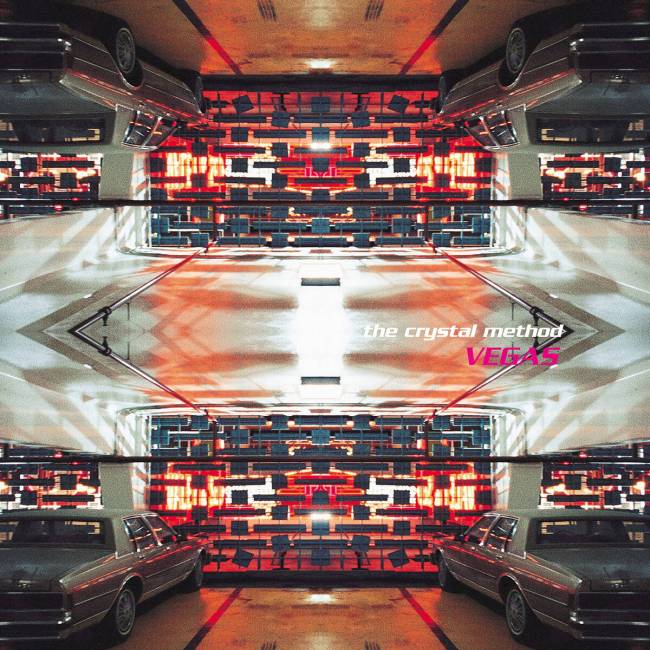

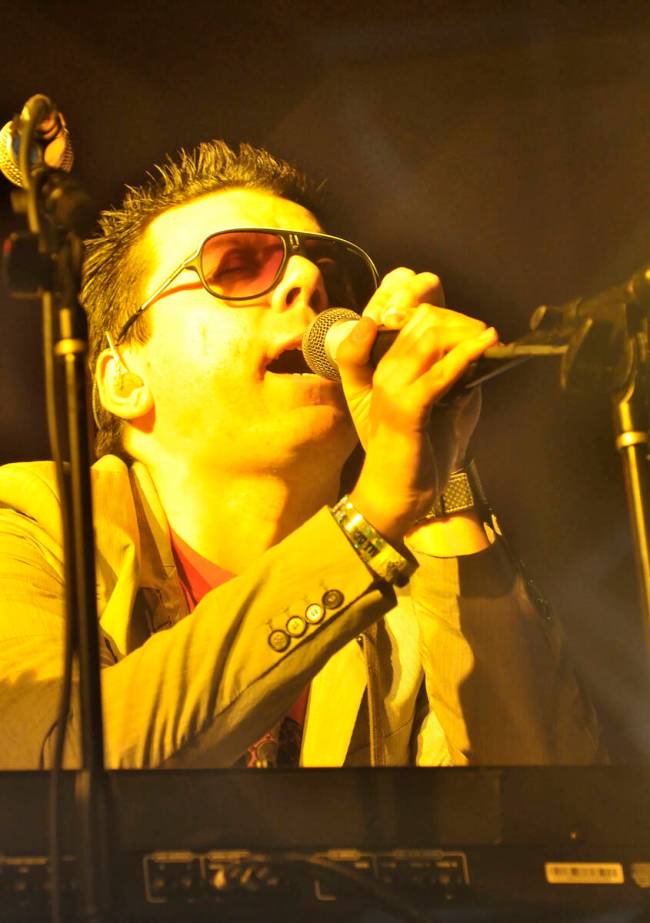
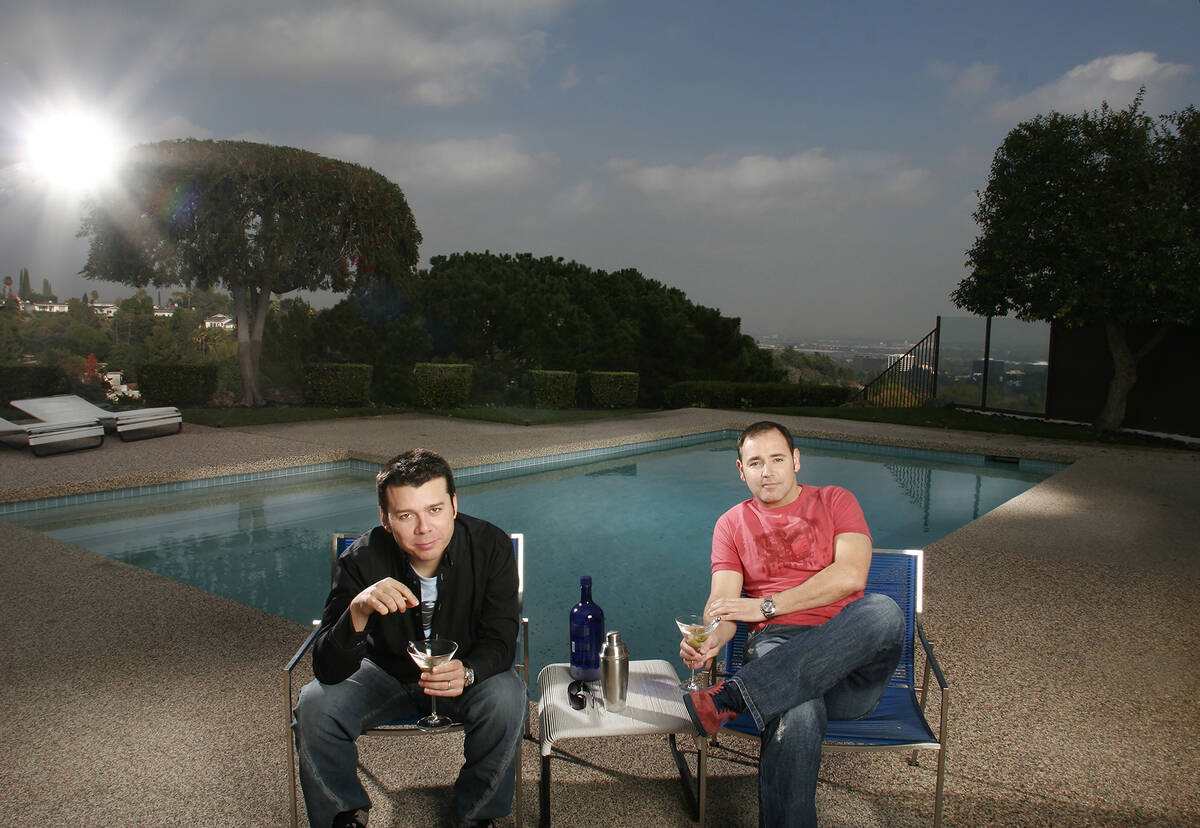

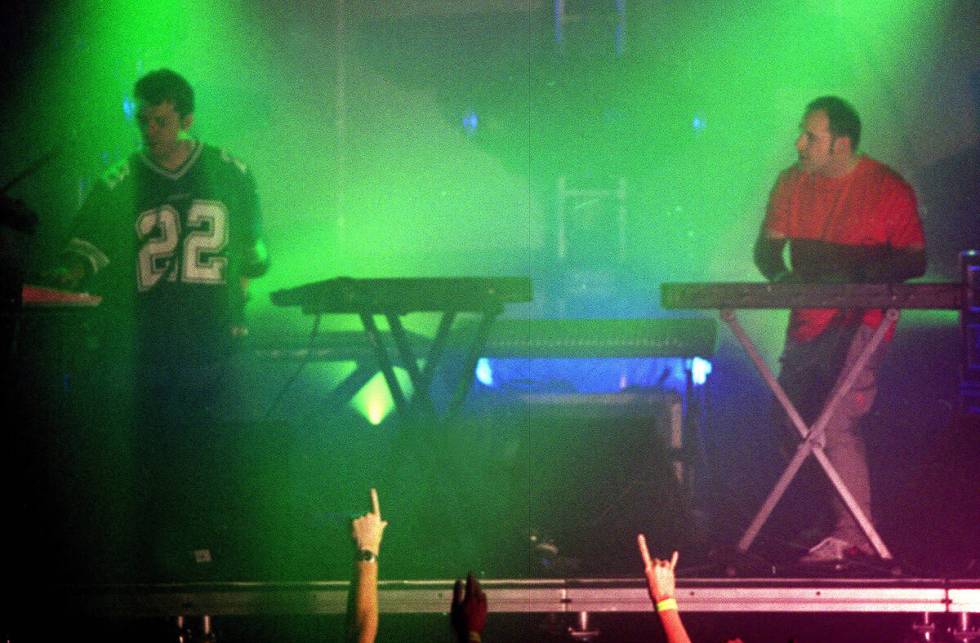


 History of the Breese Ranch
 breakdown of the Oregon Master Naturalist Program
 He went on to say that the other set of classes include the field component, which is what the group did on the Breese Ranch.


