Calling all musical artists! If you plan on creating the sickest beats imaginable, you’re going to need a solid laptop to get the job done. A high-quality processor is absolutely vital for smooth performance, and a decent amount of RAM will allow you to juggle multiple elements simultaneously. Portability is a huge factor too, especially if you fancy yourself a wandering minstrel (aka a wedding DJ or some such). Battery life is also important for those times where you’re unable to get to an outlet and charge up. If you’re not sure about which laptop to pick, don’t worry. We did the heavy lifting for you. Here at PCWorld, we rounded up the best picks for music production. If you’re looking for even more options, check out our best laptops roundup, where you will find an even bigger selection of models at a range of prices and for a variety of needs! Pros Cons If you’re looking for a good all-arounder, the Asus VivoBook Pro 16X OLED is a good bet, as it ticks a lot of boxes. For one, the 4K OLED display is superb. Not only does it produce crisp images, but it’s also a good option for those who suffer from eye strain and tension headaches. If you spend endless hours looking at a screen as you edit and mix tracks, you might as well invest in one with a crystal-clear picture. The VivoBook also packs a serious punch when it comes to processing power. The Ryzen 9 5900HX CPU is plenty fast enough for basic music production needs and everyday use. This laptop is also packing 32GB of memory and a whopping 1TB of PCIe NVMe M.2 SSD storage. That’s plenty for firing up multiple applications and storing audio files. There are a couple drawbacks you should be aware of: The webcam isn’t great (not surprising) and the fingerprint reader can have a mind of its own. Overall, however, the VivoBook Pro is a fantastic machine that any musician or DJ would love. Pros Cons If you’re working with a limited budget, the Acer Swift 3 is a great option. It has an Intel Core i7-11370H with four cores, 16GB of RAM, and a 512GB SSD. That’s a good amount of power and space for most music production tasks. The build quality is solid, the keyboard is comfortable to use, and the display delivers “rich, lifelike color.” The one knock we have against this machine is the battery life. Unfortunately, the laptop died after about five hours. That’s the type of result we’d expect from a gaming laptop, which drains easily due to the power-sucking components. That said, if you don’t mind sticking close to an outlet, than this a good budget buy for most musicians. Pros Cons If you’re an on-the-go musician, the Samsung Galaxy Book2 Pro 360 offers incredible battery life as well as a versatile 2-in-1 design. When we put this laptop through our battery rundown test, it lasted a total of 14 hours. That’s pretty rad, right? In addition to the awesome battery life, you’re also getting a high-contrast 15.6-inch OLED screen and zippy performance thanks to its 12th-gen Intel Core i7-1260P processor. The model we reviewed came equipped with 16GB of RAM and 1TB of SSD storage. That’s plenty sufficient for running multiple applications and working with uncompressed audio files. Although we weren’t super impressed with the keyboard or webcam, we feel the pros far outweigh the cons, especially where performance and battery life are concerned. Pros Cons If you prefer the portability and versatility of a convertible laptop, you may want to pick up the Lenovo Yoga 9i 14. You can prop it up like a painter’s easel or swing the screen around and use the laptop like a tablet. It features 16GB of RAM, 1TB of SSD storage, and strong battery life. You can also expect reliable performance thanks to the 12th-gen Intel Core i7 processor. It has four performance cores and eight efficiency cores. The more cores, the better, especially if you’re working with multi-track songs. The 74 watt-hour battery is also surprisingly large for such a slim machine. It lasted 12 hours during our battery rundown benchmark, which is more than a full work day. The speakers are surprisingly punchy, too. This is important if you’re editing a song and aren’t able to plug into external speakers. While this convertible laptop has a lot to offer, we had a few nitpicks with it. The display’s 16:9 aspect ratio may be a problem, as it makes for a squashed-looking picture. It’s not a deal breaker, but we tend to prefer taller displays. The trackpad is also smaller than we like, which takes time getting used to. The port selection is a bit limited as well. That said, if you don’t mind those small factors, then the Yoga 9i is a fabulous machine worth considering. Pros Cons If you’re looking for a laptop that’s both portable and powerful, the Asus ROG Zephyrus G15 will surely fit the bill. It weighs a little over three pounds, which puts it in the ultraportable category. The AMD Ryzen 9 6900HS processor delivers zippy exceptional. Plus, you’re getting 32GB of DDR5 RAM and 1TB of PCIe 4.0 SSD storage. That’s an epic combination for heavy-duty music production sessions. The keyboard is less-than-stellar, though. It feels a bit soft and the backlighting is nothing to write home about. That said, if you’re in the market for a lightweight laptop that delivers reliable performance, you really can’t go wrong with the Zephyrus G14. The PCWorld team puts each and every Windows laptop through a series of benchmarks that test GPU and CPU performance, battery life, and so on. The idea is to push the laptop to its limits and then compare it against others we’ve tested. Below, you’ll find a breakdown of each test and the reasons why we run them. When it comes to laptops for music production, there are a couple of things to consider. A good processor is absolutely necessary, especially if you do a lot of creating and editing music. For memory and storage, you’ll need a fair amount, as musical artists tend to work with multiple programs and massive files. You’ll also need to take battery life and portability into consideration, as wedding DJs tend to jump from venue to venue. Read on to learn more. Whether you’re recording multiple tracks or editing songs, you’re going to need a fast processor to keep things running smooth. That’s why we recommend springing for an Intel Core i5 or i7 with six to eight cores. A processor with multiple cores will help better divide the workload. For AMD options, go for a Ryzen 5 or 7. If you need additional power, a Ryzen 9 will do you just fine. Music production software usually eats up a lot of power, so you’re going to need at least 16GB of RAM. As for storage, it really depends on the size of your project. For more basic needs, 512GB of SSD storage is suitable. If you’re dealing with uncompressed audio tracks, go for a 1TB SSD, as those files can take up a ton of space. You don’t really need a powerful graphics card for music production. A laptop with integrated graphics is more than sufficient. A machine with discrete graphics is more appropriate for gamers or graphic designers. You’re going to need a wide selection of ports to plug into various amps, microphones, and so on. Variety is key here. You’ll want to look for a laptop that has USB 3.2 Type-C, USB Type-A, Ethernet, and HDMI. If you’re a wedding DJ, you’re probably going to need a laptop that’s light enough to take with you. You’ll want a laptop that weighs three pounds or less. The only drawback is that a slimmer laptop means less room for bigger and more powerful components. Most if not all of the laptops on this roundup produce crisp sound. However, to really hear those mid tones, we’d recommend plugging into external speakers, as laptops aren’t designed to have powerful speakers. (See our roundup of the best budget computer speakers if you want to save some money here.) If you’re unable to plug into external speakers, the laptops with upward-facing speakers tend to be more punchy. A laptop that lasts anywhere from 10 to 12 hours on a single charge is a good baseline, especially if you’re traveling and there’s no outlet in sight. That’s more than a full work day. Note: When you purchase something after clicking links in our articles, we may earn a small commission. Read ouraffiliate link policyfor more details. Ashley is a professional writer and editor with a strong background in tech and pop culture. She has written for high traffic websites such as Polygon, Kotaku, StarWars.com, and Nerdist. In her off time, she enjoys playing video games, reading science fiction novels, and hanging out with her rescue greyhound. Business Laptop Mobile PC Hardware Deals Digital Magazine – Subscribe Manage Subscription Gift Subscription Newsletters
Tiffany A. Washington, Founder & CEO, Transformation7 While corporations spend billions of dollars on partnerships and sponsorships each year, few minority owned businesses are able to secure the same multi-figure contracts readily available to their white-male counterparts. As this reality continues to hinder equitable opportunities for minority entrepreneurs on the rise, Tiffany A. Washington is on a mission to transform this disparity. The former school principal turned televised business and education expert who helps women entrepreneurs create credible brands and land six-figure corporate contracts to accelerate the trajectory of their business. When schools shut down due to the Covid-19 pandemic, Washington turned her attention to creating an online course to aid women entrepreneurs at scale. To do so, she leaned into her area of expertise. As a revered mentor, her digital course, Pitches, Proposals, and Partnerships is teaching women how to ask for what they want. By transferring the skills Washington learned as an educator, she now focuses on providing consultations and curriculums that encourage emerging entrepreneurs to overcome the mental barriers that keep them from securing money-making partnerships. “The number one limiting belief that I hear from women is, ‘who am I to ask for that kind of money?’ and I say the question should be reflected back to them,” said Washington on why women should get clear on the value they possess. Her advice is for women to think confidently about how they position themselves for high-figure partnerships. “When you’re being audacious, you’re thinking about where your value lies and how that value can be packaged in a way that will be meaningful to the people with whom you want to work,” said Washington. “Those mindset shifts include deciding that you are worthy of opening your arms to ask and receive in the first place.” Preparing budding entrepreneurs to receive six-figure deals starts by ensuring that their messaging is right, and their ask is clear. Here, Washington provides an approachable framework that helps individuals and entities amplify their brand, pitch like a pro, and secure lucrative partnerships. Fine-Tune Your Core Message When considering potential partnerships to pitch to, people often think of the monetary value first, without any prior analysis of what they offer, or how best to articulate their brand identity. To rectify this, Washington shares four key questions entrepreneurs should consider:
Knowing your brand also requires continued effort to clearly communicate and demonstrate your market value and core messages across your various platforms. Washington attributes lack of visibility as the number one self-imposed barrier that women need to overcome to be seen, heard, and get paid. “An article I’ve read is that 80% of consultants eliminate themselves from opportunities due to the lack of visible expertise. Thus, 90% of professional service buyers review consultants’ experience online before making their decision. And so what this means is that women who are not visible are counting themselves out before they actually enter the game.” Craft a Compelling Pitch Entrepreneurs should take a formulaic approach when preparing pitch emails for potential partners. Washington believes that you should start out with a value proposition. “When you mention your brand value alignment, you start to talk to that potential partner in terms of how your brand and their brand actually fit together. This helps to paint a picture of how you could possibly work together.” In a succinct email, clearly articulate the reason for getting in contact with the potential partner, and end by asking for the best time to continue the conversation to discuss what was briefly presented at length. Washington advises, “When you end with a question, people tend to remember the last thing you said. That’s why I end with a question because it gives them an opportunity to go ahead and answer the request.” The best way to stand out amongst the countless pitches companies receive is to do your research. Washington recommends researching the organization for information that most may overlook, and then finding creative ways to implement this newly gained insight into your pitch. As for her preferred topics to explore, she shared, “Maybe it might be a press release that came out about something great they are doing in the community, or it may be a recent award that they have won. I try to include those elements inside of my pitch.” Your Proposal Is a Rigorous, But Necessary Process Getting a response from a well-crafted pitch is only the first step. The next, and crucial step is landing the deal with a thoughtful and captivating proposal. Washington emphasizes the importance of setting up a discovery call with the organization. By doing so, you are now better equipped to leverage insights from the conversation to draft a winning proposal. These insights become the hook that will reel partners in as you have now demonstrated your ability to offer a plan and solutions that respond directly to their most pressing needs. It’s also critical that your plan be as detailed as possible by outlining what the client can expect, and what the manifestation of the solution will be. Washington suggests presenting your price by highlighting each line item and segment of the plan. Lastly, customization is key for illustrating the alignment between your offering and the client’s requirements. Washington cautions entrepreneurs from taking a one size fits all approach when drafting proposals, “Each access point to new business is going to require something different from you because each individual company is just that; they are individual decision-makers who have specific needs.” Creating a proposal that seals the deal is a rigorous but necessary process. “A company really wants to know your value and how you can add to the bottom line of their company,” advised Washington. “And the bottom line is not necessarily always about money but can be something that they’re seeking in order for them to feel good about hiring you on.” Learn the Art of Negotiation With a compelling pitch sent and a well-crafted proposal accepted, the next step is negotiation. When you have made it to this stage, it is less about one person having an advantage over the other, but rather coming to a mutual agreement that leaves both parties satisfied. According to Washington, the best way to learn this skill is to study those who do it best, “One of the first things I would start with is watching and learning, by adopting a mentor who will bring you to the negotiating table with them so that you can learn first-hand. This just means that you’re actively watching and understanding how deals are landed.” Next, it’s time to practice what you have learned. This journey will require a bit of trial and error. “Practice negotiating by having the courage to make mistakes,” advised Washington. “On this entrepreneurial journey and the journey of building out your business or your consultancy, you are going to make mistakes. And my best advice is to embrace those mistakes. I love the art of negotiating because it teaches you what not to say or what to more clearly express the next time.” Washington also warned against what she calls, counting other people’s pockets. “That’s one of the biggest lessons that I’ve learned. I used to count other people’s pockets and make guesstimates about what I thought they could afford to pay,” Washington shared. “That’s when I undervalued and undercut myself. I didn’t ask for enough. So, decide that your pricing plan is going to be based on the conversations you had with them inside of your discovery call, and then add on the value that you provide and see what happens from there. Start with what you want and NOT what you think you can get.” Deliver On Your Promise Washington’s framework for securing recurring corporate partnerships follows her Three A System – alignment, agreement, and allegiance. First, you must get into alignment with the brands with whom you would like to partner. This is followed by the agreement stage that includes negotiating the terms of the partnership and signing an official contract with specified deliverables. The final step, allegiance, is delivering on your promise and the result that you said the client can expect by the end of the project. “When you under-promise and overdeliver, I like to think of that as a surprise and delight, things that they weren’t actually expecting that you throw in as a part of their experience with you,” shared Washington. If you want future business with the client, she also advises including a postmortem plan of action to continue the relationship. “When hosting sponsored or partner-driven events, I always provide a postmortem plan of action, which means sharing specific statistics, such as the types of people in attendance (the demographics), and what needs to happen next in order for said partner to maintain a relationship with my core audience. These nuances are critical when distinguishing between corporate partnerships and sponsored opportunities.” Once women learn to successfully navigate the messy parts of early-stage entrepreneurship and start securing contracts, the possibilities will be endless for what they can achieve personally and professionally. “Women in my program find that they can take days off without guilt. They can invest thousands at a time into their retirement plan. They can fund their marketing campaign, or they can use seed money to start a new passion project. They’ve gone on to hire more staff so they can focus on being the talent of their individual organizations. And they’ve also been able to create lasting partnerships, versus one-off gigs.”
Culture The New Yorker and singer-songwriter premieres her new video on NYLON. Simone Alysia’s drive back to New York City from a visit upstate was less than ideal. She spent the drive fighting with her ex-boyfriend in the backseat of a Lexus, passing a note back and forth until she was left frustrated and broken down. The experience not only left the singer-songwriter with a renewed sense of clarity, but it also provided her with many of the lyrics to her latest single, “Promises & Mistakes.” Now, with the arguments and lessons behind her, Simone Alysia’s video for the track, which premieres today on NYLON, is focused on taking back the power often lost in troubled relationships. With its sultry production and hazy vocals that feel beamed in from a dream, “Promises & Mistakes” gets a visual to match from director Morgan Maher. “We decided to focus on what makes us girls feel sexy, comfortable, and fierce,” Simone Alysia says over email. The result is stripped down to the essentials — moody lighting, friends that double as sensual backup dancers, and Alysia’s firm resolve. “It’s interesting to look back on my EP Love & Release, as It was a completely different era of my life. I was stuck in many ways from Covid to relationships, and this EP set me free in a sense,” says Simone Alysia. “To me, it’s kind of like a journal of 2020-2021 poured into five tracks. I’ve learned so much about myself both mentally and musically since the EP, and I’m excited to show the world who I’ve become.” Watch “Promises & Mistakes” below, and read on to learn a bit more about Simone Alysia. What are you up to right now — describe your surroundings. I’m in the backseat of a Lexus — the same seat where my song “Promises & Mistakes” was conceived — on my way back to NYC after being gone for three weeks in Colombia and Brazil. It’s a hot summer day, and I need a beverage. What were you and director Morgan Maher hoping to convey with the video? What was the creative process behind the concept? Morgan and I hoped to convey the feeling of taking back the power in a troubled relationship. After lots of conversations about ex-boyfriends and toxic relationships, we decided to focus on what makes us girls feel sexy, comfortable, and fierce. How did you begin making music? I began making music the second I could sing, I would make up songs and was always humming. I always knew that music was my calling. I started taking music more seriously in high school, when I went to the Professional Performing Arts School for classical vocal, and learned music production at Third Street Music School. I met a bunch of friends who shared my passion for music, and I started developing myself as an artist in various studios alongside them in NYC. I’m currently studying music at NYU at the Clive Davis Institute. BTS photos of “Promises & Mistakes” by Carlotta Kohl Which artists and genres/eras of music inspire you? I’m inspired by a variety of artists, genres, and eras of music, and I’m still currently finding which genre best encapsulates my sound. For this reason, I’m really inspired by FKA Twigs and Pharrell Williams, as they both infuse many different styles to create their own distinct sound. What kind of headspace were you in while writing “Promises & Mistakes?” I wasn’t in a good headspace while writing “Promises & Mistakes.” In fact, many of the lyrics were written by myself and my ex in an argument in the form of a note we passed back and forth on our way back from upstate New York in the backseat of this same car. I was frustrated, broken down, and ready to move on from the vicious cycle we called love. This track is off your EP Love & Release. What’s it like looking back on writing and recording the album? What have you learned since? It’s interesting to look back on my EP Love & Release, as It was a completely different era of my life. To me, it’s kind of like a journal of 2020-2021 poured into five tracks. I’ve learned so much about myself both mentally and musically since the EP, and I’m excited to show the world who I’ve become.
Variety Print Plus Subscriber Variety Print Plus Subscriber Variety Print Plus Subscriber Variety Print Plus Subscriber Variety Print Plus Subscriber
By Jem Aswad Senior Music Editor Seven-time Grammy-winning producer Mark Ronson will give an in-depth master class on music production in a forthcoming BBC Maestro series, demonstrating in detail how he works as a producer, beat maker, musician, songwriter and collaborator. Ronson’s long resume includes classic albums with such legendary artists as Amy Winehouse, Lady Gaga, Adele, Bruno Mars (including the smash “Uptown Funk”), Paul McCartney, Lily Allen, Duran Duran and many others. The series, which launches on July 5, features 18 online lessons — with individual sub-chapters — wherein Ronson educates beginners on how to tackle songwriting, recording, production as well as advice on how to successfully collaborate with other musicians to create genre defying and timeless music. Information on the paid-subscription series is below; check out the trailer:
“I’m doing this so that any young kids curious about producing, or people who are starting out, or just music fans who are wondering if they want to get into it, can see how to produce music,” Ronson tells Variety. “The BBC is almost the reason I have a career in some ways, because of the early support of Radio One and [DJs] Zane Lowe and Giles Peterson, and when I hear ‘BBC’ I go to a very happy place on my brain. So things that I’ve learned about production and miking and techniques that I used to be very possessive of, I’m now less precious about. When somebody hits me on Instagram with a little message like, ‘Hey, I’m a fledgling producer, where do I put the mic around the kick drum when I’m trying to get this sound,’ and if I have a second, I’m always happy to write back, and this is kind of a way of doing that on a bigger scale.” “We’re thrilled to have Mark Ronson’s course on Music Production launching on both sides of the Atlantic on 5th July,” says BBC Maestro Managing Director Michael Levine. “BBC Maestro’s goal is to find the greatest exponents in their field and have them teach their craft and inspire those interested in learning. As part of the course, Mark breaks down some of his biggest hits. ‘Educate Yourself’ is a particularly powerful lesson in his BBC Maestro course, as Mark talks through ‘Back to Black’ in the very studio where he first met Amy Winehouse. We can’t wait to hear the future Grammy and BRIT award-winning songs that will hopefully come from those who take Mark’s course secrets with them into their next production session.” Launched in October 2020, the BBC Maestro platform sees world-class experts share exclusive knowledge and insight into their craft. Ronson’s course launch coincides with the introduction of BBC Maestro’s new all-access subscription service, where users can pay an annual fee for unlimited access to all BBC Maestro courses. ● Mark Ronson’s Music Production Course launches on 5 July 2022 ● Buy now at www.bbcmaestro.com ● The total course length is over 6 hours ● Launches with BBC Maestro’s new all-access subscription service ● The cost of the individual course is £80
A Variety and iHeartRadio Podcast The Business of Entertainment
By switching from Adobe Acrobat to PDFelement, you can allegedly even cut your costs by about 60 percent. It’s regularly $159, but you can sign up for a perpetual license for only $119 for a limited time.
Affinity will be taking a big slice of Adobe creative customers – they already have. It’s good software, very much like Adobe so there isn’t huge learning curve, and from what I can gather, the plug-in’s, etc… for the Adobe products will also work with the Affinity software… https://affinity.serif.com/en-us/photo/
The Wall Street funded reporting is just out there trying to recruit the next batch of greater fools… the ground swell of discontent with their pricing and now subscription based model is real and getting more and more traction… it wasn’t that long ago that Adobe didn’t have to really worry about competition… now that they’ve let the Wall Street greed take over the reins, they will have plenty of competitors…
Joe Resnek is a graduate of Harvard College and Harvard Law School. After passing the bar exam and becoming an attorney, he took a position as a public defender at Greenfield District Court. But now the 33-year-old Chelsea resident is putting his legal career on hold and launching into music in a big way. He has returned to the city and will release his first EP – titled “1” – on June 17. The date of the EP release is by design. “June 17 is also 6/17, which is the area code for Chelsea,” explained Resnek, who also plays guitar and piano on the album. “My EP has seven songs, and the songs are about growing up in Chelsea and coming home and being home again. They’re like love songs to my hometown.” The songs will be available for free on Spotify, YouTube, Apple Music, and other platforms. Resnek said he was inspired to return to his music roots after consulting with his close friend, Lorenzo Recupero. “Lorenzo has been one of my biggest supporters,” said Joe. “He convinced me that my music was good enough to move ahead in it. I set up a studio in the attic and began playing open mic events in Greenfield and surrounding communities. That’s when I really got serious about my music. I then teamed up with a Harvard engineer, Gabe Cederberg, who had started in electronic music production. He guided me away from what I was doing, which was rap music, and helped me branch out to other styles of music.” Soon after, Resnek and Cederberg traveled to Spain, where Resnek set up a music studio and recorded several songs. “I was finally making the music I wanted to make, and I thank Gabe for getting me to where I wanted to be,” said Resnek. Resnek also called upon another Harvard connection. He met with his fellow Harvard Law School alumnus, former Spotify executive Ned Monahan. “Ned suggested that I put my music online and I heeded his advice,” said Resnek. “I quit my job and decided to put my music online. It became clear that this was what needed to be done to pursue the music.” A Winner of His High School Talent Show Joe Resnek is a self-taught musician and singer. He began playing musical instruments after his parents, Carol and Josh, purchased a guitar for him on his tenth birthday. Joe would often perform music with a youth band, and his first show was at Mary O’Malley Park. “There were about three people there,” recalled Resnek, smiling. “[Councillor-at-Large] Leo Robinson got us that gig.” When Joe entered Chelsea High School in the ninth grade, he decided to enter the school talent show. “My only goal going into high school was to win the school talent show,” said Resnek, displaying his trademark wit. “I won it for three straight years playing the guitar and piano. I also had the honor of performing music with Ashley Rodriguez, who became a Top-10 finalist on American Idol and now has a successful professional singing career. Ashley was phenomenal in high school. I was also in a band in high school.” Studying at Harvard Joe took a break from playing music while a student at Harvard College, concentrating entirely on his studies. “I had no time for music other than listening and being motivated and being inspired by music,” recalled Resnek. “But I did spend my summers making music in my mother’s basement.” Resnek graduated with honors from Harvard in 2015 and was accepted to Harvard Law School, receiving his Juris Doctor degree in 2017. During his final year of law school, Joe said he started playing music in the streets around Harvard Square and in downtown Boston. “I started playing the subways, and in the summer of 2017, I made about $10 an hour, mostly performing in Harvard Square, Government Center, and Downtown Crossing. I got a $50 tip and that was one of the greatest moments in my life. I knew that something special in my music was making it through to people.” Promoting his Music Joe Resnek will spend this summer showcasing his music to a wider audience. “I’m going to be promoting my music by playing my music,” said Resnek. “I want to play everywhere and anywhere I can. At this time, I have no gigs scheduled. But I intend to play the subways, at bars, restaurants. I would love to open at the Lynn Auditorium. My goal is to make the best music possible.” And no one will ever underestimate the drive and determination of Joe Resnek, who dreamt of going to Harvard as a child and realized his dream. Now the world of music is beckoning the well-known Chelsea resident and scholar. Your email address will not be published.Required fields are marked *
Lupe Fiasco is one of the most respected MCs in hip-hop and whenever he drops new music, people are bound to tune in. Since last year, Lupe has been teasing an album called Drillmatic, although it was revealed that the name is now DRILL MUSIC IN ZION. The entire project is slated to come out on Friday, June 24th, and to help promote the album, Lupe has delivered the title track from the project. In this new track, Lupe delivers crisp flows and his usual brand of well-thought-out lyrics that contain impressive rhyme schemes. As for the production, we get some drill-style drums all while the instrumentation is lavish and smooth. These elements come together perfectly to create a track that fans are most definitely going to enjoy. Let us know what you think of the brand new track, in the comments down below. Quotable Lyrics: Now there are those that resoluted to wreck Got caught, fought, lost, electrocuted to death Came a little late for the rescue and the flesh DNA exonerates posthumously whatever’s left
or with your email Get the hottest music, news and videos delivered directly to your inbox.
Stay up to date on life and culture in St. Louis. ST. LOUIS — St. Louis University will stop offering a master’s degree in planning and urban development. Sarah Coffin, a SLU associate professor and planning and urban development program director, said SLU was the last area university to offer a master’s degree in planning. “There are no planning programs, period, in the region now that ours is shutting down,” Coffin said. The program launched in 1998, and Coffin teaches many of the courses in the program along with one other instructor, Development Strategies co-founder Bob Lewis. Coffin said the university will maintain a certificate in planning and allow students currently enrolled in the program to complete their degree, which takes three semesters for a full-time student. With dozens of municipalities in the St. Louis region, many of which have their own planning department, there’s a fairly high demand for planners here, Coffin said. That’s on top of developers and other agencies that also tend to hire people with planning degrees, she said. “Area employers are going to have to figure out how to recruit from other programs around the country and convince people to move to St. Louis, which is not always an easy thing to do,” Coffin said. In addition to providing a pipeline for area employers, she said the program also gave students, even those who don’t stay, exposure to St. Louis-centric issues. The Tower Grove Farmers Market was a former student’s capstone project. Other students have been looking at problems in Kinloch as part of a joint class between the planning program and SLU’s law school. She said SLU administrators decided to discontinue the program because of the small number of applicants. Part of the issue, she said, was that it never received accreditation from national planning organizations. About five people enter each year, and three or four graduate, Coffin estimated. Just four students graduated recently, but all secured jobs before they had finished their courses: one by the East-West Gateway Council of Governments, one by Trailnet, and one by St. Louis County. Another is a social studies teacher adding planning to high school curriculum. In a statement, SLU said the decision “was the result of a collaborative, inclusive and evaluative process.” “The decision to close a program with low enrollment is not a reflection of the value of faculty and students in the program,” SLU said. “This program has served our students well, and the University is fully committed to supporting current students in completing their degrees at SLU.” St. Louis Alderman Tina Pihl, who was elected last year and often references her own planning degree, said “every big city” should have a planning program. “I hope they may reconsider how important it is for this city,” Pihl said. “We’re at a pivotal point, too, for this city in terms of looking at economic development and incentives.” Last year, the University of Missouri-St. Louis cut its anthropology department, a doctorate in math and suspended its political science doctorate program. The University of Missouri-Columbia also cut many degrees in 2018. “It’s a symptom of a bigger problem with higher ed, it’s not just SLU,” Coffin said. “These little small programs all around the country are struggling.” Posted at 6:15 p.m. Tuesday, June 14. This 2007 file photo shows Dubourg Hall on the St. Louis University campus. Stay up to date on life and culture in St. Louis. Jacob Barker is a reporter at the Post-Dispatch. 314-340-8291 {{description}} Email notifications are only sent once a day, and only if there are new matching items.
Three parents sued Francis Howell in February, saying they were warned not to mention the name of the parents’ political action committee during meetings.
A former Mizzou fraternity pledge is finally back home — though he is still unable to communicate, walk or even see after a hazing incident last fall.
The commission is tasked with analyzing and suggesting fixes for the state’s teacher shortage.
Catholic schools with the most unfilled jobs are primarily in north St. Louis County.
St. Louis teachers contract includes $10,000 in attendance bonuses paid out through the 2023-2024 school year.
A St. Louis board is expected to vote Friday on $35 million in bonds for a charter school network to refinance and pay down debt.
The district, in a 2020 consent decree, agreed to identify and enroll homeless students, and provide necessary services to ensure they have access to education.
The Wentzville School Board banned a book from its library over sexual content on Thursday. In January, the board banned “The Bluest Eye” but later reversed it. This 2007 file photo shows Dubourg Hall on the St. Louis University campus. Get up-to-the-minute news sent straight to your device.
Today's e-Edition Get Morning Report and other email newsletters
Get Morning Report and other email newsletters Today's e-Edition Trending: The California man arrested near US Supreme Court Justice Brett Kavanaugh‘s home and charged with attempting or threatening to kidnap or murder a US judge said in calls he made to 911 before the arrest that he was thinking of killing himself and needed psychiatric help, according to audio recordings released by the Montgomery County Police Department. Nicholas John Roske, 26, of Simi Valley, California, called 911 twice in the early hours of Wednesday, telling the operator that he had a gun and other weapons in a bag and was having suicidal thoughts. “I need psychiatric help,” he said. Roske was arrested outside of Kavanaugh’s house in Maryland early Wednesday. CNN obtained the 911 dispatch audio on Thursday. Roske’s attorney did not immediately respond to CNN’s request for comment. During the nearly 14-minute phone call, Roske said he had just flown in from California and traveled in a taxi to Kavanaugh’s home address, taking the bag with the gun and other weapons with him. “It’s in a suitcase,” he told the operator when asked about the gun. “It’s a black suitcase. Um, it’s — I’m standing near it but the suitcase is zip-tied shut. … I just came from the airport.” Asked if he had other weapons, Roske said, “There’s pepper spray. There is a knife. There are, there is, um, tools. No other firearms. No explosives, nothing like that.” “And you said you came from California. Do you know someone down here?” the operator asked. “Brett Kavanaugh … the Supreme Court justice,” he said. “OK, and what were you coming to do?” the operator asked. “Just to hurt yourself and him? Or what was going to happen?” “Correct,” Roske replied. He told the operator he had figured out the address from using, in part, an article with a picture of the house and the street number as well as images from protests and the media. The taxi, he said, “dropped me off at his address. I’m just around the corner from it.” Roske said he was going to kill himself because “I didn’t think I could get away with it,” adding that he has been “hospitalized a lot of times.” According to an FBI affidavit filed Wednesday, Roske told law enforcement he had traveled from California to kill “a specific United States Supreme Court Justice.” The affidavit said Roske was upset about the leak of the Supreme Court opinion related to abortion rights, an upcoming gun control case and the school shooting last month in Uvalde, Texas. “Roske indicated that he believed the Justice that he intended to kill would side with Second Amendment decisions that would loosen gun control laws,” the FBI agent wrote. “Roske stated that he began thinking about how to give his life a purpose and decided that he would kill the Supreme Court Justice” after breaking into his home. Roske planned to kill himself as well, the affidavit added.
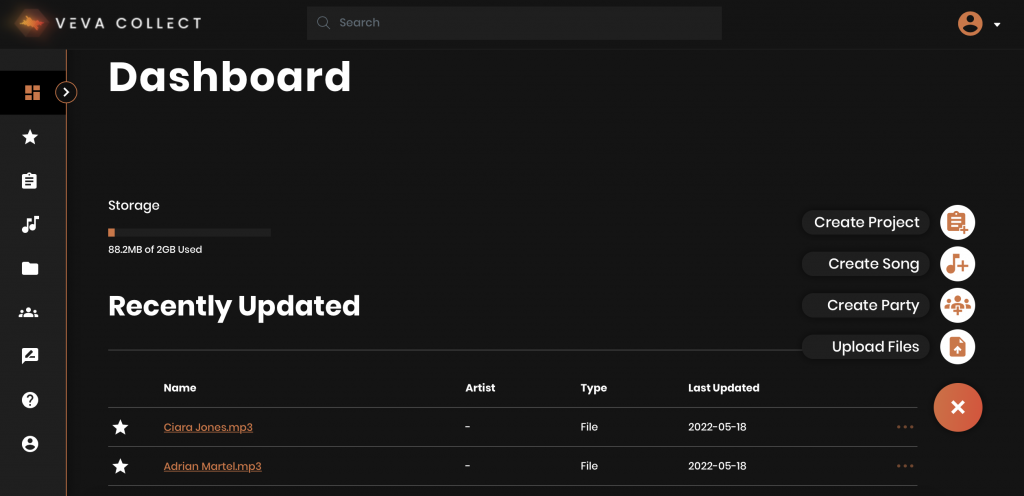
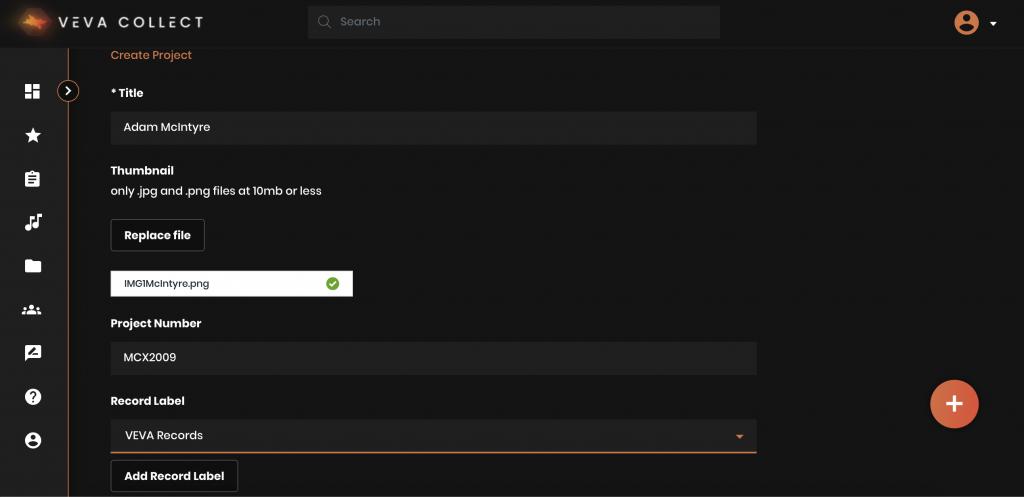
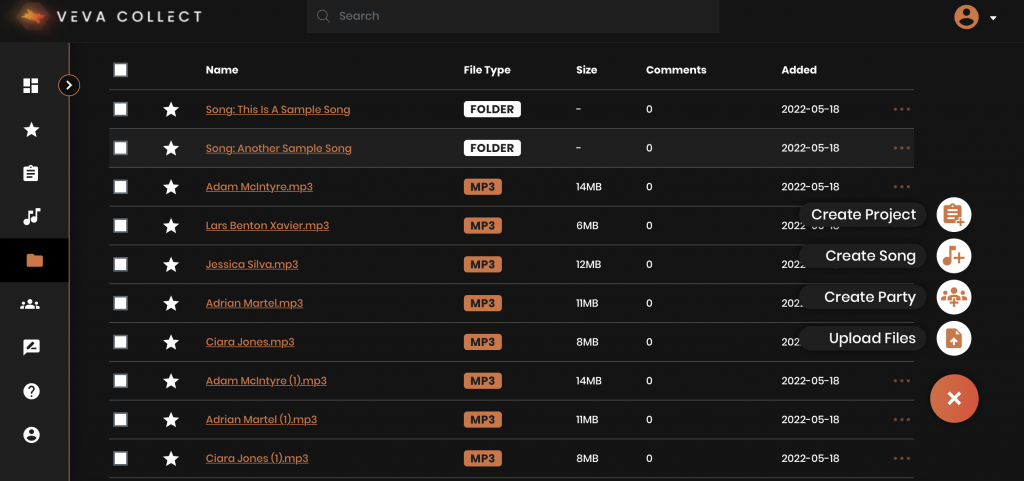
Every music producer, songwriter, artist, or engineer has a need to effectively share, store, and protect tracks. But few platforms are tailored specifically for the complex details surrounding music collaboration. Utilized by top Grammy-winning producers and engineers — with credits like Adele, Ariana Grande, Lady Gaga, Jay-Z and many more — VEVA Collect was created with one goal in mind: to set a new standard for how metadata and music production is handled during the collaborative process. A product of US-based VEVA Sound, VEVA Collect aims to simplify and organize audio production for collaborators with control over session files, credits, and metadata. Just recently, VEVA joined forces with DMN to give artists a closer look at the platform. Artists have increasingly been utilizing the platform’s specialized features for project tracking, safe storage and sharing for files, and mixed and mastered versions — while collaborating in new and improved ways. Recently, VEVA Collect has seen an influx of artists seeking better file management and collaboration, for an accelerated and simplified workflow to track, share, and protect their work. The feedback on this platform is worth noting. “VEVA Collect is incredible,” enthused Willie Linton, sound engineer for Post Malone and Jufu. “I’m mixing an album right now and am running the entire project through this platform. Everything it does to keep my projects organized is invaluable.” Being touted as the world’s first, secure, cloud-based file-sharing and credits platform built exclusively for the music industry, VEVA Collect’s free account facilitates metadata and workflow management with 2GB of storage. Accurate metadata is at the center of VEVA Collect. To uphold this, Veva has partnered with Quansic for free ISNI registration for every VEVA Collect user. For advanced features, artists can elect between paid tiers of Individual User, Pro, or Pro-Unlimited. A fuss-free dashboard mimics a ‘virtual vault’. This dashboard holds everything creators need to manage a new project. Categorization is visually intuitive for enhanced engagement, placing all essentials at the forefront. Recently updated files, tracking favorites, projects and songs—all within a hyper-organized layout. Easy-access side bar without superfluous menus. Easy-to-navigate tabbed menus guide simplified usage and streamlined focus on track workflow. The platform offers advanced organization of a large number of files — core to every single track produced by an artist. The Favorites tab holds Files, Recordings, and Sessions. Drag-and-drop files to add, or browse your PC to upload multiple items simultaneously with fast load times and enhanced sorting options. Create Projects for new songs. Allows tracking of all credits, songs and demos, as well as essential details like title, thumbnails, record label and artist. VEVA Collect also generates a unique project number for reference. Song Tab streamlines the entry of critical metadata. ISWC, relevant titles, date of creation, and lyrics and all easily entered and managed. Users can also utilize the space for notes and descriptions to record directions for relevant collaborators. Files tab for organized project management: Sort and process all multi-tracks, stems, mixes, files and notes—shareable via secure, customizable, tiered permission links. Parties Tab guides collaboration. Define collaborative parties with unique IPI/CAE, publisher details, PRO particulars, and all other affiliation information. The platform also allows sharing of files with select collaborators at specific times, with expirable links to limit access to parties at different stages of production. VEVA Collect’s strategy is to simplify the labor-intensive chores generated by complex music collaborations. The goal is to simplify collaboration with users all over the world by setting a sole online ‘access point.’ NOT your standard ‘Dropbox’. Standard Dropbox-style platforms remain file-centric and limited, while VEVA Collect is created specifically for the music industry’s specific, extensive demands of file storage and sharing management, collaboration, and enhanced security. The platform allows musicians to control every aspect of a project from start to finish, and keep all unreleased and released projects at one reference point. Non-compressed, Hi-Resolution files. Unlike files placed in a traditional Dropbox, artists’ work files are not compressed, resulting in Hi-Resolution files ideal for mixing engineers and label use. Pre-injected Metadata. Fields for lists of performers and other details are pre-injected into the platform to expedite metadata entry. Every single aspect of music production is collected at one access point — lyrics, photos, press releases, videos, and canvases — optimizing how artists have performed within the music industry for decades. Heightened control of high-value files throughout the digital music supply chain. Everything users place on VEVA Collect is DDEX compatible. This offers the ability to build a virtual vault with all multi-tracks, stems, mixes, files and notes —shareable via secure customizable, tiered permission access. Password protection of links and the ability to set expiration dates allows control of who is working on what, when, and where. Incorporation of advanced collaborative features. Artists can structure a warehouse for all files and relevant project details, and create a hub of assets to distribute to relevant collaborators later. This feature allows management of all stems and the ability to stop shares and un-send links at the click of a button. Since users can send files directly from VEVA Collect, they also exert greater control by tracking downloads. Industry-leading security standards match banking-level security. Assets stored on the platform are worth millions of dollars, and require more than just 2-factor authentication. With that in mind, a multitude of privacy options and fool-proof security are tailored to suit the needs of leading artists around the world. The aim is to protect high-value projects and keep collaborations private. All files are shared with AES-256 Encryption to ensure assets are safe until artists are ready to release productions. Users can also stop shares and resend links at the click of a button. By sending files directly from VEVA Collect, project managers can also maintain control by tracking downloads. “Every product we bring to market is built with the highest standards of data security in mind,” said VEVA Sound President Deborah Fairchild. “We are largely in the business of unreleased music, so security is a top priority in every product we build.” Millions of dollars in unpaid royalties have always been the bane of the music industry’s existence, and significant issues originate during the creation process. Multiple income streams require that creators and rights holders record and capture credits at the source, though this task is often overlooked. To ensure intellectual property is credited to the correct people, VEVA Collect’s advanced credit metadata focuses on collecting data while creating tracks. VEVA Collect’s “Collect While You Create” feature could potentially revolutionize how every songwriter, musician, producer, and engineer is accurately credited for intellectual property — and be compensated for their efforts accordingly. “This enables collaboration from a holistic view — not only are the files associated with a project kept in one place, but the who, when, and where of a project too,” Deborah Fairchild continued. “This makes it easier for everyone to get credit and, more importantly, to get paid.” Since VEVA Collect’s launch in 2021, major producers, artists and studios have made use of the platform’s advanced features for exporting metadata directly into systems using the DDEX RIN standard (they also have the ability to select custom exports with Pro). Now, there’s also an influx of indie and DIY artists using the platform to elevate production and collaboration details, while ensuring they receive downstream credits and payments. While that won’t fix the industry’s metadata issues overnight, it’s certainly a step in the right direction.
Jump to navigation Pacific University is open today, Monday, April 11. Please use caution traveling locally and walking near large trees. Read More Pacific University will launch a new online master’s program in nonprofit leadership, with classes beginning in January 2023. Admission is now open for the first class of master’s students. Designed for recent graduates and working professionals, the master of nonprofit leadership is a fully online program that will focus on building skills and relevant experiences in the nonprofit world. Nonprofits are the third largest economic sector in the United States, offering more than 12 million jobs nationwide — and growing, despite a worker shortage. “This inspired and relevant program is needed more than ever to build leadership for the nonprofit profession,” said Director Corky McReynolds. The program offers a generalist degree with a focus on developing a strategy-based culture, community partnerships, fiscal responsibility and innovative programming. Students also can delve into the unique challenges and opportunities in certain sectors of the nonprofit world by choosing an optional concentration in environmental nonprofit leadership or rural nonprofit leadership. Students begin their course of study with a virtual residency, where they will receive mentoring and build networks with emerging and expert nonprofit leaders serving as faculty and advisory council members. Designed for recent graduates and working professionals, the master of nonprofit leadership is a fully online program. Classes will be offered either asynchronously or in real-time in the evening or on Fridays and weekends. Students will put their learning into practice with fieldwork at their current jobs or other real-world settings. Full-time students can earn their master’s degree in just 13 months, while part-time students can choose a two- or three-year track. Pacific University is a comprehensive university offering undergraduate, graduate and professional programs in the arts and sciences, business, education, health professions, and optometry. For information on Pacific’s COVID-19 response, please visit pacificu.edu/coronavirus.
Headphones under $100 offer top-quality sound for a price you can justify. These headphones balance lots of needs and wants into an affordable package. Some prioritize wireless in-ear sound and stay in place while you exercise. Others deliver flat sound signatures that are perfectly primed for the studio. Still others condense high-quality sound into an attractive set of headphones that aren’t so expensive that you’re afraid to carry them around town. While audio equipment is notorious for quickly getting very expensive, you can still land a great pair of headphones for a good price. Read on for a look into some of the best headphones under $100 that will cater to your specific audio needs, and won’t crack the piggy bank. — Best Overall:GRADO SR60x Prestige Series — Best Budget:Sony ZX110 — Best Studio:Sony MDR7506 — Best for Working Out: Jabra Elite 3 — Best Bluetooth:Anker Soundcore If you’ve ever walked into an electronics store you know just how many varieties of headphones populate the world. To create this list, I researched a wide selection of headphone makes from many different manufacturers. I factored my own experience with headphones, from the studio set I use with Ableton Live to my cheaper daily-use pair that I take with me everywhere and ended up including on the list. Along the way I tested others and chatted about favorite headphones with a few audio-invested friends. The criteria I looked for in ranking headphone sets are below: Sound quality is by and large the first factor most people look for in a headphone set. While there is consensus about what makes for good sound quality, there’s little consensus on what a good EQ (equalization) sounds like. To be sure, studio headphones should have a highly balanced profile that renders nuance, depth, detail, and the whole sonic spectrum well, from accurate responsive bass to crisp highs. I (like most audiophiles) would stump that headphone sound quality is precisely thus, but there’s no denying that millions of people buy headphones for super bass boosts or shimmery high EQs that sound great on soprano voices like Taylor Swift’s. Headphones with good sound quality shouldn’t create gravelly bass, pops, fuzz, or muddy tones. For this list I prioritized headphones with generally neutral registers that don’t prioritize bass or highs too much (though some allow you to EQ them otherwise). At the under $100 price point, the best headphones for sound quality usually have a frequency response that covers most of the range between 10 to 24,000 hertz (Hz). However, few headphones deliver that whole spectrum without edging out of the price range. In practice, other factors such as sensitivity also contribute significantly. Connectivity is the talk of the times. While wired connections deliver the best results for high-end studio sound, for most other situations Bluetooth does just as well. On this list I made sure to include some high-end studio headphones that come with long cord connections (one even has a screw-on ¼-inch line jack), as well as a couple options that are wireless. Build, comfort, and in-ear stability are factors that can make or break headphones, especially for the ones meant to be taken around town. I weighed the headphones’ design, how good they feel on ears, and how well in-ear headphones stay in, which is especially important for sports headphones under $100. Special features can become the star of the show. Noise cancelling is an especially important feature, which many folks look for. An included microphone is also a boon for many. I gave special treatment to headphones that include attractive special features and made sure to highlight them in the review. Why They Made The Cut: An excellent choice for just about any audio activity, these over-ear headphones offer great frequency response and a comfortable build at an attractive price. Specs: — Connection: Wired (5 feet, 6 inches) — Ear Placement: On ear, open back — Frequency Response: 18 Hz to 24,000 Hz Pros: — Excellent audio with great detail and a wider than average frequency response — Very comfortable foam pads — Made in USA with one-year warranty Cons: — EQ prioritizes highs — No noise cancellation When I first put on a pair of GRADO SR60x, I was struck by how the headphones have that specific audio gear feel that you catch rummaging through a guitarist’s gig bag. These aren’t your average consumer-grade headphones. They look timeless, like something you’d find in a synth studio from 1996. It turns out that specific audio-gear vibe isn’t spray-on. With a five-foot, six -inch braided cord that connects to both ears, these Brooklyn-made headphones are hand assembled. They’re designed with two small metal posts that affix to a vegan-faux-leather top band. The earphones use a foam ear cover that I at first found texturally off-putting but came to love as I got lost in the music and forgot about the headphones entirely. They’re light, fit well, and the cord is a great length. Overall, the GRADO SR60x are an amazing-sounding set of earphones. Their sound delivery is deeply nuanced, with lots of detail and richness. Their frequency response of 18 Hz to 24,000 Hz belies the one issue these earphones have. While they sound amazing, they do put more emphasis on high register sound such as soprano vocals or flute accompaniments. For reference, the Audio-Technica ATH-M30x (which is an easy competitor for best overall) delivers a frequency response of 15 Hz to 20,000 Hz, which emphasizes lower-end bass. While GRADO is usually touted as a studio grade set of headphones, they also make a wonderful pick for those who value sound quality on the run. Compared to my Sony MDR7506, they are noticeably lightweight with a cord that’s 3.5 feet shorter and far more manageable on the street. However, unlike the Audio-Technica’s, they don’t fold, which could be trouble for those looking to save space. All in all, GRADO is a wonderful choice for anyone looking for a great set of headphones for gaming, podcasting, or music, and they work pretty well as an about-town set for anyone looking for comfortable headphones under $100. Why It Made The Cut: These foldable light on-ear headphones are cheap enough to throw in a day bag but sound good enough to get you lost in the music. Specs: — Connection: Wired (about 3.5 feet) — Ear Placement: On-ear — Frequency Response: 12 Hz to 22,000 Hz Pros: — Amazing sound for the price — Swivel headphones fold for storage and adjust for different head sizes — Very affordable Cons: — Ear cushion covering flakes after a couple years of use These black plastic earphones are little stunners. I have owned and loved a pair of Sony ZX110s for at least four, and possibly seven years — long enough to have forgotten when I got them. Made of plastic with comfy on-ear pads that do a good job of blocking external noise, these headphones use a swivel joint where the phones connect to the band, so that they’re easily packed in a hip pack. The sliding headband adjusts earphone placement, so that they fit comfortably no matter your head size. While they’re plastic, I’ve found them to be basically invulnerable (except for water). I’ve used mine on thousands of trips on the subway, as well as gaming, recording music, and camping. Only after three-plus years of use has the faux leather foam covering begun to flake and peel off and the bass gotten buzzy on the left side. As far as sound, they are fantastically capable for the price. While they’re nowhere near as detailed as my Sony MDR7506 studio headphones, they still sound wonderful. Their frequency response is actually wider than the Audio-Technica ATH-M30x’s (for about a fourth of the price), their bass coverage is appealing and groovy, while they also do a great job with soprano voices, radio, and mids. They might not have the perfect flat signature and wide detail of real studio headphones, but that doesn’t mean they don’t shine. For budget headphones under $100, it doesn’t get much better than the ZX110. If you want something that’s even cheaper, the Sony ZX Series could be worth a try, even if it won’t have quite as much longevity and quality. Why It Made The Cut: With a wide-ranging frequency response, crystal- clear audio, and an extra long cord with a gold plated ⅛-inch plug, this is a highly capable studio monitor that comes at an affordable price. Specs: — Connection: Wired (9.8 feet) — Ear Placement: Over-ear, closed — Frequency Response: 10 Hz to 20,000 Hz Pros: — Amazing sound quality with flat signature — Over ear phones reduce outside sound and surround you — Plug converts for ¼-inch line connections as well as aux Cons: — Bulky for trips around town The Sony MDR7506 is a famous headphone, and that reputation is well deserved. These large diaphragm headphones are widely found in audio production houses, schools, and home studios. I bought a pair when I was getting serious about home recording, and I am still wowed by their sound quality. The MDR7506 is the type of headphone that swallows you in sound. With large over-ear cushions, this is a set that reduces background noise acoustically (without noise-cancelling tech). They fold up nicely, and the long 9.8-foot stretch-cord coils to stay out of your way — unwinding when you step away to grab a capo and re-coiling when you return to the desk. Because of this long cord and the headphone set’s rather heavy build, it’s a set that’s usually best left at home. While I have seen a friend wearing his band’s recording studio’s pair out to the park, I leave mine at home and use my Sony ZX110s when I’m out of the house. (I gave the GRADOs the best overall award because they’re more versatile, but I recommend getting the MDR7506 to leave at home and the ZX110 for out of the house). As far as sound, these headphones are about as close to immaculate as you’ll get at this price point. The sound is flat, detailed, and responsive — thick and rich in the bass, full bodied and spatial in the mids, and crisp and shimmery in the highs. The high- end frequency response isn’t as wide as the GRADO’s, but the delivery still sounds great. All in all, I think the MDR7506 are the best-sounding headphones under $100, only missing the best overall spot because of their weight and unwieldiness for travel. Why It Made The Cut: Smart in-ear speakers that are highly customizable and loaded with all the connectivity you could want, that also stay in your ear in even the most active scenarios. Specs: — Connection: Wireless — Ear Placement: In-ear — Frequency Response: 20 Hz to 20,000 Hz (music mode), 100 Hz to 8,000 Hz (speak mode) Pros: — Multiple audio modes, including hear through and single earbud mode — Controllable EQ modes with strong bass for an earbud — Can be used to take calls Cons: — Not as feature rich as some pricier smart earbuds — App doesn’t save EQ adjustments We live in an era of features and connectivity, and there’s little in the headphone game at the sub-$100 price point that does a better job here than the Jabra Elite 3. These wireless in-ears are great exercise headphones that live firmly in the smart age. The Jabra’s fit snugly in your ears, and sit deep enough that you won’t lose them at the gym. They’re comfortable for hours of use, and have a long battery life that should last you anywhere between 6 to 10 hours per charge. Controlled via a smartphone app, these earbuds are all about features. The app features a number of EQ modes that control bass, treble, and mids. These headphones have a bassy audio profile that’s noticeably clear and nice, even if the headphone’s overall frequency response is somewhat lower than the over-ears on this list. The app also allows you to cycle through some useful modes, including hear through mode and mono (single headphone). While the phones don’t incorporate active noise cancelling, they do a good job with isolation. Along the way, these phones allow you to answer phone calls, and interact with Alexa with voice, giving you vocal control over your digital ecosystem. While the Elite 3 isn’t dedicated to fitness, they’re still the most comfortableheadphones under $100 for mornings at the gym. In the end, it’s their innate versatility that makes them such a good buy. Why It Made The Cut: Chocked full of features, this smart EQ headphone set includes noise canceling, Bluetooth, microphones, and multipoint connections, all while sounding great — with an extra wide frequency response and a battery that lasts up to 40 hours. Specs: — Connection: Wireless or wired (Bluetooth 5, AUX, NFC) — Ear Placement: On-ear — Frequency Response: 16 Hz to 40,000 Hz Pros: — Customizable EQ gets the music sounding right for you — Folds up for storage in travel ready case — Very long battery life with fast charging — Strong noise cancelling with additional modes — Pairs to multiple devices Cons: — Call function doesn’t work as well as advertised — The headphone’s tight fit can become uncomfortable — Cord connection mode ends EQ settings and noise cancellation The Anker Soundcore is easily the most accomplished high-tech headphone set on this list and made a great case for being the best overall. If you’re looking for noise-cancelling headphones under $100, you can do no better than these. But that’s not to say great active noise-cancelling is their only selling point. These Soundcore’s are about as feature packed as a contemporary smartwatch. Connecting to up to two devices at a time on Bluetooth 5, auxiliary cord, and NFC (near field communication), the headphones deliver multiple sound modes, including hear through, indoor, and outdoor. The sound is further tuned with customizable EQs. With 40 hours of battery life for noise-cancelling playtime and up to 60 hours without noise cancelling, the battery is recharged fast, making these a great travel buddy. The headphones also do a wonderful job with reproducing sound quality, delivering a frequency response of 16 Hz to an amazing 40,000 Hz. While most humans can barely perceive anything above 20,000 Hz, these frequencies can occasionally create harmonics that add character. While most users experience these headphones as magic flawless unicorns, they do come with a few issues that could matter to the minority. While they’re advertised as being an excellent choice for those looking to make calls on their headphones, the call function isn’t as strong as I hoped. The aux cord also presents some problems, as the headphones drop noise cancellation and EQ settings when plugged in. It’s an odd feature that can limit their usefulness for people looking to use them for gaming. Lastly, they’re somewhat tight and bulky. If you have a big head, these might not be comfortable for all day use. Still, these are incredible headphones that are very much babies of the age of connectivity. Pick up a pair, and you’ll be amazed you paid as little as you did. Before you buy a new set of headphones make sure you’ve planned well. When you’re looking for some goodheadphones under $100,it’s important to establish what you want from them. Are you looking for around-town headphones you don’t have to worry about? If so, go for a budget pair. If you’re looking for studio-grade headphones to use when you’re making music or recording, look for pro headphones with a flat balanced signature and a wide frequency response. If you’re looking for headphones that link well to your phone and deliver what you need for exercising, then get some in-ears with solid Bluetooth. Every pair of headphones on this list has a different frequency response. That’s because frequency response isn’t the end all be all of good sound. Human hearing varies. Most humans can’t hear much below 20 Hz, and can’t hear much above 20,000 Hz. Many people actually can’t hear much above 18,000 Hz. While a wide frequency response can be important, headphones with less impressive numbers can still sound great. That’s why buying headphones because they go all the way up to 40,000 Hz might not make sense, as even the most perceptive ears will barely be able to discern any signal over 23,000 Hz. Still, this extra tweeter definition can create nuance, and harmonics. Connectivity is more important than ever. As a bit of an audiophile myself, I tend to look for headphones and sound systems with line connections as these produce the most reliable sound quality. However, others will want wireless connections that connect to multiple sources and easily link to your smartphone and watch. This camp’s view is just as valid. Consider whether you’re looking for headphones that are meant for a wireless lifestyle, or if you’d rather buy a pair that’s meant for old-school audio fidelity. You can get cheap headphones under $100, you can get outstandingly durable headphones under $100, and you can also get incredible quality headphones under $100. While many of the best headphones in this price range approach the $100 mark, you can easily spend only $10 or around $20 and get an excellent pair. Headphones get cheap. It’s easy to find headphones for around $10. If you’re looking for truly cheap headphones under $100, consider the Sony ZX Series, which still does an impressive job at not much over $10. In-ear headphones offer unobtrusive wear and easy portability, while over-ear or on-ear headphones usually deliver more immersive sound with better fidelity and a fuller spectrum. Whether in-ear or over-ear is best is entirely up to your preference. One thing to note is that, though all headphones can damage your hearing if worn too long or played too loud, in-ear headphones are more likely to damage your hearing than over-ear phones are. The best headphones under $100 deliver stellar sound quality for a price that’s not too hard to stomach. These headphones come in lots of different styles and achieve different specializations. If you’re after the best studio-grade earphones, I recommend the Sony MDR7506. Mine changed the way I listen to audio at home. If you’re looking to save some money but still score a great pair of headphones to take around town, the Sony ZX110 is an amazingly powerful set for a great price. Bluetooth connectivity lovers will adore the noise-cancelling, futuristic Anker Soundcore, which are packed with features. Finally, those who want an all around great pair of on-ears should check out the lightweight build and wonderful sound of the made-in-Brooklyn, GRADO SR60x. This post was created by a non-news editorial team at Recurrent Media, Futurism’s owner. Futurism may receive a portion of sales on products linked within this post.
Global MIDI Software Market (Pre-Post Covid-19)Size & Forecast Analysis till 2030: Global MIDI Software research report on the MIDI Software market is a product of a brief review and an extensive analysis of the realistic data collected from the GlobalMIDI Software Market 2022. The data was gathered based on MIDI Software manufacturing drifts and services & goods linked demands. Download Free Sample MIDI Software Report PDF @ jcmarketresearch.com/report-details/1408591/sample Due to the rising partnership activities of MIDI Software industry key players over the projected period, North America accounted for the xxx million $ share on the MIDI Software market in 2022 Top MIDI Software Key players included in this Research: NCH Software, FL Studio, Microsoft, Ableton, Audacity, GarageBand, LMMS, Anvil Studio, Sony Creative Software MAGIX Software GmbH, Forte Software, MagicScore, MIDI Software, Avid Technology, Mixcraft, Apple, Cockos Major Types & Applications Present in MIDI Software Market as followed: Market segment by Type, the product can be split into – macOS – Windows – Others Market segment by Application, split into – Professional – Amateur A flawless example of the latest developments and groundbreaking strategic changes allows our clients the opportunity to improve their decision-making skills. Ultimately this helps to work with perfect business solutions and execute innovative implementations. The Global MIDI Software Market 2022-2030 Report highlights the latest trends, growth, new opportunities and latent tricks. [We are currently offering Special Discount on MIDI Software report because of Covid-19 please share you budget so we can help you to deliver our service] In addition to the MIDI Software related statistics, the larger part of the data obtained is presented in graphical form. The global Market Study MIDI Software shows in detail the working of key market players, manufacturers, and distributors. The study also outlines the restrictions and factors influencing the global demand for Global MIDI Software Market. Special Discount on MIDI Software Report Immediate Purchase @ jcmarketresearch.com/report-details/1408591/discount Commonly Asked Questions: The year-over-year growth for 2022 is estimated at XX% and the incremental growth of the market is anticipated to be $xxx million. NCH Software, FL Studio, Microsoft, Ableton, Audacity, GarageBand, LMMS, Anvil Studio, Sony Creative Software MAGIX Software GmbH, Forte Software, MagicScore, MIDI Software, Avid Technology, Mixcraft, Apple, Cockos The demand for strengthening ASW capabilities is one of the major factors driving the MIDI Software market. The North America region will contribute XX% of the MIDI Software market share Check feasibility and Get Customized for MIDI Software Report @: jcmarketresearch.com/report-details/1408591/enquiry This helps to understand the overall market and to recognize the growth opportunities in the global MIDI Software Market. The report also includes a detailed profile and information of all the major MIDI Software market players currently active in the global MIDI Software Market. The companies covered in the report can be evaluated on the basis of their latest developments, financial and business overview, product portfolio, key trends in the MIDI Software market, long-term and short-term business strategies by the companies in order to stay competitive in the MIDI Software market. Regions & Countries Mentioned in The MIDI Software Market Report: • MIDI SoftwareindustryNorth America: United States, Canada, and Mexico. • MIDI SoftwareindustrySouth & Central America: Argentina, Chile, and Brazil. • MIDI SoftwareindustryMiddle East & Africa: Saudi Arabia, UAE, Turkey, Egypt and South Africa. • MIDI SoftwareindustryEurope: UK, France, Italy, Germany, Spain, and Russia. • MIDI SoftwareindustryAsia-Pacific: India, China, Japan, South Korea, Indonesia, Singapore, and Australia. The MIDI Software report analyses various critical constraints, such as item price, production capacity, profit & loss statistics, and global market-influencing transportation & delivery channels. It also includes examining such important elements such as MIDI Software market demands, trends, and product developments, various organizations, and global market effect processes. Buy Full Copy Global MIDI Software Report @ jcmarketresearch.com/checkout/1408591 A methodically organized Market Analysis study MIDI Software is based on the primary and secondary tools. It illustrates the data gathered in a more communicative and descriptive manner encouraging the consumer to develop a well-structured strategy to grow and improve their companies in the expected time. Find more research reports on MIDI Software Industry. By JC Market Research. About Author: JCMR global research and market intelligence consulting organization is uniquely positioned to not only identify growth opportunities but to also empower and inspire you to create visionary growth strategies for futures, enabled by our extraordinary depth and breadth of thought leadership, research, tools, events and experience that assist you for making goals into a reality. Our understanding of the interplay between industry convergence, Mega Trends, technologies and market trends provides our clients with new business models and expansion opportunities. We are focused on identifying the “Accurate Forecast” in every industry we cover so our clients can reap the benefits of being early market entrants and can accomplish their “Goals & Objectives”. Contact Us: https://jcmarketresearch.com/contact-us JC MARKET RESEARCH Mark Baxter (Head of Business Development) Phone: +1 (925) 478-7203 Email: [email protected] Connect with us at – LinkedIn www.jcmarketresearch.com
Sponsored As a newlywed, Kelsey Rush enrolled in the University of North Alabama (UNA) Abroms and Associates Master of Accountancy (MAcc) program to help prepare for her CPA exam. Now the new mom has a Master’s degree and is a Certified Public Accountant (CPA). Here is her story. Sponsored by: Writer, Interviewer + Adventurer | Telling stories to make a difference