The Forbes Advisor editorial team is independent and objective. To help support our reporting work, and to continue our ability to provide this content for free to our readers, we receive payment from the companies that advertise on the Forbes Advisor site. This comes from two main sources. First, we provide paid placements to advertisers to present their offers. The payments we receive for those placements affects how and where advertisers’ offers appear on the site. This site does not include all companies or products available within the market. Second, we also include links to advertisers’ offers in some of our articles. These “affiliate links” may generate income for our site when you click on them. The compensation we receive from advertisers does not influence the recommendations or advice our editorial team provides in our articles or otherwise impact any of the editorial content on Forbes Advisor. While we work hard to provide accurate and up to date information that we think you will find relevant, Forbes Advisor does not and cannot guarantee that any information provided is complete and makes no representations or warranties in connection thereto, nor to the accuracy or applicability thereof. The comparison service on our site is provided by Runpath Regulated Services Limited on a non-advised basis. Forbes Advisor has selected Runpath Regulated Services Limited to compare a wide range of loans in a way designed to be the most helpful to the widest variety of readers. The Forbes Advisor editorial team is independent and objective. To help support our reporting work, and to continue our ability to provide this content for free to our readers, we receive payment from the companies that advertise on the Forbes Advisor site. This comes from two main sources. First, we provide paid placements to advertisers to present their offers. The payments we receive for those placements affects how and where advertisers’ offers appear on the site. This site does not include all companies or products available within the market. Second, we also include links to advertisers’ offers in some of our articles. These “affiliate links” may generate income for our site when you click on them. The compensation we receive from advertisers does not influence the recommendations or advice our editorial team provides in our articles or otherwise impact any of the editorial content on Forbes Advisor. While we work hard to provide accurate and up to date information that we think you will find relevant, Forbes Advisor does not and cannot guarantee that any information provided is complete and makes no representations or warranties in connection thereto, nor to the accuracy or applicability thereof. The comparison service on our site is provided by Runpath Regulated Services Limited on a non-advised basis. Forbes Advisor has selected Runpath Regulated Services Limited to compare a wide range of loans in a way designed to be the most helpful to the widest variety of readers. In 1965, Iain Macleod MP told the House of Commons that Britain was facing the worst of both worlds: “Not just inflation on the one side or stagnation on the other, but both of them together. We have a sort of stagflation situation.” This was probably the first-ever reference to this economic phenomenon. Now, 60 years on, ‘stagnation’ is back in almost daily use in relation to the UK economy. Here’s a closer look at how stagflation affects stocks and shares investments, and what investors can do about it. There is no hard-and-fast definition for what stagflation actually is. But it is generally agreed to exist when challenging slow economic growth coincides with rising prices. Graham Bishop, chief investment officer at Handelsbanken Wealth & Asset Management, says: “Stagflation means different things to different people, but we take it to mean weak or negative economic growth and rising consumer price inflation, to levels above central bank targets.” UK consumer price inflation has risen throughout 2022 and to stand at a 40-year high of 9%, according to the Office for National Statistics (ONS). The Bank of England (BoE) has predicted it could get higher by year end thanks to issues including soaring energy prices, global supply chain problems and the Russian invasion of Ukraine. Meanwhile, the latest gross domestic product (GDP) figures from the ONS – a measure of how the economy is performing – show that it shrank by 0.3% in April 2022, its second decline in two months. The combination of high inflation and a stalling economic recovery suggests that the UK is deep in stagflation territory. Financial professionals such as Julien Lafargue, chief market strategist at Barclays Private Bank, are in no doubt: “We would argue that the stagflation scenario is already well incorporated in markets.” A healthy, growing economy provides the government with more revenue to spend on public services such as the NHS and transport or, if it chooses, to cut direct taxes. A period of stagflation is considered dangerous because a challenging economic environment results in decreased spending power. Throw in high inflation and the overall effect applies extra pressure to the economy as consumers’ money loses value over time. Featured Partner Offer 1 eToro Cryptocurrencies Available For Trade 60+ Fees (Maker/Taker) 1%/1% 1 eToro David Morrison, senior market analyst at Trade Nation, says stagflation is bad for investors: “Prices rise, while wages fail to keep up. Consumers cut back on spending. Corporate profits fall and jobs are cut. Government costs rise, while tax receipts decrease. Borrowing costs increase and a recession follows. Can it be avoided? It can probably be postponed, but recessions are an inevitable part of the economic cycle.” Max Rofagha, CEO & founder of Finimize, says: “The last time we were faced with stagflation was 1973 when energy prices were also sky high and when an oil embargo led to an economic recession and significant stock market correction.” Poppy Fox, investment manager at Quilter Cheviot, warns: “Rising prices and weaker economic output is not a good scenario for most people, including retail investors.” Kasim Zafar, chief investment strategist at EQ Investors, says stagflation is one of the most challenging environments for any investor. “Low or falling economic activity levels are a revenue headwind for most industries, while high or rising inflation increases costs. Hence, profit margins face a double whammy.” Ms Fox says: “Stagflation presents a danger for equities. Inflation and weaker demand have all the makings for a potential reduction in corporate profit margins which hits the share prices of those companies. Negative sentiment on the outlook for equities can weigh on markets and thus share prices.” So what can stock market investors do to protect themselves financially? Handelsbanken’s Graham Bishop suggests investors have constructive options: “The art is finding sectors and styles that don’t lose too much from slowing economic growth and can gain from higher inflation and yields. Assuming commodities are driving this stagflation, and assuming your view is for more of the same, then you could look to commodity plays, defensive sectors such as healthcare and value-style tilts, for example, utilities and telecommunications.” Alice Haine, personal finance analyst at Bestinvest, also cites defensive sectors: “They generally cope better during a period of stagflation because they are made up of companies whose products and services are considered essential. Or their business models are linked to long-term contracts or government order books, such as infrastructure investments and defence companies. “People still need to buy food, pay their utility bills and look after their health whether inflation is high or not, so investing in consumer staples, utilities, and healthcare can make sense when an economy slows.” EQ Investors’ Kasim Zafar agrees that the consumer staples sector is a good one to consider. “Equity investors should focus on higher quality businesses that sell goods and services that are considered staple items by both consumer and business customers.” Zafar says staples range from toothpaste to critical software subscriptions and licences: “Although customers may trade down from one brand to another, depending on their level of disposable income, it is unlikely they will stop buying such products and services.” In addition to focusing on particular sectors, it’s important to bear in mind that investing in the stock market should be regarded as a long-term exercise, at least five years and preferably longer. Bestinvest’s Alice Haine says: “The best strategy for investors right now is a long-term approach, one where they drip feed money into a diversified portfolio at regular intervals, such as monthly or quarterly. “While the temptation during periods of uncertainty might be to sell up and move into cash, the key here is to focus on time in the market rather than timing the market. Market falls are to be expected during your investment journey.” Ms Fox says: “While inflation is high you can always tilt your portfolio to investments that are likely to benefit from rising prices. This could be energy firms or those businesses with strong pricing advantage who can more often than not pass on any increase in costs to the consumer.” However, Fox adds that investors need to remember that markets are forward-looking and that much of the present inflationary environment is already baked into the share prices of firms. “While it is beneficial to identify companies and funds that could do well in the current environment, these may not be the winners in six to 12 months’ time,” she warns. Annabel Brodie-Smith, of the Association of Investment Companies, says: “In these tough conditions, it’s important investors have a diversified portfolio, take a long-term view and if in doubt they should talk to a financial adviser. Featured Partner Offer 1 eToro Cryptocurrencies Available For Trade 60+ Fees (Maker/Taker) 1%/1% 1 eToro Associate Editor at Forbes Advisor UK, Andrew Michael is a multiple award-winning financial journalist and editor with a special interest in investment and the stock market. His work has appeared in numerous titles including the Financial Times, The Times, the Mail on Sunday and Shares magazine. Find him on Twitter @moneyandmedia.
| Source: Eloro Resources Ltd.Eloro Resources Ltd. Toronto, Ontario, CANADA TORONTO, June 14, 2022 (GLOBE NEWSWIRE) — Eloro Resources Ltd. (TSX-V: ELO; OTCQX: ELRRF; FSE: P2QM) (“Eloro”, or the “Company”) is pleased to announce assay results from an additional two (2) diamond drill holes from its on-going drilling program at the Iska Iska silver-tin polymetallic project in the Potosi Department, southern Bolivia. Hole DSBS-02 is a surface hole drilled due north at -300 from the south side of Santa Barbara across the higher-grade likely feeder zone. Hole DPC-09 is the first in a series of drill holes to test the extensive magnetic susceptibility anomaly in the Porco area in the southern part of the property. Four drills including three surface drills and one underground drill are focussed on completing drilling in the Santa Barbara Resource Definition Drilling Area. The underground drill is on its last hole and will be moved to surface to complete drill holes requested by Micon International Limited (“Micon”) to better define the preliminary open pit to be utilized for the maiden mineral resource estimate targeted for completion at the end of Q3. Overall, the Company has completed 59,499m in 95 drill holes to-date, including four holes in progress, as shown in Figure 1. Tables 1 and 2 list significant assay results for the two drill holes reported. Prices used for calculating Ag equivalent grades are as outlined in Eloro’s February 1, 2022, press release. Table 3 summarizes drill holes with assays pending. Highlights are as follows: Santa Barbara Mineral Resource Definition Target Area – Surface Drilling Hole DSBS-02 was collared in the south part of the Santa Barbara target at an azimuth of 00 and dip of -300 to test across the likely higher grade feeder zone for the Santa Barbara Ag-Sn polymetallic mineralization. This hole was drilled to a length of 1,023.4m, corresponding to a vertical depth of 745m, with 67% of the hole containing reportable intersections which collectively average 100.42 g Ag eq/t. Significant results are as follows: Dr. Bill Pearson, P.Geo. Eloro’s Executive Vice President, Exploration commented: “Grade shell modelling in Leapfrog of the Santa Barbara Deposit by the Iska Iska geological team indicates that drilling has defined a higher-grade zone >90 g Ag eq/t that extends approximately 750m along strike, is 650m wide and extends to a depth of at least 750m. The deposit is open in all directions. Figure 2 shows the Santa Barbara deposit model relative to the extensive 3D inverse magnetic susceptibility model, demonstrating the remarkable scale of this enormous mineralized system.” Dr. Pearson continued: “Figure 3 is a 3D model combining the inverse magnetic susceptibility model and the bore hole induced polarization (“BHIP”) chargeability and conductivity data that clearly shows how this new hole DSBS-02 intersected significant mineralization in an area of an extensive chargeability anomaly coincident with a magnetic high. In the lower part of this hole conductivity increases substantially and indicates that this hole stopped just short of a likely area of massive sulphide mineralization. The coincidence of the magnetic inverse model with the chargeability/conductivity model provides a powerful tool to outline very prospective drill targets. BHIP surveys to a depth of almost 1,000m show that the conductivity increases with depth at Santa Barbara, indicating that the potential feeder zone could be even more substantive.” Dr. Chris Hale, P.Geo., Chief Geophysicist for Eloro said: “Geophysical targeting is very useful at Iska Iska because the mineralization often occurs in association with pyrrhotite, a mineral that affects both the electrical and magnetic properties of the host rock. BHIP helps to correlate mineralization between the holes because it samples a much larger volume around the borehole than each assay does. BHIP provides two electrical measures of the quantity of mineralization; chargeability that measures the amount of disseminated mineralization and conductivity that shows when the strength of mineralization reaches the point of “connectivity”, resulting in a conductive deposit. This explains the strong spatial correlation between the grade of mineralization and the chargeable volume around DSBS-02. We do not yet have BHIP surveys under DPC-09 but this hole was targeted to test a peak in the magnetic susceptibility that was modelled using surface magnetic data. The excellent spatial coincidence between the mineralized intersection and the peak in magnetic susceptibility gives us confidence that we will also likely intersect mineralization when we drill the larger magnetic susceptibility zone that is modelled deeper and farther to the south.” Porco Area – Magnetic Inverse Anomaly – Surface Drilling Hole DPC-09 is the first of a series of holes to test the major inverse magnetic susceptibility anomaly in the Porco area, as outlined in Eloro’s March 1, 2022 press release. This hole intersected 41 reportable mineralized intersections, representing 29% of this 1,124.4m long hole that collectively averaged 94.73 g Ag eq/t. Highlights include: As shown in Figure 4, this hole intersected a very extensive inverse magnetic susceptibility anomaly which, at elevation 3,400m, extends for approximately 1.6km along strike by 700m wide with a vertical extent of approximately 750m. The 3,400m elevation is approximately 100m above the valley floor. Significantly, the last reportable intersection near the bottom of the hole is higher in Ag and Sn with very low values of Zn and Pb. This is typical of what is seen in the Santa Barbara area in the transition from the Ag-Zn-Pb-Sn polymetallic mineralization to the more tin dominant mineralization at depth. Table 1: Significant Results, Surface Diamond Drilling, Santa Barbara Resource Definition Target Area as at June 14, 2022. Note: True width of the mineralization is not known at the present time, but based on the current understanding of the relationship between drill orientation/inclination and the mineralization within the breccia pipes and the host rocks such as sandstones and dacites, it is estimated that true width ranges between 70% and 90% of the down hole interval length but this will be confirmed by further drilling and geological modelling. Chemical symbols: Ag= silver, Au = gold, Zn = zinc, Pb = lead, Cu = copper, Sn = tin, Bi = bismuth, Cd = cadmium and g Ag eq/t = grams silver equivalent per tonne. Quantities are given in percent (%) for Zn, Pb Cu, Sn, Bi and Cd and in grams per tonne (g/t) for Ag, Au and Ag eq. Metal prices and conversion factors used for calculation of g Ag eq/t (grams Ag per grams x metal ratio) are as follows (Prices updated as of February 1, 2022, to more accurately reflect current metal prices): In calculating the intersections reported in this press release a sample cutoff of 30 g Ag eq/t was used with generally a maximum dilution of 3 continuous samples below cutoff included within a mineralized section unless more dilution is justified geologically. The equivalent grade calculations are based on the stated metal prices and are provided for comparative purposes only, due to the polymetallic nature of the deposit. Metallurgical tests are in progress by Blue Coast Ltd. to establish levels of recovery for each element reported but currently the potential recovery for each element has not yet been established. While there is no assurance that all or any of the reported concentrations of metals will be recoverable, Bolivia has a long history of successfully mining and processing similar polymetallic deposits which is well documented in the landmark volume “Yacimientos Metaliferos de Bolivia” by Dr. Osvaldo R. Arce Burgoa, P.Geo. Table 2: Significant Results, Surface Diamond Drilling, Porco Area – Magnetic Inverse Anomaly as at June 14, 2022. See Note Table 1. Photos accompanying this announcement are available at https://www.globenewswire.com/NewsRoom/AttachmentNg/b00bb012-0067-4bf2-b22f-fe3d2b787bae https://www.globenewswire.com/NewsRoom/AttachmentNg/bf108382-d9d3-4d2a-a052-5cacf022835c https://www.globenewswire.com/NewsRoom/AttachmentNg/61ed7775-0c9b-4f46-af99-6dc6844faf39 https://www.globenewswire.com/NewsRoom/AttachmentNg/b2b16fed-ec98-42ea-958c-26f66b8625a9 Table 3: Summary of Diamond Drill Holes Completed with Assays Pending and Drill Holes in Progress at Iska Iska from June 14, 2022 press release. S = Surface UG=Underground; collar coordinates in metres; azimuth and dip in degrees. Total drilling completed since the start of the program on September 13, 2020 to December 17, 2021 is 40,468 m in 73 holes (26 underground holes and 47 surface holes). From re-start of drilling on January 17, 2022, an additional 19,031m have been completed bringing the overall total to 59,499 m in 95 drill holes (31 underground drill holes and 64 surface drill holes) including 4 holes in progress.
Qualified Person Dr. Osvaldo Arce, P. Geo., General Manager of Eloro’s Bolivian subsidiary, Minera Tupiza S.R.L., and a Qualified Person in the context of NI 43-101, has reviewed and approved the technical content of this news release. Dr. Bill Pearson, P.Geo., Executive Vice President Exploration Eloro, and who has more than 45 years of worldwide mining exploration experience, including extensive work in South America, manages the overall technical program, working closely with Dr. Osvaldo Arce, P.Geo. Dr. Quinton Hennigh, P.Geo., Senior Technical Advisor to Eloro and Independent Technical Advisor, Mr. Charley Murahwi P. Geo., FAusIMM of Micon are regularly consulted on technical aspects of the project. The magnetic survey was carried out by MES Geophysics using a GEM Systems GSM-19W Overhauser magnetometer. Dr. Chris Hale, P.Geo. and Mr. John Gilliatt, P.Geo. of Intelligent Exploration provided the survey design, preparation of the maps and interpretation from data processed and quality reviewed by Rob McKeown, P. Geo. of MES Geophysics. Messrs. Hale, Gilliatt and McKeown are Qualified Persons as defined under NI 43-101. Mr. Joe Mihelcic, P.Eng., P.Geo., of Clearview Geophysics, a QP under NI 43-101, completed the 3D magnetic inversion model in consultation with Dr. Hale and Mr. Gilliatt. The Borehole IP surveys are being carried out by MES Geophysics under the supervision of Dr. Hale and Mr. Gilliatt. Eloro is utilizing both ALS and AHK for drill core analysis, both of whom are major international accredited laboratories. Drill samples sent to ALS are prepared in both ALS Bolivia Ltda’s preparation facility in Oruro, Bolivia and the preparation facility operated by AHK in Tupiza with pulps sent to the main ALS Global laboratory in Lima for analysis. More recently Eloro has had ALS send pulps to their laboratory at Galway in Ireland. Eloro employs an industry standard QA/QC program with standards, blanks and duplicates inserted into each batch of samples analyzed with selected check samples sent to a separate accredited laboratory. Drill core samples sent to AHK Laboratories are prepared in a preparation facility installed and managed by AHK in Tupiza with pulps sent to the AHK laboratory in Lima, Peru. Au and Sn analysis on these samples is done by ALS Bolivia Ltda in Lima. Check samples between ALS and AHK are regularly done as a QA/QC check. AHK is following the same analytical protocols used as with ALS and with the same QA/QC protocols. Turnaround time continues to improve, as laboratories return to more normal staffing levels. About Iska Iska Iska Iska silver-tin polymetallic project is a road accessible, royalty-free property, wholly controlled by the Title Holder, Empresa Minera Villegas S.R.L. and is located 48 km north of Tupiza city, in the Sud Chichas Province of the Department of Potosi in southern Bolivia. Eloro has an option to earn a 99% interest in Iska Iska. Iska Iska is a major silver-tin polymetallic porphyry-epithermal complex associated with a Miocene possibly collapsed/resurgent caldera, emplaced on Ordovician age rocks with major breccia pipes, dacitic domes and hydrothermal breccias. The caldera is 1.6km by 1.8km in dimension with a vertical extent of at least 1km. Mineralization age is similar to Cerro Rico de Potosí and other major deposits such as San Vicente, Chorolque, Tasna and Tatasi located in the same geological trend. Eloro began underground diamond drilling from the Huayra Kasa underground workings at Iska Iska on September 13, 2020. On November 18, 2020, Eloro announced the discovery of a significant breccia pipe with extensive silver polymetallic mineralization just east of the Huayra Kasa underground workings and a high-grade gold-bismuth zone in the underground workings. On November 24, 2020, Eloro announced the discovery of the SBBP approximately 150m southwest of the Huayra Kasa underground workings. Subsequently, on January 26, 2021, Eloro announced significant results from the first drilling at the SBBP including the discovery hole DHK-15 which returned 129.60 g Ag eq/t over 257.5m (29.53g Ag/t, 0.078g Au/t, 1.45%Zn, 0.59%Pb, 0.080%Cu, 0.056%Sn, 0.0022%In and 0.0064% Bi from 0.0m to 257.5m. Subsequent drilling has confirmed significant values of Ag-Sn polymetallic mineralization in the SBBP and the adjacent CBP. A substantive mineralized envelope which is open along strike and down-dip extends around both major breccia pipes. Continuous channel sampling of the Santa Barbara Adit located to the east of SBBP returned 442 g Ag eq/t (164.96 g Ag/t, 0.46%Sn, 3.46% Pb and 0.14% Cu) over 166m including 1,092 g Ag eq/t (446 g Ag/t, 9.03% Pb and 1.16% Sn) over 56.19m. The west end of the adit intersects the end of the SBBP. Since the initial discovery hole, Eloro has released a number of significant drill results in the SBBP and the surrounding mineralized envelope which along with geophysical data has defined a target zone 1400m along strike, 500m wide and that extends to a depth of 600m. This zone is open along strike to the northwest and southeast as well as to the southwest. The Company’s nearer term objective is to outline a maiden NI 43-101 compliant mineral resource within this large target area. This work is advancing well with the mineral resource targeted to be completed in Q3 2022. Exploration drilling is also planned on other major targets in the Iska Iska Caldera Complex, including the Porco and Mina 2 areas. About Eloro Resources Ltd. Eloro is an exploration and mine development company with a portfolio of gold and base-metal properties in Bolivia, Peru and Quebec. Eloro has an option to acquire a 99% interest in the highly prospective Iska Iska Property, which can be classified as a polymetallic epithermal-porphyry complex, a significant mineral deposit type in the Potosi Department, in southern Bolivia. A recent NI 43-101 Technical Report on Iska Iska, which was completed by Micon International Limited, is available on Eloro’s website and under its filings on SEDAR. Iska Iska is a road-accessible, royalty-free property. Eloro also owns an 82% interest in the La Victoria Gold/Silver Project, located in the North-Central Mineral Belt of Peru some 50 km south of Barrick’s Lagunas Norte Gold Mine and Pan American Silver’s La Arena Gold Mine. La Victoria consists of eight mining concessions and eight mining claims encompassing approximately 89 square kilometres. La Victoria has good infrastructure with access to road, water and electricity and is located at an altitude that ranges from 3,150 m to 4,400 m above sea level. For further information please contact either Thomas G. Larsen, Chairman and CEO or Jorge Estepa, Vice-President at (416) 868-9168. Information in this news release may contain forward-looking information. Statements containing forward-looking information express, as at the date of this news release, the Company’s plans, estimates, forecasts, projections, expectations, or beliefs as to future events or results and are believed to be reasonable based on information currently available to the Company. There can be no assurance that forward-looking statements will prove to be accurate. Actual results and future events could differ materially from those anticipated in such statements. Readers should not place undue reliance on forward-looking information. Neither the TSXV nor its Regulation Services Provider (as that term is defined in the policies of the TSXV) accepts responsibility for the adequacy or accuracy of this release.
Music Promoter Software Market study by “marketreports.info” provides details about the market dynamics affecting the market, Market scope, Market segmentation and overlays shadow upon the leading market players highlighting the favorable competitive landscape by top major Prism, Muzeek, PromoterOps, Gigwell, Beatswitch, Eventbrite, Sonicbids, Soundcharts, Bandsintown and trends prevailing over the years. The research report provides deep insights into the global market revenue, parent market trends, macro-economic indicators, and governing factors, along with market attractiveness per market segment. The report provides an overview of the growth rate of the Music Promoter Software market during the forecast period, i.e., 2022–2030. Most importantly, the report further identifies the qualitative impact of various market factors on market segments and geographies. The research segments the market to offer more clarity regarding the industry, the report takes a closer look at the current status of various factors including but not limited to supply chain management, niche markets, distribution channel, trade, supply, and demand and production capability across different countries. The Music Promoter Software report profiles the key players in the industry, along with a detailed analysis of their individual positions against the global landscape. The study conducts SWOT analysis to evaluate strengths and weaknesses of the key players Prism, Muzeek, PromoterOps, Gigwell, Beatswitch, Eventbrite, Sonicbids, Soundcharts, Bandsintown in the Music Promoter Software market. The researcher provides an extensive analysis of the Music Promoter Software market size, share, trends, overall earnings, gross revenue, and profit margin to accurately draw a forecast and provide expert insights to investors to keep them updated with the trends in the market. Get Sample Report of Music Promoter Software Market Report @ marketreports.info/sample/49233/Music-Promoter-Software (*If you have any special requirements, please let us know and we will offer you the report as you want.) Competitive scenario: The Music Promoter Software study assesses factors such as segmentation, description, and applications of Music Promoter Software industries. It derives accurate insights to give a holistic view of the dynamic features of the business, including shares, profit generation, thereby directing focus on the critical aspects of the business. The final report will add the analysis of the Impact of Covid-19 in this Music Promoter Software report Market. Adapting to the recent novel COVID-19 pandemic, the impact of the COVID-19 pandemic on the global Music Promoter Software Market is included in the present report. The influence of the novel coronavirus pandemic on the growth of the Music Promoter Software Market is analyzed and depicted in the report. Some of the companies competing in the Music Promoter Software Market are Prism, Muzeek, PromoterOps, Gigwell, Beatswitch, Eventbrite, Sonicbids, Soundcharts, Bandsintown By TypeCloud-basedWeb-basedBy ApplicationLarge EnterprisesSMEs Segmentation The Music Promoter Software Market has been segmented on the basis of different aspects. The market is also segmented according to region. The Music Promoter Software Market has been segmented into Latin America, North America, Asia Pacific, Europe, and the Middle East & Africa on the basis of region Get Exclusive Discount @ marketreports.info/discount/49233/Music-Promoter-Software Research Methodology The Music Promoter Software report has its roots definitely set in thorough strategies provided by the proficient data analysts. The research methodology involves the collection of information by analysts only to have them studied and filtered thoroughly in an attempt to provide significant predictions about the market over the review period. The Music Promoter Software research process further includes interviews with leading market influencers, which makes the primary research relevant and practical. The secondary method gives a direct peek into the demand and supply connection specifically into Music Promoter Software market. The Music Promoter Software market methodologies adopted in the report offer precise data analysis and provides a tour of the entire market. Both primary and secondary approaches to data collection have been used. In addition to these, publicly available sources such as SEC filings, annual reports, and white papers have been used by data analysts for an insightful understanding of the Music Promoter Software market. The research methodology clearly reflects an intent to extract a comprehensive view of the market by having it analyzed against many parameters. The valued inputs enhance the Music Promoter Software report and offer an edge over the peers. Drivers & Constraints The Music Promoter Software Market rests united with the incidence of leading top Prism, Muzeek, PromoterOps, Gigwell, Beatswitch, Eventbrite, Sonicbids, Soundcharts, Bandsintown players who keep funding to the market’s growth significantly every year. The report studies the value, volume trends, and the pricing structure of the market so that it could predict maximum growth in the future. Besides, various suppressed growth factors, restraints, and opportunities are also estimated for the advanced study and suggestions of the market over the assessment period. Music Promoter Software Market Segmented by Region/Country: North America, Europe, Asia Pacific, Middle East & Africa, and Central & South America Interested in purchasing this full in-depth Music Promoter Software Report? Click here for instant purchase@ marketreports.info/checkout?buynow=49233/Music-Promoter-Software Thanks for reading this release; you can also customize this report to get select chapters or region-wise coverage with regions such as Asia, North America, and Europe. About Us Marketreports.info is a global market research and consulting service provider specialized in offering wide range of business solutions to their clients including market research reports, primary and secondary research, demand forecasting services, focus group analysis and other services. We understand that how data is important in today’s competitive environment and thus, we have collaborated with industry’s leading research providers who works continuously to meet the ever-growing demand for market research reports throughout the year. Contact Us: Carl Allison (Head of Business Development) Tiensestraat 32/0302,3000 Leuven, Belgium. Market Reports phone: +44 141 628 5998 Email: [email protected] Website: www.marketreports.info
One of Tuttle’s slides from her “Car Master Plan”.
“We can’t plan for a future without looking at where we are now. And where we are now is in a city of cars.” — Cathy Tuttle, PhD The city of Portland ostensibly wants people to start driving cars a lot less, and fast. The Portland Bureau of Transportation’s Bicycle Plan for 2030, finalized in 2010, conceived of a future in which 25% of all trips around Portland were done by bicycle. With 8 years to go to reach this goal, we haven’t been doing very well. Could part of the problem be that we’re making master plans for the wrong things? In a recent Friday Transportation Seminar presentation hosted by Portland State University’s Transportation Research and Education Center, longtime urban planner and local bicycling advocate Cathy Tuttle, PhD spoke about the importance of a “Car Master Plan”: a.k.a., a plan for making cities less car-oriented that actually focuses on the subject in question: the cars themselves, and the people who drive them. Tuttle said American cities, including Portland, have a plethora of master plans for things like walking, biking, transit and freight, and all of them are written in response to cars. Advertisement
Nicky Romero’s Perceptions at the Academy:House/underground artist Nicky Romero has just released his Perception EP, which features the singles “Pressure” and “Lose My Mind.” He’s celebrating with a tour which includes this LA date. A press release states that the EP also features “two brand new tracks – ‘Hear Me Now’ and ‘Work My Body.’ All present more house/underground vibe, compared to Nicky‘s signature style, and he played all four back in March during his main stage set at Ultra Music Festival. Nicky‘s future dates incl. World Club Dome (Frankfurt, Germany), Academy (Los Angeles, CA on June 18), Wet Republic (Las Vegas, NV), Escapade Festival (Ottawa, ON), Ultra Europe (Split, Croatia), Tomorrowland (Boom, Belgium), and many more. Please find more below, and I hope you’ll be interested in this new package from Nick.” Nicky Romero’s Perceptions at the Academy: The event takes place at 10 p.m. on Saturday, June 18 at the Academy LA.
Press bio: “- NickyRomero had his breakthrough moments with the viral anthem “Toulouse” and “I Could Be the One” with Avicii. – He founded Protocol Recordings in 2012; the label is turning 10 this year. –NickyRomero‘s past releases include “Afterglow” with GATTÜSO, “Why Do I Call” and “Nights With You” on Universal Music, “I Need You To Know” with Armin van Buuren, “Destiny” with Deniz Koyu, “Falling” with Timmy Trumpet, “Everybody Clap” withDimitri Vegas & Like Mike, “Ups & Downs” withW&W, “Sometimes” withDallasK&XYLØ, “Ring The Alarm” withDavid Guetta, “Distance” withOlivia Holt, “Be Somebody” withSteve AokiandKiiara; remixes for Afrojack, Armin van Buuren, David Guetta, Martin Garrix,Jess Glynne,Kygo,Rita Ora, to name a few. – His own Kickstart and Kickstart 2 VST plugins are one of the most sought after and highly downloaded production tools of all time, used by the likes of Timbaland, Hardwell, David Guetta, Coldplay, Martin Garrix, and more. – The “Another World” 3D live stream concept in summer 2020 broke barriers in the burgeoning world of immersive livestreams, and the launch of his side-project Monocule in the same year ushered in a new chapter for the NickyRomero sound. –His radioshow“Protocol Radio”receives over40M listenersevery week acrossover 100FM radio stations worldwide – As a producer he produced for a wide range of notable pop artists, i.e. “Rihanna – Right Now”, “David Guetta – Bang My Head ft. Sia, Fetty Wap”, “Britney Spears – It Should Be Easy” among others.”
Must-read local business coverage that exposes the trends, connects the dots and contextualizes the impact to Buffalo’s economy. The Buffalo Niagara job market showed some early signs that it was losing steam last month. This week, we’ll learn more about whether the spike in gas prices and the broader jump in consumer prices is continuing to take a toll on hiring when the State Labor Department releases its monthly employment data for May on Thursday afternoon. The local job market had been off to a solid start in 2022, with solid gains in hiring during the first three months, only to endure a modest reversal during April. The May numbers will indicate whether that slump was just a blip or a sign that the inflationary surge is having an impact on the consumer demand that has propelled the economy throughout the recession. The News’ Buffalo Next team covers the changing Buffalo Niagara economy. Get the news in your inbox 5 days a week. Financial Institutions, the corporate parent of Five Star Bank, holds its annual shareholders meeting at 10 a.m. on Tuesday, in a virtual-only format. Capital Connect NY will host a free “Juneteenth Business Networking Event,” from 4:30 to 6:30 p.m. Wednesday at the Innovation Center, at 640 Ellicott St. Capital Connect is a coalition of four Community Development Financial Institutions serving the region: Launch NY, PathStone Enterprise Center, Pursuit and the Westminster Economic Development Institute. The National Labor Relations Board is scheduled to count ballots on Thursday for a union election at a Starbucks at 3015 Niagara Falls Blvd., at East Robinson Road, in Amherst. 1199SEIU United Healthcare Workers East members will hold informational pickets this week at five local nursing homes: on Wednesday at Fiddler’s Green Manor Home in Springville and on Thursday at four McGuire Group facilities (Autumn View in Hamburg, Garden Gate in Cheektowaga, Northgate in North Tonawanda and Seneca Health Care Center in West Seneca). The union is currently negotiating new contracts at the five facilities – all owned by for-profit entities – and is seeking a $15 minimum wage for service workers and better staffing levels. The Salvation Army Buffalo Area Services is asking the Buffalo Planning Board on Monday for an environmental review and approval for the previously announced $86 million redevelopment of its Main Street campus, dubbed Hope on Main. Plans call for demolition of four of the existing buildings on the 2.9-acre campus at 954, 960, 970, 984 and 1000 Main, to be replaced by a three-story emergency shelter with 32 units and 80 beds; a seven-story apartment building with 147 affordable studio, one- and two-bedroom apartments; and 16 two-story townhouses. The main building at 960 Main will remain intact for administrative and programmatic use, with 11,000 square feet of office and support space, plus 59 new parking spaces. Construction will last three years. Also at Monday’s meeting, Community Services for Every1 wants the board to subdivide St. John Kanty Roman Catholic Church at 101 Swinburne St. from the Lyceum building – which the nonprofit agency acquired from the church for an affordable housing conversion project – and then combine it with 10 adjacent vacant lots into a new 1.5-acre property at 97 Swinburne. The Apartments at the Lyceum project was already approved by the city. Also on the Planning Board’s agenda for consideration: This newsletter from The Buffalo News will bring you the latest coverage on the changing Buffalo Niagara economy – from real estate to health care to startups. Read more at BuffaloNext.com. Recent news tied to Buffalo Niagara’s economy Food vendor looks to ‘change the game’ at HarborCenter, local hospitals. Newbury Salads is taking over the Healthy Scratch space at Harborcenter and opening kiosks at local hospitals. Why Tops decided to rebuild the Jefferson Avenue store, rather than replace it. Simply put: Renovating was faster and much less expensive. Plus, the neighborhood can’t wait. DRC Development of Lockport plans to construct a new 36,000-square-foot warehouse addition for Edwards Vacuum, to store and distribute its products. Uniland Development Co. would like to construct a 150,000-square-foot industrial warehouse on Military Road in Niagara County, aimed at bringing in a Canadian firm whose U.S. operation would relocate from nearby Wheatfield. A $12 million project that has already brought six storefronts and 18 apartments to 19 West Main St. in Lancaster, with much more to come as part of a three-phased development, is only part of a revitalization occurring in the Village of Lancaster’s central business district. To help upgrade its aging network of power lines and natural gas pipelines across portions of upstate, New York State Electric & Gas has proposed rate hikes that would add about $15 to $18 a month to the average residential customers’ bills, starting next year. State officials say the $225 million – $185 million from the state, with $41 from philanthropies and $9 million from the City of Buffalo – will follow a planned, step-by-step approach that began several years ago for money to spent on the Buffalo’s East Side. Leaders of World Central Kitchen are trying to gauge what the community needs from their organization, including how long it should stay, weeks after first coming to Buffalo to assist following the mass shooting at Tops on Jefferson Avenue. Four of the 22 large-scale renewable energy projects across the state will be in Western New York, according to Gov. Kathy Hochul, who announced plans for powering more than 620,000 homes for at least 20 years. A Cheektowaga-based stainless steel pipe maker wants to expand its Walden Avenue warehouse in Lancaster as part of a $7.65 million project and is asking the town’s industrial development agency for tax breaks to help pay for it. Longtime president and CEO of the United Way of Buffalo & Erie County Michael Weiner will retire at the end of 2022, after 13 years in the post and a 48-year career in health and human services in Western New York. After a series of recent mass shootings, including one at the Tops on Jefferson Avenue, a coalition of business groups in the state, including the Buffalo Niagara Partnership, is chiming in on the issue, calling for Congress to reinstate an assault weapons ban. Facing default on the $237 million loan it owes on the Walden Galleria property, mall owner Pyramid Management Group has reached an agreement on a three-year extension with its lenders. Buffalo Next reporters Jonathan D. Epstein, Jon Harris, Natalie Brophy, Matt Glynn, Janet Gramza and Mike Petro contributed to this roundup. Five reads from Buffalo Next: 1. A gush of money for the East Side: State officials say the $225 million – $185 million from the state, with $41 from philanthropies and $9 million from the City of Buffalo – will follow a planned, step-by-step approach that began several years ago. Those on the giving and receiving ends point to signs the public funds will be well spent. 2.43North aiming to attract high-growth companies to the region: Sam Eder moved to Buffalo from Austin, Texas, in January after his company Big Wheelbarrow won the 43North startup contest. Stipulating winning companies set up shop in Buffalo for at least a year is an important aspect of 43North’s mission. 3.WNY health care providers grappling with another shortage. This one affects some CT scans: A shortage of image contrasting dye, which is used in some CT scans, is posing a challenge, but health care providers are coming up with alternatives. 4.Big Wheelbarrow CEO settles into Buffalo after 43North victory: Sam Eder’s company was a prize winner in last year’s startup competition, and he’s now getting familiar with his new surroundings. 5.Rachel’s Mediterranean grill expands beyond Buffalo home: Rachel’s has made it big in Western New York, and the family-owned business is now trying to expand the concept down the Thruway in New York and in larger markets such as Fort Worth, Texas. The Buffalo Next team gives you the big picture on the region’s economic revitalization. Email tips to[email protected]or reach Buffalo Next Editor David Robinson at716-849-4435. Email tips to [email protected]. Must-read local business coverage that exposes the trends, connects the dots and contextualizes the impact to Buffalo’s economy.
See who is buying and selling properties in Erie County.
John Persons, president of Tops, said at a news conference Wednesday for the Taste of Buffalo that the store does not have a firm reopening date.
A bill passed the State Legislature last week that would prohibit New York’s retail pet stores from selling dogs, cats and rabbits, seeking to stop the flow of puppies that could be coming from puppy mills. The legislation would still allow retail pet stores to showcase animals available for adoption from shelters and other entities.
Revitalization efforts have been strengthened over the past decade by a concerted effort to fill many of the once-vacant storefronts and make facade improvements on Central Avenue and West Main Street, the main corridor of the business district.
Ciminelli Real Estate Corp., the Buffalo-based developer that renovated the former Buffalo Meter Co. building into 87 apartments a decade ago, has filed paperwork with the State Attorney General’s office to convert the rental units at 2917 Main St. into condominiums. Dana Pellicano is taking over Delaware North’s restaurant and catering business at a time of big change.
Paul Tsouflidis is finalizing an agreement to open Newbury Salads at LECOM Harborcenter in the space previously occupied by the Healthy Scratch, while also adding kiosks and “smart shelves and fridges” in a number of locations in and around Buffalo General Medical Center.
Two Western New York nonprofit organizations that have partnered on past initiatives are joining forces – a combination that will look to leverage a network of community-based groups and health data to take a bite out of this area’s health inequities.
Kaleida Health could add more than 400 full-time employees in a plan that will soon be submitted to the state Health Department. That plan could be built on even more in ongoing labor negotiations between Kaleida and two labor unions.
The crisis has led to a broad, high-profile push to increase wages for home care workers in New York, and, in the process, elevate the visibility of an industry that allows millions of people to avoid nursing homes and age with dignity. Get up-to-the-minute news sent straight to your device.
If you’re a composer who’s also passionate about video games, why not compose game music? These tips will give you a head start. If you know a bit about music theory, or you are familiar with music production, then you can start making video game music today. The only problem is, where to begin? It's not always easy to find helpful advice on how to compose video game music, so we've rounded up our top tips. From connecting with game developers to writing better loops, we've got some great advice for you to try out. The musical style of video games varies widely, so the best way to prepare for this is to get yourself a good sample library. Some libraries contain hundreds, if not thousands of virtual instruments, giving you the ultimate palette of sounds. If you're looking for a free sound library, the internet will produce many results, such as BandLab Sounds or Samples From Mars. Our advice would be to stick with a reputable music technology website for recommendations. Logic Pro X for Mac is another option for those who are interested in this massively popular DAW as it already comes with a huge 72GB sound library. Of course, it's hard to go wrong with a paid option like the EastWest sample libraries. Many veterans of the music industry use this software, but it's also accessible if you're just starting out. Through its subscription service, you can access a colossal 42,000+ virtual instruments. It can be easy to forget that a game isn't just about the music. Sound effects are just as important in the gameplay and good composers will make room for them. In Zero Dawn Horizon, for example, the battle sound effects are vital to helping a player respond to the action. In the scenes above you can hear short and sharp sounds of arrows flying, but also low-mid frequency thuds from the weapon hits. In response, the music keeps it simple with just a few instruments: a high drum rhythm, long drone sounds, and occasionally small flute melodies. The music is tense to reflect the fight scene, but it cleverly doesn't mask the sound of enemy movements or of key attacks. If you want to practice writing music underneath sound design, turn off the music in the settings of your favorite game and record a video of the gameplay. Use it to practice writing your own original soundtrack alongside the game SFX. When composing game music, it isn't always your goal to write catchy melodies like you would in a pop song. If you took the melody from your favorite song on the radio and put it in a game, it will likely drive you insane. That's because, in a game, players can sometimes go through the same section countless times trying to get past a difficult part. Listening to old video game music will help you figure out how to write a loop that isn't annoying. The original Crash Bandicoot is a perfect example. Most people will tell you that the music is great, but who can actually hum a single tune? Instead of aiming for catchy hit melodies, the music in Crash Bandicoot continues to be interesting because it changes musical keys and switches to different instruments. Once you have some music that sounds interesting but won't drive you crazy, the next step is to create a seamless loop using a DAW. Take your loop and listen to it on repeat to check that it works well in the background. Many people automatically think of synthesizers or virtual instruments when it comes to video game music, but recording real instruments can work amazingly well too. If you're not convinced, just have a listen to the iconic soundtrack of the game The Last of Us. The soundtrack is quite minimalist, mainly centered around an acoustic guitar. Even though it's a horror game, the game makers chose to write something that was beautiful and atmospheric. You won't find large orchestral music here, nor will you hear intense action themes that are common in shooting games. You can do a lot by just recording a live instrument, and if you can't get to a studio, there are plenty of DIY hacks to improve your home studio. If you can play an instrument, then make use of it to write music for video games. One of the main similarities between video game music and film scoring is the need to take people on an emotional journey. Even though there are times you need to let the SFX shine, the goal is still to make people feel something for the character, story, or world-building. In the 8-bit style video game called Celeste, the goal is to help your character reach the top of the mountain while at the same time overcoming her anxiety. The soundtrack stands out because it mirrors the struggles and celebrations of your character as she climbs higher and higher. In fact, the music is such a feature of the game, that you can even collect B-Side Tape items that unlock different tunes. If you're looking to get started, or you just need some inspiration, remember that good video game music starts with being a fan of video games. Play your favorite games, but also try out games that you don't normally play. It's a fantastic way to hear different types of game music that you don't normally listen to. Game music is also just a fantastic genre to listen to in general. There are even plenty of video game music radio websites that are perfect for having on in the background while you study or relax. Use this to your advantage to learn different ways of composing video game soundtracks. Feeling confident about writing music for video games? Then take the next step and start talking to game developers. Lucrative AAA game companies are looking for people who have plenty of experience, so one of the best ways to develop your skills is to join an online forum like the IndieDev community on Reddit. Here, you will find people from all over the globe working on small hobby projects as well as dedicated releases. It's a great chance to ask questions of game developers or find your way onto a startup project. Practice makes perfect and working on an indie game is a great place to begin. If you want to compose video game music, then these tips will help get you started. The wide variety of styles of music and tools you can use means that there is room for lots of different people to give it a go. If in doubt, jump onto a game developer forum, and soon you'll find yourself immersed in the world of video game music. Garling loves exploring creative uses for technology. With a background in music, she spent many years hacking computers to make weird and wonderful sounds. When not making music, she writes about the best DIY electronic projects. Join our newsletter for tech tips, reviews, free ebooks, and exclusive deals!
Media The Global Music Production Software Market report offers the industry’s demand and supply proportions, as well as the share analysis. Regions, applications, vendors, and applications are all classified and anticipated in the market. Micro and macroeconomic information, parent market movements, governing factors, and sector attractiveness are all part of the research. A variety of demand factors have a substantial influence on various consumer groups and areas, and this is also investigated. The need of being aware of pricing patterns, find possibilities and analyze competitor performance is emphasized in this study. Significant trends in the global market for Music Production Software are also examined in this study. Key Players in the Music Production Software market: Avid Technology FL Studio PreSonus Audio Electronics Ableton Steinberg Media Technologies Magix Cakewalk Adobe Propellerhead Software Apple NCH Software Cockos Acon Digital Request a sample report : https://www.orbisresearch.com/contacts/request-sample/6469400?utm_source=R0h10ID14 Apart from the acceptance rate, the global Music Production Software industry analysis shows the total amount of technical progress accomplished in recent years. In addition, the market analysis considers a wide range of significant technological advances as well as development rates. The study also assesses industry leaders’ product portfolios, corporate profiles, and growth goals in order to provide support and aid them in making better decisions. The Music Production Software Study also looks at the global economy, industry conditions and causes, penetration obstacles and risks, manufacturers, distribution networks, hazards and opportunities, and Porter’s Five Forces analysis. Similarly, the article under Music Production Software dives more into both the pricing structure and the production process. Music Production Software Market Types: Editing Mixing Recording Music Production Software Market Applications: Artists Musicians Entertainment Educatio Industry trends, marketing networks, and recent and projected demand situations were all examined in the Music Production Software research report. The study divides the Music Production Software market into four categories: commodity category, end-user, and region. Similarly, the Music Production Software industry’s business environment offers a thorough systemic analysis of suppliers’ performance and organization, including financial data, geographic and segmental sales splits, and so on. The Music Production Software market report is based on SWOT analysis, primary and secondary research techniques, and other research procedures. The leading service providers on the global market are also investigated in the Music Production Software study. The Music Production Software study report additionally includes a venture return analysis, a complete SWOT analysis, and a predicted attainability analysis. The Music Production Software research explains the whole dynamic of the industry, including market dynamics, opportunities, and risks that occur in the global market, to help in the selection of the Music Production Software industry. The study report’s competitive landscape section includes the number of prominent manufacturers in the Music Production Software market. It also includes information on the methods and partnerships used by major industry players to resist rising competition. Do Inquiry before Accessing Report at:https://www.orbisresearch.com/contacts/enquiry-before-buying/6469400?utm_source=R0h10ID14 About Us: Orbis Research (orbisresearch.com) is a single point aid for all your market research requirements. We have a vast database of reports from leading publishers and authors across the globe. We specialize in delivering customized reports as per the requirements of our clients. We have complete information about our publishers and hence are sure about the accuracy of the industries and verticals of their specialization. This helps our clients to map their needs and we produce the perfect required market research study for our clients. Contact Us: Hector Costello Senior Manager – Client Engagements 4144N Central Expressway, Suite 600, Dallas, Texas – 75204, U.S.A. Phone No.: USA: +1 (972)-362-8199 | IND: +91 895 659 5155 Email ID: [email protected]
Your email address will not be published.Required fields are marked *
By Stephen Nellis (Reuters) – Adobe Inc on Tuesday said it has reworked several of its tools for creating three-dimensional content to make them work well on Apple Inc computers that use the iPhone maker's proprietary "M" series chips. Adobe has long been a major player providing software in creative fields like photography, graphic design and film. But Adobe has been working to build out more tools for making the three-dimensional worlds and objects used in video games and, increasingly, the so-called metaverse, where companies like Meta Platforms Inc are hoping to use augmented reality technology to overlay digital content on the real world. Adobe acquired software tools called Substance 3D in 2019 when it bought French firm Allegorithmic for an undisclosed sum. The tool helps the makers of movies like "Frozen 2" and games imbue the digital objects they create with a wide array of lifelike textures, like wood or leather. Adobe said that it has reworked the software so that it will run on Apple's proprietary chips, a move that is likely to help Apple gain some ground of its own. While Apple's laptops and desktop are widely used in some creative fields like music production, game developers tend to still rely on PCs that can be paired with power graphics chips from Nvidia Corp that help graphics look more realistic. But Apple's new chips have added new graphics processing power, and Adobe plans to take full advantage of it in the new software, said Francois Cottin, senior director of marketing at Adobe. "For these kinds of use cases, vertical integration is really key, from the app all the way to the chip," Cottin said. "We've been working very closely with Apple on future-looking use cases. I think Substance 3D definitely represent that." Adobe also said Tuesday that it had signed up new customers for its three-dimensional content creation tools, including German fashion brand Hugo Boss and outdoor footwear brand Salomon Group. (Reporting by Stephen Nellis in San Francisco; Editing by Christopher Cushing) The chairman and portfolio manager of Davis Advisors stresses the importance of long-term investing and buying “durable, growing businesses at value prices.” Buying a smartphone in 2022 can be complicated, but we found the best of the best to get right now. Apple (AAPL), along with developer partner Rune Labs, has recently received clearance from FDA to use Apple Watch to monitor tremors and other common symptoms in patients with Parkinson's disease. A Great Falls woman who admitted to embezzling more than $600,000 from a local construction company has been sentenced to 2½ years in prison. Adobe is expanding its analytics platform to include new tools for tracking how consumers interact with brands, objects, and experiences in the virtual world. Kenneth Andrew Williams will serve time in prison after being arrested in 2016 while serving as assistant principal at Northwestern High School, and must register as a sex offender. We love handy gadgets that make life a breeze. So if there’s a tool that can knock a few steps out of the way, then we figured you’d want to know. This latest kitchen find eliminates mess along with fewer trips to the garbage can. Navaris’ Hanging Kitchen Waste Bins at Amazon are so convenient for collecting waste from the counter. […] Adobe's (ADBE) fiscal Q2 results are likely to reflect gains from strength across the Digital Media and Digital Experience businesses amid the geopolitical tensions. You have a few more hours to save over $120 on an 18-piece set. Apple chief executive Tim Cook has heaped encouragement and praise on Chinese software developers' contribution to the US technology giant's global ecosystem, according to mainland media reports on Tuesday, amid rising geopolitical tensions and supply chain disruptions on the mainland. "Chinese developers have always been at the cutting edge, and I think that will continue to grow," Cook told Chinese tech media Shaoshupai on the sidelines of Apple's Worldwide Developers Conference (WWDC) last we Bitcoin price remained well bid above $20,000, Ethereum’s ETH spiked towards $1,050, and LINK seems to be forming a crucial bullish pattern. Elon Musk recently told executives to pause hiring and that a 10% workforce reduction was coming, but later said total headcount would actually rise. The new chain cannot use McDonald’s logos, showing how much control the fast-food company has over the new outlets. Do you hear that? Out in the distance, you can hear thousands of angry fanboys continuing to fight online in the endlessly sad console war. The latest battle involves Metal Gear and Death Stranding creator Hideo Kojima and his independent studio deciding to do business with Microsoft and work on an Xbox-exclusive game. This, to some, is high treason. And seemingly in response to those angry fans (as well as to genuinely curious onlookers), Kojima Productions has issued a statement reassuring peo The Lithuania-based firm, which counts General Catalyst and Novator among its backers and is valued at $1.6 billion, said on Tuesday that it doesn’t maintain any logs of its customers' data, strings of information that New Delhi will soon require VPN providers to share. The new rules go into effect June 27. Earlier this month, the company began rescinding job offers via a mass email to employment candidates. The remote-work war is raging on. New research finds that workers refuse to be at their office desks five days a week, even if required to do so. Arnold Schwarzenegger’s company is being sued for over $1 million after his son was involved in a nasty car accident. According to legal documents, obtained by The Blast, the former governor’s son — Joesph Baena — allegedly crashed into another driver on the 405 Freeway in Los Angeles causing injury to the other driver. The person filed a […] Score this luxe bag for the dad in your life. (Bloomberg) — PlayStation’s revamped version of its video game subscription service went live on Monday, giving members access to a catalog of several hundred games both new and old.Most Read from BloombergChina Alarms US With Private Warnings to Avoid Taiwan StraitVolatility Grips Stocks as Treasury Yields Surge: Markets WrapStocks’ Pandemic Bull Run Ends With Recession Fear: Markets WrapBiden’s ‘Never Been More Optimistic’ Despite Troubled US EconomyAmericans Are Building Vacation-Home Empire
Bangor Daily News Maine news, sports, politics, election results, and obituaries ELLSWORTH – A colossal video installation will headline a community party to kick off the Water Street Mural in Downtown Ellsworth on the evening of Saturday, June 25. Titled “Beyond the Brick,” the Heart of Ellsworth event is open to the public in the downtown district. The pop-up, modern art show will include provocative art installations and the opportunity to meet the mural artist, Judy Taylor. Participants will also have the opportunity to share their ideas for the mural and, ultimately, shape its concept. The video, a Maine art mashup, will be projected on the 3,000-square foot wall of Coastal Interiors and set to an ultimate Maine music mix spanning genres and connecting generations of musicians. Multimedia producer Kyle Lamont of the award-winning production company, Good To Go Studios, in collaboration with poet & art critic Carl Little, will be producing the video projection. Music producer Tara Rook will create the installation’s soundtrack; a mix of Maine’s best songs, soundscapes, and spoken word. Lamont said, “The inspiration behind this installation is the magnificent artistic talent in our region. From iconic artists to budding high school art students, we have a wellspring of material to instill pride in our creative youth.” She continued, “We are grateful to all the artists who shared their work for this piece; it will live on beyond the brick to inspire the next generation and manifest new possibilities of community engagement.” The outdoor community party will begin at 7 p.m at 21 Water Street in downtown Ellsworth. There is no admission fee and refreshments will be available for purchase. Participants in need of seating should bring their own lawn chairs. For more event information Facebook:https://www.facebook.com/events/714235499827085?ref=newsfeed for more mural project information visit the Heart of Ellsworth mural page: heartofellsworth.org/downtown-mural The mural site was donated by Coastal Interiors and initial seed money was received from Maine Community Foundation. Recent funding from the Maine Arts Commission will move the project toward the next phase. The second phase includes subject research, community engagement, promotion and fundraising. The third phase involves the actual painting of the mural and is scheduled in the fall of 2022. Heart of Ellsworth is currently exploring all funding opportunities through grants and community support. Heart of Ellsworth welcomes community support for the project through volunteer and monetary contributions. For more information, to donate or to express interest in volunteering for this project, visit heartofellsworth.org/downtown-mural The mission of Heart of Ellsworth is to promote economic, artistic, cultural, educational, historical and environmental activities in the “Downtown” area to provide a vibrant community for all residents, businesses, nonprofit organizations, and local government. Heartofellsworth.org.
GOOD TO GO STUDIOS is a boutique production agency on the coast of Maine. Founder Kyle Lamont is a multimedia producer & director specializing in marketing videos & podcasts with 10-plus years of experience delivering innovative and award-winning marketing campaigns. goodtogostudios.com
Thank you for visiting nature.com. You are using a browser version with limited support for CSS. To obtain the best experience, we recommend you use a more up to date browser (or turn off compatibility mode in Internet Explorer). In the meantime, to ensure continued support, we are displaying the site without styles and JavaScript. Advertisement Scientific Reportsvolume 12, Article number: 9149 (2022) Cite this article Metrics details Tooth development is governed largely by epithelial–mesenchymal interactions and is mediated by numerous signaling pathways. This type of morphogenetic processes has been explained by reaction–diffusion systems, especially in the framework of a Turing model. Here we focus on morphological and developmental differences between upper and lower molars in mice by modeling 2D pattern formation in a Turing system. Stripe vs. spot patterns are the primary types of variation in a Turing model. We show that the complexity of the cusp cross-sections can distinguish between stripe vs. spot patterns, and mice have stripe-like upper and spot-like lower molar morphologies. Additionally, our computational modeling that incorporates empirical data on tooth germ growth traces the order of cusp formation and relative position of the cusps in upper and lower molars in mice. We further propose a hypothetical framework of developmental mechanism that could help us understand the evolution of the highly variable nature of mammalian molars associated with the acquisition of the hypocone and the increase of lophedness. Phenotypic variation should be related to variation in developmental processes, ranging from epigenetic response to environmental stimuli to complex spontaneous pattern formation. Many genes and gene networks involved in developmental processes have been increasingly characterized1,2. However, it remains to be determined how gene networks and resulting interactions among signaling molecules elaborate complex pattern formation. In 1952, the British mathematician Alan Turing proposed a theory in which the interaction of two hypothetical molecules can serve as a system of spontaneous periodic pattern formation3. In this model, he assumed that two hypothetical molecules interact with each other and diffuse passively, whereby periodic patterns arise spontaneously. In higher dimensions, the system exhibits various interesting patterns depending on the reverse symmetry of the system4,5. This model was later rediscovered by Meinhardt and Gierer, and it was applied to many biological pattern formation systems6. The role of this model in the actual developmental processes has been controversial, but recent studies have shown that various developmental processes indeed utilize a similar mechanism, including animal coat markings7, feather buds distribution8,9, left–right asymmetry10, limb skeletogenesis11, and tooth morphogenesis12,13,14,15,16. It has been proposed that a reaction–diffusion system can explain tooth morphogenesis at different levels. At a relatively global level, regulation of inter-molar size can be explained by an inhibitory cascade model. At a relatively local level, cusp formation within a single tooth can be explained by a patterning cascade model17,18. The individual tooth is considered to be highly self-regulated. The number and spatial patterning of cusps are determined by the iterative activation of secondary enamel knots that are epithelial signaling centers providing positional information, and by inductive interaction between the epithelium and the underlying mesenchymal cells19,20. The development of the tooth crown proceeds through various stages defined by the morphology of the epithelium (bud, cap, and bell stages). The transition from the bud to the cap stage is critical since morphological features are already determined at this stage. During the cap and bell stages, the size and shape of the tooth crown become apparent21. It has been proposed that this self-regulated process of cusp pattern formation is governed by the reiterative use of the same signaling pathways from a global to local level20,22,23. While the molecular circuit that controls tooth morphology has been well studied, it remains unclear how exactly the variation in tooth morphology develops. One of the fundamental questions is unknown how differences between upper vs. lower molars (UM vs. LM) are specified during development. In many mammalian species, the UM and LM morphologies differ from each other24 even though they are assumed to be under the same genetic control and similar selective pressures. Mammals have acquired various evolutionary novelties that separate them from other vertebrates, including homeothermy, viviparity, pelage, auditory ossicles, and large brains; the diversification of tooth-type is another important feature25,26. In particular, the emergence of a multi-cusped tooth led to improved occlusal efficiency and the subsequent adaptive radiation27, which raises the question as to how each cusp is distributed in the tooth crown. In addition to the emergence of the multi-cusped tooth, mammal species evolved different morphology between upper and lower teeth. In this study, we utilize the Turing model to elucidate the mechanism of cusp patterning in tooth morphogenesis. Specifically, we focus on differences between the UM and LM morphology in mice. In mice, the UM − LM difference is characterized by the difference in the number and relative position of the cusps, as in other mammal species. While the UM shows a clear cusp-cum-loph form where each cusp is connected by ridges, the cusps of LM are independent of each other. In addition, the inter-cusp ridges are less developed in LM than in UM. While tooth morphogenesis is a complex process, it can be modeled under the reaction–diffusion system. In two-dimensional (2D) pattern formation, the dynamics of the two morphogens yield either stripe or spot patterns28. The difference between UM and LM morphology may involve the generation of such a 2D structure that is repeated periodically in space. We thus hypothesized that the UM vs. LM difference in mice can be explained principally as stripe vs. spot patterns within the framework of a Turing system. In the case of tooth development, it has been proposed that bone morphogenetic proteins (BMP) act as activators, and fibroblast growth factors (FGF) and sonic hedgehog (SHH) act as inhibitors12. Here, we test this hypothesis by taking two approaches. In the first “static” approach, we quantify the shape of the UM and LM using cross-sections at the middle height of the cusp. The second “developmentally dynamic” approach consists of constructing a computational Turing model to reproduce tooth development that corresponds to the morphogenetic stages. Specifically, the primary features of tooth development, such as the number and relative position of cusps, should be reproducible in models with parameter settings for stripe (UM) and spot (LM). While we use mice as a test model, this question is of special relevance for understanding the developmental mechanisms that produce the great diversity in molar morphology across a wide range of mammals. We reconstructed a 3D enamel–dentine junction (EDJ) model of each UM and LM mouse specimen, which we transformed into a circular 2D image using height from the cervical plane by a morphometric mapping method (Fig. 1). The difference between stripe and spot patterns was quantified by the average ratio of area to the squared perimeter for each object in a binary image. This stripe-like pattern should be smaller than that of the spot-like pattern, as the perimeter of each object in a stripe pattern is longer than that of the circular spotted pattern object. To detect a 2D pattern difference, we compared UM to LM while changing the threshold for binarization to within 40–60% of total cusp height. This pattern indicator for UM was significantly smaller than LM, suggesting that UM tends to have a stripe-like pattern, but LM has a spot-like cusp pattern. Scheme for 2D pattern extraction. (a) The 3D models of enamel–dentine junction. The three-dimensional surface models derived from µCT data were visualized by an in-house program, ForMATit, developed by N.M. [MATLAB-based (MathWorks, Version R2021b, https://www.mathworks.com/products/matlab.html)]. (b) Morphometric maps of the height from the cervical plane in UM and LM. (c) Binarized image at 50% of total height. White regions are above the threshold. Top and bottom panels show UM and LM, respectively. m mesial, d distal, b buccal, l lingual. (d) A dimensionless index calculated as area/squared perimeter is used to distinguish between stripe and spot patterns. Significant differences between UM and LM were detected (the number of samples, n = 10 for each of UM and LM; the probability of null hypothesis by Kruskal–Wallis test, p < 0.001) at 40–60% of the total height from the cervical plane. The mean and standard deviation at each threshold level are indicated with a polygonal line and whisker, respectively. The asterisk indicates the threshold at the 50% level where binarized images of (d) are derived. The black line indicates a constant in the case of circle (1/4π). To understand the pattern formation mechanism, we utilize the Turing model, which is widely used to model tooth development12. Before generating complex 2D models, we utilized a simple 1D model with a growing domain to understand the pattern of mode doubling29. The pattern of mode doubling can be classified into three categories: insertion (formation of a de novo peak between two peaks), splitting (formation of new peaks by division of preexisting peak), and mode tripling (splitting and insertion take place simultaneously). At first, we tried uniform domain growth with zero flux boundary conditions. We observed that new peaks always are generated from both edges of the region, which differs from the way pattern formation occurs in vivo (Fig. 2a). This is because the whole system is symmetric, and a zero flux boundary condition can induce deviations from ideal patterns, which makes the region become susceptible to the collapse of the pattern induced by growth29. Insertion and splitting both occur at the edges (Fig. 2b). The mode doubling pattern in one dimensional simulations and stripe-spot selection in two dimensional simulations. (a) Pattern formation with a uniform domain growth with zero flux boundary conditions. The parameter set we used was: (f_{u} = 0.6,;f_{v} = – 1,;g_{u} = 1.5,;g_{v} = – 2,;d_{u} = 0.0002,;d_{v} = 0.002,;c = 1, ;q = 0). We could observe the formation of new peaks restricted to the boundary. (b) The distribution of u (blue) and v (orange) at the timepoint of new peak formation. Splitting (arrowhead) and insertion (arrow) are observed simultaneously. (c) Pattern formation when growth is restricted to the right edge and the reaction term is symmetric ((q = 0). Detailed explanations of q is in “Materials and methods” section). A new peak is always generated at the site of growth. It is not clear whether splitting or insertion occurs (circle). (d) Two dimensional pattern formation of the system (q = 0). The stripe pattern is formed. (e) Pattern formation with a nonzero q term (q = 0.45) when growth is restricted to the right edge. Insertion becomes predominant (arrows). (f) 2D pattern formation of the system with a nonzero q term (q = 0.45). The spot pattern is formed. We then introduced the asymmetry of growth patterns into the model. When only one side of the region grows, new peaks always are generated near the growing boundary (Fig. 2c). We use reaction terms that have reverse symmetry in this case. Consequently, it remains difficult to see whether a new pattern is generated due to the splitting of a preexisting peak or by the insertion of new peaks between two peaks. The 2D simulation of the same reaction term without domain growth results in a stripe pattern (Fig. 2d). To represent the difference in UM and LM morphology, we introduce reverse asymmetry into the system by adding a quadratic term (q u^{2}). It has been shown that the pattern formation process can be classified into splitting, insertion, and mode tripling depending on the reverse symmetry of the system29. We observed that the insertion pattern becomes dominant when a positive q term is introduced (Fig. 2e,f). In all cases, the number of peaks is proportional to the domain size at a specific time. Therefore, we expect that the longer axis should have more peaks in a 2D system. To obtain data about how tooth germ size increases, we measured the length of the long and short tooth germ axes. We carefully isolated the UM and LM from the gnathic bones between embryonic day 14.5 (E14.5) and E18.5. During this period, the secondary enamel knots appear sequentially and regulate cusp patterning30. The long and short axes of the tooth germ were measured at various time points (number of samples, n = 4). To model the growth rates of tooth germs, growth was fit to a sigmoid curve [Eq. (1); Fig. 3]. Modeling of molar growth. The length along the long and short axes of tooth germ is measured every other day from E14.5 to E18.5 (n = 4 for each time point) in UMs (a) and LMs (b). The parameters for fitting growth rates are the following: UM long axis, α = 1.267; β = 3.337; γ = 0.5316 (r2 = 0.96). UM short axis, α = 0.4295; β = 3.342; c = 0.9023 (r2 = 0.91). LM long axis, α = 0.8218; β = 2.895; γ = 0.7901 (r2 = 0.95). LM short axis, α = 0.5811; β = 3.577; γ = 0.7851 (r2 = 0.98). The ellipse with the black dashed line indicates tooth germ, and red and blue lines correspond to long and short axes, respectively. We simulated spatial pattern formation of UM and LM development in mice as the concentration of the activator in a Turing model [Eq. (3)]. Our simulation was constructed under the following framework; The calculation of the elliptical domain is expanded by the growth function. Prepare two parameter settings that realize stripe and spot patterns. Morphogenesis of the UM and LM was simulated using parameter sets of stripe and spot patterns, respectively. As a starting point, the model includes the concentration of an activator that is located in the center of the domain. This initial condition corresponds to the primary enamel knot that appears in the cap stage of development (Fig. 4). The model for UM indicates that the first activator concentration appears on the mesiobuccal side, which then progresses in the mesiolingual and distal direction, where it finally results in three wave-like structures (S1 Video). In the LM simulation, the first activator concentration appeared on the mesial side and then shifted toward the lingual direction (S2 Video). Another concentration then emerged on the distal side and split from the lingual to the buccal side, at which point the final concentration was added distally. These simulations of molar morphogenesis are consistent with earlier reports that described the order of molar emergence in UM31 and LM22,32, respectively. The Turing model involved in a region growing system based on empirical data showed that UM and LM could be described by a parameter set that yields stripe and spot patterns, respectively. Our model successfully reproduces both UM and LM cusp patterns, as well as the actual process of tooth development. Simulation of molar morphogenesis. The parameters for UM that make stripe patterns are the following: (a) fu = 0.4, fv = − 1, q = 0, c = 1, gu = 0.4, gv = − 0.44, du = 0.006, dv = 0.06. The parameters for LM that make spot patterns are the following: (b) fu = 0.2, fv = − 0.6, q = 0.45, c = 0.6, gu = 0.2, gv = − 0.32, du = 0.006, dv = 0.06. The 2D images of stripe and spot patterns are formed after letting the system settle from an initially random configuration under the above parameter sets. Simulated concentration of activator (u) is represented in 3D at E 14.5, E 16.5, and E. 18.5. The final plain colormaps are also shown at E 18.5. The unit of x and y axis is in mm. m mesial, d distal, b buccal, l lingual. In this study, we tested the hypothesis that differences in UM and LM morphologies are explained by stripe and spot patterns using mice as a model. First, we tested the hypothesis with a “static” analysis of tooth shape. Results show that UM exhibits smaller index values (area/perimeter), which indicates a more complicated shape pattern compared to LM. Second, we tested the hypothesis with a “developmentally dynamic” analysis using the Turing model as a framework. The model revealed that the parameter settings for stripe vs. spot patterns matched the UM vs. LM morphologies. Furthermore, our tooth model reproduced the relative location of cusps as well as the sequence of cusp formation in UM and LM. Thus, both analyses supported the hypothesis that UM vs. LM morphologies have developed via stripe and spot patterns. Turing patterns with domain growth have not been well studied until recently because the growth of material is not a common phenomenon in physical or chemical systems. In 1995, Kondo and Asai7 described that the stripe pattern in angelfish could change due to the growth of the fish, which invoked interest in pattern formation in growing domains. Pattern formation in a growing domain has been analyzed theoretically in one-dimensional systems29. In particular, they begin by numerically implementing the Turing model on a growing domain and observe the increase of activator peaks due to the domain growth, which is called mode doubling. The steady-state solution of the Turing pattern on a growing domain was analyzed using a piecewise linear approximation of the reaction term, and the condition for the distinction of these three dynamics turned out to be correlated to the reverse symmetry of the system29. Intriguingly the reverse symmetry of the system also is important for stripe–spot selection (in this study, we use the term ‘selection’ to refer to the choice between stripe and spot patterns in the context of the Turing system but not to natural selection in evolutionary theory)4. We showed the relationship between stripe–spot selection and mode doubling (Fig. 2), which has not been fully elucidated analytically. Previous studies have simulated tooth development using a morphodynamic mechanism in which inductive and morphogenetic mechanisms interact dynamically with each other12,33,34. While tooth development has been considered highly self-regulated, a recent study showed that external factors, such as physical interaction with the jawbone, is relevant for the regulation of tooth morphogenesis35. In this study, we simplified the model by not considering this potential external factor. Our model is implemented by two independent mechanisms: (a) global size regulation based on empirical data, and (b) local cusp patterning based on a Turing model. We thus call it a semi-morphodynamic model. While the relative position of the cusps is altered moderately, the sequence of cusp formation remains essentially unaffected with or without the external factor. While our model does not allow us to evaluate the effects of external physical constraints, it does allow us to examine the reciprocal relationship between growth and the Turing pattern. We tested how the overall size regulation of the tooth germ affected the morphogenesis of EDJ. The swapping experiments in silico between the growth function in the UM and the reaction–diffusion parameter set for LM (and vice versa) show that the spatiotemporal cusp patterns are not changed drastically (S3 Video and S4 Video). One implication of this swapping simulation is that tooth morphogenesis might be more sensitive to local 2D patterning than to global size regulation. This indicates that the increased body size and associated change of the growth pattern along the course of evolution have relatively minor effects on the pattern of cusp formation. This is consistent with the notion that rats and mice exhibit similar tooth morphologies despite more than two-fold differences in body mass. It should be noted, however, that slight modifications can occur with such swapping. For example, the UM model that grew by LM growth rates yielded additional distal cusps, which might also be consistent with the patterning cascade model, where variation in small-sized cusps should be cumulative, and random variation should appear easily in later-developing cusps36. The related question is to identify the morphogens that act in the system described here. Actual candidates for activators and inhibitors of Turing systems have been proposed in various biological systems. In most cases, the molecules that fall into some of the most important categories of the signaling pathway for development, such as fibroblast growth factors (FGF), bone morphogenetic proteins (BMP), sonic hedgehog (SHH), and Wnt37, correspond to it. As we mentioned previously, in the case of tooth development, it has been proposed that BMPs act as activators, and FGF and SHH act as inhibitors12. These proteins also should be relevant for determining the morphology of EDJ. It remains unknown, however, exactly how each potential morphogen is regulated during the EDJ morphogenesis. Our model consisted of only two morphogens, which is clearly an oversimplification. Thus, it is difficult to apply this hypothetical model directly to certain molecules that function during real odontogenesis. Our simple model only describes the phenomenon of interest, but it may provide additional insight into morphological evolution, and it provides a better understanding of underlying developmental mechanisms38,39. We may extend the framework presented here to human molars. Fig. S1 shows the EDJ of the first UM and LM of humans. The sequence of cusp formation is shared in both UM and LM in humans: mesiobuccal → mesiolingual → distobuccal → distolingual40. The UMs of humans exhibit a ridge, called the oblique crest, which connects the mesiolingual and distobuccal cusps. The grooves that separate these cusps are only weakly expressed or not present at all. In contrast, the LMs of humans have cusps that are delimited clearly from each other by deep grooves. Given these morphological differences between UM and LM in humans, we suggest that stripe–spot selection could also apply to human molars. While this hypothesis remains to be tested, our computational model could provide new insights into the morphogenesis of human molars. For example, recent studies on genetic disorders, such as ectodermal dysplasia, have identified genes involved in the regulation of cusp number and shape41,42. Currently, it is unknown whether tooth malformation is associated with changes in the sequence of cusp formation and/or it is related to the conversion between stripe- and spot-like patterns of cusp formation. Most genetic studies in mice, however, have shown reductions in the size and shape of teeth, and it is difficult to increase tooth complexity without modifying multiple signaling pathways14,43. However, changes in a particular signaling molecule, such as overexpression of Edar, can result in an increased number of spiky cusps44, which might be correlated with parameter changes in the Turing model. Thus, simulation-aided approaches have the potential to link experimental studies using model species, such as mice, with clinical research in humans, which might aid in the prevention and treatment of tooth malformation. Our modeling suggests the difference between stripe-like UM and spot-like LM in cusp patterning. We hypothesize that stripe vs. spot patterning holds as a general rule for the evolution of mammalian teeth. For example, consider the proboscidean molar morphology. Between the Miocene and Holocene periods, the molars of ancestral ‘gomphotheres’ possessed spot-like conical cusps arranged in transverse rows on the crown, while recent Elephantidae exhibited more stripe-like incised ridges for shearing and cutting45. Thus, it is possible to detect evolutionary changes in molar morphology change utilizing 2D patterning in a Turing model, as implemented in this study. This hypothesis, however, should be tested using phylogenetic analyses based on fossils, computational modeling, and experimental reproduction from spot-like to stripe-like teeth. Distinct pattern formation may be associated with dietary habits. Figure 5 shows that herbivores tend to have stripe-like teeth that are characterized by well-developed intercusp ridges, including the lophodont, loxodont, and selenodont. On the other hand, carnivores have spot-like cuspidate teeth, such as the carnassial (secodont) or denticulate. Omnivores are in between these two extremes. Although some omnivorous species may have different patterns between their UM and LM, such as mice (and perhaps humans), a diverse evolutionary pattern appears across mammals that roughly corresponds to their dietary adaptations. The proposed relationship between patterning and dietary habits. Tooth images of mammoth, moose, wolf, and leopard were obtained from MorphoSource.org (Media IDs: 8705, 8288, 7773, and 7779, respectively). The three-dimensional surface models derived from µCT data were visualized by an in-house program, ForMATit, developed by N.M. [MATLAB-based (MathWorks, Version R2021b, https://www.mathworks.com/products/matlab.html)]. Several characteristics of dentition are of special relevance for highly diversified mammal dietary habitats, such as relative molar size18 and crown surface complexity46,47. It has been proposed that the taxonomic diversification of mammals was associated with the gain of herbivory, which subsequently led to changes in molar tooth morphology. Specifically, the increase in the number of lophs led to the “complexity” of tooth morphology that resulted in the ability to consume fibrous plant foods48. Such “complexity” includes high-crowned teeth with multiple lophs and suggests that this resulted in the loss of intermediate crown types. We propose that an increase in lophedness through evolution could correspond to the switch from spots to stripes in cusp patterning. Along with such a switch of the developmental program, the acquisition of a hypocone could have played a major role. Hypocones are considered to be a key innovation associated with the taxonomic diversification of herbivorous mammals27. In the framework of our Turing model, this change is associated with mode doubling. The acquisition of the hypocone has evolved more than 20 times convergently among various lineages even though there are several options for adding one cusp during odonotogenesis27. In terms of mode doubling, the subsequent cusp appears in mode tripling under the stripe pattern cusp formation, which suggests that the hypocone would not necessarily be derived from a certain cusp or structure, but it was acquired independently in the various species in a various approach15,27,49,50,51,52. Our hypothesis of switching from spot to stripe in cusp patterning is consistent with an increase in lophedness and the adaptive radiation of mammals with hypocones during the Cenozoic era. Although the UM and LM of an individual are under identical genetic control with a common developmental architecture, most mammals have distinct morphological patterns, which suggests that the algorithm applied to UM and LM is different. Our computational modeling implies that final molar morphology could be linked to 2D pattern formation attained only by slight changes in model parameters. This suggests that the evolution of disparate morphologies may not require extensive modification of the developmental process and permits the diversification of molar morphology in mammals. Unworn molars were obtained from the ICR mice. The first UM and LM were extracted at a postnatal age of two weeks. A total of 20 molars (n = 10 for each of UM and LM) were scanned using a µCT scanner (ELE SCAN, Nittetsu Elex, Japan; housed at Niigata University) with the following parameters: tube voltage: 72 kV and tube current: 11 µA. This resulted in an isotropic voxel resolution of 5 µm. Since the enamel–dentine junction (EDJ) in the fully formed tooth can be used as a proxy for the final configuration of the inner enamel epithelium that resulted from the patterning phase of development53, we selectively reconstructed EDJ for the analysis. Tooth segmentations were made between enamel and dentine, and reconstruction of the 3D model was performed with Amira (FEI Visualization Science Group). We evaluated the difference in cusp shape between UM and LM by extracting their 2D patterns. To normalize the different shapes of UM and LM, we projected the 3D surface to a normalized circular image. A 3D surface model of EDJ is transformed into a 2D circular image by means of morphometric mapping54,55. Before mapping, each tooth was aligned horizontally at its cervical line and centered using the centroid of the cervical line. The height from the cervical plane was used as a morphometric dataset for the analysis, which was sampled over the entire EDJ surface. To extract the 2D patterning, the morphometric map was binarized by using different values of thresholds. We used thresholds ranging from 40 to 60% of total EDJ height from the cervical plane because this threshold should be sensitive to pattern identification. For example, higher thresholds would only represent information on cusp tips, while lower thresholds represent the shape of the basement. Using the binarized image, we then calculated a dimensionless index of the area divided by the squared perimeter for each object, which allowed us to detect the 2D pattern difference between stripes and spots. If the pattern is spot-like, this variable should be close to that of a circle (1/4π). On the other hand, the stripe-like pattern should have smaller values because each object exhibits a complicated shape whose perimeter is relatively larger than its area. All animal experiments were conducted in compliance with ARRIVE guidelines. The protocol for experimentation was approved by the Institutional Animal Care and Use Committee (Approval no. 27-044) of Iwate Medical University, and all methods were performed in accordance with relevant guidelines and regulations. The development of UM and LM was observed from embryonic day 14.5 (E14.5), when it starts the invagination of the epithelium and condensing mesenchyme to form its cap, until stage E18.5, when the crown cusp pattern is settled21. Although most cusps develop during the early bell stage, tooth mineralization has not begun. At noon of the day, when the vaginal plug was observed was considered E0.5. The UM and LM were excised from ddy mice (Japan SLC, Shizuoka, Japan) and fixed in 4% paraformaldehyde. Assuming the tooth germ is an ellipse, the long and short axis was measured every other day (Fig. 3). The Gompertz double exponential model was fitted to mean values of growth along the long and short axis from E14.5 as follows: where α is the upper limit, β defines the value at t equal to zero in conjunction with α, and γ indicates the inclination. One-dimensional mockup models were implemented using Mathematica. The reaction–diffusion equations were a modified FitzHugh–Nagumo system56,57 to allow the mathematically simple switch between stripe and spot patterning with quadratic and cubic terms28. The equations are as follows: where u and v are standardized activator and inhibitor concentrations, respectively. The meanings of the linear parameters are described in Fig. 6a. fu represents the positive feedback of the activator. fv represents the inhibition of activator production by the inhibitor. gu represents the promotion of inhibitor production by the activator. gv represents the decay of the inhibitor. du and dv are the diffusion coefficients of the activator and the inhibitor, respectively. Definitions of the model parameters. (a) Schematic representation of the six linear parameters of the model. (b) Dispersion relation of the Eq. (2) ((f_{u} = 0.6,;f_{v} = – ,1,;g_{u} = 1.5,;g_{v} = – ,2,;d_{u} = 0.0002,;d_{v} = 0.002)). (c) Effect of two nonlinear terms c and q on the u dynamics. We confirmed that the parameter set gives vault-like dispersion relation (lambda (k)) (Fig. 6b), indicating that the system has the pattern formation capacity. c represents the saturation of the activator. Since the existence of positive feedback, activator concentration tends to go to infinity ((c = 0) in Fig. 6c). Therefore, we set the upper and lower limit of the activator concentration using this term ((c = 1) in Fig. 6c). q represents the asymmetry of the u reaction term. When q is positive, the equilibrium point is closer to the lower limit than the upper limit. This corresponds to the lower shift of the equilibrium point, which can be implemented by several situations: Constant removal of the activator (for example, by an extracellular molecule that captures the activator). Additional expression of pseudoreceptor of the activator. Similarly, when q is negative, the equilibrium point is closer to the upper limit than the lower limit. This corresponds to the upper shift of the equilibrium point. There are several biologically plausible situations to implement this effect. Constant addition of the activator from an external source (for example, from adjacent tissue). Additional expression of constitutive active receptor of the activator. Both reaction and diffusion terms are implemented using an explicit Euler scheme. To implement uniform domain growth, we increased the number of lattices at regular intervals. Concentration values of increase were calculated by linear interpolation as follows: where n is the number of lattices at time t. The model combines growth rates of tooth germ inferred from empirical data and reaction–diffusion parameters to simulate cusp patterning. Spatial cusp pattern formation for UM and LM in wild-type mice was simulated with a system of reaction–diffusion equations [Eq. (2)] in a growing elliptic domain. The numerical simulations were undertaken with Dirichlet (i.e., fixed) boundary conditions. The growth was implemented as a growing ellipse that expanded into four directions: mesial, distal, buccal, and lingual. Given the tooth shape in adult mice, we assumed growth along the disto-lingual direction was greater than that along the mesio-buccal direction, setting the growth rate along the disto-lingual direction four times higher than along the mesio-buccal direction. We assumed u and v of the added lattices in UM to be 0 and − 0.0012, respectively, and both were 0 in LM. Under these initial conditions, the activator concentration was located at the center of the elliptic domain, which corresponded to the primary enamel knot that expresses during the cap stage of development. Correspondence and requests for materials should be addressed to W.M. Karlebach, G. & Shamir, R. Modelling and analysis of gene regulatory networks. Nat. Rev. Mol. Cell Biol.9, 770–780. https://doi.org/10.1038/nrm2503 (2008). CASArticlePubMed Google Scholar Davidson, E. H. & Erwin, D. H. Gene regulatory networks and the evolution of animal body plans. Science311, 796–800. https://doi.org/10.1126/science.1113832 (2006). ADSCASArticlePubMed Google Scholar Turing, A. M. The chemical basis of morphogenesis. Philos. Trans. R. Soc. Lond. Ser. B Biol. Sci.237, 37–72. https://doi.org/10.1098/rstb.1952.0012 (1952). ADSMathSciNetArticleMATH Google Scholar Ermentrout, B. Stripes or spots? Nonlinear effects in bifurcation of reaction—Diffusion equations on the square. Proc. R. Soc. Lond. Ser. A Math. Phys. Sci.434, 413–417. https://doi.org/10.1098/rspa.1991.0100 (1991). ADSMathSciNetArticleMATH Google Scholar Shoji, H., Yamada, K., Ueyama, D. & Ohta, T. Turing patterns in three dimensions. Phys. Rev. E75, 046212. https://doi.org/10.1103/PhysRevE.75.046212 (2007). ADSMathSciNetCASArticle Google Scholar Meinhardt, H. Models of Biological Pattern Formation (Academic Press, 1982). Google Scholar Kondo, S. & Asai, R. A reaction-diffusion wave on the skin of the marine angelfish Pomacanthus. Nature376, 765–768. https://doi.org/10.1038/376765a0 (1995). ADSCASArticlePubMed Google Scholar Jung, H.-S. et al. Local inhibitory action of BMPs and their relationships with activators in feather formation: Implications for periodic patterning. Dev. Biol.196, 11–23. https://doi.org/10.1006/dbio.1998.8850 (1998). CASArticlePubMed Google Scholar Harris, M. P., Williamson, S., Fallon, J. F., Meinhardt, H. & Prum, R. O. Molecular evidence for an activator–inhibitor mechanism in development of embryonic feather branching. Proc. Natl. Acad. Sci. U.S.A.102, 11734–11739. https://doi.org/10.1073/pnas.0500781102 (2005). ADSCASArticlePubMedPubMed Central Google Scholar Müller, P. et al. Differential diffusivity of nodal and lefty underlies a reaction–diffusion patterning system. Science336, 721–724. https://doi.org/10.1126/science.1221920 (2012). ADSCASArticlePubMedPubMed Central Google Scholar Raspopovic, J., Marcon, L., Russo, L. & Sharpe, J. Digit patterning is controlled by a Bmp-Sox9-Wnt Turing network modulated by morphogen gradients. Science345, 566–570. https://doi.org/10.1126/science.1252960 (2014). ADSCASArticlePubMed Google Scholar Salazar-Ciudad, I. & Jernvall, J. A gene network model accounting for development and evolution of mammalian teeth. Proc. Natl. Acad. Sci.99, 8116–8120. https://doi.org/10.1073/pnas.132069499 (2002). ADSCASArticlePubMedPubMed Central Google Scholar Salazar-Ciudad, I. & Jernvall, J. A computational model of teeth and the developmental origins of morphological variation. Nature464, 583–586. https://doi.org/10.1038/nature08838 (2010). ADSCASArticlePubMed Google Scholar Harjunmaa, E. et al. On the difficulty of increasing dental complexity. Nature483, 324–327. https://doi.org/10.1038/nature10876 (2012). ADSCASArticlePubMed Google Scholar Couzens, A. M. C., Sears, K. E. & Rücklin, M. Developmental influence on evolutionary rates and the origin of placental mammal tooth complexity. Proc. Natl. Acad. Sci.118, e2019294118. https://doi.org/10.1073/pnas.2019294118 (2021). CASArticlePubMedPubMed Central Google Scholar Sadier, A. et al. Modeling Edar expression reveals the hidden dynamics of tooth signaling center patterning. PLoS Biol.17, e3000064. https://doi.org/10.1371/journal.pbio.3000064 (2019). CASArticlePubMedPubMed Central Google Scholar Jernvall, J. & Jung, H.-S. Genotype, phenotype, and developmental biology of molar tooth characters. Am. J. Phys. Anthropol.113, 171–190. https://doi.org/10.1002/1096-8644(2000)43:31+%3c171::AID-AJPA6%3e3.0.CO;2-3 (2000). Article Google Scholar Kavanagh, K. D., Evans, A. R. & Jernvall, J. Predicting evolutionary patterns of mammalian teeth from development. Nature449, 427–432. https://doi.org/10.1038/nature06153 (2007). ADSCASArticlePubMed Google Scholar Butler, P. M. The ontogeny of molar pattern. Biol. Rev.31, 30–69. https://doi.org/10.1111/j.1469-185X.1956.tb01551.x (1956). Article Google Scholar Jernvall, J. & Thesleff, I. Tooth shape formation and tooth renewal: Evolving with the same signals. Development139, 3487–3497. https://doi.org/10.1242/dev.085084 (2012). CASArticlePubMed Google Scholar Tucker, A. & Sharpe, P. The cutting-edge of mammalian development; How the embryo makes teeth. Nat. Rev. Genet.5, 499–508. https://doi.org/10.1038/nrg1380 (2004). CASArticlePubMed Google Scholar Jernvall, J. & Thesleff, I. Reiterative signaling and patterning during mammalian tooth morphogenesis. Mech. Dev.92, 19–29. https://doi.org/10.1016/S0925-4773(99)00322-6 (2000). CASArticlePubMed Google Scholar Salazar-Ciudad, I. Tooth patterning and evolution. Curr. Opin. Genet. Dev.22, 585–592. https://doi.org/10.1016/j.gde.2012.10.006 (2012). CASArticlePubMed Google Scholar Hillson, S. Teeth 2nd edn. (Cambridge University Press, 2005). https://doi.org/10.1017/CBO9780511614477. Book Google Scholar Colbert, E. & Morales, M. History of the Backboned Animals Through Time (Wiley, 1991). Google Scholar Jernvall, J. Mammalian molar cusp patterns: Developmental mechanism of diversity. Acta Zool. Fenn.125, 3–49 (1995). Google Scholar Hunter, J. P. & Jernvall, J. The hypocone as a key innovation in mammalian evolution. Proc. Natl. Acad. Sci.92, 10718–10722. https://doi.org/10.1073/pnas.92.23.10718 (1995). ADSCASArticlePubMedPubMed Central Google Scholar Lyons, M. J. & Harrison, L. G. Stripe selection: An intrinsic property of some pattern-forming models with nonlinear dynamics. Dev. Dyn.195, 201–215. https://doi.org/10.1002/aja.1001950306 (1992). CASArticlePubMed Google Scholar Crampin, E. J., Gaffney, E. A. & Maini, P. K. Mode-doubling and tripling in reaction-diffusion patterns on growing domains: A piecewise linear model. J. Math. Biol.44, 107–128. https://doi.org/10.1007/s002850100112 (2002). MathSciNetCASArticlePubMedMATH Google Scholar Jernvall, J., Kettunen, P., Karavanova, I., Martin, L. & Thesleff, I. Evidence for the role of the enamel knot as a control center in mammalian tooth cusp formation: Non-dividing cells express growth stimulating Fgf-4 gene. Int. J. Dev. Biol.38, 463–469. https://doi.org/10.1387/IJDB.7848830 (1994). CASArticlePubMed Google Scholar Cho, S. W. et al. The primary enamel knot determines the position of the first buccal cusp in developing mice molars. Differentiation75, 441–451. https://doi.org/10.1111/j.1432-0436.2006.00153.x (2007). CASArticlePubMed Google Scholar Jernvall, J., Keränen, S. V. E. & Thesleff, I. Evolutionary modification of development in mammalian teeth: Quantifying gene expression patterns and topography. Proc. Natl. Acad. Sci.97, 14444–14448. https://doi.org/10.1073/pnas.97.26.14444 (2000). ADSCASArticlePubMedPubMed Central Google Scholar Salazar-Ciudad, I., Jernvall, J. & Newman, S. A. Mechanisms of pattern formation in development and evolution. Development130, 2027–2037. https://doi.org/10.1242/dev.00425 (2003). CASArticlePubMed Google Scholar Salazar-ciudad, I. & Jernvall, J. How different types of pattern formation mechanisms affect the evolution of form and development. Evol. Dev.6, 6–16. https://doi.org/10.1111/j.1525-142X.2004.04002.x (2004). ArticlePubMed Google Scholar Renvoise, E. et al. Mechanical constraint from growing jaw facilitates mammalian dental diversity. Proc. Natl. Acad. Sci. U.S.A.114, 9403–9408. https://doi.org/10.1073/pnas.1707410114 (2017). ADSCASArticlePubMedPubMed Central Google Scholar Jernvall, J. Linking development with generation of novelty in mammalian teeth. Proc. Natl. Acad. Sci.97, 2641–2645. https://doi.org/10.1073/pnas.050586297 (2000). ADSCASArticlePubMedPubMed Central Google Scholar Gilbert, S. F. & Barresi, M. J. F. Developmental Biology (Sinauer Associates, 2016). Google Scholar Vanag, V. K. & Epstein, I. R. Pattern formation mechanisms in reaction–diffusion systems. Int. J. Dev. Biol.53, 673–681. https://doi.org/10.1387/ijdb.072484vv (2009). ArticlePubMed Google Scholar Kondo, S. & Miura, T. Reaction–diffusion model as a framework for understanding biological pattern formation. Science329, 1616–1620. https://doi.org/10.1126/science.1179047 (2010). ADSMathSciNetCASArticlePubMedMATH Google Scholar Scott, G. R. & Turner, C. G. The Anthropology of Modern Human Teeth: Dental Morphology and Its Variation in Recent Human Populations Vol. 20 (Cambridge University Press, 1997). https://doi.org/10.1017/cbo9781316529843. Book Google Scholar Fleischmannova, J., Matalova, E., Tucker, A. S. & Sharpe, P. T. Mouse models of tooth abnormalities. Eur. J. Oral Sci.116, 1–10. https://doi.org/10.1111/j.1600-0722.2007.00504.x (2008). ArticlePubMed Google Scholar Catón, J. & Tucker, A. S. Current knowledge of tooth development: Patterning and mineralization of the murine dentition. J. Anat.214, 502–515. https://doi.org/10.1111/j.1469-7580.2008.01014.x (2009). ArticlePubMedPubMed Central Google Scholar Brook, A. H., Jernvall, J., Smith, R. N., Hughes, T. E. & Townsend, G. C. The dentition: The outcomes of morphogenesis leading to variations of tooth number, size and shape. Aust. Dent. J.59(Suppl 1), 131–142. https://doi.org/10.1111/adj.12160 (2014). ArticlePubMed Google Scholar Tucker, A. S., Headon, D. J., Courtney, J. M., Overbeek, P. & Sharpe, P. T. The activation level of the TNF family receptor, Edar, determines cusp number and tooth number during tooth development. Dev. Biol.268, 185–194. https://doi.org/10.1016/j.ydbio.2003.12.019 (2004). CASArticlePubMed Google Scholar Zhang, H., Wang, Y., Janis, C. M., Goodall, R. H. & Purnell, M. A. An examination of feeding ecology in Pleistocene proboscideans from southern China (Sinomastodon, Stegodon, Elephas), by means of dental microwear texture analysis. Quatern. Int.445, 60–70. https://doi.org/10.1016/j.quaint.2016.07.011 (2016). Article Google Scholar Evans, A. R., Wilson, G. P., Fortelius, M. & Jernvall, J. High-level similarity of dentitions in carnivorans and rodents. Nature445, 78–81. https://doi.org/10.1038/nature05433 (2007). ADSCASArticlePubMed Google Scholar Selig, K. R., Khalid, W. & Silcox, M. T. Mammalian molar complexity follows simple, predictable patterns. Proc. Natl. Acad. Sci.118, e2008850118. https://doi.org/10.1073/pnas.2008850118 (2021). CASArticlePubMed Google Scholar Jernvall, J., Hunter, J. P. & Fortelius, M. Molar tooth diversity, disparity, and ecology in Cenozoic ungulate radiations. Science274, 1489–1492. https://doi.org/10.1126/science.274.5292.1489 (1996). ADSCASArticlePubMed Google Scholar Burroughs, R. W. Phylogenetic and developmental constraints dictate the number of cusps on molars in rodents. Sci. Rep.9, 10902. https://doi.org/10.1038/s41598-019-47469-x (2019). ADSCASArticlePubMedPubMed Central Google Scholar Anemone, R. L., Skinner, M. M. & Dirks, W. Are there two distinct types of hypocone in Eocene primates? The ‘pseudohypocone’ of notharctines revisited. Palaeontol. Electron.15, 1–13. https://doi.org/10.26879/329 (2012). Article Google Scholar Gheerbrant, E., Filippo, A. & Schmitt, A. Convergence of Afrotherian and Laurasiatherian ungulate-like mammals: First morphological evidence from the Paleocene of Morocco. PLoS One11, e0157556. https://doi.org/10.1371/journal.pone.0157556 (2016). CASArticlePubMedPubMed Central Google Scholar de Muizon, C., Billet, G. & Ladevèze, S. New remains of kollpaniine “condylarths” (Panameriungulata) from the early Palaeocene of Bolivia shed light on hypocone origins and molar proportions among ungulate-like placentals. Geodiversitas41, 841–874. https://doi.org/10.5252/geodiversitas2019v41a25 (2019). Article Google Scholar Skinner, M. M. et al. Brief communication: Contributions of enamel-dentine junction shape and enamel deposition to primate molar crown complexity. Am. J. Phys. Anthropol.142, 157–163. https://doi.org/10.1002/ajpa.21248 (2010). ArticlePubMed Google Scholar Morita, W., Morimoto, N. & Ohshima, H. Exploring metameric variation in human molars: A morphological study using morphometric mapping. J. Anat.229, 343–355. https://doi.org/10.1111/joa.12482 (2016). ArticlePubMedPubMed Central Google Scholar Morita, W., Morimoto, N. & Jernvall, J. Mapping molar shapes on signaling pathways. PLoS Comput. Biol.16, e1008436. https://doi.org/10.1371/journal.pcbi.1008436 (2020). ADSCASArticlePubMedPubMed Central Google Scholar Fitzhugh, R. Impulses and physiological states in theoretical models of nerve membrane. Biophys. J.1, 445–466. https://doi.org/10.1016/s0006-3495(61)86902-6 (1961). ADSCASArticlePubMedPubMed Central Google Scholar Nagumo, J., Arimoto, S. & Yoshizawa, S. An active pulse transmission line simulating nerve axon. Proc. IRE50, 2061–2070. https://doi.org/10.1109/JRPROC.1962.288235 (1962). Article Google Scholar Download references The authors thank T. Domon, S. Takahashi, M. Nakatsukasa, J. Jernvall, A. Yamanaka, K. Shinoda, and T. Häkkinen for thoughtful discussion and comments. We are also grateful to H. Ohshima for access to specimens. Department of Anthropology, National Museum of Nature and Science, Ibaraki, Japan Wataru Morita Laboratory of Physical Anthropology, Department of Zoology, Graduate School of Science, Kyoto University, Kyoto, Japan Naoki Morimoto Division of Developmental Biology and Regenerative Medicine, Department of Anatomy, Iwate Medical University, Iwate, Japan Keishi Otsu Department of Anatomy and Cell Biology, Graduate School of Medical Sciences, Kyushu University, Fukuoka, Japan Takashi Miura You can also search for this author in PubMedGoogle Scholar You can also search for this author in PubMedGoogle Scholar You can also search for this author in PubMedGoogle Scholar You can also search for this author in PubMedGoogle Scholar W.M. and N.M. conceived and designed the study; W.M., N.M., K.O., and T.M. performed research, discussed the results, and wrote the manuscript. All authors read, commented, and approved the final version of the manuscript. Correspondence to Wataru Morita. The authors declare no competing interests. Springer Nature remains neutral with regard to jurisdictional claims in published maps and institutional affiliations. Supplementary Video S1. Supplementary Video S2. Supplementary Video S3. Supplementary Video S4. Open Access This article is licensed under a Creative Commons Attribution 4.0 International License, which permits use, sharing, adaptation, distribution and reproduction in any medium or format, as long as you give appropriate credit to the original author(s) and the source, provide a link to the Creative Commons licence, and indicate if changes were made. The images or other third party material in this article are included in the article’s Creative Commons licence, unless indicated otherwise in a credit line to the material. If material is not included in the article’s Creative Commons licence and your intended use is not permitted by statutory regulation or exceeds the permitted use, you will need to obtain permission directly from the copyright holder. To view a copy of this licence, visit http://creativecommons.org/licenses/by/4.0/. Reprints and Permissions Morita, W., Morimoto, N., Otsu, K. et al. Stripe and spot selection in cusp patterning of mammalian molar formation. Sci Rep12, 9149 (2022). https://doi.org/10.1038/s41598-022-13539-w Download citation Received: Accepted: Published: DOI: https://doi.org/10.1038/s41598-022-13539-w Anyone you share the following link with will be able to read this content: Sorry, a shareable link is not currently available for this article.
William Orbit chats to Ralph Moore about remixing for Madonna, preparing to move to Venice and his new solo album ‘The Painter’ Just how much of a mad professor is William Orbit? This is Mixmag’s second time sitting down with this most scientific of dance music producers, and yet again, it’s a conversational delight from start to finish. In 2022, he may be a 65-year-old pop and dance music oracle but thanks to his early work in 90s outfit Bassomatic, his solo record ‘Strange Cargo‘ and later LP production for Blur and Beth Orton, he’s never lost his relevance as a top tier producer. Aside from his exciting imminent move to Venice, William has one other musical manoeuvre up his sleeve — the arrival of a new solo album, his first in eight years. Like Madonna, Orbit has also returned to his major label motherland at Warner Records, and that’s where we meet for the interview. Big and bold, ‘The Painter’ is a beautiful piece of work that’s already been preceded by the sweet and artistically apt first single ‘Colours Colliding’ with Polly Scattergood. The album is also an emotional outpouring of art for William, who also designed and painted all of the record’s blue-hued artwork. Read this next: 10 slept-on albums that should have been absolutely huge Elsewhere on the new record, he’s also collaborated with Domino’s synth-pop queen Georgia, Colorado trip hopper Natalie Walker and Ghanaian-American sound engineer, singer and songwriter Gloria Kaba. With his space-exploring moniker appearing on over 200 million record sales to date, William is no slouch in the production department and while he’s always happy to look back, ‘The Painter’ shows that his easel is always looking ahead to what’s coming next. Hello William, we’re back in the room again! Today my prop is a copy of ‘Justify My Love’, which has your name on the front sleeve as a remixer: was this the jump-off point for you and Madonna? It was! I’d been working with Warner, with Rob Dickins who was the then CEO, he said: “you should make a connection with Madonna,” which at that time was going to be a remix. The multitrack recording came through and I did what I do. I remember getting a call from Lenny Kravitz, literally ringing me to say “I got your number – it was on this cassette – thanks for making my vocals sound so good on this track!” I said, “Lenny, they were wonderful vocals” and he was very pleased. I subsequently found Lenny to be one of the best people in the world at what they do. We both worked together, so to speak, when we both did performance for Madonna. I had seen him at work in the studio but he came down to the Rainforest Fund Benefit that Sting did at Carnegie Hall in 2010 where Lenny was on guitar. Standing astride Madonna as only he can do. Me tapping away at the keyboards in the background and thinking: “Lenny’s playing my chords!” Such a great guy and very, very supportive. So that cassette was quite important. Yes! And then as you did in those days, you left your number on the cassette box and I wrote that on there. What happened was I did another mix for Madonna, through the same channels, for ‘Erotica’, afterwards when I was in LA, Rob Dickins said: “go and see Freddie DeMann. Freddie was Madonna’s manager in the early days — I played him ‘Water From A Vine Leaf‘, and he said: “This is the kind of track Madonna would love in the gym!” Around ‘96, I made a record I thought would be a new Strange Cargo record but wasn’t and it wasn’t connecting with Warner so the suggestion was, “Why don’t you send it out to Madonna?” I didn’t follow up. Later I got a call from Madonna saying “I finally got the tapes you sent! Very late, what’s that all about!” Very Madonna. She said: “I think we’ve got something.” So they sorted me a flight and hotel and it all started from there. We recorded at The Hit Factory in New York as if it was a thing that was ordained. An incredible musical experience from the get-go. You also remixed another Balearic record I loved in 1990, called ‘Rhythm Of Life’. Oleta Adams! Yes. [Sings] I can bring the whole thing to life in my head just like that. It was never a hit. And then came Prince, of course. I did those with Mark Moore from S Xpress. We did ‘Electric Chair’ and ‘The Future’ and ‘Batdance’. It was very exciting to do that. I never met Prince but I did become good friends – and still am to this day – with Wendy Melvoin [AKA guitarist Wendy of Wendy And Lisa], who I think is the most marvelous musician. And now you’re back on Warner, and we are here. It does feel like family. I just really enjoy being on the label, there’s no where else I want to be now. Why did you decide to come back? We did the Anjunadeep thing (‘Starbeam’) which was brilliant and then I spoke to Warner who were immediately interested and we decided to pick up where we left off. You did the artwork on ‘The Painter’ too. I know! I never learned so much about layout. I became a painter! Which is what I do, even though it’s not something I am known for. I thought what better place to put all this out that on a beautiful piece of vinyl artwork, what better way to manifest? Was it a joy making this record? A joy from start to finish. Even doing the metadata, I love it all. We hear you’re moving to Venice next. I haven’t been abroad for three years but I am moving to Venice. No billboards! No crazy cyclists on the roads! Beautiful colours everywhere in the city of love! I am going to explore my Italian heritage. I went out there for the first time when I drove down to Venice and stopped off and fell in love with the city in a nanosecond with all of its glory. I was on a gondola and I was looking at antique properties and I decided to put down a footprint here immediately. It’s the perfect place. I never think far when I make plans for life. Anything can happen at the drop of a hat in my life, which is exciting and I like it that way. I am surrounded by people I trust. Read this next: Bonobo: “I try not to let nostalgia control what I’m doing — it isn’t healthy” Let’s talk about Polly Scattergood, who sings ‘Colours Colliding’. Well, Katie Melua came out of the blue first way back when. I produced her album and she said you must meet my best friend Polly and she is one of the most unique voices. The song she’d already written ten years ago and I am bringing it back — anyone who knows me will say: “I know this tune!” and that’s because I have been singing it everywhere. Polly has something natural and unique and so right for Jools Holland. I found a new side to Polly. We’ve got 4 Brit School alumni on there. It seems like when you meet creative people, you put them in your pocket? I like that – absolutely. It could be two decades. Something happens. And you’re right, I love to curate people and I love to see people at their best. I’m a professional creative and my fascination is people from all walks of life. Creativity is about mitigating mortality, whether we are religious or not. And what’s more creative than creating a family? Any mother does that from the nursery. And there are other creative ways but there is also service: people who are of service, especially if they are looking after people’s wellbeing. So kindness is fundamental. Do you have a radar about these things? These are very interesting questions! First of all, musicians can spot other musicians at the airport. And the other thing is just recently, there have been people who just had a certain demeanour and I thought we would both benefit from a hello. A couple of times when I did make that effort, it was wonderful to have an interaction. You just have to be open. And you must have no fear. ‘The Painter’ by William Orbit is out on August 26th 2022 Ralph Moore is Mixmag’s Music Director, follow him on Twitter A weekly rundown of everything you need to know in music and culture Mixmag will use the information you provide to send you the Mixmag newsletter using Mailchimp as our marketing platform. You can change your mind at any time by clicking the unsubscribe link in the footer of any email you receive from us. By clicking sign me up you agree that we may process your information in accordance with our privacy policy. Learn more about Mailchimp’s privacy practices here.
Please purchase a subscription to read our premium content. If you have a subscription, please log in or sign up for an account on our website to continue. Please log in, or sign up for a new account to continue reading. Thank you for reading! We hope that you continue to enjoy our free content. Welcome! We hope that you enjoy our free content. Thank you for reading! On your next view you will be asked to log in to your subscriber account or create an account and subscribepurchase a subscription to continue reading. Thank you for reading! On your next view you will be asked to log in to your subscriber account or create an account and subscribepurchase a subscription to continue reading. Thank you for signing in! We hope that you continue to enjoy our free content. Thank you for reading! We hope that you continue to enjoy our free content. Thank you for reading! We hope that you continue to enjoy our free content. Thank you for reading! We hope that you continue to enjoy our free content. Thank you for reading! We hope that you continue to enjoy our free content. Thank you for reading! We hope that you continue to enjoy our free content. Checking back? Since you viewed this item previously you can read it again. Windy with mostly clear skies. Low 78F. Winds S at 25 to 35 mph. Winds could occasionally gust over 40 mph.. Windy with mostly clear skies. Low 78F. Winds S at 25 to 35 mph. Winds could occasionally gust over 40 mph. Updated: June 14, 2022 @ 5:41 pm The Plant a Row for the Hungry initiative is back for its 22nd year in Sedgwick County.
The Plant a Row for the Hungry initiative is back for its 22nd year in Sedgwick County. Plant a Row for the Hungry, a joint effort of the Sedgwick County Master Gardeners and Common Ground Producers and Growers Inc., recently kicked off its 22nd year in Sedgwick County. The program encourages all home gardeners to plant a little extra this season and share the excess with those in need throughout the community. With over 70,000 local residents facing food insecurity every day, this program offers a way for those who love to grow vegetables, fruits and herbs to have an immediate effect on the problem of hunger by sharing their bounty with others. One pound at a time, one row at a time, individual gardens can help provide healthy, fresh, nutritious food for others. The program utilizes a network of participating businesses to collect produce dropped off at their locations and then redistributes it to local low-income and senior residents. Whatever individuals grow best and abundantly in their gardens will be appreciated and accepted, from the first potatoes of summer to the last squash in fall. Peak-quality fruits and vegetables are all shared within the community at no charge to recipients. Now through the fall, Common Ground collects all donations from conveniently located drop-off sites, and its Mobile Market delivers the donations to those in need through their nonprofit partners. Participating sites include: •Augusta Ace Home Center, 316 W. 7th Ave, Augusta (produce here is donated locally in Augusta) •Brady Nursery, 11200 W. Kellogg •Hillside Nursery, 2200 S. Hillside •Hillside Feed & Seed, 1805 S. Hillside •Johnson’s Garden Centers at 6225 E. Shadybrook and 2707 W. 13th •P&P Seed & Bait, 1901 E. 21st North •Valley Feed & Seed, 1903 S. Meridian •Woodard Mercantile at 4160 N. Maize Rd. and 1313 E. US-54 in Andover Started as a public service program by the Garden Writers Association and the GWA Foundation in 1995, the local Plant a Row effort has distributed over 800,000 pounds of fresh food since beginning locally in 2000. Common Ground Mobile Market has expanded its capacity in low-income and food desert areas over the past two years to help minimize the impact of the COVID-19 virus on the most vulnerable. Together, Plant a Row for the Hungry and Common Ground are working toward the goal of “All are fed. No one is Hungry!” For more information, contact K-State Research and Extension agent Rebecca McMahon at 316-660-0142 or [email protected].
Menu While you were sleeping, we compiled the biggest stories of the day in one place. Each story has a quick and easy summary, so you’re prepared for whatever the day brings. Just click on the links if you want to know more! 1. 2nd Jan. 6 Committee hearing begins this morning The 1/6 panel resumes its hearings today at 10 a.m. with live witnesses, including Trump’s campaign manager, Bill Stepien, as committee members say they have uncovered enough evidence for the Justice Department to consider an unprecedented criminal indictment against the former president. Stepien was subpoenaed for his public testimony. Chairman Rep. Bennie Thompson, D-Miss., and vice chair Rep. Liz Cheney, R-Wyo., are set to lead the morning hearing after last week’s blockbuster session drew nearly 20 million Americans to see its prime-time findings. Monday’s witness list includes BJay Pak, the top federal prosecutor in Atlanta who left his position on Jan 4, 2021, a day after an audio recording was made public in which Trump called him a “never-Trumper,” and Chris Stirewalt, the former political editor for Fox News. 2. Senate negotiators announce a deal on guns, breaking logjam Senate bargainers announced a bipartisan framework Sunday responding to last month’s mass shootings, a noteworthy though limited breakthrough offering modest gun curbs and bolstered efforts to improve school safety and mental health programs. The legislation, which will still need to be written, will center around stricter background checks, red flag laws, school security and mental health programs. The agreement would offer money to states to enact and put in place “red flag” laws that make it easier to temporarily take guns from people considered potentially violent, plus funds to bolster school safety and mental health programs. 3. Second March for Our Lives rally held following Uvalde school massacre Weeks after a gunman killed 19 students and a pair of teachers at an Uvalde, Texas, elementary school, a second “March for Our Lives” rally was in Washington, D.C. on Saturday. More than 400 communities across the U.S. held “March for Our Lives” rallies on Saturday, but few received more attention than the one in Parkland which drew thousands. The first March for Our Livesrally was held in 2018 in the wake of the Parkland, Fla., school shooting that left 17 dead at Stoneman High School. 4. Supreme Court to announce rulings today There are 29 remaining cases for the Supreme Court to decide before the end of the present term. The Supreme Court announced it will release opinions on Monday and Wednesday this week, but there’s no word yet on the official ruling of Dobbs v. Jackson Women’s Health. A leaked draft signaled the majority of justices were in favor of giving states the right to make laws limiting abortion access. 5. Thailand giving away 1 million marijuana plants after legalization Thailand made it legal to cultivate and possess marijuana as of Thursday and the public health minister has begun to distribute 1 million marijuana seedlings. The decision by the Food and Drug Administration to remove all of the plant from the category of narcotic drugs makes Thailand the first nation in Asia to decriminalize marijuana for medical and industrial use. But it is not following the examples of Uruguay and Canada, the only two countries so far that have legalized recreational marijuana on a national basis. So far, it appears there will be no effort to police what people can grow and smoke at home, aside from registering to do so and declaring it is for medical purposes. Today’s Forecast Low rain chances through the week, slight chance of tropical formation Get your complete hour-by-hour forecast here. First Alert Traffic Mobile users click here. On This Day In History On June 13, 1966, the U.S. Supreme Court hands down its decision in Miranda v. Arizona, establishing the principle that all criminal suspects must be advised of their rights before interrogation.
Remember, you can join Mike Trim and Ashleigh Walters every weekday on WPTV NewsChannel 5 beginning at 4:30 a.m. And you can always watch the latest news from WPTV anytime on your favorite streaming device. Just search for “WPTV.”
WWLP Please enter a search term. Please enter a search term. by: Kayleigh Thomas Posted: Updated: by: Kayleigh Thomas Posted: Updated: ENFIELD, Conn. (WWLP) – Enfield’s own cook for Longhorn Steakhouse placed third overall out of 1,000 competitors from across the country in Longhorn Steakhouse’s fifth annual Steak Master series; winning over $2,500 over the course of the competition. At a young age, Julian Penna’s passion for cooking grew. When he began working at LongHorn Steakhouse as a salad and fry station cook in 2014, he learned the grill from watching others at LongHorn when he first started. One day a team member went on leave, and he asked if he could take over. Since then, he has learned and worked his way up to Steak Master. His nickname during the competition was “The Coach.” He earned the nickname while coaching and training the new cooks at LongHorn as he is a Certified Trainer there. He is also the head coach of his son’s football team in Springfield, and the nickname just stuck. Penna adheres to the specifications of LongHorn, and make sure everything is done in his restaurant properly. “Being the Steak Master sets me apart from anyone else I know and work with,” Penna said. “I make every steak with the correct cut of meat, the right amount of seasoning, the right amount of finishing sauce. My secret ingredient to all my steaks I make for LongHorn is, the love I put into it!” LongHorn Steakhouse’s Steak Master Series honors the brand’s commitment to quality while also recognizing the expertise of grill chefs across the company’s 540 locations nationwide. To be qualified for the competition, Penna had to be a member of one of the LongHorn culinary teams. It was critical for him to show that he could grill steaks and that he understood LongHorn’s grilling criteria. After competing against his fellow cooks at his restaurant, he was deemed qualified. He competed against the winners of all the other local eateries in his region after winning in the Enfield restaurant. He then advanced to the regionals, where he finished in second place, “I am very passionate about my job and made a great impression on the corporate judges in this round,” Penna said. Upon placing in the competition as the second regional winner, Penna described how he felt, “It was truly a blessing and honor for me to be the regional winner. I get bragging rights in my region, but so does my restaurant who has supported me. We have never had someone make it this far in the competition.” On his birthday, April 16th, his bosses in Enfield, as well as the Director of Operations, requested him to come in and execute a “catering order” on his special day. They awarded him a trophy and fed him and his family a joyful lunch after informing him and his family that he had won the Wild Card. When he made it to finals it was an very emotional day for him. Soon after losing both his brother in a motorcycle accident and grandmother on April 6th. “It was a hard few months for me personally.” Penna told 22News his favorite part of being a finalist on May 26. “They put the seven finalists up at the Ritz Carlton in Orlando, Florida. I got to go to Top Golf with the Senior LongHorn Management and other competitors,” Penna said. “It was a memory to last a lifetime, but I would have to say grilling in front of the cameras at our corporate headquarters, and the level of intensity that came with having all of the eyes on me motivated me to be the best I can be.” The competition was intense, but also fun at the same time for Penna. In front of the executives and culinary leaders of the Longhorn company, he showed off his skills. He says it was an amazing experience. He was given particular menu items to prepare, all of which were required at different temperatures and with varied seasonings. Cooking them to the company’s specifications helped him advance in the rounds. “The cooking gets more intense as you get the verbal questions in between cooking, as well as a formal written test on cooking standards.” He added, “it’s about doing it the right way from start to finish. Having a clean grill oiled to perfection, choosing the right steak for the right temperature to cook, using the right amount of seasoning, cooking it to the perfect temperature, and finishing it with our lemon butter sauce; that is what we call love.” Penna explains what the experience will prepare him for, in the years to come. “I will continue to work for LongHorn. In the long term, I would like to be promoted to be a part of the management team. I do plan on entering the competition next year, keep an eye out!” Copyright 2022 Nexstar Media Inc. All rights reserved. This material may not be published, broadcast, rewritten, or redistributed. Courtesy of LongHorn Steakhouse.











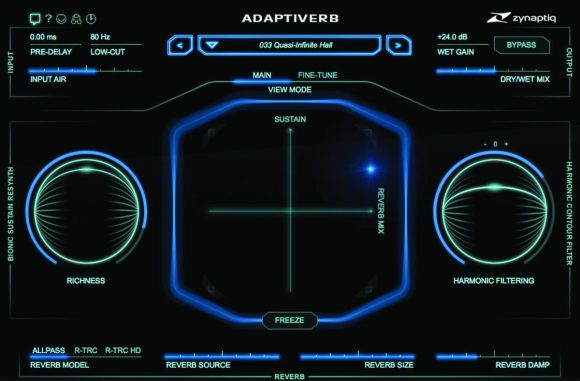




 Ad Choices