Warner Music Group is hiring an A&R Coordinator to be based in London. In this role you will report to the VP of A&R Co-ordination &A&R Co-ordination Manager in all A&R administration activities. Here you’ll get to: – Assist the A&R Co-ordination Department in the following: to set up, administer and monitor recording budgets; – Run the day to day activities for recording projects such as organising studios, arranging artist and producer transport, booking hotels and equipment hire for each project for the duration of the recording project in line with the recording budget. Finding engineers, session musicians as requested. – Issue PO’s for the budgets and helping with any payment issues. – Be responsible on the current costs of the recording budgets. Working with A&R and Finance to keep projects on budget and informing them of any variance. – Operate the computer systems and keeping up to date at all times i.e. Inputting budgets, issuing PO’s in line with agreed budgets, dealing with any enquiries relating to the PO / invoice with AP and finance. – Work with co-ordination of international artists when recording /remixing in the UK and make sure all costs are recharged to the relevant company. NB: no deadline specified. See link below for further details. Please note that some listings are added by third parties. The Journal of Music does not take responsibility for the content or accuracy of listings published by third parties on this site. The Journal of Music reserves the right to edit or delete listings. Click here to add a listing, login or register.
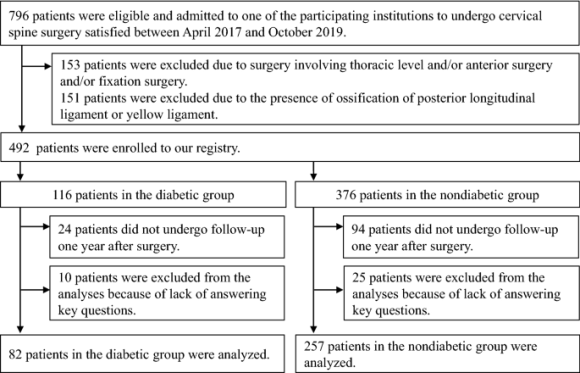
Thank you for visiting nature.com. You are using a browser version with limited support for CSS. To obtain the best experience, we recommend you use a more up to date browser (or turn off compatibility mode in Internet Explorer). In the meantime, to ensure continued support, we are displaying the site without styles and JavaScript. Advertisement Scientific Reportsvolume 12, Article number: 9684 (2022) Cite this article Metrics details Although patients with diabetes reportedly have more peripheral neuropathy, the impacts of diabetes on postoperative recovery in pain and patient-reported outcome measures (PROMs) after laminoplasty for cervical spondylotic myelopathy (CSM) is not well characterized. The authors aimed to elucidate the effects of diabetes on neck/arm/hand/leg/foot pain and PROMs after laminoplasty CSM. The authors retrospectively reviewed 339 patients (82 with diabetes and 257 without) who underwent laminoplasty between C3 and C7 in 11 hospitals during April 2017 –October 2019. Preoperative Numerical Rating Scale (NRS) scores in all five areas, the Short Form-12 Mental Component Summary, Euro quality of life 5-dimension, Neck Disability Index, and the Core Outcome Measures Index-Neck) were comparable between the groups. The between-group differences were also not significant in NRS scores and PROMs one year after surgery. The change score of NRS hand pain was larger in the diabetic group than the nondiabetic group. The diabetic group showed worse preoperative score but greater improvement in the Short Form-12 Physical Component Summary than the nondiabetic group, following comparable score one year after surgery. These data indicated that the preoperative presence of diabetes, at least, did not adversely affect pain or PROMs one year after laminoplasty for CSM. Cervical spondylotic myelopathy (CSM) is a common and increasingly observed degenerative disorder causing spinal cord compression and neurological deterioration1. Surgical decompression via laminoplasty is the standard treatment for CSM and can prevent the progression of neurological deficits as well as improve neurological function and quality of life2. Surgical outcomes should be evaluated using patient-reported outcome measures (PROMs). Diabetic neuropathy following diabetes mellitus can profoundly impair the quality of life. Diabetes mellitus is a chronic systemic disease characterized by multiple neurologic sequelae mainly associated with diabetic neuropathy, chronic peripheral pain due to microvascular changes, and irreversible nerve damage3,4,5. The reported prevalence of painful diabetic peripheral neuropathy shows wide variability (range, 3–65%) owing to differences in sampling methods and diagnostic criteria3,4,5,6,7,8,9. It is a well-known fact that patients with diabetic neuropathy have sensory disturbances in the extremities and typically show stocking-and-glove patterns of sensory deficit3,10. Compromised vascularity and secondary peripheral neuropathy may affect the recovery of nerve roots even after surgical decompression11. Several reports showed diabetic effects on surgical outcomes after surgery for CSM, and their results were controversial10,12,13,14. These studies showed that diabetes had equivalent effects13,14 or negative effects on gait, sensory, and bladder function10. Previous studies used JOA score, which was evaluated by doctors10,13. The other study was heterogenous; including patients undergoing anterior cervical spine surgery or lumbar spine surgery12. Therefore, the diabetic effects on PROMs and pain after cervical laminoplasty surgery have not been well characterized in patients with CSM. In the present multicenter study investigating the surgical outcomes of laminoplasty for CSM, the authors aimed to investigate the impact of diabetes on pain as well as PROMs after laminoplasty for CSM with an adequately large sample size. A prospective spine surgery registry was started at eight institutions in the greater Tokyo metropolitan area, after obtaining approval from the Clinical Research Support Center of the University of Tokyo Hospital (10,335-(3)) and the institutional review boards of all participating hospitals i.e., The University of Tokyo Hospital, Japanese Red Cross Medical Center, Yokohama Rosai Hospital, Kanto Rosai Hospital, Japan Community Health-care Organization Tokyo Shinjuku Medical Center, Toranomon Hospital, Japanese Red Cross Saitama Hospital, and Japanese Red Cross Musashino Hospital. The present study was carried out in accordance with the relevant guidelines and regulations/ethical principles of the Declaration of Helsinki. The authors have obtained informed consent form with opt-out method from patients. The authors evaluated a consecutive cohort of patients who were diagnosed with CSM and underwent posterior cervical decompression at 11 different institutions between April 2017 and October 2019. Diagnosis was made by board-certified spine surgeons based on neurological examinations as well as MRI or myelography evaluations (existence of the effacement of subarachnoid space with spinal cord compression). The study’s inclusion criteria were as follows: symptomatic CSM (at least one clinical sign of myelopathy), surgical level between C3 and C7, evidence of cervical spinal cord compression on magnetic resonance imaging or cervical myelogram-computed tomography, and no previous cervical spine surgery. The study’s exclusion criteria were as follows: diagnosis of posterior longitudinal ligament ossification, spinal tumors, trauma, or infectious diseases; aged younger than 18 years; emergency surgery; surgery involving the thoracic spine; and fixation surgery. Data on the clinical characteristics of the patients, including age, sex, body mass index, current smoking history, American Society of Anesthesiologists (ASA) classification, and medical history, were retrospectively collected. Preoperative laboratory data were assessed. Patients with a fasting blood glucose level of 126 mg/dL and glycated hemoglobin (HbA1c) levels of 6.5% or those previously diagnosed with diabetes by a diabetes specialist were considered to have diabetes15. Diabetes specialists at each hospital were able to sufficiently control the blood sugar levels of patients diagnosed with diabetes throughout the immediate perioperative period. Blood glucose levels were checked four times a day, and a sliding scale insulin coverage was adopted to avoid perioperative hyperglycemia until the patient’s food intake stabilized. Surgical factors, including operative time and estimated blood loss, were registered. Surgeons in charge were asked to report all intraoperative complications, including nerve root damage and dural tear, and postoperative complications within 30 days after surgery. At baseline and one year after surgery, all patients were asked to answer a booklet of questionnaires, including the Japanese version of the (1) Numerical Rating Scale (NRS), (2) the Short Form-12 Physical Component Summary (PCS), (3) Mental Component Summary (MCS), (4) Euro quality of life 5-dimmension (EQ-5D)-3L to assess health-related quality of life16, (5) Neck Disability Index (NDI) to assess pain-associated disability, and (6) Core Outcome Measures Index (COMI)-Neck17. The NRS measures the intensity of pain over the preceding 4 weeks; the scores range from 0 (no pain at all) to 10 (worst pain imaginable). To evaluate the diabetic effect on axial pain and residual radiculopathy, the authors analyzed the following five NRS domains; neck, arm, hand, leg, and foot pain. Each corresponding body part had been discussed in previous reports18. To determine treatment satisfaction, a 7-point Likert scale was used, wherein, the patients were asked to answer whether they were satisfied with the treatment, with possible answers of “very satisfied,” “satisfied,” “somewhat satisfied,” “neither,” “dissatisfied,” “somewhat dissatisfied,” and “very dissatisfied”17. Baseline demographic and clinical characteristics in the diabetic and nondiabetic groups were compared using the Chi-square test for categorical variables and Student’s t-test for continuous variables. The Student’s t-test was used to examine intergroup differences with respect to pre- and postoperative NRS, PCS, MCS, EQ-5D, NDI, and COMI-Neck scores. For further evaluation of the difference in each outcome score, the authors calculated the adjusted p values by inverse probability weighting method after calculating propensity scores based on seven variables (age, sex, BMI, smoking status, ASA class, operative time, and estimated blood loss) as per a previous report12,19. The correlations between diabetes-related factors (preoperative HbA1c level and fasting blood sugar) and postoperative outcomes was measured using Spearman’s rank correlation coefficients. We defined the correlation as the value of ρ > 0.40 with p value < 0.05. All data analyses were performed using SPSS version 21.0 statistical software (SPSS, Inc., Chicago, IL, USA). The sample size for this study was calculated using G*Power version 3.1. With an approximately 20–25% prevalence of diabetes as reported in a previous prospectively collected database10,13,20, a total sample size of at least 200 patients was required with a power of > 0.8, significance level of P < 0.05, and effect size of < 0.2. Among the 339 patients who satisfied the inclusion and exclusion criteria, 82 (24.2%) and 257 (75.8%) were grouped into the diabetic and nondiabetic groups, respectively (Fig. 1). No significant intergroup differences were observed with respect to age (mean 70.1. vs. 71.0 years, P = 0.575), male/female ratio (58 men:24 women vs. 175 men:82 women, P = 0.653), and current smoking status (12.2% smokers vs. 11.1% nonsmokers, P = 0.454) (Table 1). The diabetic group had a higher BMI (25.2 vs. 23.7 kg/m2, P = 0.012) and included a higher percentage of patient with an ASA classification of ≥ 3 (19.5% vs. 8.0%, P < 0.001), hypertension (58.6% vs. 41.1%, P = 0.022), and hyperlipidemia (26.4% vs. 11.1%, P = 0.006) than the nondiabetic group. No significant intergroup differences were observed with respect to hemodialysis, rheumatoid arthritis, and past history of stroke. The diabetic group had a significantly higher mean HbA1c level (7.0% vs. 5.8%, P < 0.001), fasting blood sugar (161.3 vs. 112.2 mg/dL, P < 0.001), and creatinine (1.4 vs. 1.0 mg/dL, P = 0.009) than the nondiabetic group. The diabetic group had a lower mean value of total cholesterol than the nondiabetic group (183.1 vs. 200.9 mg/dL, P = 0.001). Although the diabetic group had a lower value of mean low density lipoprotein cholesterol than the nondiabetic group, the difference was not statistically significant (97.4 vs. 110.4 mg/dL, P = 0.059). Flowchart of the study population. No significant intergroup differences were observed with respect to operative time (139.7 vs. 136.2 min, P = 0.590) and estimated blood loss (102.0 vs. 98.4 mL, P = 0.855) (Table 2). No significant intergroup differences were observed in complications during surgery and within 30 days after surgery. The absolute changes in NRS scores are shown in Table 3. Pre- and postoperative NRS scores in neck/arm/leg/foot were comparable between the two groups (P > 0.05). There were no significant differences in the change NRS scores in neck/arm/leg/foot with or without adjustment by propensity score. Although pre- and postoperative NRS hand pain scores showed no significant difference between the two groups, the change score of NRS hand pain was larger in the diabetic group than the nondiabetic group (1.2 vs. 0.3, P = 0.034, Adjusted P = 0.017). The trends in PROMs are shown in Table 4. The diabetic group had a lower preoperative PCS score than the nondiabetic group with or without adjustment (22.0 vs. 28.9, P = 0.001, Adjusted P = 0.028), and no significant intergroup differences were observed in postoperative PCS scores (30.4 vs. 32.7, P = 0.324). Hence, the change score in PCS was larger in the diabetic group than the nondiabetic group, but the difference was not significant after the adjustment by the propensity score (8.4 vs. 3.7, P = 0.039, Adjusted P = 0.151). No significant intergroup differences were observed in pre- and postoperative MCS, EQ-5D, NDI, and COMI-Neck scores. There is no at least moderate correlation between diabetes-related factors (preoperative HbA1c level and fasting blood sugar) and pain/PROMs (Sup Table 1). Table 5 summarizes the answers to questions on satisfaction. The diabetic group tended to have a higher proportion of patients answering “very satisfied” or “satisfied” than the nondiabetic group, although the difference was not significant (58.5% vs. 47.5%, P = 0.081). The diabetic group had a higher total percentage of patients who answered “very satisfied,” “satisfied,” or “somewhat satisfied” than the nondiabetic group (74.4% vs. 64.6%, P = 0.001). To the best of our knowledge, this has been the largest study that investigated the effects of diabetes on multiple NRS scores with PROMs following elective laminoplasty for CSM. In the present study, pre- and postoperative NRS scores for neck/arm/hand/leg/foot pain were comparable between the two groups. The diabetic group showed greater improvement in NRS hand scores than the nondiabetic group. No significant intergroup differences in pre- and postoperative MCS, EQ-5D, NDI, and COMI-Neck scores were noted. Although the diabetic group had lower preoperative PCS scores than the nondiabetic group, the postoperative PCS scores of the two groups were comparable. Moreover, patients in the diabetic group tended to be satisfied with the surgical results. Collectively, these data indicated that the presence of diabetes did not, at least, adversely affect surgical outcomes of laminoplasty for CSM. The present study showed that the diabetic group had higher prevalence rates of ASA classification ≥ 3, consistent with the findings of a previous study13. Although the diabetic group tended to have more risk factors, the current study revealed no intergroup differences with respect to perioperative complications. Strict glycemic control may play an important role. The mean and maximum HbA1c level was 7.0% and 8.9%, respectively, even in the diabetic group. This relatively strict glycemic control enforced by diabetes specialists before and after laminoplasty surgery may have contributed to the lack of intergroup differences not only in complications but also in the non-inferiority in pain control. Appropriate perioperative blood glucose control is associated with a reasonable recovery after cervical decompression10 or belief in self-efficacy and active behavior21. Several trials have shown significant improvements in peripheral nerve function with intensive glucose control22. Only a few large-scale reports have investigated the effects of diabetes on laminoplasty using PROMs12. In the present study, the diabetic and nondiabetic groups showed similar pre- and postoperative MCS/EQ-5D/NDI/COMI-Neck scores, except for PCS. Diabetes has been reported as a risk factor for neck and back pain23,24. Armaghani et al. argued that patients with diabetes showed minor improvements in the NDI or Oswestry Disability Index and EQ-5D scores compared with patients without diabetes12. They analyzed patients undergoing back surgery and those undergoing neck surgery together12 and thereby making interpretation difficult. Alternatively, Arnold et al. found that patients with diabetes did not differ from those without diabetes in terms of pre- and postoperative NDI14 and Nori et al. argued that diabetes did not negatively affect neck pain after posterior cervical decompression13. The present study was consistent with these reports13,14 in that diabetic patients had comparable postoperative outcomes and we showed this point by pain-associate PROMs. The effects of diabetes may differ between patient with back and neck pain. Given that diabetes impairs bone fusion, the effects of diabetes can be greater following posterior lumbar interbody fusion surgeries25, which contributes to mechanical instability and the occurrence of back pain13. In contrast, considering that cervical laminoplasty is not performed for the purpose of bone fusion, the effects of diabetes can be minor. These mechanisms can explain why no significant differences were observed for neck pain-associated outcome measures, including NRS neck pain, EQ-5D, NDI, and multidimensional COMI-Neck, in the current study. In the present study, the diabetic group showed lower preoperative PCS scores than the nondiabetic group; however, the two groups had comparable postoperative PCS scores. This finding differed from that reported by Arnold et al.14; they reported no significant intergroup differences in preoperative PCS, but patients with diabetes experienced significantly lesser improvement than those without diabetes14. Our cohort had an average age of 70.8 years, while Arnold’s cohort had an average age of 56.4 years14. The relatively older our cohort with low preoperative PCS scores may have affected the difference. Because of the relatively low reliability of PCS for evaluation of health transition among patients aged 75 or over26, multiple PROMs should be used when the average age of the cohort is high. Low preoperative PCS scores can be associated with lower leg strength and proprioception19, which is greater risk of preoperative slower walking speed, especially in the elderly27,28. The slower walking speed due to diabetic neuropathy could mimic walking impairment due to CSM, resulting in early surgical intervention in the diabetic group. Early surgical intervention is an important factor for good clinical outcomes29 and can explain why the diabetic group in the present study had comparable postoperative PCS scores, despite having lower preoperative PCS scores. To prove this hypothesis, further large size studies linking duration of CSM symptoms and multiple PROMs are warranted. The authors believe that this study adds to the contemporary knowledge related to the effect of diabetes on patients undergoing cervical posterior decompression surgery. However, some limitations of our study should be considered when interpreting our results. First, the current study did not analyze detailed information for diabetes except for preoperative HbA1c level. We were unable to collect detailed information on diabetes, including duration, medication history, or trend of HbA1c. Second, the follow-up duration was one year, not two years after surgery, although PROMs assessed at one year adequately predict long-term (24-month) outcomes30. Third, double door or open door laminoplasty was determined by the surgeon in charge at each participating hospital due to the multicenter study design. In addition, relatively elder cohorts may undergo laminoplasty for the purpose myelopathy rather than pain caused by radiculopathy and the effect of laminoplasty on peripheral may be limited. The results of the present multicenter cohort study showed that diabetes did not adversely affect improvement in pain and PROMs one year after laminoplasty for CSM, although the diabetic group had lower preoperative PCS scores than the nondiabetic group. Under the strict glycemic control before and after surgery, surgeons can use this information when counseling patients who have CSM with diabetes about the expected outcomes of laminoplasty. Fehlings, M. G., Tetreault, L. A., Wilson, J. R. & Skelly, A. C. Cervical spondylotic myelopathy: Current state of the art and future directions. Spine (Phila Pa 1976)38, S1-8. https://doi.org/10.1097/BRS.0b013e3182a7e9e0 (2013). Article Google Scholar Fehlings, M. G. et al. Efficacy and safety of surgical decompression in patients with cervical spondylotic myelopathy: Results of the AOSpine North America prospective multi-center study. J. Bone Joint Surg. Am.95, 1651–1658. https://doi.org/10.2106/JBJS.L.00589 (2013). ArticlePubMed Google Scholar Vinik, A. I. Clinical practice. Diabetic sensory and motor neuropathy. N. Engl. J. Med.374, 1455–1464. https://doi.org/10.1056/NEJMcp1503948 (2016). CASArticlePubMed Google Scholar Ziegler, D. R. W. & Meisinger, C. Prevalence and risk factors of neuropathic pain in survivors of myocardial infarction with pre-diabetes and diabetes. The KORA myocardial infarction registry. Eur. J. Pain13, 582–587 (2009). Article Google Scholar Erbas, T. E. M. & Yucel, A. Prevalence of peripheral neuropathy and painful peripheral neuropathy in Turkish diabetic patients. J. Clin. Neurophysiol28, 51–55 (2011). Article Google Scholar Abbott, C. A. M. R. & van Ross, E. R. Prevalence and characteristics of painful diabetic neuropathy in a large communitybased diabetic population in the U.K. Diabetes Care34, 2220–2224 (2011). Article Google Scholar Kim, S. S. W. J. & Kwon, H. S. Prevalence and clinical implications of painful diabetic peripheral neuropathy in type 2 diabetes: Results from a nationwide hospital-based study of diabetic neuropathy in Korea. Diabetes Res. Clin. Pract.103, 522–529 (2014). Article Google Scholar Alleman, C. J. W. K. & Hensen, M. Humanistic and economic burden of painful diabetic peripheral neuropathy in Europe: a review of the literature. Diabetes Res. Clin. Pract.109, 215–225 (2015). Article Google Scholar Bouhassira, D. L. M. & Hartemann, A. Chronic pain with neuropathic characteristics in diabetic patients: A French crosssectional study. PLoS One8, e74195 (2013). ADSCASArticle Google Scholar Machino, M. et al. Characteristics of residual symptoms after laminoplasty in diabetic patients with cervical spondylotic myelopathy: A prospective cohort study. Spine (Phila Pa 1976)42, E708–E715. https://doi.org/10.1097/BRS.0000000000001947 (2017). Article Google Scholar Freedman, M. K. et al. The impact of diabetes on the outcomes of surgical and nonsurgical treatment of patients in the spine patient outcomes research trial. Spine (Phila Pa 1976)36, 290–307. https://doi.org/10.1097/BRS.0b013e3181ef9d8c (2011). Article Google Scholar Armaghani, S. J., Archer, K. R., Rolfe, R., Demaio, D. N. & Devin, C. J. Diabetes is related to worse patient-reported outcomes at two years following spine surgery. J. Bone Joint Surg. Am.98, 15–22. https://doi.org/10.2106/JBJS.O.00297 (2016). ArticlePubMed Google Scholar Nori, S. et al. Diabetes does not adversely affect neurological recovery and reduction of neck pain after posterior decompression surgery for cervical spondylotic myelopathy: Results from a retrospective multicenter study of 675 patients. Spine (Phila Pa 1976)46, 433–439. https://doi.org/10.1097/BRS.0000000000003817 (2021). Article Google Scholar Arnold, P. M. et al. Mild diabetes is not a contraindication for surgical decompression in cervical spondylotic myelopathy: Results of the AOSpine North America multicenter prospective study (CSM). Spine J.14, 65–72. https://doi.org/10.1016/j.spinee.2013.06.016 (2014). ArticlePubMed Google Scholar Committee of the Japan Diabetes Society on the Diagnostic Criteria of Diabetes, M. et al. Report of the committee on the classification and diagnostic criteria of diabetes mellitus. J. Diabetes Investig.1, 212–228. https://doi.org/10.1111/j.2040-1124.2010.00074.x (2010). Tsuchiya, A. I. S. et al. Estimating an EQ-5D population value set: The case of Japan. Health Econ11, 1105 (2002). Article Google Scholar Oshima, Y. et al. Validity of the Japanese core outcome measures index (COMI)-neck for cervical spine surgery: A prospective cohort study. Eur. Spine J.30, 402–409. https://doi.org/10.1007/s00586-020-06657-4 (2021). ArticlePubMed Google Scholar Oshima, Y. et al. Mental state can influence the degree of postoperative axial neck pain following cervical laminoplasty. Global Spine J.9, 292–297. https://doi.org/10.1177/2192568218793861 (2019). ArticlePubMed Google Scholar Nagata, K. et al. Diabetes is associated with greater leg pain and worse patient-reported outcomes at 1 year after lumbar spine surgery. Sci. Rep.11, 11450. https://doi.org/10.1038/s41598-021-87615-y (2021). CASArticle Google Scholar Machino, M. et al. Risk factors for poor outcome of cervical laminoplasty for cervical spondylotic myelopathy in patients with diabetes. J. Bone Joint Surg. Am.96, 2049–2055. https://doi.org/10.2106/JBJS.N.00064 (2014). ArticlePubMed Google Scholar Rose, M. et al. The network of psychological variables in patients with diabetes and their importance for quality of life and metabolic control. Diabetes Care25, 35–42. https://doi.org/10.2337/diacare.25.1.35 (2002). ArticlePubMed Google Scholar Sloan, G., Selvarajah, D. & Tesfaye, S. Pathogenesis, diagnosis and clinical management of diabetic sensorimotor peripheral neuropathy. Nat. Rev. Endocrinol.17, 400–420. https://doi.org/10.1038/s41574-021-00496-z (2021). ArticlePubMed Google Scholar Pai, L. W. et al. Musculoskeletal pain in people with and without type 2 diabetes in Taiwan: A population-based, retrospective cohort study. BMC Musculoskelet Disord.16, 364. https://doi.org/10.1186/s12891-015-0819-4 (2015). CASArticlePubMedPubMed Central Google Scholar Jimenez-Garcia, R. et al. Is there an association between diabetes and neck pain and lower back pain? Results of a population-based study. J. Pain Res.11, 1005–1015. https://doi.org/10.2147/JPR.S158877 (2018). ArticlePubMedPubMed Central Google Scholar Henderson, S., Ibe, I., Cahill, S., Chung, Y. H. & Lee, F. Y. Bone quality and fracture-healing in type-1 and type-2 diabetes mellitus. J. Bone Joint Surg. Am.101, 1399–1410. https://doi.org/10.2106/JBJS.18.01297 (2019). ArticlePubMed Google Scholar Nagata, K. et al. Minimum clinically important change for outcome scores among patients aged 75 or over undergoing lumbar spine surgery. Eur. Spine J.30, 1226–1234. https://doi.org/10.1007/s00586-021-06815-2 (2021). ArticlePubMed Google Scholar Cimbiz, A. C. O. Evaluation of balance and physical fi tness in diabetic neuropathic patients. J. Diabetes Complicat.19, 160–164 (2005). Article Google Scholar Volpato, S. et al. Role of muscle mass and muscle quality in the association between diabetes and gait speed. Diabetes Care35, 1672–1679. https://doi.org/10.2337/dc11-2202 (2012). ArticlePubMedPubMed Central Google Scholar Machino, M. et al. Risk factors for poor outcome of cervical laminoplasty: Multivariate analysis in 505 patients with cervical spondylotic myelopathy. Spine (Phila Pa 1976)46, 329–336. https://doi.org/10.1097/BRS.0000000000003783 (2021). Article Google Scholar Fekete, T. F. et al. How does patient-rated outcome change over time following the surgical treatment of degenerative disorders of the thoracolumbar spine?. Eur. Spine J.27, 700–708. https://doi.org/10.1007/s00586-017-5358-2 (2018). ArticlePubMed Google Scholar Download references The manuscript submitted does not contain information about medical device(s)/drug(s). No funds were received in support of this work. No benefits in any form have been or will be received from a commercial party related directly or indirectly to the subject of this manuscript. The study approval was given by the institutional review board of the Clinical Research Support Center of the University of Tokyo Hospital. Department of Orthopaedic Surgery and Spinal Surgery, The University of Tokyo, 7-3-1 Hongo, Bunkyo-ku, Tokyo, 113-8655, Japan Kosei Nagata, Junya Miyahara, Hideki Nakamoto, So Kato, Toru Doi, Yuki Taniguchi, Yoshitaka Matsubayashi, Sakae Tanaka & Yasushi Oshima The University of Tokyo Spine Group (UTSG), Tokyo, Japan Kosei Nagata, Junya Miyahara, Hideki Nakamoto, Naohiro Kawamura, Yujiro Takeshita, Akiro Higashikawa, Takashi Ono, Masayoshi Fukushima, Rentaro Okazaki, Nobuhiro Hara, So Kato, Toru Doi, Yuki Taniguchi, Yoshitaka Matsubayashi, Sakae Tanaka & Yasushi Oshima Department of Spine and Orthopedic Surgery, Japanese Red Cross Medical Center, Tokyo, Japan Naohiro Kawamura Department of Orthopedic Surgery, Yokohama Rosai Hospital, Kanagawa, Japan Yujiro Takeshita Department of Orthopedic Surgery, Kanto Rosai Hospital, Kanagawa, Japan Akiro Higashikawa Department of Spinal Surgery, Japan Community Health-Care Organization Tokyo Shinjuku Medical Center, Tokyo, Japan Takashi Ono Spine Center, Toranomon Hospital, Tokyo, Japan Masayoshi Fukushima Department of Orthopedic Surgery, Japanese Red Cross Saitama Hospital, Saitama, Japan Rentaro Okazaki Department of Orthopedic Surgery, Japanese Red Cross Musashino Hospital, Tokyo, Japan Nobuhiro Hara You can also search for this author in PubMedGoogle Scholar You can also search for this author in PubMedGoogle Scholar You can also search for this author in PubMedGoogle Scholar You can also search for this author in PubMedGoogle Scholar You can also search for this author in PubMedGoogle Scholar You can also search for this author in PubMedGoogle Scholar You can also search for this author in PubMedGoogle Scholar You can also search for this author in PubMedGoogle Scholar You can also search for this author in PubMedGoogle Scholar You can also search for this author in PubMedGoogle Scholar You can also search for this author in PubMedGoogle Scholar You can also search for this author in PubMedGoogle Scholar You can also search for this author in PubMedGoogle Scholar You can also search for this author in PubMedGoogle Scholar You can also search for this author in PubMedGoogle Scholar You can also search for this author in PubMedGoogle Scholar K.N. and Y.O. conceived the study. J.M., H.N. and S.K. analyzed the data. T.D., Y.T., and Y.M. discussed the results. N.K., Y.T., A.H., T.O., M.F., R.O., and N.H. contributed data collection and result interpretation. K.N. wrote the initial draft. Y.O. and S.T. revised the manuscript. All authors reviewed the manuscript. Correspondence to Yasushi Oshima. The authors declare no competing interests. Springer Nature remains neutral with regard to jurisdictional claims in published maps and institutional affiliations. Open Access This article is licensed under a Creative Commons Attribution 4.0 International License, which permits use, sharing, adaptation, distribution and reproduction in any medium or format, as long as you give appropriate credit to the original author(s) and the source, provide a link to the Creative Commons licence, and indicate if changes were made. The images or other third party material in this article are included in the article’s Creative Commons licence, unless indicated otherwise in a credit line to the material. If material is not included in the article’s Creative Commons licence and your intended use is not permitted by statutory regulation or exceeds the permitted use, you will need to obtain permission directly from the copyright holder. To view a copy of this licence, visit http://creativecommons.org/licenses/by/4.0/. Reprints and Permissions Nagata, K., Miyahara, J., Nakamoto, H. et al. Effect of diabetes on patient-reported outcome measures at one year after laminoplasty for cervical spondylotic myelopathy. Sci Rep12, 9684 (2022). https://doi.org/10.1038/s41598-022-13838-2 Download citation Received: Accepted: Published: DOI: https://doi.org/10.1038/s41598-022-13838-2 Anyone you share the following link with will be able to read this content: Sorry, a shareable link is not currently available for this article.
Advertisement Supported by The Playlist Hear tracks by Saucy Santana, Demi Lovato, Joyce Manor and others. Send any friend a story As a subscriber, you have 10 gift articles to give each month. Anyone can read what you share. By Jon Pareles, Jon Caramanica, Giovanni Russonello and Lindsay Zoladz Every Friday, pop critics for The New York Times weigh in on the week’s most notable new songs and videos. Just want the music? Listen to the Playlist on Spotify here (or find our profile: nytimes). Like what you hear? Let us know at [email protected] and sign up for our Louder newsletter, a once-a-week blast of our pop music coverage. One way to satiate fans who have been clamoring for your long-delayed next album: just keep adding new material to the one they already love! Five years ago this week, SZA released her widely adored debut “Ctrl,” and though she’s put out a handful of singles and made some celebrated feature appearances since then (including her Grammy-winning Doja Cat collaboration “Kiss Me More”), she’s yet to follow it up with a full-length. As a stopgap, though, SZA offered fans seven previously unreleased tracks this week on a deluxe edition of “Ctrl.” The best of them is “Jodie” — already a fan favorite, since a demo version leaked last year. “Stuck with just weed and no friends,” she laments on the buoyant track, which balances a confessional tone with self-deprecating humor. Her vocals are melodically nimble but endearingly off-the-cuff, as though you’re overhearing an animated conversation she’s having with herself. LINDSAY ZOLADZ Whether the exuberant horns deployed on Saucy Santana’s “Booty” are sampled from Beyoncé’s “Crazy in Love” or “Are You My Woman? (Tell Me So)” by the Chi-Lites (which provided the original sample for “Crazy in Love”) is immaterial — it’s pure cheat code either way. “Booty” functions as a kind of conceptual bootleg remix of the Beyoncé classic, a way of trumpeting an alliance that could be actual, virtual or theoretical. Most listeners won’t parse it out. Consider it a savvy stroke by Saucy Santana, whose “Material Girl” was the best kind of TikTok breakout — a catchphrase that was in fact connected to an outsized personality. “Booty” is his first major label single, and it has a couple of other borrowings, too: a flow from J-Kwon’s “Tipsy,” a nod to Bubba Sparxxx’s “Ms. New Booty.” But mainly this onetime makeup artist is having fun in the shrinking space between fan and star. JON CARAMANICA Another entry in the gratuitous remake sweepstakes of 2022: Lizzo reimagines the Beastie Boys’ hypercrass “Girls” as a celebration of female friendship: “That’s my girl, we codependent/If she with it, them I’m with it.” CARAMANICA “Somebody’s gonna figure us out,” Lili Trifilio sings with bracing confidence, “and I hope they do ’cause I’m falling for you.” The hopelessly catchy opening track from the Chicago pop-rock band Beach Bunny’s forthcoming second album, “Emotional Creature,” is all about throwing caution to the wind and going public with a clandestine romance. There’s a fitting clarity to the song’s production and arrangement: glimmering guitars, steady percussion and Trifilio’s voice at the forefront as she sings such openhearted lyrics as “I wanna kiss you when everyone’s watching.” ZOLADZ Demi Lovato — the child star turned grown-up hitmaker who survived a 2018 drug overdose and has come out as nonbinary — leverages notoriety and a setback into fierce punk-pop with “Skin of My Teeth.” It’s an armor-plated confession that begins “Demi leaves rehab again” and rides seismic drums, cranked-up guitars and an “ooh-woo-hoo” pop hook to claim solidarity with everyone struggling with addiction. “I can’t believe I’m not dead,” they belt, adding, “I’m just trying to keep my head above water.” JON PARELES “40 Oz. to Fresno,” the new album from the Torrance, Calif., rock band Joyce Manor, is a relentlessly tuneful 17-minute collection of all-killer, no-filler power-pop. An obvious highlight is the punchy “You’re Not Famous Anymore,” which sounds like something that would have gotten a lot of play on mid-90s alternative-rock radio — the sort of song that would have seemed like a mere novelty hit until it ended up stuck in your head for weeks. “You were a child star on methamphetamines,” the frontman Barry Johnson sings, “Now who knows what you are, ’cause you’re not anything.” Accompanied by head-bopping percussion and a surfy guitar, Johnson’s archly acidic delivery cuts through the rest of the song’s mock-breezy atmosphere. ZOLADZ A splendid and striking piano ballad from the singer Joji, who finds middle ground between 1970s soft rock and James Blake. His singing is lightly unsteady, meshing an unnerving sadness with a know-better resilience. CARAMANICA The 23-year-old pianist and multi-instrumentalist Julius Rodriguez has been wowing audiences at New York clubs for more than half his young life. In a story that’s already become part of jazz’s 21st-century lore, from the time Rodriguez was 11 his father would drive him in from White Plains to partake of jam sessions at Smalls. Cats were floored from Day 1. The other big portion of his musical education took place in church, where he started out even younger as a drummer, and those two big influences resound throughout “Let Sound Tell All,” Rodriguez’s highly anticipated debut album. On “In Heaven,” an invocation written by Darlene Andrews and first recorded by Gregory Porter, Rodriguez joins up with another rising star, the singer Samara Joy. He accompanies her molasses-rich vocals with fanned-out harmonies, channeling Kenny Barron and Hank Jones, sweeping from heavy clusters of notes to threads of crystal clarity. GIOVANNI RUSSONELLO “Love is an emotion in action,” the eminent saxophonist, poet and visual artist Oliver Lake, 79, recites over the Sonic Liberation Singers’ suspended, open-vowel harmonies. “Ain’t nothin’ real but love/It moves independently of our fears and desires.” Lake recently performed a series of farewell shows with Trio 3, the avant-garde supergroup that he has played in for more than three decades — but it should come as little surprise that as he closes one chapter, the ever-prolific Lake has opened another: “Justice,” on which this track appears, is the first LP to feature Lake’s vocal compositions. At times wild and purgative, the album is also full of moments like this one: poised, stubbornly hopeful, grounded in Lake’s memories of a more revolutionary age and seeking to stir that energy up again. RUSSONELLO Advertisement
Published on May 17, 2022 Great news! The City of Huntsville, Alabama, is the 2022-2023 best place to live in the United States, according to a ranking by U.S. News & World Report. U.S. News recently analyzed 150 large metropolitan areas in the U.S. to find the best places to live based on job market, housing affordability, quality of life, desirability and net migration. Huntsville, which topped the list with an overall score of 7, quality of life of 6.8 and value of 8.5, rose from the No. 3 spot on last year’s Best Places to Live list. In addition to being the No. 1 Best Place to Live, U.S. News also named Huntsville the: Mayor Tommy Battle said the U.S. News & World Report annual rankings are no surprise, given Huntsville is a growing, vibrant community and now the most populous city in Alabama. “We are the Star of Alabama for a reason,” he said. “As more people discover what makes us the South’s best-kept secret, we take pride in our diverse community’s strength and authenticity. Rankings like these affirm our commitment to continuing to provide a healthy, thriving economy without losing our identity, while also welcoming new citizens and businesses with open arms. Great things are happening in Huntsville!” Mayor Battle and City economic development leaders held a news conference Tuesday, May 17, at City Hall to spotlight the recognition and driving factors behind Huntsville’s success. “When we meet people from outside Huntsville, they often tell us, ‘I had no idea,’” Mayor Battle said. “To be a part of this community during such a pivotal point in Huntsville’s history is an honor. We look forward to continuing to build on our momentum and make Huntsville a safe, affordable and livable city that all parts of our society can call home.” In addition to Huntsville, the U.S. News Best Places to Live ranking includes other growing American metros, including Colorado Springs, Colorado; Green Bay, Wisconsin; Boulder, Colorado; and San Jose, California. Click here to see the full report. (256) 427-5000Huntsville City Hall308 Fountain CircleHuntsville, Alabama 35801
Topics Western News A new study out of Jessica Grahn’s music lab suggests music training may preserve certain rhythmic motor training abilities in early-stage Parkinson’s disease. Jessica Grahn (Sylvie Li/Shoot Studio) Grahn, a psychology professor and member of the Western Institute for Neuroscience, combines her unique background as a classically trained concert pianist and training as a neuroscientist to focus on why humans move to rhythm, and how and why movement and rhythm may be connected in the brain. “Humans naturally perceive and move to a music beat, falling into the rhythm through clapping, tapping and dancing,” she said. “Yet the accuracy of this seemingly effortless behaviour varies widely across individuals.” Beat perception and production abilities can be improved by experience such as music or dance training, and as previous studies have shown, can also be impaired by neurological changes, including in Parkinson’s disease. Using data collected over a series of smaller studies, Grahn, along with Emily Ready, MSc (OT)’17, PhD’19 and Prisca Hsu, BSc’21, saw an opportunity to investigate how musical training might affect Parkinson’s patients. “We were curious whether musical training might alter what we usually see in people with Parkinson’s, in that they are slightly worse at the ability to tap and feel the beat,” Grahn said. Beat and movement Grahn’s team drew data from three different participant groups for the study – healthy young adults, healthy older adults and adults with early-stage Parkinson’s disease. All had varying degrees of music and dance training. Participants performed beat alignment tests (BAT) requiring them to execute two tasks: listen to music and identify if superimposed metronome beeps occur on and off the beat, and then, while listening to several short pieces of music, tap along to the beat. “These are important tasks in a lot of different studies we do,” said Grahn. “For example, does one’s ability to feel the beat predict how well an intervention of walking to music will work for them?” It did not surprise Grahn and her team to find that for the younger adults, those with musical training did slightly better in both perceiving the accuracy of the beat and producing it with taps. “In general, we found participants with over three years of music training had more accurate beat perception than those with less training,” Grahn said. “Interestingly, Parkinson’s disease patients with music training had beat production (tapping) abilities comparable to healthy adults, while Parkinson’s disease patients with minimal to no music training performed significantly worse. “For perception of the beat we didn’t find that strong an effect on how accurately they could feel or perceive it,” Grahn said. “But when we had people tap to the beat, Parkinson’s patients who had no musical training were much less accurate than both older adults and younger adults. The Parkinson’s patients who had musical training were on par with other groups.” No effects were found in healthy adults for dance training, and too few Parkinson’s disease patients had dance training to reliably assess its effects. Music in mind The finding that musically trained Parkinson’s disease patients performed similarly to healthy adults during the tapping task, while untrained patients did not, suggests music training may preserve certain rhythmic motor timing abilities in early-stage Parkinson’s disease. “It gives us some hope that those who have this experience of musical training may be more receptive,” Grahn said. “It doesn’t mean it wouldn’t work for other people too, but it means a lifetime of music experience seems to relate to an improvement, even if you have Parkinson’s.” Either way, it’s an important step toward a growing knowledge on the long-term effects of music training, suggesting it may preserve certain motor timing functions related to beat processing in early-stage Parkinson’s disease. “It’s sometimes assumed if someone has a neurological disorder, the person will be terrible at everything,” Grahn said. “What’s nice here is, we can tease it apart and show they may still get the benefit of the beat, because they hear it. Often it is about what’s preserved. This means, for example, some of these training interventions we use may still be able to work when we ask them to tap along. They’re not as good at it but the system (in their brain) that hears and reacts to the beat still seems to be working for them.” Topic Featured 1Research Featured 1, Student Life Once doctor to Nelson Mandela, Viwe Mtwesi plans to use medical training to pursue social agenda
Filed under: Desta: The Memories Between stars a nonbinary protagonist exploring their past Ustwo games, the studio behind Monument Valley and Alba: A Wildlife Adventure, announced its next game during the June 9 livestream for Summer Game Fest’s Day of the Devs. It’s a fully-voiced strategy game about dreams, relationships, and regrets called Desta: The Memories Between, and it stars a nonbinary protagonist named Desta. Desta is in their 20s, and they’re returning home as an adult having left some of their relationships in a weird state. In dream sequences, Desta will hear from people in their life who’ve had an impact or taught them something. The game is also about Desta coping with their father’s death, and themes of loss — but, once again, this is a strategy game that includes lots of mechanics on top of the narrative. Just how deep is the strategy here? According to ustwo, the game takes inspiration from Hades, Into the Breach, and Inception, all games with rogue-like mechanics — and all games that require some serious strategic planning in order to advance and succeed. Perhaps most surprising is there’s a sports game influence on the game as well. In its press release, the developer describes Desta as “the deepest, most ambitious and most replayable title from ustwo games yet, but with all the heart and approachability that the London studio is known for.” The game’s art has a hand-painted look, almost like a picture book. Gameplay screens look like a more colorful version of Monument Valley and depict a turn-based sports game in which characters pass a ball to one another, sometimes bouncing it off various surfaces and obstacles in order to complete a tricky pass. Desta: The Memories Between has not yet revealed platforms or a release date. A weekly roundup of the best things from Polygon Please check your email to find a confirmation email, and follow the steps to confirm your humanity. Please check your email to find a confirmation email, and follow the steps to confirm your humanity.
By Josh Bradley on Wed, Jun 8, 2022 at 4:10 pm Subscribe now to get the latest news delivered right to your inbox. We welcome readers to submit letters regarding articles and content in Creative Loafing Tampa Bay. Letters should be a minimum of 150 words, refer to content that has appeared on Creative Loafing Tampa Bay, and must include the writer’s full name, address, and phone number for verification purposes. No attachments will be considered. Writers of letters selected for publication will be notified via email. Letters may be edited and shortened for space. Email us at [email protected] Jam scene supergroup plays free Dunedin concert this weekend By Ray Roa Heavy metal legend Lamb God brings monster fall tour to Tampa By Ray Roa 19 live music concerts and events happening in Tampa Bay this weekend By Ray Roa and Josh Bradley ‘Beastie Buns’ tribute band leads lineup for Ybor City’s Hot Dog Party 16 By Ray Roa Review: Joan Jett and the Blackhearts bring tweaked nostalgia schtick to Tampa’s Hard Rock Live By Josh Bradley View more issues Read our sister publications 633 N. Franklin Street, Suite 735 Tampa, FL 33602
Attorney General and Minister responsible for Housing Email: [email protected] Construction has started on 40 new safe and secure transitional homes for women and children leaving violence in Courtenay. “These new second-stage homes in Courtenay will help women and their families rebuild their lives in safety and security, free from violence,” said Ronna-Rae Leonard, MLA for Courtenay-Comox. “Thank you to the Comox Valley Transition Society for working with us to provide another housing option for families in need.” The three-storey building will provide second-stage housing for women, including transgender women, as well as non-binary and Two-Spirit people and children leaving violence. It will have a mix of studio, one-, two- and three-bedroom homes, including five fully wheelchair-accessible units. Residents will also have access to a secure outdoor children’s play area. Second-stage housing provides short-term accommodation with on-site supports for women and their dependent children leaving violence. Residents typically live in the units for six to 18 months before moving to more permanent housing. “This new housing will help people in Courtenay break the cycle of abuse, stabilize their lives and get a fresh start,” said Grace Lore, Parliamentary Secretary for Gender Equity. “Our government is committed to investing in transitional housing around the province and I’m thankful to our project partners for answering the call to help. Together, we are making a critical difference for women and their families.” The building will be managed by Comox Valley Transition Society (CVTS). The society will offer supports such as life-skills training, crisis counselling and poverty-reduction services to women and children living in the homes. “The Comox Valley Transition Society is pleased to see this much-needed second-stage housing for women and their dependent children underway,” said Heather Ney, executive director, CVTS. “This housing will increase the safety of those experiencing intimate partner violence and sexual assault, and will provide a place to land after an urgent stay at the transition house.” The homes are funded through the Province’s Building BC: Women’s Transition Housing Fund, which is a $734-million investment over 10 years to build and operate 1,500 transition housing, second-stage housing, and long-term housing spaces for women and children leaving violence. “This is tremendous news,” said Bob Wells, mayor of Courtenay. “The City of Courtenay has been advocating for additional housing supports in our community at the provincial and federal level for years, in collaboration with our community partners. We are so grateful to the Province for responding to the needs of women and children who are fleeing domestic and gender-based violence. This much-needed project will provide safe and affordable housing and, with its built-in support services, it’s more than just walls and a roof. It will offer a stable and supportive environment that will help people break the cycle of abuse. I truly believe this facility will save lives.” Rental rates will be calculated at 30% of the resident’s income or the provincial shelter rate for those who are receiving income or disability assistance. Construction is expected to be complete in spring 2023. This project is part of B.C.’s 10-year, $7-billion housing plan. Since 2017, the Province has funded nearly 34,000 affordable new homes that have been completed or are underway for people in B.C., including over 300 homes in the Comox Valley. Quick Facts: Learn More: A map showing the location of all announced provincially funded housing projects in B.C. is available online: https://www.bchousing.org/homes-for-BC To learn about the steps the Province is taking to tackle the housing crisis and deliver affordable homes for British Columbians, visit: https://workingforyou.gov.bc.ca/ View the Ministry’s latest photos on Flickr. Watch the Ministry’s latest videos on YouTube. Listen to the Ministry’s latest audio clips on SoundCloud.
South San Francisco, CA June 9, 2022 Submitted by Henry Lowman, PhD, CEO & Board Chair Special Preview at Hiller Aviation Museum, San Carlos Saturday July 9th – Sunday July 10th at 12:30pm and 2:30pm With purchase of museum admission hiller.org/tickets
Full-Length Performance at Bay Area Ballet Conservatory, South San Francisco Saturday July 23rd at 4pm and 7pm Sunday July 24th at 1pm and 4pm Tickets: $30
SOUTH SAN FRANCISCO, CA–Oceánica Ballet presents Journeys & Destinations, a showcase of ballets by five Bay Area choreographers celebrating the places life takes us. Jessica Woodman’s new work follows the journey two people take as a couple, and how a relationship changes through the years. Isabelle Sjahsam teams up with Los Angeles composer Daniel Crook to create an ambient movement-poem guided by relationship as destination. Edgar Lepe’s “Swingin’” takes a step back in time with vivacious dances set to 1940’s Big Band music. Connolly Strombeck’s “Whistle Stop” highlights some of the ways we interact with one another via the great network of our nation’s rail system. Robert Burns Lowman’s “Game Night!” turns tabletop games into a mod 1960’s dance romp.
A special preview of Journeys and Destinations will be performed in-person in Hiller Aviation Museum’s atrium at 12:30pm and 2:30pm Saturday-Sunday July 9-10. The full performance will be performed in Bay Area Ballet Conservatory’s Studio One at 4pm and 7pm on Saturday July 23rd, and at 1pm and 4pm on Sunday July 24th.
About Artistic Co-Director Edgar Lepe Trained in Folklorico Ballet throughout his youth, Edgar Lepe began studying classical ballet in 2008 at the San Francisco Academy of Ballet under the direction of ballet masters Richard Gibson and Zory Karah. Edgar has performed in Mexico and the United States with Collage West Ensemble, Compania Mexico Danza, Ensembles Ballet Folklorico of San Francisco, as well as Peninsula Ballet Theatre, Presidio Dance Theatre, Bay Pointe Ballet, and Oakland Ballet. Edgar has choreographed for Bay Pointe Ballet, Bay Area Ballet Conservatory, Peninsula Ballet Theatre, and San Jose Dance International. Edgar currently teaches at Bay Area Ballet Conservatory. About Artistic Co-Director Robert Burns Lowman Robert Burns Lowman trained at Susan Hayward School of Dancing and holds B.A.s in Dance and Theater & Performance Studies from U.C. Berkeley. He is a recipient of the Mask and Dagger Memorial Prize (2012) and the Rosalyn Schneider Eisner Prize (2013). Robert has danced in works by Gregory Amato, Marit Brook-Kothlow, Carlos Carvajal, Ron Cunningham, Katie Faulkner, Edgar Lepe, Rosalia Lerner, Constanza Murphy, Becky Robinson-Leviton, Jessica Woodman, and Scott Wells. At Peninsula Ballet Theatre, Robert performed principal roles in Giselle, The Nutcracker, and Carmen Suite; and was featured as a soloist in the virtual release of The Chrysalis Project. In addition to performing, Robert directed PBT’s annual Dance Makers choreography showcase from 2016-2019 and was PBT Artistic Assistant from 2018-2020. Robert currently teaches ballet at Shoreline Dance Academy and Bay Area Ballet Conservatory.
Journeys & Destinations Featured Choreographers
Isabelle Sjahsam has performed with SF Renaissance Dancers, Em Space Dance, 13th Floor Dance Theater, Dance Elixir, Zari Le’on Dance Theater, Moving Arts Dance, and Menlowe Ballet. Passion for choreography has led her to present work at Counterpulse; Temescal Arts Center; Cal Arts Electronic Music Festival; West Wave Dance Festival; in Tabor, Czech Republic; and in film festivals internationally. Currently she is resident choreographer for Ehlers Art Society and a company teacher with Oceánica Ballet.
Connolly Strombeck, a Bay Area native, trained at Academy of Ballet in SF and danced leading roles with Oakland Ballet, Company C Contemporary Ballet, and many others in the Bay and elsewhere. He currently teaches full time at the Academy as well as directing his own project-based contemporary dance company, Trivial Motion.
Born and raised in San Jose, Jessica Woodman is a multi-disciplinary dancer, teacher, and choreographer with over 10 years of professional experience. She holds a Bachelors of Arts in Performing Arts and is certified in the GYROKINESIS® & GYROTONIC® methods, Pilates, and American Ballet Theatre’s National Training Curriculum. As a guest artist, she has performed both Soloist and Principal roles with: Bay Pointe Ballet, Oakland Ballet, Menlowe Ballet, Western Ballet, and The Milissa Payne Project. Jessica is currently owner and director of ShadowOfaDancer and Ballet Master of Nor Cal Dance Arts.
About Oceánica Ballet Oceánica Ballet is a group of dynamic artists curated from the Bay Area’s diverse classical dance scene. Oceánica Ballet was formed in 2021 to unite people through the shared experience of dance performance as a reflection of our complex and diverse collective humanity. Our mission is to enliven the San Francisco Bay Area cultural landscape by making professional-level ballet performances accessible and relatable to Bay Area audiences. We enrich the artistic careers of locally-based, professionally trained dance artists of diverse ages, races, genders, sexual orientations, and body types. We create innovative new ballet-based dance works, and interpret classics in fresh and exciting ways.
Oceánica Ballet, Inc. has been designated a Section 501(c)(3) nonprofit organization. CALENDAR LISTING Dance, Theater, Performance
WHO/WHAT: Oceánica Ballet presents a Special Preview of Journeys & Destinations WHEN: Saturday July 9th – Sunday July 10th at 12:30pm and 2:30pm WHERE: Hiller Aviation Museum, 601 Skyway Rd., San Carlos, CA 94070 TICKETS: Included with purchase of museum admission: https://www.hiller.org/tickets/
WHO/WHAT: Oceánica Ballet presents Journeys & Destinations WHEN: Saturday July 23rd at 4pm and 7pm; Sunday July 24th at 1pm and 4pm WHERE: Bay Area Ballet Conservatory, 275 Wattis Way, South San Francisco, CA 94080 TICKETS: $30 at the following link: https://oceanicaballet.org/performances
London Other Cities Great Seats, Great Prices, Great Extras Sign-Up Now Get exclusive access to priority onsales and special offers, plus never miss out on the biggest stories from the West End, Off-West End and beyond. By signing up you are confirming you are 16 or over. View our Privacy Policy. A new music video has been released for the hit show Fantastically Great Women Who Changed the World, which is preparing for a London run at Theatre Royal Stratford East ahead of a month-long season at the Pleasance in Edinburgh for the Fringe. The piece follows a young woman who leaves class to meet a variety of iconic women from history such as Frida Kahlo, Rosa Parks, Amelia Earhart, Marie Curie, Emmeline Pankhurst to name just a few. It is based on Kate Pankhurst's picture book of the same name. Written by Chris Bush and Miranda Cooper, and directed by Amy Hodge, the touring production features set and costume design by Joanna Scotcher, choreography by Danielle Lecointe, lighting by Zoe Spurr, sound by Carolyn Downing, casting by Rosie Pearson, music, orchestrations and music production by Cooper and Jennifer Decilveo, live arrangements by Jen Green and musical direction by Audra Cramer.
If you want to push your creativity to its limits, try what this producer calls “running producer drills.” Create for five minutes only. Then bounce it. Then start a new project and try to recreate the same exact sound. Rinse and repeat. VOCAL PRODUCTION TRICK #producer#production#howto#musician#popmusic#logicprox#music ♬ original sound – Rani Adi