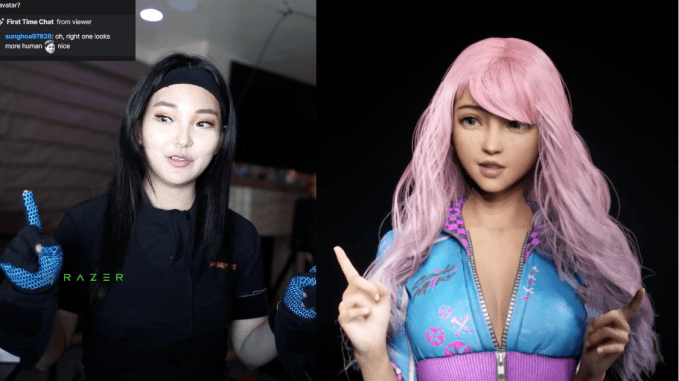
It was the world’s largest gathering of internet celebrities. As I waited to meet Twitch streamer Code Miko in a hotel lobby at VidCon, I spotted an Instagram-famous husky, a fan favorite contestant from Netflix’s “The Circle,” and a controversial beauty blogger. But when a fashionable Korean American woman approached me, I realized I was half expecting to see a 3D, hyperrealistic animation in front of me, rather than a real human. Maybe it was the near-hallucinatory exhaustion from day three of a massive online video convention, but unlike so many of the social media stars in the echoing hotel entrance hall, VTubers like Code Miko are sometimes unrecognizable in person. A movement originating in Japan, “VTuber” means “virtual YouTuber,” but the culture is also prevalent on other streaming sites like Twitch, where Code Miko has almost a million followers. To build their virtual personas, streamers use motion-capture (or even just AR face-tracking) technology to embody a virtual avatar and weave a backstory and mythos around the character. “I thought it would be really fun to be another character,” the streamer told TechCrunch. “I just felt like I had this vision. I wanted to take control of a virtual character and have the audience be able to interact with her live on stream. I’m a big fan of ‘Ready Player One,’ so when I felt like I could make a tiny percent of it, I was really excited.” The Code Miko character, for instance, is an NPC (non-playable character) who dreams of starring in a major video game, but she’s too glitchy, so she’s resorted to streaming instead. Fans call the actual human behind the avatar “the Technician,” but her first name is Yuna. Since Yuna was a VR animator before she was laid off in the pandemic and created Code Miko — which is now her full-time job — her avatar is far more realistic than most VTubers. Also, most VTubers would never dare meet a journalist in person, let alone show their face on stream. But Yuna sometimes shows her face to offer viewers a behind-the-scenes peek at her mocap technology. VTuber avatars usually resemble anime characters, since the genre first emerged in Japan. Fans disagree about who the first VTuber was — some say that the culture was sparked by Hatsune Miku, the avatar of a Vocaloid music production software who has opened for Lady Gaga, appeared on David Letterman, and performs live for stadium-sized audiences. Others credit Kizuna AI, a project of Japanese tech company Activ8, who started her channel in 2016 and coined the term “VTuber.” Kizuna AI’s popularity birthed a new generation of online stars in Japan. Unlike Japanese idol culture, which holds its real-world celebrities to impossibly high standards, VTubers are more free to be themselves, even though they’re performing as a virtual character.
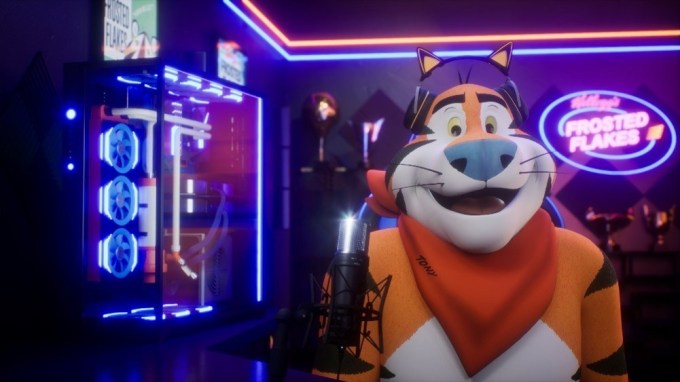
“They exist in this space between anime character and real person,” said anime YouTuber Gigguk in a video. “But they can explore original ideas or get away with things that other people can’t who exist in the same space.” VTubers thrived for years in Japan, but the genre turned heads around the world during the pandemic. As much of the world entered lockdown, the massively popular VTuber agency HoloLive launched its English-language division, courting a new audience of Western viewers. The plan didn’t just work. It changed the landscape of streaming forever. In just two years, HoloLive English’s most popular VTuber Gawr Gura has amassed over 4 million YouTube subscribers. The white-haired anime girl wears an oversized, blue shark hoodie, her face framed by the hoodie’s shark teeth. Of course, her bright blue eyes are the same color as the highlights in her hair, and when she smiles, her adorable shark-like teeth peek out. She’s a musical artist, as many VTubers are, and she streams games like Minecraft, Mario Kart and even Japanese Duolingo. According to her channel description, she is “a descendant of the Lost City of Atlantis, who swam to Earth while saying, ‘It’s so boring down there LOLOLOL!’” At the same time, HoloLive also introduced talent like Mori Calliope (2 million subscribers), who claims to be “the Grim Reaper’s first apprentice” and became a VTuber to “collect souls” from her viewers. Calliope is a red-eyed rebel, adorning her pastel pink hair with a black crown and veil. We can’t confirm the progress of her soul-harvesting, but when it comes to money, Calliope is certainly succeeding. According to Playboard, an independent YouTube analytics site, Calliope earned $854,595 in 2021 just from superchats (a YouTube livestream monetization feature), making her the seventh-most superchatted YouTuber in the world. Who were the six streamers who out-earned Calliope’s superchats? Also VTubers, of course. It’s rare for a VTuber to reveal their human body like Code Miko — for many of these streamers, the anonymity is the whole point. You don’t have to sign to a major agency like HoloLive to become a VTuber. Though Code Miko’s technology is ultra-advanced and puts Mark Zuckerberg’s metaverse to shame, it’s not the norm. With only an iPhone, a new streamer can create a face-tracked, 2D virtual persona. Now, there’s a growing community of trans VTubers, some of whom say that adopting an avatar has helped them navigate gender dysphoria. Unlike the TikTok side of social media, where showing your face is almost non-negotiable, VTubers can show another side of themselves screen. VTuber Ironmouse, for example, is the most-subscribed female streamer on Twitch. But in real life, the Puerto Rican gamer is chronically ill and sometimes bed-ridden, so VTubing helps her have fun and socialize, especially when isolating from the coronavirus. For some streamers, these avatars are also barriers against harassment. “I don’t get the same amount of bad treatment online as my female coworkers do,” Yuna told TechCrunch. “It’s harder to troll somebody that’s a cartoon.” Then again, in a recent stream where she showed off her state-of-the-art mocap suit, she called out a viewer for commenting that her technology was “the future of porn.” While some VTubers do get a bit racy — it is the internet, after all — there’s more to these digital personas than sex appeal. “I think for people who watch VTubers, a lot of them don’t even care about who is behind the avatar, who is the voice actor,” explained Zhicong Lu, an assistant professor at the City University of Hong Kong who has studied VTubers. “It’s more about the persona, the avatar, and they know very little about the real life of that voice actor.” Anonymity creates its own set of new challenges, though. “Especially for VTubers run by companies, the voice actors may be replaced, and their labor may be exploited,” Lu said. Many of the most popular VTubers are created or managed by agencies like HoloLive, Nijisanji and VShojo. VTubers have distinct personalities informed by their voice actors, but it’s possible for agencies to bring on a new voice actor without fans noticing. Plus, it’s not public knowledge what the percentage of pay the talent gets from the agency. “The tricky thing is, people actually cannot see anything,” Lu told TechCrunch. “It’s totally opaque. It’s not transparent, because of the avatar.” In mid-August, a VTuber of Tony the Tiger made his streaming debut as part of a partnership with Twitch. Yes, that Tony the Tiger, the Kellogg’s Frosted Flakes mascot who has appeared on cereal boxes since 1952.
Image Credits:Kellogg’s (opens in a new window) A marketing and VTubing expert, Teddy Cambosa told TechCrunch that brands like Netflix, SEGA and AirAsia have used VTubers in their marketing. But activating the massive fanbase around VTubers isn’t so easy as simply participating. “Brands need to better understand that tapping into the VTuber space need to understand that the demographic is not just for the short-term period,” Cambosa said. “Once they understand the culture and behavior of these fans, they can tap into the fan’s loyalty in order to acquire them as potential customers and retain them in the longer run.” Tony the Tiger’s VTuber debut was awkward. The mascot did not actually play “Fall Guys” along with the four IRL streamers who joined him, and he left the stream for long stretches of time, prompting thousands of viewers to demand Tony’s return in the Twitch chat. He made up for his absence a little bit, though — Tony the Tiger told his 13,000 viewers that they are his “pog champs.” Beyond the VTuber space, brands like Pacsun and Calvin Klein have partnered with Lil Miquela, a completely fictional Instagram influencer who is operated by a venture-backed company called Brud. But these advertising campaigns are often met with backlash — why not partner with a real, non-CGI woman to model these clothes? Social media is already criticized for harming teen girls, in part by promoting unrealistic beauty standards. But no beauty standard is as unrealistic as a virtual ideal of a female body. Tony the Tiger and Lil Miquela have the technology and the financial backing to be technically impressive and well-marketed, but VTubers have to be authentic to connect with fans. Even for VTubers who only connect with audiences through their avatars, the phenomenon is ultimately about the human connection. After all, there’s still a real human behind those big anime eyes — even if you’ll never see their face.
For most people, the first thing that comes to mind about George Thorogood & the Destroyers is "Bad to the Bone." The song. But not the album of the same name. Thorogood's iconic hit, part of enough movie and TV soundtracks to buy him much more than one bourbon, scotch or beer, serves as the title track for the band's fifth album and the first for a major label, EMI, after a tenure with the independent Rounder Records. The 10-song set caught Thorogood and his group in high flight, too, hot off dates opening for the Rolling Stones and the Freeze-Frame-hot J. Geils Band. The band had been in front of a lot of eyeballs and eardrums, and the moment to capitalize had arrived. "It was a big deal — a bigger deal, at least," Thorogood, who rerecorded seven of Bad to the Bone's tracks for a 2007 reissue, told this writer a few years later. "It was a bigger record company and they were ready to put some money behind us and get the records in the stores and push it. … I don't know if we felt pressure. We just went in and did what we do. It'd be stupid to try to be anything else." That philosophy served Bad to the Bone well. The album reached No. 43 on the Billboard 200, went gold and spawned Thorogood's first two Top 40 Mainstream Rock chart hits: his version of the Isley Brothers' "Nobody but Me" (later a Top 10 garage-rock hit for the Human Beinz), which climbed to No. 32, and the title track, which reached No. 27. "Bad to the Bone" has gotten and continues to get its due. But what about the rest of the Bad to the Bone album? It's certainly a record that can be held up as one of the Destroyers' best, and a case can be made that it's the best. To prove it, we steer you to these half-dozen additional tracks that put some extra meat on the Bone beyond its celebrated title song. "Back to Wentzville" "Back to Wentzville" is a Chuck Berry-styled rocker with onetime Rolling Stone Ian Stewart pounding piano in the background and Hank Carter unleashing a ferocious saxophone solo. The first of Thorogood's three originals is a bar-band template that gives your speakers, or earbuds, an aerobic workout.
"Blue Highway" On "Blue Highway" the Destroyers get high and lonesome on a rootsy track co-written by Electric Flag frontman Nick Gravenites. Thorogood starts with just his voice and guitar before the band kicks in after the first chorus, honky tonkin' its way to a hot slide solo that takes the track out.
"Nobody But Me" A frat party is as good a fit for the Destroyers as a bar, and one can see the group tearing through the rowdy "Nobody but Me" in Animal House's toga-party scene right after Otis Day and the Knights finish "Shout." The Bad to the Bone take is faithful but stripped down, drummer Jeff Simon pounding it into a furious but joyous explosion.
"Miss Luann" There's much to like about Thorogood's third original on the album, "Miss Luann" – from the opening slide guitar riff to more of Ian Stewart's rollicking piano and a chugging boogie rhythm accented by more of Hank Carter's sax honks. It's prototypical Destroyers, and whoever said that was a bad thing?
"As the Years Go Passing By" "As the Years Go Passing By" is another nice change of pace, slow and soulful with a rich sax solo by Carter. The tune has a bit of a confusing history: Originally recorded by Fenton Robinson in 1959, it was written by Harrison "Peppermint" Harris but credited to Deadric Malone, a pseudonym for Duke Records owner Don Robey. It's another example of the way writers and artists were exploited by their labels back in the day.
"Wanted Man" If anyone thought Bob Dylan wasn't in George Thorogood's wheelhouse, his album-closing treatment of "Wanted Man" proves otherwise. Turns out Thorogood is pretty adept on acoustic guitar (those paying attention already knew this), and his grizzled vocal is a perfect fit for the song's chippy cadence. On the album itself, it provided a counterpoint to the fusillade of "Bad to the Bone," which comes right before it.
LOS ANGELES (AP) — If Randy Rainbow is adored by the legendary Carol Burnett, and he is, what flimsy excuse could TV academy voters have to deny him an Emmy for his fourth nomination? Rainbow, who has raised musical parody to a political-satire art form, is again David facing Goliath. His competition in the short-form series category includes shows from James Corden, Stephen Colbert and Seth Meyers. Corden’s “Carpool Karaoke: The Series” has nabbed the award the past three years. Does Rainbow see the British actor-comedian as his chief nemesis? “Nemesis is a strong word,” Rainbow replied, waiting a perfectly timed beat: “Enemy,” he said, tongue-in-cheek. “No, I’m a big James Corden fan, so it’s been an honor to share the category with him. They could throw it to the little guy every once in a while.” It’s true that the self-described little guy doesn’t have a network or its resources to draw on. But his YouTube videos — typically merciless, fearless and peppy roasts of conservative politicians and policies — have racked up more than a half-billion views, and he’s amassed 3 million-plus social media followers. “He’s a genius,” Burnett said of Rainbow. “His lyrics are right up there with Stephen Sondheim….In fact, Steve said he’s one of the best lyricists around today. I mean, that’s a quote from Sondheim, and that’s from the master himself.” The late Sondheim said just that. John Legend and Lin-Manuel Miranda are among Rainbow’s many other prominent admirers. His latest Emmy nomination is for “Gay,” which takes on Florida’s GOP governor and the new law he championed that bans lessons on sexual orientation and gender identity in kindergarten through third grade. The award will be given Sept. 3 as part of the creative arts Emmy ceremony that precedes the Sept. 12 main awards show. “It’s my send-up, tribute I guess you could call it, to Ron DeSantis and his ‘Don’t Say Gay’ bill,” Rainbow said, using the title bestowed by its critics. “That video obviously has a lot of meaning, and I was very proud that it made such an impact. It was nice to be recognized for that one.” But it’s the desire to entertain, not punditry, that drives his career, he said. “I didn’t get into this because of an interest in politics. I’m certainly more interested in politics now than I was when I started doing YouTube videos 11 years ago,” he said, attributing the shift to his own maturity and the times. “But I try to stay true to my initial intent, which is only to be amusing and bring a little levity to these situations which are otherwise anything but light,” he said. “I think that that’s the reason that it continues to resonate with people and why people still get a kick out of my stuff.” The escapism of make-believe is what helped sustain Rainbow — his real family name — as a shy and bullied youngster, along with the unstinting love of his mother, Gwen, and the grandmother he called Nanny. The three of them shared a passion for music, and Rainbow credits Nanny’s caustic humor as another key influence. When he hit adolescence, Gwen Rainbow accepted without hesitation that her son was gay. In his touching and lively new memoir, “Playing With Myself,” Rainbow recalls his mom’s reassurance that she “loved her gay friends.” “I certainly didn’t remember ever meeting them,” Rainbow writes. “I mean, I’m gay five minutes and suddenly my mother’s Liza Minnelli at Studio 54?” His musician-father was “reasonably tolerant,” Rainbow says in the book. But Gerry Rainbow dismissed young Randy’s early artistic efforts, telling him he’d never earn a living “wearing wigs and making silly videos.” So much for predictions, with Rainbow’s YouTube success just the start. He’s on the road with his national “The Pink Glasses Tour,” named for a favorite accessory (and a song he co-wrote with composer Alan Menken). His latest album, “A Little Brains, a Little Talent,” includes duets with Bernadette Peters and Patti LuPone, Broadway stars he’d long admired from afar. Rainbow still runs a lean video operation. The studio is in his two-bedroom New York City apartment, “where all the magic happens,” he said during a recent Zoom interview, gesturing at the modest space. A producer, arranger and musicians tailor songs to Rainbow’s specifications. He writes the lyrics often usually set to the Broadway tunes he reveres. In the guise of a TV reporter, he conducts mock interviews with clips of his targets before launching into a bespoke song. He’s lead vocalist, his own backup singers in a dazzling array of costumes, and he does the editing. He knows how to sell a song. Rainbow’s supple voice adapts easily to every tune, and his boyishly handsome face becomes a veritable flipbook of vivid expressions that slide from faux sincerity to skepticism to wide-eyed alarm. The source material Rainbow draws on is equally varied. “Gurl, You’re a Karen,” which mocks Republican Reps. Marjorie Taylor Greene and Lauren Boebert, is set to the tune of “Dentist,” sung by Steve Martin in the 1986 film “Little Shop of Horrors.” “Gay” is set to “Shy,” a song Burnett performed when she made her Tony-nominated Broadway debut in the 1959 musical “Once Upon a Mattress.” In his first viral political video, Rainbow inserted himself as moderator of the 2016 Donald Trump-Hillary Clinton presidential debate and did a “Mary Poppins” riff on Trump’s use of the impromptu word “braggadocious.” “He’s super callous, fragile, egocentric braggadocious. Likes to throw big words around and hopes that we all notice. If he keeps repeating them they might just make him POTUS,” belted out Rainbow. The biting lyrics and brassy on-screen persona aside, Rainbow is “funny and loving, and there’s just this kind of sweetness to him,” said Burnett, a friend as well as a fan. “You just fall in love with him.” Burnett said she shares his political perspective, but Rainbow has learned from meeting fans that they aren’t all in sync. Some have bluntly informed him they dislike his views but love his videos. “In a way, what I’m trying to do is transcend the politics of it all. So that’s always nice to hear,” he said.
Advertisement Supported by The Playlist Hear tracks by Blake Shelton, Chloe Moriondo and Madonna. Send any friend a story As a subscriber, you have 10 gift articles to give each month. Anyone can read what you share. By Jon Caramanica, Caryn Ganz and Lindsay Zoladz Every Friday, pop critics for The New York Times weigh in on the week’s most notable new songs and videos. Just want the music? Listen to the Playlist on Spotify here (or find our profile: nytimes). Like what you hear? Let us know at [email protected] and sign up for our Louder newsletter, a once-a-week blast of our pop music coverage. Over the four years leading to its 2020 debut album, Blackpink — Jennie, Jisoo, Lisa, Rosé — became one of K-pop’s biggest global success stories: musically modern, engaged with pop from around the world, versatile. The first single from the group’s upcoming second album, “Born Pink” (due next month) has the comfort of anarchy.Every four bars, a new approach enters — familiar K-pop elasticity, loose Middle Eastern themes, gaudy rock, West Coast rap, and more. It exists out where maximalism moves past philosophy to aesthetic. JON CARAMANICA The remixes on Madonna’s “Finally Enough Love: 50 Number Ones,” out Friday, throb, zigzag and shimmer, highlighting the pop superstar’s deep connection to the dance floor — starting with her 1983 single “Holiday” and wrapping with “I Don’t Search I Find,” the glorious house standout on her most recent studio album, “Madame X” (its lyrics give the collection its name). As a full body of work, Madonna’s 2005 LP “Confessions on a Dance Floor” represents her most potent love letter to the form, and the Jacques Lu Cont Vocal Edit remix of its “Get Together,” available digitally for the first time, is a refreshing break from the (still great!) 4 a.m.-at-the-club pound that marks most of the set. Replacing its oozing synths with a snaking guitar riff, the track rides nearly like an indie-rock song that eventually glitches out and finds a way home again. CARYN GANZ ⣎⡇ꉺლ༽இ•̛)ྀ◞ ༎ຶ ༽ৣৢ؞ৢ؞ؖ ꉺლ), ‘[] vȯ)) ̷̨ʅ (ʅ(Ɵʅ():::()̵̳̗̊(Ɵʅ()vȯ)) ̷̨ʅ)’ This garble of characters is an alias of the innovative electronic music producer Kieran Hebden (also known as Four Tet). His fleet and cheeky new song is indebted to sensual garage and boisterous house. CARAMANICA Like Zedd and Maren Morris’s previous collaboration, the unavoidable pop smash “The Middle,” “Make You Say” is the expertly engineered product of a whole cadre of collaborators: This time around, that includes co-writing credits from the sibling D.J. duo Beauz and the thirst trap aficionado Charlie Puth. All throughout, Morris hopscotches nimbly across Zedd’s syncopated arrangement and sing-songy melody, but the song is at its best when it really lets her rip, contrasting the grainy texture of her voice with the sleek surfaces of Zedd’s production. “You got your arms around her when you sleep,” she belts with alluring sass, “but I’m the one you dream about.” LINDSAY ZOLADZ An industrial post-reggaeton thumper about the sweat at the intersection of money and sex. CARAMANICA The ever-evolving Chloe Moriondo — a young musician who basically came of age on her YouTube channel — makes an exhilarating pivot to hyperpop on “Fruity,” the first single from her forthcoming album, “Suckerpunch.” The song begins with Moriondo singing in her signature, sweetly muttered register atop some bright, pulsating synths, but as it builds in intensity her vocals become increasingly urgent and start to warp like melting plastic. “So close I can almost taste,” she sings of a “fresh and fruity” crush who she compares to a whole litany of sugary treats, building toward a chorus that’s deliciously hysterical and relentlessly catchy. ZOLADZ It turns out that Pony, the tuneful grunge-pop band from Toronto, is quite aptly named: Earlier this year, the vocalist and guitarist Sam Bielanski announced a new gig: voicing a character in a “My Little Pony” cartoon. The charismatic pull of Bielanski’s vocals are on full display on the group’s new, ’90s-alt-rock-nodding single “Peach,” a bittersweet tale of love bombing and, eventually, cold clarity. “Picturing the salt of the beach,” Bielanski sings on the chorus, as a kind of personal reminder, “’Cause I don’t wanna drown in the taste of this peach.” ZOLADZ A sashaying splash of early ’90s power-country revivalism from Blake Shelton, a superstar who’s traversed many styles with ease in his career, but never quite owned one. Here he’s reviving a once-rowdy sound and nodding to Brooks & Dunn (“Don’t wanna scoot the boots with nobody”) — a convincing mimic, as ever. CARAMANICA “Happen,” from the Brooklyn-based indie musician Nick Hakim, is a hypnotic, woozily romantic ballad that nonetheless contains flashes of melancholic darkness: The muted, sludgy acoustic guitar conjures Elliott Smith, while the close-miked, near-whispered vocals are faintly reminiscent of the softer side of the Deftones. That overcast sound, though, balances out the openhearted nature of Hakim’s lyrics, which are almost devotional in their description of a transformative love. “The sweetest angel fell into my world,” he sings. “She gives me reason, was lost for a damn long time.” ZOLADZ Advertisement
@FredericLambert Rivian (RIVN) announced this week that it is laying off 6% of its workforce in order to focus on its electric pickup truck production ramp.
Over the last few months, many tech companies have announced layoffs in reaction to the changing economy that points toward a recession. In the EV industry, Tesla announced it is laying off about 10% of its salaried employees – though we reported that it also laid off many hourly employees over the last few months. Now Rivian is also announcing some layoffs with an expected 6% cut in headcount. There had been rumors that this was in the plans over the last few weeks, but CEO RJ Scaringe confirmed it in an email to employees yesterday (via Techcrunch): Over the last six months, the world has dramatically changed with inflation reaching record highs, interest rates rapidly rising and commodity prices continuing to climb — all of which have contributed to the global capital markets tightening. We are financially well positioned and our mission is more important than ever, but to fully realize our potential, our strategy must support our sustainable growth as we ramp toward profitability. We need to be able to continue to grow and scale without additional financing in this macro environment. To achieve this, we have simplified our product roadmap and focused on where it is most impactful to deploy capital. Considering Rivian employs about 14,000 workers, a 6% cut will affect hundreds of employees. However, Rivian is being a lot more generous than the Texas-based automaker as its severance packages include 14 weeks of regular pay and health coverage, Rivian-paid COBRA benefits and continuation of mental health and fertility benefits through the end of the year, job placement assistance and this quarter’s equity vesting. Scaringe also apologized in an email to employees: To those leaving Rivian, I am genuinely sorry. Thank you for pouring so much of yourself into what we’re building. You will always be a part of our story and continue to be an important part of our community. Since Rivian is trying to focus its resources on its production ramp of the R1T electric pickup truck, R1S SUV, and its electric delivery van, the automaker confirmed that the manufacturing operations team working at its Normal, Illinois, plant would not be impacted by the layoffs. Last quarter, Rivian produced 4,401 electric vehicles – bringing the total to 7,969 EVs since the start of production late last year. The automaker aims to build 25,000 vehicles this year. Add Electrek to your Google News feed. FTC: We use income earning auto affiliate links.More. Subscribe to Electrek on YouTube for exclusive videos and subscribe to the podcast.
@FredericLambert Fred is the Editor in Chief and Main Writer at Electrek. You can send tips on Twitter (DMs open) or via email: [email protected] Through Zalkon.com, you can check out Fred’s portfolio and get monthly green stock investment ideas. Here are the cars eligible for the $7,500 EV tax credit VW receives over 10k orders for ID Buzz electric van Rivian will soon deliver Ocean Coast interiors Dodge shows ‘Banshee’ electric Charger concept
Thank you for visiting nature.com. You are using a browser version with limited support for CSS. To obtain the best experience, we recommend you use a more up to date browser (or turn off compatibility mode in Internet Explorer). In the meantime, to ensure continued support, we are displaying the site without styles and JavaScript. Advertisement Scientific Reportsvolume 12, Article number: 14158 (2022) Cite this article 1 Altmetric Metrics details Acute myeloid leukemia (AML) is a malignant disease of immature myeloid cells and the most prevalent acute leukemia among adults. The oncogenic homo-tetrameric fusion protein RUNX1/ETO results from the chromosomal translocation t(8;21) and is found in AML patients. The nervy homology region 2 (NHR2) domain of ETO mediates tetramerization; this oligomerization is essential for oncogenic activity. Previously, we identified the first-in-class small-molecule inhibitor of NHR2 tetramer formation, 7.44, which was shown to specifically interfere with NHR2, restore gene expression down-regulated by RUNX1/ETO, inhibit the proliferation of RUNX1/ETO-depending SKNO-1 cells, and reduce the RUNX1/ETO-related tumor growth in a mouse model. However, no biophysical and structural characterization of 7.44 binding to the NHR2 domain has been reported. Likewise, the compound has not been characterized as to physicochemical, pharmacokinetic, and toxicological properties. Here, we characterize the interaction between the NHR2 domain of RUNX1/ETO and 7.44 by biophysical assays and show that 7.44 interferes with NHR2 tetramer stability and leads to an increase in the dimer population of NHR2. The affinity of 7.44 with respect to binding to NHR2 is Klig = 3.75 ± 1.22 µM. By NMR spectroscopy combined with molecular dynamics simulations, we show that 7.44 binds with both heteroaromatic moieties to NHR2 and interacts with or leads to conformational changes in the N-termini of the NHR2 tetramer. Finally, we demonstrate that 7.44 has favorable physicochemical, pharmacokinetic, and toxicological properties. Together with biochemical, cellular, and in vivo assessments, the results reveal 7.44 as a lead for further optimization towards targeted therapy of t(8;21) AML. RUNX1/ETO is an oncogenic homotetrameric fusion protein found in t(8;21)-dependent acute myeloid leukemia (AML) patients1. This form of AML is characterized by an achieved complete remission for ~ 50% to 75% of patients2, a relapse-free survival rate of ~ 20% to 30%2, and a 5-year overall survival rate of ~ 50%3. Because no targeted treatment of t(8;21)-dependent AML is available at the moment, the discovery of new therapeutic targets with the potential to improve the overall survival rate is of utmost importance4. RUNX1/ETO is composed by the DNA-binding Runt-domain5, the product of the RUNX1 gene, and by four nervy homology regions (NHR1-4), the product of the ETO gene (Fig. 1A)6. The NHR2 domain is responsible for the tetramerization of RUNX1/ETO7. Furthermore, the NHR3- and NHR4-deleted versions of RUNX1/ETO and other short variants rapidly induce leukemia in a mouse bone marrow transplantation model8. Recently, the specificity of the NHR2 domain was displayed by replacing the NHR2 domain from full-length RUNX1/ETO with a structurally similar BCR tetramerization domain resulting in a loss of CD34 + progenitor cell expansion9. Thus, the NHR2-mediated tetramerization is necessary for the onset and maintenance of t(8;21)-dependent AML10. Hence, the disruption of RUNX1/ETO tetramerization is a promising strategy to fight AML. Schematic representation of RUNX1/ETO tetramerization. (A) Depiction of the chimeric RUNX1/ETO fusion protein containing the nucleotide-binding domain (NBD) and four nervy homology regions (NHR). The NHR2 domain (marked in blue) mediates homo-tetramerization. (B) X-ray crystal structure (PDB ID 1WQ6) of the NHR2 domain. For the clarity of the tetrameric α-helical bundle, one antiparallel α helical pair is shown in ribbon view and the other in surface view. The five predicted hot spot residue11 side chains (W498, W502, D533, E536, and W540) are shown in stick representation and colored by elements (C) Primary amino acid sequence of the NHR2 domain shown in black, hot spot residues are colored in red, other ETO residues in gray. (D) Molecular structure of 7.44. Previous studies identified five hot spots residues, W498, W502, D533, E536, and W540 (Fig. 1B,C), as essential for the tetramerization of NHR211. By mutating the hot spots to alanine, resulting in what has been termed M5 variant, we demonstrated that RUNX1/ETO-dimers, in contrast to tetramers, do not block myeloid differentiation and fail to induce AML in mice10. Thus, the hot spot residues of NHR2 represented a target for developing inhibitors of RUNX1/ETO tetramerization and a molecular intervention in t(8;21)-dependent AML that had not yet been addressed. An 18-mer peptide containing the hot spot residues inhibited the tetramerization of NHR2 with an IC50 of 250 µM (BS3 cross-linking assay) and 390 µM (ELISA)11. Although this example shows that inhibiting NHR2 tetramerization on a molecular level is possible, the 18-mer has unfavorable pharmacological properties. Therefore, exploiting the pattern of a subset of the hot spots (D533, E536, and W540) as a query for virtual screening, we identified the first-in-class small-molecule inhibitor of NHR2 tetramer formation, 7.44 (Fig. 1D)11. 7.44 was shown to specifically interfere with NHR2, restore gene expression down-regulated by RUNX1/ETO, inhibit the proliferation of RUNX1/ETO-depending SKNO-1 cells, and reduce the RUNX1/ETO-related tumor growth in a mouse model12. These findings, together with other favorable properties of 7.4411, such as low molecular weight, a high ligand efficiency, and a non-complex chemical structure, suggest that 7.44 could serve as a lead structure to guide the development of structurally related compounds with increased binding affinity, improved bioavailability, and enhanced anti-leukemic effects to inhibit RUNX1/ETO oncogenic function in t(8;21) AML. However, biophysical and structural characterization of 7.44 binding to the NHR2 domain has not been done yet. Likewise, the compound has not yet been characterized as to physicochemical, pharmacokinetic, and toxicological properties. In this study, we established biophysical assays based on differential scanning fluorimetry (also termed thermal shift assay (TSA)) and microscale thermophoresis (MST) to determine the binding affinity of 7.44 to NHR2 and show that the dissociation constant of 7.44 from the NHR2 dimer, Klig, is 3.75 ± 1.22 µM. We also suggest how 7.44 interferes with NHR2 tetramer stability based on integrative modeling using saturation transfer difference NMR (STD-NMR) and multidimensional NMR experiments as well as molecular dynamics (MD) simulations of free ligand diffusion. These studies indicate that 7.44 binds at the NHR2 termini and reveal moieties of 7.44 important for binding. Finally, we report favorable physicochemical, pharmacokinetic, and toxicological properties of 7.44. These results are a significant step towards understanding how 7.44 inhibits NHR2 tetramerization at the molecular level and should aid in the development of improved inhibitors of NHR2 tetramerization. The NHR2 domain was overexpressed and purified, and the resulting material yielded homogeneous, monodisperse species in solution. The sample was homogenous as analyzed by size exclusion chromatography (SEC) (Fig. 2A), SDS-PAGE (Fig. S1), and dynamic light scattering (DLS) (Fig. S3). The oligomeric state of purified NHR2 was assessed by analytical ultracentrifugation (AUC) (Fig. S4). The sedimentation profiles of NHR2 show a single major species with a sedimentation coefficient (S value) of 3.07, which corresponds to the molecular weight of 37.3 kDa. This value is in agreement with the calculated molecular weight of an NHR2 tetramer of 34.2 kDa. Similarly, Histag-SUMO-NHR2 protein was characterized by SEC, showing a single elution peak that reveals that the sample is homogeneous (Fig. S1), and AUC, yielding a good agreement between the measured (79 kDa) and calculated (83 kDa) molecular weight (Fig. S4). The weight percent contribution of the tetramer in 35 µM of NHR2 is 94% as obtained by integration of the continuous sedimentation coefficient distribution function. To check the function of the purified NHR2, we performed isothermal titration calorimetry (ITC) with the HEB fragment of E proteins (HEB (176–200)). The NHR2 domain has been shown to interact with the HEB fragment48. The resulting isotherm (Fig. S5) yielded a binding enthalpy ΔH = − 15 ± 6 kcal/mol and a dissociation constant KD = 30 ± 4 µM, and this KD value is in the same range as previously reported48. Stability of the NHR2 tetramer with and without 7.44 studied by size exclusion chromatography, DSF, and CD spectroscopy. (A) Elution profiles of purified proteins of the NHR2 domain (black) and M5 variant (cyan) from size exclusion chromatography (SEC) obtained at 280 nm absorbance: higher-order oligomers (a), tetramer (b), and dimer (c). The integration of peaks (b) and (c) of the NHR2 domain yields 92% of the tetramer and 8% of the dimer. (B) Elution profiles of 30 µM of apo NHR2 (black), 150 µM of 7.44, and NHR2:7.44 with molar ratios of 1:1 (blue), 1:2 (magenta), and 1:5 (green) obtained from SEC at 280 nm. Samples were incubated at 37 °C for 2 h and then incubated overnight at room temperature prior to the experiment. (C) Fluorescence intensity in the presence of 7.44 at different concentrations; for better visualization, the curves were shifted along the y-axis to match them at the point between the two melting points of dimer and tetramer. (D) Thermal denaturation of apo NHR2 (black) and NHR2 in the presence of 7.44 (red) monitored by CD spectroscopy at 222 nm wavelength. The CD data was normalized with respect to the highest ellipticity value for better comparison. The SEC profile of NHR2 showed peaks that likely correspond to higher-order oligomer (a), tetramer (b), and dimer (c) (black in Fig. 2A). Integration of peaks (b) and (c) reveals a relative abundance of 92% for the tetramer and 8% for the dimer, similar to the AUC data. These data are consistent with previously published sedimentation results7,10. Earlier it was shown that the M5 variant forms a dimer but not a tetramer10. This finding is concordant with the crystal structure of NHR2 (PDB ID 1WQ6)7, which reveals a four-helix bundle formed by four amphipathic α-helices, consisting of a symmetric dimer of dimers, where monomers in a dimer are oriented in a head-to-tail orientation. The M5 variant was overexpressed, purified, and characterized by SEC (Fig. 2A), SDS-PAGE (Fig. S1), and AUC (Fig. S4). The SEC profile of the M5 variant showed higher-order oligomers (a), a potential contribution of tetramers (b), and dimer (c) (cyan in Fig. 2A). The high intensity of elution peak (a) is concordant with the increased instability of the variant, which shows a higher tendency to form oligomers. AUC data of the M5 variant showed a slightly greater molecular weight compared to the theoretical one. Therefore, to confirm the dimeric state of the M5 variant, we performed AUC for the SUMO-M5 fusion protein, where we observed a measured molecular weight of 43.4 kDa, which agrees very well with the theoretical one of 43.9 kDa for the dimer (Fig. S4). Next, we analyzed the stability of the NHR2 tetramer in the presence of 7.44 by SEC, differential scanning fluorimetry (DSF), and CD spectroscopy16,49. The SEC chromatograms indicate that increasing 7.44 concentrations lead to an increase in the relative ratio of NHR2 dimer to tetramer in the sample (Fig. 2B). 7.44 alone, measured as a control, does not show any absorbance at the expected elution volume of the protein (Fig. 2B); 7.44 is eluted between 27 to 30 ml (Fig. S2C). Peak (c) of the dimer species increases with increasing 7.44 concentration, most probably due to a shift in the equilibrium from the tetramer to the dimer, indicating that 7.44 interferes with NHR2 tetramer stability. The decrease in the height of peak (b) of the tetramer species is not monotonic. Note, however, that the peak heights are inversely mirrored by those of peak (a) of higher-order oligomers. Due to the involvement of higher-order oligomers and the possibility that the absorption characteristics of 7.44 change when interacting with NHR2, which may contribute to the height of peak (c), we refrained from analyzing this data quantitatively. In DSF, the thermally induced protein unfolding is monitored by the binding of the fluorescent dye SYPRO Orange50 to the hydrophobic core of a protein that becomes exposed upon unfolding, leading to a related increase in fluorescence emission. The temperature at the midpoint of the unfolding transition is defined as the melting temperature (Tm) of the protein47. Usually, interference of a ligand with a protein results in a shift in Tm of the protein compared to the native state49 and monophasic melting51. However, we previously showed that the melting points of the NHR2 dimer and NHR2 tetramer are ~ 55 °C and ~ 85 °C, respectively10. Inhibition of NHR2 tetramer formation by 7.44 should alter the proportions of the two species in a dose-dependent manner towards the dimer11, as also suggested by the SEC results. In such cases, rather than a monophasic melting at an intermediate melting temperature, a biphasic melting can occur, with NHR2 appearing to melt at the melting temperatures of the dimer and the tetramer51. Over a concentration range of 7.44 of a factor of ~ 100, melting occurs at 84–85 °C (Fig. 2C, Fig. S7), suggesting that this melting point relates to the tetramer species. The height of the fluorescence peak associated with this melting decreases with increasing 7.44 concentration (Fig. 2C), indicating that the NHR2 tetramer concentration in the equilibrium declines. As to the melting of the dimer species at ~ 55 °C, an increase in the fluorescence signal at that temperature with increasing 7.44 concentration is observed, indicating that the NHR2 dimer concentration in the equilibrium rises. However, no clear melting points can be detected, because of an overlay with a strong and, with increasing temperature decreasing, fluorescence signal that has its maximum at ~ 30 °C. The fluorescence signal at that temperature also roughly increases with 7.44 concentration. This fluorescence signal may be explained in that dimeric NHR2 exposes its hydrophobic protein–protein interface10 to which SYPRO Orange can bind; a temperature increase disfavors SYPRO Orange binding, which leads to a decrease in fluorescence16. Although these results demonstrate that 7.44 interferes with NHR2 tetramer stability and leads to a decline in NHR2 tetramer concentration with increasing 7.44 concentration, a quantitative analysis of this data is compromised due to the lack of a clear melting point at ~ 55 °C51. We also examined the thermal stability of NHR2 in the absence and presence of 7.44 by CD spectroscopy. The minima at negative ellipticity values at 208 nm and 222 nm wavelength indicate the presence of an α-helical structure in NHR2 in the absence of 7.44 (Fig. S6), as expected from the crystal structure 7. Upon addition of 7.44, the ellipticity curve followed the same trend as for free NHR2, demonstrating that the α-helical structure is retained in the presence of 7.44 (Fig. S6); likewise, the dimeric M5 variant also retained the α-helical structure10. Note that due to the high voltage in the detector caused by the presence of DMSO in the buffer, the spectrum was recorded only from 213 to 250 nm wavelength. Therefore, the impact on the thermal stability of NHR2 by 7.44 was monitored at 222 nm wavelength (Fig. 2D). Both apo NHR2 and NHR2 in the presence of 7.44 exhibited a cooperative biphasic melting (Fig. 2D). The melting point (Tm) of the first transition is ~ 48 °C, indicative of melting of the dimer, and the second Tm is ~ 88 °C, indicative of melting of the tetramer10,51. The Tm of the tetramer is similar to the result from DSF (see above) and previous CD experiments10. For the dimeric M5 variant, a melting point of 60 °C was reported, associated with a broad transition between the folded and unfolded state10. The first phase transition is more pronounced in the presence of 7.44, indicating a higher population of dimers due to the interference of 7.44 with NHR2. In addition, the second phase transition of NHR2 in the presence of 7.44 occurs at a lower temperature and is broader, suggesting a less tight association between the NHR2 α-helices. To conclude, these results demonstrate that 7.44 interferes with NHR2 tetramer stability. Furthermore, the increase in the dimer population upon the addition of 7.44 indicates that 7.44 fosters a tetramer-to-dimer transition of NHR2. For determining the dissociation constant of 7.44 binding to NHR2, Klig (Eq. S1b), the tetramer-to-dimer equilibrium upstream of the ligand binding needs to be considered (Eq. 1), characterized by the dissociation constant Ktet (Eq. S1a). For that, we assume that tetrameric NHR2 (T) is in equilibrium with its dimer (D) and that 7.44 (L) binds to D after dissociation of T, leading to Eq. (1). Because of the large distance between the anticipated binding sites at the hot spot regions (Fig. 1C), we furthermore assume that Klig of the first and second ligand binding events are identical. We determined Klig by microscale thermophoresis (MST) measurements as a function of Ktet and EC50 of 7.44 binding to NHR2 according to equations S1–S1252,53. MST is based on measuring the directed movements of molecules along a generated temperature difference (thermophoresis). The movements depend on the combined impact of size, charge, and solvation shell of the molecules. For determining Ktet and EC50, a constant concentration of fluorescently labeled NHR2 was measured in the presence of varying concentrations of the titrants, unlabeled NHR2 or 7.44, respectively. With increasing concentration of the titrant, the fraction of labeled NHR2 that forms a complex with the titrant will increase. To determine Ktet, unlabeled NHR2 was titrated to 100 nM of labeled NHR2 in 16 concentrations ranging from 15 nM to 500 µM. MST was recorded for each sample (Fig. S9A), and a non-linear regression curve was fit with the KD Fit equation (Eq. 2) (Fig. 3A). The inflection point of the curve revealed Ktet = 1.60 ± 0.32 µM. The Ktet value was the same with or without 10% DMSO in the MST buffer. Next, we titrated 16 concentrations ranging from 122 nM to 4 mM of 7.44 to 100 nM of labeled NHR2. Based on the calculated Ktet, more than 94% of the protein is in a dimeric state at this NHR2 concentration. This calculation was confirmed by a microfluidic diffusional sizing experiment, where 100 nM of dye-labeled NHR2 showed only dimer size, according to the measured hydrodynamic radius of 2.22 nm, with a calculated molecular weight of 16.74 kDa (Fig. S8). After overnight incubation of the samples, MST was recorded for each sample (Fig. S9B). To obtain Klig, the MST data was analyzed in two independent ways. First, the resulting binding data was fit to a non-linear regression curve to obtain the EC50 value (Eq. 3) (Fig. 3B). The inflection point of the curve revealed an EC50 of 2.5 ± 0.8 µM (Table 1), demonstrating binding of 7.44 to NHR2 and suggesting a slow dissociation kinetic19. The range of Hill coefficients n = 1.0–1.5 obtained from the fits reveals no or only weakly cooperative binding of 7.44 to NHR2. A control experiment was performed using the same concentrations of 7.44 together with the labeling dye, but without NHR2. A Klig = 3.75 ± 1.22 µM was subsequently computed using Eqs. S11 and S12. A simulation of the species distribution using Klig and Ktet shows how both constants result in a EC50 of 2.5 µM, which was used as a parameter to calculate Klig (Fig. S11). As the majority of NHR2 is in a dimeric state during the MST experiments and assuming that the MST signal is dominated by the formation of DL (Eq. 1), one can expect that EC50 ≈ Klig; these values are in the range of 2 µM to 4 µM and similar within experimental uncertainties. Second, as a further control, Klig was obtained from MST data by considering a 1:2 binding model, assuming that two 7.44 can bind to the symmetric NHR2 dimer, as implemented in the PALMIST software19,20. This yielded Klig = 0.8 µM, 68.3% CI [0, 6] µM (Fig. S10), in the same range as Klig and EC50 above, although with high uncertainty (see Fig. S10 for details). A control MST experiment was performed using the same concentrations of 7.44 together with 150 nM of labeled Histag-SUMO-M5 variant; the magnitude of the thermophoreses appears to be the same, but the affinity is about three orders of magnitude lower (Fig. S9C, Fig. 3B). 7.44 binding to NHR2 detected with MST. (A) Titration of unlabeled NHR2 to a constant concentration of labeled NHR2 induces a change in thermophoresis. Ktet = 1.60 ± 0.32 µM was calculated using Eq. (2). (B) Titration of 7.44 to a constant concentration of labeled NHR2 induces a change in thermophoresis, shown in square symbols. EC50 was calculated by fitting the data points to Eq. (3). The fitted values are shown in Table 1. The range of Hill coefficients n = 1–1.5 was obtained from the fits. When titrating 7.44 to a constant concentration of labeled Histag-SUMO-M5 variant (all five hotspot residues were mutated to alanine), the magnitude of the thermophoresis appears to be the same, but the affinity is about three orders of magnitude lower (shown in star symbols). Error bars denote the standard error in the mean and were calculated from technical triplicate. To conclude, to our knowledge for the first time, the equilibrium constant for the dissociation of the NHR2 tetramer to NHR2 dimers and Klig for 7.44 binding to the NHR2 dimer were determined. In order to understand how 7.44 interacts with NHR2, we used saturation transfer difference-NMR (STD-NMR)26,27 to identify which atoms of 7.44 come close to the protein when the complex is formed (ligand epitope mapping). A typical STD-NMR experiment relies on the ligand exchange between the bound and free states. The difference between a spectrum without saturation of protein resonances (reference spectrum) and a saturated one yields the STD spectrum, in which it is possible to identify (i) if the ligand binds to the protein (there are signals in the STD-NMR spectrum), and (ii) which protons of the ligand are closer to the protein upon binding (by comparing the relative signal intensities)26,27. The reference 1H spectrum of 7.44 and the corresponding STD-NMR spectrum, acquired in the presence of 100-fold molar excess of 7.44, are shown in Fig. 4A,B. All 7.44 protons show a signal in the STD-NMR spectrum, which is a clear indication that 7.44 binds to NHR2, in accordance with MST data. Different protons receive differential amounts of saturation (see color scale in Fig. 4B), which allows mapping the epitope of the ligand. Proton H7´´ shows the highest saturation and was thus set to 100%, indicating its closest proximity to the protein. Other protons of the two ring systems show relative intensities between 64 and 97%, suggesting that 7.44 binds with both ring systems to NHR2. Protons H2 and H3, which are in the connecting alkyl chain, show the lowest detectable intensities of 48% and 20%, respectively. Protons more than 5 Å away from the protein normally do not appear in the STD-NMR spectrum. 1H STD-NMR experiment of 7.44 binding to NHR2. (A) Reference spectrum of 7.44. Assignment of the individual peaks is indicated (see 7.44 structure in the bottom panel). (B)1H STD-NMR spectrum of ligand 7.44 in the presence of NHR2. Relative intensities are indicated on top of the corresponding peaks and mapped onto the structure of 7.44. The circles are colored by the relative intensity of the protons, which is correlated with the proximity to the protein: red—100% (the closest), lighter red—97% to 64%, faded red—48% to 19%. The proton numbering is indicated by the red numbers. Data was acquired at 600 MHz and 298 K, with a 100-fold molar excess of 7.44. To conclude, the STD-NMR data revealed that 7.44 interacts with NHR2 via both heteroaromatic moieties. Next, we proceeded to study the interaction of 7.44 with NHR2 from the protein side. We started by assigning the backbone resonance peaks of NHR2. We used a 325 μM sample of uniformly [2H, 13C, 15 N]-labeled NHR2 and followed a standard triple-resonance-based approach28,29. The NHR2 concentration in these experiments was about 30-times higher than Ktet, shifting the equilibrium to the tetramer side. The solution NMR experiments of the tetrameric NHR2 protein were challenging due to the size and shape of the molecule54. The four inter-twined α-helices of 68 amino acids each led to a rod-like shape of 102 Å length (Fig. 1B). This extended conformation results in a large rotational diffusion anisotropy, causing a poor signal-to-noise ratio and only subtle peaks to be detected in the triple resonance experiments. Furthermore, the chemical shift dispersion of the backbone amide protons is limited to values between 7.5 ppm and 8.5 ppm. Albeit 61 backbone amide peaks were observed in the 1H-15 N TROSY-HSQC spectrum (Fig. S12), only 32% of these could be assigned sequence-specifically due to the low dispersion and low sensitivity in more complex (3D) experiments. The complexity of performing NMR experiments on coiled-coil assemblies is reflected in the PDB database where no solution NMR structure of a tetramer has been deposited (until October 2021) with a monomer size > 65 amino acids54. The number of amide cross-correlations in the 1H–15N TROSY-HSQC spectrum of 2H, 13C, 15N-labeled NHR2 (Fig. 5A) is consistent with a single conformation, indicating that NHR2 forms a symmetric homotetramer in solution. No additional amide peaks were found after three weeks of storing the NMR sample at 35 °C, indicating that no alternative oligomeric structure formed over this time. The N-terminal residues from Q485 to D495, T519, and the C-terminal residues from Y544 to K552 residues were unambiguously assigned (Fig. 5A). These regions are most important for evaluating 7.44 binding according to our binding mode model11. TROSY-HSQC NMR experiments of 2H, 15N, 13C-labeled NHR2 in the absence and presence of 7.44. (A) 2D 1H–15N TROSY-HSQC spectra of 47 µM of apo NHR2 (blue) and in complex with 2 mM of 7.44 (red). Both spectra were recorded at 60 °C on a 750 MHz spectrometer for about 19 h each and illustrate the changes in amide proton and nitrogen chemical shifts induced in NHR2 upon binding of 7.44. 32% of amide signals from the N- (light blue; residues Q485 to D495, T519) and C- (light green; residues Y544 to K552) terminus were unambiguously assigned (depicted above the spectra); these residues are labeled with a single-letter code (see also panel B for the location). Note that the first five (QEEMI) and last four (DLKK) amino acids were also assigned but are not shown in the crystal structure. (B) Chemical shift perturbations (CSPs) of residues Q485 to L493 (blue) upon addition of 7.44 mapped onto the NHR2 crystal structure (PDB ID 1WQ6). Residue R492, which shows the highest CSP, is associated with three hot spot residues (see text). (C) Occurrence propensities of 7.44 interacting with the NHR2 tetramer from MD simulations; the densities are mapped around the NHR2 crystal structure (PDB ID 1WQ6). Assigned residues at the termini showing CSP are colored in black. The side chains of the previously identified hot spots are shown as sticks in the figure. The preferred binding epitopes with the highest densities are labeled as I, II, and III. Identical binding epitopes due to the internal symmetry of the NHR2 tetramer are labeled identically. Here, ligands binding to epitope I and II form interactions with the hot spots W502 and W540, respectively. (D) Representative binding pose of 7.44 in epitope I. The 1,3-benzodioxole moiety inserts in between the helices, close to the hot spot residue W502. Identical binding poses are observed for all epitopes I. To investigate the interaction of 7.44 with NHR2, NMR samples of 2H, 13C, 15 N-labeled NHR2 (47 µM) in the absence and presence of 7.44 (2 mM) were prepared in 10% (v/v) DMSO, and 1H–15N TROSY-HSQC spectra were measured at 60 °C for 19 h. Figure 5A shows the superposition of the spectra. Considerable chemical shift perturbations (CSPs) occur for the N-terminal residues Q485 to L493 (colored in blue in Fig. 5B); no CSPs were found for residues at the C-terminus. Unassigned peaks also showed CSPs. In addition, the protons at the indole nitrogen of tryptophan residues (Wsc) also displayed minor CSP (insert in Fig. 5A). The most affected residues are H491 and R492 (Fig. 5A,B,D). R492 is likely important for tetramerization as it forms a salt bridge with D533 and a solvent-exposed salt bridge with E536 that, in turn, interacts by a charge-assisted hydrogen bond with the indole NH of W54011. Hence, the CSP suggest that 7.44 interferes with these interactions. Even though the backbone chemical shift assignments are also missing for the other two hot spot tryptophane residues (W498, W502; NHR2 contains three tryptophans in total), weak CSP of tryptophan side chains (Wsc) suggest that at least one (or even two) hot spot residue(s) is (are) involved in binding or experience a change in the environment (insert in Fig. 5A). No signals for a third Wsc were observed, likely due to signal overlap or a low signal-to-noise ratio. To conclude, CSP of NHR2 residues in the presence of 7.44 indicate interactions or conformational changes, particularly involving R492 in the N-termini, which is associated with three hot spot residues. At least one or two tryptophan side chains are involved; all three tryptophans of NHR2 were predicted as hot spots11. To predict how 7.44 elicits its effect on NHR2 on a molecular level, we performed a series of MD simulations of free diffusion of 7.44 around the tetramer. We focused on the tetramer to mimic the situation in the NMR experiments where no NHR2 dimer was detectable. Furthermore, the NHR2 dimer shows marked structural changes at the termini in MD simulations, which makes obtaining converged results for 7.44 binding cumbersome. In these simulations, no biasing force was applied to any of the molecules. We observed multiple events of 7.44 binding to and unbinding from the NHR2 tetramer on visual inspection of the MD trajectories. By calculating occurrence propensities of 7.44 when the compound is in contact (distance between non-hydrogen atoms of 7.44 and NHR2 < 4 Å) with the NHR2 tetramer, distinct epitopes where 7.44 preferably forms contacts with the NHR2 tetramer emerge (Fig. 5B). Due to the internal symmetry of the NHR2 tetramer, there are up to four identical locations for each epitope. Among these, epitope I, located between helices A and B of one dimer, is the most populated one. Here, 7.44 inserts its 1,3-benzodioxole moiety between the helices to form interactions with W502 (Fig. 5C). In epitope II, only moderately less populated, the ligand intercalates between the helices A and A’ of the opposing dimers with its 1,3-benzodioxole moiety in the vicinity of W540. In epitope III, the ligand mostly forms interactions with the N-terminal part of NHR2, which was resolved as an unstructured loop in the crystal structure. To conclude, the highly populated epitopes I and II suggest that at least one of the 1,3-benzodioxoles forms interactions with one of two buried tryptophan residues in the tetramer complex that had been identified as hot spots before11. 7.44 contains a single acidic group. To determine its pKa value, NMR spectra are collected for a pH range from 2 to 13 using 200 µM of 7.44. As the pH of the solution is changed, the position of the proton peaks in the 1H NMR spectrum shift (Fig. 6A). Sodium 2,2-dimethyl-2-silapentane-5-sulfonate (DSS) was used for chemical shift referencing and calibrated to a zero ppm value in each case. Using the assignment of 7.44 (Fig. 4A), we identified H2 and H3 as reporter protons, which are close to the acidic group and displayed pronounced chemical shift changes over the pH titration. Then the pKa was calculated by using the chemical shifts of the protonated and unprotonated forms at the respective pH and fitting to the Henderson-Hasselbalch equation25 (Fig. 6B). This yielded pKa 3.99 ± 0.01 and 3.93 ± 0.01 of the carboxylic group as indicated by proton H2 and H3, respectively. Determination of the pKa value for 7.44 by 1H NMR. (A)1H NMR spectra of 200 µM of 7.44 measured from pH 2 to 13 at 298 K at 600 MHz. Sodium 2,2-dimethyl-2-silapentane-5-sulfonate (DSS) was used for chemical shift referencing and calibrated to a zero ppm value. (B) Titration curves obtained from the 1H chemical shifts of the protons H2 and H3 as a function of pH. The pKa values were calculated using the Henderson-Hasselbalch equation25, yielding a pKa value of 3.99 ± 0.01 and 3.93 ± 0.01 of the carboxylic group as indicated by proton H2 and H3, respectively. Next, we assessed physicochemical, in vitro pharmacokinetic, and toxicological properties of 7.44 (Tables 2, 3). (1) Kinetic solubility in PBS. The aqueous solubility was determined in phosphate-buffered saline (PBS) containing 1% DMSO at pH 7.4 and yielded 177 ± 8 µM (60 µg/ml) for 7.44. To achieve oral absorption, a compound with medium intestinal permeability and a projected human potency of 1 mg/kg needs a minimum aqueous solubility of 52 µg/ml55. (2) Plasma protein binding. Plasma protein binding was determined by the ultrafiltration procedure. This assay involves the separation of the free fraction from the bound fraction by a semi-permeable membrane with a high mass cutoff of 30 kDa. 7.44 showed a high (bound fraction: 98.4%) binding to plasma proteins from a mouse. Plasma protein binding influences the distribution of drugs in body tissues, and compounds with > 99% plasma protein binding are limited in terms of the amount of free compound that are available to act on the targeted tissue56. (3) Plasma stability. No degradation was observed for 7.44 when incubated in mouse plasma up to 4 h at 37 °C. Hence, plasma enzymes will not significantly alter the bioavailability of the compound. (4) Hepatocyte stability. Metabolic conversion of 7.44 was monitored by the disappearance of the compound in the presence and absence of hepatocytes from mouse. After 120 min of incubation time, 73.8% of 7.44 remained, demonstrating a half-life time > 120 min. An intrinsic clearance rate (CLint) of 2.5 µl/min/million cells for 7.44 was obtained, indicating high hepatocyte stability. (5) Chemical stability in PBS. Chemical stability of 7.44 in PBS buffer at pH 7.4 was assessed for 4 h. No degradation was observed, suggesting that the compound is stable under physiological conditions for at least 4 h. (6) Cytochrome P450 (CYP) inhibition. Inhibition assays were performed for seven CYP isoforms at two different concentrations (1 µM and 10 µM, Fig. 7). For 7.44, there is a potential risk to inhibit CYP2B6, 2C9, 2C19, and 3A4 as indicated by a dose-dependent effect and inhibition > 50% at 10 µM. For the other tested enzymes CYP1A2, 2C8, and 2D6, the potential is considered low (inhibition < 25% at 10 µM resulting in estimated IC50 values of < 10 µM). (7) Permeability prediction (PAMPA). We predicted 7.44’s permeability through a PAMPA membrane from molecular simulations and configurational free energy computations applying experimental data from nine reference compounds for calibration (Fig. 8A, Table S10), as done before (see Supporting Information)57. The computed Peff is 1.51 × 10⁻⁶ cm s−1 for deprotonated (negatively charged) 7.44 and 8.51 × 10⁻⁶ cm s−1 for the protonated (neutral) form (Fig. 8B, Table S11, Table 3). This classifies 7.44 as low to medium (Peff = 0.7 × 10⁻⁶—2.1 × 10⁻⁶ cm s−1) and highly permeable (Peff > 4.7 × 10⁻⁶ cm s−1)58. (8) Prediction of further pharmacokinetic properties. Using Qikprop from the Schrödinger software suite30, we predicted the central nervous system activity, the brain-blood partition coefficient, and the IC50 value for blockage of HERG K+ channels (Table 3). The results classify 7.44 as almost central nervous system-inactive and predict no blockage of HERG K+ channels. Furthermore, no violations of Lipinski’s rule of five59 or Jorgensen’s rule of three60, for judging oral bioavailability, were found. Finally, no property of 7.44 computed by Qikprop falls outside the 95% range of similar values for known drugs. (9) Toxicology prediction. We predicted toxicological properties of 7.44 using the softwares DEREK Nexus31 for a variety of endpoints and SARAH Nexus32 for mutagenicity predictions (Table 3). No toxicophores were identified in 7.44, and the compound is predicted to be inactive with respect to bacterial mutagenicity. Cytochrome P450 (CYP) inhibition assay for 7.44. The inhibition assays were performed for seven CYP enzymes at two different concentrations, 1 µM (blue) and 10 µM (green). 7.44 showed a potential to inhibit CYP2B6, 2C9, 2C19, and 3A4. For the other tested enzymes, CYP1A2, 2C8, and 2D6, the potential is regarded low (with estimated IC50 values > 10 µM). (A) Potential of mean force (PMF) of permeation of 7.44 in a protonated (P7.44, blue) and deprotonated (D7.44, red) form, and nine calibration molecules. As a reaction coordinate, the distance to the center of a DOPC membrane bilayer was used, setting the profile in the water phase to zero. Molecules with a higher permeability (like progesterone or promazine) display favorable free energy in the membrane center, while those that are impermeable (like the oximes) display a high energy barrier in the membrane center. (B) Calibration curve between the calculated permeabilities obtained from MD simulations and the experimental values obtained from PAMPA experiments from58. In blue (P7.44) and red (D7.44) are the results obtained from the simulations (y-axis, 0.89 ± 0.34 and −1.90 ± 0.87 for P7.44 and D7.44, respectively), and the corresponding predictions obtained from the calibration curve (−5.07 ± 0.10 and −5.82 ± 0.24, respectively), indicating that 7.44 is highly permeable in its protonated state and low to medium permeable in its deprotonated state. Peff is the effective permeability, and P0 is the unit factor corresponding to 1 cm s−1. To conclude, 7.44 has favorable physicochemical and ADME properties with high aqueous solubility, high stability in buffer and plasma, and a low hepatic intrinsic clearance in vitro. There is a slight potential for CYP-related drug–drug interaction that has to be further investigated. In this study, we characterized the interaction between the NHR2 domain of RUNX1/ETO, the product of t(8;21) chromosomal translocation that has an oncogenic function in t(8;21) acute myeloid leukemia6,10, and the first-in-class molecule to interfere with RUNX1/ETO tetramerization, 7.44, for targeting acute myeloid leukemia11,12. We established biophysical assays based on DSF and MST to show that 7.44 interferes with NHR2 tetramer stability and increases the dimer population of NHR2, indicating that 7.44 fosters a tetramer-to-dimer transition of NHR2. We also determined the affinity of 7.44 for binding to NHR2; the dissociation constant of 7.44 from the NHR2 dimer, Klig, is 3.75 ± 1.22 µM. Furthermore, by NMR spectroscopy, we show that 7.44 binds with both heteroaromatic moieties to NHR2 and interacts with or leads to conformational changes in the N-termini of the NHR2 tetramer. Combined with MD simulations of free ligand diffusion, we suggest that at least one of the 1,3-benzodioxoles of 7.44 forms interactions with one of two buried tryptophan residues in the tetramer complex that had been identified as hot spots before. Finally, we demonstrate that the pKa of 7.44 is ~ 3.9 and that the compound has favorable physicochemical, pharmacokinetic, and toxicological properties. That 7.44 interacts with the NHR2 domain and interferes with NHR2 tetramer stability was shown in five independent biophysical experiments. First, SEC revealed that the amount of dimeric NHR2 increases with increasing 7.44 concentration, most probably due to a shift in the equilibrium from the tetramer to the dimer. Second, DSF revealed typical curves16,61,62 (Fig. 2A) applying protein concentrations in commonly used ranges49,61,63,64. With increasing 7.44 concentration, the results show decreased fluorescence intensities at the previously determined melting point of the NHR2 tetramer at ~ 85 °C10 and generally increasing fluorescence intensities at the previously determined melting point of the NHR2 dimer at ~ 55 °C10. Third, examining the thermal stability of NHR2 in the absence and presence of 7.44 by CD spectroscopy revealed a cooperative biphasic melting in both cases, with the phase transition at the temperature of dimer melting becoming more pronounced in the presence of 7.44. These findings demonstrate that 7.44 alters the proportions of the two NHR2 species in a dose-dependent manner towards the dimer and, thus, provide biophysical evidence for the destabilization of NHR2 tetramerization by 7.44. Fourth, we quantified the dissociation constant of the NHR2 tetramer into NHR2 dimers (Ktet) and the dissociation constant of 7.44 with respect to the NHR2 dimer (Klig) using MST, exploiting that the measured molecular movements along a temperature gradient depend on the size, charge, and solvation shell of the molecules65. With increasing concentrations, binding of nonfluorescent NHR2 to dye-labeled one resulted in a decreased fluorescence intensity, similarly to the binding of 7.44. By contrast, titrating 7.44 to the dye-labeled M5 fusion variant, where all five hot spots were mutated to alanine, showed strongly reduced interactions. From the data, Ktet = 1.60 ± 0.32 µM was obtained. 7.44 titration data analyzed by three independent modes yielded an EC50 of 2.5 ± 0.8 µM. As all three analysis modes resulted in very similar EC50 values, a slow dissociation kinetic of the complex is suggested19. According to the obtained Hill coefficients, the binding of 7.44 to NHR2 is not or weakly cooperative, in line with our previous results11. In the extreme case of strict binding cooperativity, the Hill coefficient reflects the number of ligand binding sites on a protein66; n = 1.0–1.5 then indicates a stoichiometry of about one 7.44 molecule per NHR2 monomer. From these results, Klig = 3.75 ± 1.22 µM was computed, assuming that 7.44 binds in a 2:1 stoichiometry to the NHR2 dimer and that Klig of the first and second ligand-binding event are identical. The assumptions are further supported by the findings that 7.44 shifts the equilibrium from the tetramer to the dimer, the NHR2 dimer is C2-symmetric, and the binding sites of the two ligands do not overlap (see below). The Klig of 7.44 is comparable to KD or Ki of marketed PPIM or compounds subjected to clinical trials67, such as pentamidine68, gossypol69, or sulindac70. Fifth, we used STD-NMR to map the 7.44 epitope binding to NHR2. Multiple protons across 7.44 showed a signal in the STD-NMR spectrum, clearly indicating that 7.44 binds to NHR2, but that not all protons receive the same amount of saturation, indicating that 7.44 interacts with both heteroaromatic moieties with NHR2. These results agree well with the structural model of the 7.44 epitope proposed by us11 and suggest that modifications at the carboxy group, e.g., a bioisosteric replacement 71 or fluorescent tagging to study in-cell properties72, should not grossly impact the affinity. Using multidimensional solution NMR spectroscopy, we further characterized the interaction between 7.44 and NHR2. Observing a good solution NMR spectrum of a coiled-coil domain like NHR2 is highly challenging54 as the size (34 kDa), rod-like shape (~ 100 Å length), poor dispersion of the α-helical protein, and large rotational diffusion anisotropy cause poor signal-to-noise ratios in the multiple-resonance spectra48,54. This issue was circumvented by using TROSY-based NMR experiments measured at high temperature on uniformly 2H, 13C, 15N-labeled NHR2 protein. The 1H–15N TROSY-HSQC spectrum shows one set of peaks for each amino acid of the NHR2 domain, as expected for the highly symmetric homotetramer as shown by X-ray crystallography48 and the high prevalence of the NHR2 tetramer according to our AUC, SEC, and DLS results. We succeeded in assigning 32% of the backbone amide signals, which are located in the termini of NHR2. Unassigned residues are located in the middle of the coiled-coil region, which is the most rigid NHR2 part. The interaction of NHR2 with 7.44 was measured via a 1H–15N TROSY-HSQC spectrum. Pronounced CSP backbone amide resonances (Fig. 5) indicated binding of 7.44 to NHR2 and/or conformational changes induced by the ligand. CSP were found in the N-terminus (Q485 to L493) and for some unassigned amino acids of the middle region. No CSP were found for the assigned C-terminal residues (Y544 to K552). The C-termini do not form helical interfaces in the tetramer according to the X-ray structure48. Of the most affected residues, R492 forms a salt bridge with D533 and a solvent-exposed salt bridge with E536, which interacts with the indole NH of W540 via a charge-assisted hydrogen bond. Notably, residues D533, E536, and W540 were the template motif with which 7.44 was identified by virtual screening and which 7.44 is thought to mimic as a tetramerization inhibitor11. The CSP results support this model. Furthermore, CSP of tryptophan side chains indicate the involvement of at least one, if not two, tryptophans in the 7.44 effect. Next, we performed unbiased MD simulations of free 7.44 diffusion around the NHR2 tetramer to obtain structural information on the binding of the ligand in the context of the oncogenic tetramer, mimicking the situation in the NMR experiments. Such MD simulations have been used previously successfully to identify binding modes of small-molecules at proteins by us43,73 and others74,75 and complement the NHR2 epitope mapping by NMR by providing information at the atomistic level. Throughout the simulations, the tetramer remained largely structurally invariant (Fig. S13). Of the three epitopes where 7.44 preferably forms contacts with the NHR2 tetramer, epitopes I and II represent poses in which 7.44 intercalates between the helices of the NHR2 tetramer, once between helices of one dimer and once between helices of two dimers. In either case, 7.44 interacts with at least one of its 1,3-benzodioxoles with tryptophan residues identified as hot spots11, which may explain the observed STD-NMR results and tryptophan side chain CSP. Although no dissociation of the NHR2 tetramer was observed during our simulation times, in line with the determined Ktet, particularly the intercalation between two helices of two dimers, targeting W540, might represent an early step in the separation of the dimers. Note that this is concordant with our previously proposed binding model for 7.44 at the NHR2 dimer11,12. Still, we could not obtain an (experimentally validated) binding mode of 7.44 at the NHR2 dimer—probably because, on the one hand, the NHR2 dimer population in the NMR experiments was too low ([NHR2] = 4 × Ktet, which shifted the equilibrium to the tetramer side). On the other hand, detecting the precise NHR2 binding mode was hampered because the NHR2 dimer shows marked structural changes at the termini in MD simulations, which makes obtaining converged results for 7.44 binding cumbersome. Finally, we assessed six physicochemical and in vitro pharmacokinetic properties and the pKa of 7.44 experimentally and further pharmacokinetic and toxicological properties computationally, which are key properties in early drug discovery76. In all cases, 7.44 shows favorable properties, suggesting that 7.44 is suitably orally bioavailable. Together with its low molecular weight, high ligand efficiency, and non-complex chemical structure11, this distinguishes 7.44 from other recent first-in-class peptidomimetic protein interaction inhibitors43. In summary, we biophysically characterized the interaction between the NHR2 domain of RUNX1/ETO and 7.44 and assessed 7.44’s physicochemical, in vitro pharmacokinetic, and toxicological properties. The results, together with previous biochemical, cellular, and in vivo12 assessments, reveal 7.44 as a lead for further optimization of structurally related compounds with increased binding affinity and enhanced anti-leukemic effects to inhibit RUNX1/ETO oncogenic function in t(8;21) AML. Codon-optimized synthetic DNA (Genscript Biotech) of the NHR2 domain (residues 485–552 of human RUNX1/ETO) or M5 variant (five residues of the NHR2 domain W498, W502, D533, E536, and W540 were mutated to alanine) was cloned into expression vector pETSUMO in E. coli Rosetta (DE3)pLysS (Invitrogen). The NHR2 domain or M5 variant was expressed as a SUMO (small ubiquitin-related modifier) fusion protein. The transformed E. coli was transferred into dYT-medium (10 g yeast extract, 5 g NaCl, and 16 g tryptone or peptone), containing kanamycin and chloramphenicol, and incubated at 37 °C until an OD600 of ~ 1 was reached. The expression was induced by adding isopropyl-1-thio-β-d-galactopyranoside to 1 mM final concentration. The expression was continued overnight at 25 °C. The cells were harvested by centrifugation and disrupted via sonification. The same purification protocol for the SUMO fusion protein was used as mentioned earlier13. In brief, the fusion protein was purified by nickel affinity chromatography (cell lysis buffer—50 mM sodium phosphate, 300 mM sodium chloride, 10 mM imidazole, pH 8) on a HisTrap column (elusion buffer—50 mM sodium phosphate, 300 mM sodium chloride, 500 mM imidazole, pH 8) and the 6His-SUMO tag removed by incubation with the SUMO protease (1:100 ratio) 50–150 μg/ml followed by affinity chromatography14. Cleaved products were further purified by S-75 size exclusion chromatography (SEC buffer—50 mM sodium phosphate, 50 mM sodium chloride, 1 mM DTT, pH 8) (GE Healthcare Life Sciences). The purity of the protein was inspected using a 15% SDS PAGE (Fig. S1). Isotope labeling of NHR2 was achieved in ~ 98% D2O-containing M9 media supplemented with13C-glucose and15N-NH4Cl as sole carbon and nitrogen sources, respectively. The labeled protein was purified with the same protocol as the unlabeled one. The M5 variant was purified with the same protocol as the NHR2 domain except for the SEC step: After SUMO cleavage, the M5 variant was precipitating; thus, high salt was used for the SEC step (SEC buffer- 50 mM sodium phosphate, 300 mM sodium chloride, 1 mM DTT, pH 8). The concentration of NHR2 was determined (at 280 nm) using the molar extinction coefficient of 19,480 M−1 cm−1 with molecular weight of 8547 Da, and 2980 M−1 cm−1 and 8100 Da for the M5 variant, respectively, calculated using the online server ProtParam. The compound 7.44 (Fig. 1D) was kindly provided by the Developmental Therapeutics program, National Cancer Institute, USA (NCI code 162496). The 7.44 molecule was dissolved in DMSO-d6 as a 100 or 150 mM stock solution and stored at −20 °C for future use. The purity of the compound was shown to be > 90% by LC–MS (()Fig. S2) and NMR techniques (Fig. 4A), and it was used without further purification. Size exclusion chromatography (SEC) was performed with a Superdex 75 Increase 10/300 GL (GE Healthcare Life Sciences) column connected to ÄKTApure (Cytiva Life Sciences). Column efficiency was tested as described by the company15. The sample was prepared with 30 µM of NHR2 alone and in complex with a 1:1, 1:2, and 1:5 molar stoichiometric ratio of 7.44, prepared in 50 mM sodium phosphate, 300 mM sodium chloride, 0.5 mM tris(2-carboxyethyl)phosphine, 3% (v/v) DMSO, pH 7.5 with a total volume of 250 µl, and filled into a 1 ml sample loop operated at a flow rate of 0.7 ml/min. The column was equilibrated with the same buffer as the sample buffer. Samples were incubated at 37 °C for 2 h and then incubated overnight at room temperature before the experiment. As a control experiment, 250 µl of 166 µM of 7.44 and 200 µl of 800 µM of 7.44 were injected, and 7.44 was eluted between 27 to 30 ml (Fig. S2C). Similarly, 250 µl of 48 µM fusion protein SUMO-NHR2 and 250 µl of 133 µM fusion protein SUMO-M5 were injected. The method was applied as described in Kroeger et al.16. In short, the fluorescent dye SYPRO Orange interacts with hydrophobic surfaces of denatured proteins. This interaction changes the quantum yield of the dye17,18. The fluorescence was measured with the real-time thermo-cycler qTOWER 2.0 (Analytik Jena AG, Germany). Here, 0.2 mg/ml NHR2 containing a His-tag were mixed with SYPRO Orange (1:1000) and 7.44 with concentrations ranging from 143 µM to 5.72 mM. The fluorescence signal was measured at the starting temperature (25 °C). The temperature was then increased by 1 °C/min up to 100 °C. With every increase in temperature, the fluorescence was measured. Every measurement was performed at least eight times independently. Far-UV circular dichroism (CD) spectra, used to investigate the thermal unfolding of NHR2 and the NHR2-7.44 complex, were obtained using a JASCO Model J-815 CD spectrometer (Jasco, Japan) equipped with a temperature-controlled cell holder using a quartz cell with a 1-mm path length. The sample of 12.5 µM NHR2 for the apo form and, in addition, 200 µM of 7.44 for the complex was diluted in 10 mM sodium phosphate, 10 mM sodium chloride, 0.5 mM tris(2-carboxyethyl)phosphine, < 1% (v/v) DMSO pH 6.5. The spectra were collected from the wavelength of 190–250 nm for apo NHR2 and 213–250 nm for the complex sample with accumulations of 20 scans at a speed of 200 nm min−1 at 25 °C. The thermal denaturation was recorded at the spectral minima of 222 nm by increasing the temperature from 25 to 95 °C in 1 °C increments with a slope of 1°C min−1. CD curves were plotted using the Origin software (OriginLab Corporation, USA). Prior to the MST experiments, purified NHR2 protein was labeled either with the dye Alexa Fluor® 488 (NHS Ester Protein Labeling kit, ThermoFisher Scientific, USA) or Monolith NT™ (Protein Labeling Kit Blue-NHS, NanoTemper GmbH, Germany). The labeling was achieved by incubating 115 µM of NHR2 and 350 µM of dye (465 µl reaction volume) for 1 h at room temperature, followed by 35 min at 30 °C in a buffer consisting of 20 mM sodium phosphate, 50 mM sodium chloride, pH 8.0 (MST buffer). Histag-SUMO-M5 fusion protein was labeled with the dye Alexa Fluor® 488 by incubating 227 µM of the protein and 681 µM of the dye (100 µl reaction volume) for 1 h at room temperature, followed by 40 min at 30 °C in a buffer consisting of 50 mM sodium phosphate, 150 mM sodium chloride, pH 8.0. The dye-labeled proteins were purified using a PD-10 column containing Sephadex G-25 Mini (GE Healthcare Life Sciences) and then centrifuged at 50,000 rpm for 30 min. The concentrations and the efficiency of the labeling were determined as indicated in the manual. To determine the constant of dissociation of the NHR2 tetramer into dimers (Ktet, Eq. S1a), 100 nM of labeled NHR2 was mixed with unlabeled NHR2 to concentrations ranging from 15 nM to 500 µM to the final volume of 40 µl (serial 1:1 dilution) in MST buffer (included with the capillary set from NanoTemper) with and without 10% (v/v) DMSO, and the mixtures were incubated in the dark for 30 min at room temperature. Triplicates of the same dilution were measured. To determine the EC50 of 7.44 binding to NHR2 protein, 100 nM of labeled NHR2 was mixed with 7.44 to concentrations ranging from 122 nM to 4 mM to the final volume of 50 µl (serial 1:1 dilution) in MST buffer containing 10% (v/v) DMSO. The samples were incubated overnight in the dark before the experiment. Each dilution was filled into Monolith NT.115 standard treated capillaries (NanoTemper Technologies GmbH). Thermophoresis was measured using a Monolith NT.115 instrument, with an excitation power of 50% for 30 s and MST power of 40% at an ambient temperature of 24 °C. Triplicates of the same dilution were measured. MST of Histag-SUMO-M5 fusion protein with 7.44 was performed the same way as the NHR2-7.44 experiment except the concentration of the fusion protein was 150 nM and the buffer consisted of 50 mM sodium phosphate, 150 mM sodium chloride, pH 8.0, 10% (v/v) DMSO. The data was analyzed and the Ktet (Eq. 2) or EC50 (Eq. 3) calculated using the MO affinity analysis software (NanoTemper, Germany), considering a 1:1 model. Here, f(c) is the fluorescence intensity, [unbound] is the concentration of unbound labeled and unlabeled NHR2, [bound] is the concentration of bound labeled and unlabeled NHR2, FluoConc is the concentration of labeled NHR2, c is the concentration of unlabeled NHR2. Here, f(c) is the fluorescence intensity, [unbound] is the concentration of unbound labeled NHR2, [bound] is the concentration of bound labeled NHR2, c is the concentration of 7.44, n is the Hill coefficient. For 7.44 binding to NHR2, an additional 1:2 model included in the PALMIST software was considered to assess the MST data19,20; this model takes into account the symmetry of an NHR2 dimer, which would allow binding of two 7.44 per dimer. The dissociation constant of 7.44 from an NHR2 dimer, Klig, was finally calculated using Eqs. S1 to S12 by solving the equation systems with SymPy21 and estimating the error with functions from Hans Dembinski22. NMR experiments were performed at 298 K or 308 K on Bruker Avance III HD spectrometers operating at 600 MHz, 700 MHz, or 750 MHz, equipped with 5 mm triple resonance TCI (1H, 13C, 15N) cryoprobes and shielded z-gradients. Data was processed on NMRPipe23 and analyzed by NMRView24 software or TopSpin 3.2 (Bruker BioSpin). Sodium 2,2-dimethyl-2-silapentane-5-sulfonate (DSS) was used for chemical shift referencing. For the assignment of the 1H resonances of ligand 7.44, we prepared a solution of 2 mM of the ligand in 20 mM sodium phosphate buffer, pH 7.4, containing 100 mM sodium chloride and 10% (v/v) D2O at 298 K. The assignment of the protons of the ligand was achieved by the analysis of the 1D 1H and 2D 1H,1H-TOCSY spectra and aided by 1H chemical shift prediction as performed by the ChemNMR package, contained within the software ChemDraw (PerkinElmer). The 2D 1H,1H-TOCSY spectrum was acquired with 8 transients in a matrix with 2 k data points in F2 and 256 increments in F1 with a relaxation delay of 1.0 s. “The obtained chemical shifts of ligand 7.44 were as follows: δH2” = 6.09 ppm (s); δH4″ = 7.41 ppm (J = 1.7 Hz, d); δH3a = 3.66 ppm (J = 8.4; 17.5 Hz, dd); δH3b = 3.36 ppm (J = 7.3; 17.5 Hz, dd); δH2 = 3.96 ppm (J = 7.7 Hz, t); δH4’ = 6.89 ppm (J = 1.4 Hz, d); δH2’ = 5.95 ppm (s); δH6’ and 7’ = 6.86–6.81 ppm (overlapped); δH6″ = 7.65 ppm (J = 6.8; 10.1 Hz, dd); δH7″ = 6.98 ppm (J = 8.4 Hz, d). For the pKa value determination, 23 samples of 200 µM concentration of 7.44 were prepared from the pH range of 2 to 13 (pH of 0.5 steps) in 50 mM sodium phosphate, 100 mM sodium chloride, 10% (v/v) DMSO-d6. 1D 1H-NMR experiments were performed using 256 scans for each sample. 1H chemical shift values were extracted for the reporter protons using TopSpin 3.2 (Bruker BioSpin). The pKa was calculated using the chemical shifts of the protonated and unprotonated forms and their corresponding mole fraction values applying the Henderson-Hasselbalch equation as explained by Gift et al.25. The data were processed and plotted with the Origin software (OriginLab Corporation, USA). For the STD-NMR experiments, two samples were prepared in 20 mM sodium phosphate, 50 mM sodium chloride, 0.5 mM tris(2-carboxyethyl)phosphine, 5% (v/v) DMSOd6, pH 6.5, and 10% (v/v) D2O, in which the 13C, 15N-NHR2 concentration was 50 μM and the ligand concentration was either 0 or 5000 μM for the reference and mixture, respectively. The STD-NMR spectra were acquired at 308 K with 512 scans. Selective saturation of protein resonances (on-resonance spectrum) was performed by irradiating at 0.6 ppm for a total saturation time of 2 s. For the reference spectrum (off-resonance), the samples were irradiated at − 30 ppm. To obtain an STD effect, the subtraction was performed internally via phase cycling after every scan to minimize artifacts arising from temperature and magnet instability26. Proper control experiments were performed with the reference sample to optimize the frequency for protein saturation and off-resonance irradiation, to ensure that the ligand signals were not affected. The STD effect was calculated using (I0 − ISTD)/I0, in which (I0 − ISTD) is the peak intensity in the STD spectrum and I0 is the peak intensity in the off-resonance spectrum. The STD intensity of the largest STD effect was set to 100% as a reference, and the relative intensities were determined27. The binding epitope is created by the comparison of the STD intensity relative to the reference one, and this relative intensity value is described by the STD amplification factor (ASTD). For 3D NMR experiments, 325 μM of uniformly 2H, 13C, 15 N-labelled NHR2 in NMR buffer (20 mM sodium phosphate, 50 mM sodium chloride, 0.5 mM tris(2-carboxyethyl)phosphine, 10% (v/v) D2O, pH 6.5) was transferred into a 5 mm Shigemi tube (Sigma-Aldrich), and the experiments were performed at 308 K. Sequence-specific assignments were carried out using standard TROSY-based triple resonance experiments (HNCO, HN(CO)CA, HNCACB, HN(CO)CACB, 1H,15 N-NOESY-HSQC, 1H,15 N-TROSY-HSQC)28,29. For the interaction experiments, two NMR samples, 47 µM of 2H, 13C, 15 N-labelled NHR2 alone or in complex with 2 mM of 7.44, were prepared in NMR buffer, which in addition contained 10% (v/v) DMSOd6, with a total volume of 200 µl and transferred into 3 mm NMR tubes.1H-15 N-TROSY-HSQC experiment was performed using 216 scans per increment (about 19 h) for both the samples at 353 K28,29. The ADME property data was generated by Pharmacelsus GmbH, Saarbrücken, Germany. The methods of the six assays, aqueous solubility, plasma protein binding, plasma stability, hepatocyte clearance measurements, chemical stability, and Cytochrome P450 (CYP) inhibition, are described in detail in the Supporting Information. Further pharmacokinetic parameters were computed using the QikProp-Schrödinger suite (Release 2021-2)30. A computational toxicology assessment was performed using the toxicology modeling tools DEREK Nexus® (Derek Nexus: 6.0.1, Nexus: 2.2.2)31 and SARAH Nexus® (Sarah Model—2.0 Sarah Nexus: 3.0)32 from Lhasa Limited, Leeds, UK. To investigate interactions between 7.44 and NHR2 in full atomic detail, we performed unbiased molecular dynamics (MD) simulations of 7.44 binding to NHR2. We used the tetrameric crystal structure of NHR2 (PDB ID 1WQ6); hereafter, we follow the residue numbering of the whole fusion protein RUNX1/ETO 1. The protein structure was prepared using Maestro33 for pH 7.4 to mimic physiological conditions. All titratable residues are present in the ionic state, except for histidines, which were assigned to the HID state. The initial 3D structure of 7.44 was prepared according to the 2D structural formula in Fig. 1D and using the S-configuration. The initial 3D structure was geometry optimized at the HF/6-31G* level of theory using Gaussian 0934. The optimized 3D structure was used for subsequent binding simulations. To do so, we randomly placed the tetrameric NHR2 structure, two 7.44 molecules, and sodium ions using PACKMOL35. The systems were solvated with the TIP3P solvent model, also using PACKMOL 35. All relevant system files for subsequent simulations were generated using LEaP of Amber1736. That way, we prepared a set of 35 independent initial configurations for MD simulations of 7.44 binding to NHR2. We applied the Amber ff14SB force field37 for the protein and the GAFF force field 38 for 7.44. Missing atomic partial charges of 7.44 were derived according to the restraint electrostatic potential (RESP) fit procedure39,40. Ion parameters were taken from reference41. Details of the minimization, thermalization, and equilibration protocol are reported in ref.42, which was successfully applied to study ligand binding processes 43,44. In short, the solvated systems were subjected to three rounds of energy minimization to eliminate bad contacts. Subsequently, systems were heated to 300 K, and the pressure was adapted such that a density of 1 g cm−3 was obtained. During thermalization and density adaptation, we kept the solute fixed by positional restraints of 1 kcal mol−1 Å−2, which were gradually removed. Subsequently, the systems were subjected to unbiased production simulations of 1000 ns length each to study 7.44 binding to NHR2 at a 7.44 concentration of ~ 1.2 mM. During these simulations, all molecules were allowed to diffuse freely without any artificial guiding force. All minimization, equilibration, and production simulations were performed with the pmemd.cuda module45,46 of Amber1736. During production simulations, we set the time step for the integration of Newton’s equations of motion to 4 fs following the hydrogen mass repartitioning strategy47. Coordinates were stored into a trajectory file every 200 ps. To identify epitopes on the NHR2 tetramer, where 7.44 preferentially binds, we computed occurrence propensities of heavy atoms of 7.44 around the tetramer structure (using the grid command in cpptraj and a grid spacing of 0.5 Å). For this, only frames were considered where any heavy atom of 7.44 is within 4 Å of any heavy atom of NHR2. To observe how 7.44 interacts with the NHR2 tetramer, we first recorded for the whole trajectory, with which residues the ligand interacts (distance between heavy atoms < 4 Å). This constitutes for each frame a 244 bits vector. For further analysis, we only considered frames where the ligand interacts with at least five residues. After accounting for the internal symmetry of NHR2 by orienting all frames to a standard orientation, we applied a hierarchical clustering approach as implemented in scipy, using the Jaccard distance as a metric and a distance cutoff between cluster centroids of 0.3. The three most populated clusters from this approach correspond to the areas of highest propensity shown in Fig. 5. Details about the setup and performance of MD simulations for calculating the PAMPA permeability of 7.44 in its protonated and deprotonated form can be found in the Supplemental Notes. All data generated or analyzed during this study are included in this published article (and its Supplementary Information files). The chemical shifts of NHR2 have been deposited in the Biological Magnetic Resonance Bank (BMRB) database under accession code 51497 (Chemical shift database, BioMagResBank (BMRB, https://bmrb.io/)). Miyoshi, H. et al. The T(8;21) translocation in acute myeloid leukemia results in production of an Aml1-Mtg8 fusion transcript. EMBO J.12, 2715–2721 (1993). CASPubMedPubMed CentralArticle Google Scholar Tallman, M. S., Gilliland, D. G. & Rowe, J. M. Drug therapy for acute myeloid leukemia. Blood106, 1154–1163 (2005). CASPubMedArticle Google Scholar Marcucci, G. et al. Prognostic factors and outcome of core binding factor acute myeloid leukemia patients with T(8;21) differ from those of patients with Inv(16): A cancer and leukemia group B study. J. Clin. Oncol.23, 5705–5717 (2005). PubMedArticle Google Scholar Arora, R., Sawney, S. & Saluja, D. Potential therapeutic approaches for the treatment of acute myeloid leukemia with Aml1-Eto translocation. Curr. Cancer Drug Targets16, 215–225 (2016). CASPubMedArticle Google Scholar De Braekeleer, E., Ferec, C. & De Braekeleer, M. Runx1 translocations in malignant hemopathies. Anticancer Res.29, 1031–1037 (2009). PubMed Google Scholar Wichmann, C. et al. Targeting the oligomerization domain of Eto interferes with Runx1/Eto oncogenic activity in T(8;21)-positive leukemic cells. Cancer Res.67, 2280–2289 (2007). CASPubMedArticle Google Scholar Liu, Y. et al. The tetramer structure of the nervy homology two domain, Nhr 2, is critical for Aml1/Eto’s activity. Cancer Cell9, 249–260 (2006). PubMedArticleCAS Google Scholar Kohrs, N. et al. Mir144/451 expression is repressed by Runx1 during megakaryopoiesis and disturbed by Runx1/Eto. PLoS Genet.12, e1005946 (2016). PubMedPubMed CentralArticleCAS Google Scholar Chen-Wichmann, L. et al. Compatibility of Runx1/Eto fusion protein modules driving Cd34+ human progenitor cell expansion. Oncogene38, 261–272 (2019). CASPubMedArticle Google Scholar Wichmann, C. et al. Dimer-tetramer transition controls Runx1/Eto leukemogenic activity. Blood116, 603–613 (2010). CASPubMedArticle Google Scholar Metz, A., Schanda, J., Grez, M., Wichmann, C. & Gohlke, H. From determinants of Runx1/Eto tetramerization to small-molecule protein–protein interaction inhibitors targeting acute myeloid leukemia. J. Chem. Inf. Model.53, 2197–2202 (2013). CASPubMedArticle Google Scholar Schanda, J. et al. Suppression of Runx1/Eto oncogenic activity by a small molecule inhibitor of tetramerization. Haematologica102, e170–e174 (2017). PubMedPubMed CentralArticleCAS Google Scholar Gopalswamy, M. et al. Structural characterization of amyloid fibrils from the human parathyroid hormone. Biochem. Biophys. Acta.1854, 249–257 (2015). CASPubMed Google Scholar Mossessova, E. & Lima, C. D. Ulp1-sumo crystal structure and genetic analysis reveal conserved interactions and a regulatory element essential for cell growth in yeast. Mol. Cell5, 865–876 (2000). CASPubMedArticle Google Scholar Hagel, L. Gel filtration: Size exclusion chromatography. Methods Biochem. Anal.54, 51–91 (2011). CASPubMedArticle Google Scholar Kroeger, T. et al. Edta aggregates induce sypro orange-based fluorescence in thermal shift assay. PLoS ONE12, e0177024 (2017). PubMedPubMed CentralArticleCAS Google Scholar Forneris, F., Orru, R., Bonivento, D., Chiarelli, L. R. & Mattevi, A. Thermofad, a thermofluor-adapted flavin ad hoc detection system for protein folding and ligand binding. FEBS J.276, 2833–2840 (2009). CASPubMedArticle Google Scholar Joubert, M. K., Luo, Q., Nashed-Samuel, Y., Wypych, J. & Narhi, L. O. Classification and characterization of therapeutic antibody aggregates. J. Biol. Chem.286, 25118–25133 (2011). CASPubMedPubMed CentralArticle Google Scholar Scheuermann, T. H., Padrick, S. B., Gardner, K. H. & Brautigam, C. A. On the acquisition and analysis of microscale thermophoresis data. Anal. Biochem.496, 79–93 (2016). CASPubMedArticle Google Scholar Tso, S. C. et al. Using two-site binding models to analyze microscale thermophoresis data. Anal. Biochem.540–541, 64–75 (2018). PubMedArticleCAS Google Scholar Meurer, A. S. C. et al. Sympy: Symbolic computing in Python. PeerJ Comput. Sci.3, e103 (2017). Article Google Scholar Dembinski, H. Error Propagation with Sympy. https://github.com/HDembinski/essays/blob/master/error_propagation_with_sympy.ipynb. Delaglio, F. et al. Nmrpipe: A multidimensional spectral processing system based on unix pipes. J. Biomol. NMR6, 277–293 (1995). CASPubMedArticle Google Scholar Johnson, B. A. & Blevins, R. A. Nmr view: A computer program for the visualization and analysis of Nmr data. J. Biomol. NMR4, 603–614 (1994). CASPubMedArticle Google Scholar Gift, A. D., Stewart, S. M. & Bokashanga, P. K. Experimental determination of Pk(a) values by use of Nmr chemical shifts, revisited. J. Chem. Educ.89, 1458–1460 (2012). CASArticle Google Scholar Mayer, M. & Meyer, B. Group epitope mapping by saturation transfer difference Nmr to identify segments of a ligand in direct contact with a protein receptor. J. Am. Chem. Soc.123, 6108–6117 (2001). CASPubMedArticle Google Scholar Viegas, A., Manso, J., Nobrega, F. L. & Cabrita, E. J. Saturation-transfer difference (Std) Nmr: A simple and fast method for ligand screening and characterization of protein binding. J. Chem. Educ.88, 990–994 (2011). CASArticle Google Scholar Salzmann, M., Pervushin, K., Wider, G., Senn, H. & Wuthrich, K. Trosy in triple-resonance experiments: New perspectives for sequential Nmr assignment of large proteins. Proc. Natl. Acad. Sci. USA95, 13585–13590 (1998). ADSCASPubMedPubMed CentralArticle Google Scholar Sattler, M., Schleucher, J. & Griesinger, C. Heteronuclear multidimensional Nmr experiments for the structure determination of proteins in solution employing pulsed field gradients. Prog. Nucl. Mag. Res. Sp.34, 93–158 (1999). CASArticle Google Scholar QikProp, Schrödinger Release 2021–3. http://gohom.win/ManualHom/Schrodinger/Schrodinger_2012_docs/qikprop/qikprop_user_manual.pdf (Schrödinger, LLC, 2021). Greene, N., Judson, P. N., Langowski, J. J. & Marchant, C. A. Knowledge-based expert systems for toxicity and metabolism prediction: Derek, Star and Meteor. SAR QSAR Environ. Res.10, 299–314 (1999). CASPubMedArticle Google Scholar Barber, C. et al. Evaluation of a statistics-based Ames mutagenicity Qsar model and interpretation of the results obtained. Regul. Toxicol. Pharmacol.76, 7–20 (2016). CASPubMedArticle Google Scholar Maestro-Schrödinger Schrödinger Release 2018–2. (Maestro, Schrödinger, LLC, 2018). Frisch, M. J. et al.Gaussian 16 Rev. B.01 (Springer, 2016). Google Scholar Martinez, L., Andrade, R., Birgin, E. G. & Martinez, J. M. Packmol: A package for building initial configurations for molecular dynamics simulations. J. Comput. Chem.30, 2157–2164 (2009). CASPubMedArticle Google Scholar Case, D. et al.Amber 2017 (University of California, 2017). Google Scholar Maier, J. A. et al. Ff14sb: Improving the accuracy of protein side chain and backbone parameters from Ff99sb. J. Chem. Theory Comput.11, 3696–3713 (2015). CASPubMedPubMed CentralArticle Google Scholar Wang, J., Wolf, R. M., Caldwell, J. W., Kollman, P. A. & Case, D. A. Development and testing of a General Amber Force Field. J. Comput. Chem.25, 1157–1174 (2004). CASPubMedArticle Google Scholar Bayly, C. I., Cieplak, P., Cornell, W. & Kollman, P. A. A well-behaved electrostatic potential based method using charge restraints for deriving atomic charges: The Resp model. J. Phys. Chem.97, 10269–10280 (1993). CASArticle Google Scholar Cornell, W. D., Cieplak, P., Bayly, C. I. & Kollman, P. A. Application of Resp charges to calculate conformational energies, hydrogen-bond energies, and free-energies of solvation. J. Am. Chem. Soc.115, 9620–9631 (1993). CASArticle Google Scholar Joung, I. S. & Cheatham, T. E. Determination of alkali and halide monovalent ion parameters for use in explicitly solvated biomolecular simulations. J. Phys. Chem. B112, 9020–9041 (2008). CASPubMedPubMed CentralArticle Google Scholar Frieg, B. et al. Molecular mechanisms of glutamine synthetase mutations that lead to clinically relevant pathologies. PLoS Comput. Biol.12, e1004693 (2016). ADSPubMedPubMed CentralArticleCAS Google Scholar Bhatia, S. et al. Targeting Hsp90 dimerization via the C-terminus is effective in imatinib resistant Cml and lacks heat shock response induction. Blood2018, 810986 (2018). Google Scholar Frieg, B., Haussinger, D., & Gohlke, H. Towards Restoring Catalytic Activity of Glutamine Synthetase with a Clinically Relevant Mutation. Darden, T., York, D. & Pedersen, L. Particle mesh Ewald: An N⋅ Log (N) method for Ewald sums in large systems. J. Chem. Phys.98, 10089–10092 (1993). ADSCASArticle Google Scholar Salomon-Ferrer, R., Götz, A. W., Poole, D., Le Grand, S. & Walker, R. C. Routine microsecond molecular dynamics simulations with Amber on Gpus. 2. Explicit solvent particle mesh Ewald. J. Chem. Theory Comput.9, 3878–3888 (2013). CASPubMedArticle Google Scholar Hopkins, C. W., Le Grand, S., Walker, R. C. & Roitberg, A. E. Long-time-step molecular dynamics through hydrogen mass repartitioning. J. Chem. Theory Comput.11, 1864–1874 (2015). CASPubMedArticle Google Scholar Sun, X. J. et al. A stable transcription factor complex nucleated by oligomeric Aml1-Eto controls leukaemogenesis. Nature500, 93–97 (2013). ADSCASPubMedPubMed CentralArticle Google Scholar Ciglia, E. et al. Resolving hot spots in the C-terminal dimerization domain that determine the stability of the molecular Chaperone Hsp90. PLoS ONE9, e96031 (2014). ADSPubMedPubMed CentralArticleCAS Google Scholar Steinberg, T. H., Jones, L. J., Haugland, R. P. & Singer, V. L. Sypro Orange and Sypro Red protein gel stains: One-step fluorescent staining of denaturing gels for detection of nanogram levels of protein. Anal. Biochem.239, 223–237 (1996). CASPubMedArticle Google Scholar Vivoli, M., Novak, H. R., Littlechild, J. A. & Harmer, N. J. Determination of protein-ligand interactions using differential scanning fluorimetry. J. Vis. Exp. JoVE2014, 51809 (2014). Google Scholar Bopp, B. et al. Design and biological testing of peptidic dimerization inhibitors of human Hsp90 that target the C-terminal domain. Biochem. Biophys. Acta.1860, 1043–1055 (2016). CASPubMedArticle Google Scholar Metz, A. Predicting and Exploiting the Determinants of Protein/Protein Interactions to Identify Low-Molecular Inhibitors of Runx1-Eto Tetramerization. PhD Thesis. (Heinrich Heine Universität, 2014). Zheng, T. et al. Probing coiled-coil assembly by paramagnetic nmr spectroscopy. Org. Biomol. Chem.13, 1159–1168 (2015). CASPubMedArticle Google Scholar Lipinski, C. A. Drug-like properties and the causes of poor solubility and poor permeability. J. Pharmacol. Tox. Met.44, 235–249 (2000). CASArticle Google Scholar Mu, Y. et al. From fighting depression to conquering tumors: A novel tricyclic thiazepine compound as a tubulin polymerization inhibitor. Cell Death Dis.2016, 7 (2016). Google Scholar Wan, H. What adme tests should be conducted for preclinical studies?. ADMET DMPK1, 19–28 (2013). Google Scholar Bennion, B. J. et al. Predicting a drug’s membrane permeability: A computational model validated with in vitro permeability assay data. J. Phys. Chem. B121, 5228–5237 (2017). CASPubMedArticle Google Scholar Benet, L. Z., Hosey, C. M., Ursu, O. & Oprea, T. I. Bddcs, the rule of 5 and drugability. Adv. Drug Deliv. Rev.101, 89–98 (2016). CASPubMedPubMed CentralArticle Google Scholar Lionta, E., Spyrou, G., Vassilatis, D. K. & Cournia, Z. Structure-based virtual screening for drug discovery: Principles, applications and recent advances. Curr. Top. Med. Chem.14, 1923–1938 (2014). CASPubMedPubMed CentralArticle Google Scholar Pantoliano, M. W. et al. High-density miniaturized thermal shift assays as a general strategy for drug discovery. J. Biomol. Screen.6, 429–440 (2001). CASPubMedArticle Google Scholar Wan, K. F. et al. Differential scanning fluorimetry as secondary screening platform for small molecule inhibitors of Bcl-Xl. Cell Cycle8, 3943–3952 (2009). CASPubMedArticle Google Scholar DeSantis, K., Reed, A., Rahhal, R. & Reinking, J. Use of differential scanning fluorimetry as a high-throughput assay to identify nuclear receptor ligands. Nucl. Recept. Signal.10, e002 (2012). CASPubMedPubMed CentralArticle Google Scholar Rice, L. B. et al. Structural and regulatory changes in Pbp4 trigger decreased beta-lactam susceptibility in Enterococcus faecalis. MBio2018, 9 (2018). Google Scholar Jerabek-Willemsen, M., Wienken, C. J., Braun, D., Baaske, P. & Duhr, S. Molecular interaction studies using microscale thermophoresis. Assay Drug Dev. Technol.9, 342–353 (2011). CASPubMedPubMed CentralArticle Google Scholar Schott-Verdugo, S., Muller, L., Classen, E., Gohlke, H. & Groth, G. Structural model of the Etr1 ethylene receptor transmembrane sensor domain. Sci. Rep.9, 8869 (2019). ADSPubMedPubMed CentralArticleCAS Google Scholar Metz, A., Ciglia, E. & Gohlke, H. Modulating protein–protein interactions: From structural determinants of binding to druggability prediction to application. Curr. Pharm. Des.18, 4630–4647 (2012). CASPubMedArticle Google Scholar Markowitz, J. et al. Identification and characterization of small molecule inhibitors of the calcium-dependent S100b–P53 tumor suppressor interaction. J. Med. Chem.47, 5085–5093 (2004). CASPubMedArticle Google Scholar Kitada, S. et al. Discovery, characterization, and structure-activity relationships studies of proapoptotic polyphenols targeting B-cell lymphocyte/leukemia-2 proteins. J. Med. Chem.46, 4259–4264 (2003). CASPubMedArticle Google Scholar Lee, H. J., Wang, N. X., Shi, D. L. & Zheng, J. J. Sulindac inhibits canonical Wnt signaling by blocking the Pdz domain of the protein dishevelled. Angew. Chem. Int. Ed. Engl.48, 6448–6452 (2009). CASPubMedPubMed CentralArticle Google Scholar Lassalas, P. et al. Structure property relationships of carboxylic acid isosteres. J. Med. Chem.59, 3183–3203 (2016). CASPubMedPubMed CentralArticle Google Scholar Raudszus, R. et al. Fluorescent analogs of peptoid-based hdac inhibitors: Synthesis, biological activity and cellular uptake kinetics. Bioorg. Med. Chem.27, 115039 (2019). CASPubMedArticle Google Scholar Gohlke, H. et al. Binding region of alanopine dehydrogenase predicted by unbiased molecular dynamics simulations of ligand diffusion. J. Chem. Inf. Model.53, 2493–2498 (2013). CASPubMedArticle Google Scholar Buch, I., Giorgino, T. & De Fabritiis, G. Complete reconstruction of an enzyme-inhibitor binding process by molecular dynamics simulations. Proc. Natl. Acad. Sci. U S A108, 10184–10189 (2011). ADSCASPubMedPubMed CentralArticle Google Scholar Dror, R. O. et al. Pathway and mechanism of drug binding to G-protein-coupled receptors. Proc. Natl. Acad. Sci. U S A108, 13118–13123 (2011). ADSCASPubMedPubMed CentralArticle Google Scholar Hughes, J. P., Rees, S., Kalindjian, S. B. & Philpott, K. L. Principles of early drug discovery. Br. J. Pharmacol.162, 1239–1249 (2011). CASPubMedPubMed CentralArticle Google Scholar Download references This work was supported by a grant by the state of North-Rhine Westphalia and the European Fonds for Regional Development EFRE.NRW 2014-2020 to HG. We are grateful for computational support and infrastructure provided by the “Zentrum für Informations- und Medientechnologie” (ZIM) at the Heinrich Heine University Düsseldorf and the computing time provided by the John von Neumann Institute for Computing (NIC) to HG on the supercomputer JUWELS at Jülich Supercomputing Centre (JSC) (user ID: HKF7, VSK33). Financial support by Deutsche Forschungsgemeinschaft (DFG) through funds (INST 208/704-1 FUGG to HG) to purchase the hybrid computer cluster used in this study, an Emmy-Noether- and Heisenberg fellowship to ME (ET 103/2 and ET 103/5), and GRK 2158/2 (project number 270650915) to HG is gratefully acknowledged. Open Access funding enabled and organized by Projekt DEAL. Aldino Viegas Present address: UCIBIO, Chemistry Department, Faculty of Sciences and Technology, NOVA University of Lisbon, 2829-516, Caparica, Portugal Institute for Pharmaceutical and Medicinal Chemistry, Heinrich Heine University Düsseldorf, Universitätsstr. 1, 40225, Düsseldorf, Germany Mohanraj Gopalswamy, Tobias Kroeger, David Bickel, Shahina Akter, Stephan Schott-Verdugo & Holger Gohlke Institute of Biological Information Processing (IBI-7: Structural Biochemistry), Forschungszentrum Jülich GmbH, Wilhelm-Johnen-Str, 52425, Jülich, Germany Benedikt Frieg, Stephan Schott-Verdugo, Thomas Pauly, Luitgard Nagel-Steger & Holger Gohlke John von Neumann Institute for Computing (NIC), Jülich Supercomputing Centre (JSC), Institute of Bio- and Geosciences (IBG-4: Bioinformatics), Forschungszentrum Jülich GmbH, Wilhelm-Johnen-Str, 52425, Jülich, Germany Stephan Schott-Verdugo & Holger Gohlke Institute for Physical Biology, Heinrich Heine University Düsseldorf, Universitätsstr. 1, 40225, Düsseldorf, Germany Aldino Viegas, Thomas Pauly, Luitgard Nagel-Steger & Manuel Etzkorn Pharmacelsus GmbH, Science Park 2, 66123, Saarbrücken, Germany Manuela Mayer & Julia Przibilla Institute of Biochemistry and Center for Structural Studies, Heinrich Heine University Düsseldorf, Universitätsstr. 1, 40225, Düsseldorf, Germany Jens Reiners & Sander H. J. Smits Institute of Biochemical Plant Physiology, Heinrich Heine University Düsseldorf, Universitätsstr. 1, 40225, Düsseldorf, Germany Georg Groth Jülich Center for Structural Biology (JuStruct), Forschungszentrum Jülich GmbH, Wilhelm-Johnen-Str, 52425, Jülich, Germany Manuel Etzkorn You can also search for this author in PubMedGoogle Scholar You can also search for this author in PubMedGoogle Scholar You can also search for this author in PubMedGoogle Scholar You can also search for this author in PubMedGoogle Scholar You can also search for this author in PubMedGoogle Scholar You can also search for this author in PubMedGoogle Scholar You can also search for this author in PubMedGoogle Scholar You can also search for this author in PubMedGoogle Scholar You can also search for this author in PubMedGoogle Scholar You can also search for this author in PubMedGoogle Scholar You can also search for this author in PubMedGoogle Scholar You can also search for this author in PubMedGoogle Scholar You can also search for this author in PubMedGoogle Scholar You can also search for this author in PubMedGoogle Scholar You can also search for this author in PubMedGoogle Scholar You can also search for this author in PubMedGoogle Scholar M.G.: Methodology, investigation, formal analysis, writing—original draft; T.K.: Methodology, investigation, writing—original draft; D.B.: Methodology, investigation, formal analysis, writing—original draft; B.F.: Methodology, investigation, formal analysis, writing—original draft; S.A.: Methodology, investigation; S.S.V.: Methodology, investigation, formal analysis; A.V.: Methodology, investigation, formal analysis, writing—original draft; T.P.: Methodology, investigation; M.M.: Methodology, investigation; J.P.: Methodology, investigation, writing—review & editing; J.R.: Methodology, investigation; L.N.S.: Methodology, investigation, formal analysis, writing—original draft; S.H.J.S.: Methodology, investigation, formal analysis, writing—original draft; G.G.: Formal analysis, writing—review & editing; M.E.: Methodology, investigation, formal analysis, writing—review & editing; H.G.: Conceptualization, supervision, project administration, funding acquisition, writing—original draft. Correspondence to Holger Gohlke. The authors declare no competing interests except that HG is coauthor on the patent EP/30.04.13/EPA 13165993, 2014 and that MM and JP are employees of Pharmacelsus GmbH, Saarbrücken, Germany. Springer Nature remains neutral with regard to jurisdictional claims in published maps and institutional affiliations. Open Access This article is licensed under a Creative Commons Attribution 4.0 International License, which permits use, sharing, adaptation, distribution and reproduction in any medium or format, as long as you give appropriate credit to the original author(s) and the source, provide a link to the Creative Commons licence, and indicate if changes were made. The images or other third party material in this article are included in the article’s Creative Commons licence, unless indicated otherwise in a credit line to the material. If material is not included in the article’s Creative Commons licence and your intended use is not permitted by statutory regulation or exceeds the permitted use, you will need to obtain permission directly from the copyright holder. To view a copy of this licence, visit http://creativecommons.org/licenses/by/4.0/. Reprints and Permissions Gopalswamy, M., Kroeger, T., Bickel, D. et al. Biophysical and pharmacokinetic characterization of a small-molecule inhibitor of RUNX1/ETO tetramerization with anti-leukemic effects. Sci Rep12, 14158 (2022). https://doi.org/10.1038/s41598-022-17913-6 Download citation Received: Accepted: Published: DOI: https://doi.org/10.1038/s41598-022-17913-6 Anyone you share the following link with will be able to read this content: Sorry, a shareable link is not currently available for this article.
Bellwether Enterprise Real Estate Capital LLC (BWE), a national commercial and multifamily mortgage banking company, announced today the closing of three loans totaling $86,000,000 to renovate four oceanfront retail properties in Asbury Park, NJ, and finance apartments and townhomes in Cherry Hill, NJ, and Allentown, PA. Mark Remington, senior vice president in BWE’s Washington, D.C. office originated the Asbury Park loan, Mike Powell, senior vice president in the New York office, and Kevin Hicks, senior vice president in the Philadelphia office, originated the Cherry Hill loan and Steve Perricone, senior vice president in the Philadelphia office, originated the Allentown loan. “These deals are emblematic of BWE’s ongoing commitment to support vibrant communities by financing high-quality retail and residential communities,” said DJ Effler, president of BWE. “Our teams are thrilled to work with our partners to renovate and develop waterfront pavilions and housing in New Jersey and Pennsylvania, and we look forward to continuing to be a part of a thriving Mid-Atlantic market.” The deals are: · Asbury Park Boardwalk (Asbury Park, NJ), a $26,000,000 loan originated on behalf of the borrower, Madison Marquette, through OceanFirst Bank to renovate four oceanfront pavilions on the iconic Asbury Park Boardwalk—the First Avenue Pavilion, Third Avenue Pavilion, Fourth Avenue Pavilion and Fifth Avenue Pavilion. First Avenue Pavilion offers 25,772 square feet of space and is home to long-time tenants such as Stella Marinia, Cubacan and Watermark. Third Avenue Pavilion is adjacent to the new Asbury Park Ocean Club “Ultra-Luxury” Condo and Hotel and offers 16,810 square feet of space. The Fourth Avenue Pavilion is a to-be renovated structure with 33,240 square feet of space, which is planned as a complementary retail and entertainment space. The Fifth Avenue Pavilion is a recently renovated structure which totals 31,736 square feet of space, including 12,060 square feet of retail, 19,237 square feet of restaurant space and a 7,887-square-foot-terrace. · 202 Park Apartments (Cherry Hill, NJ), a $40,000,000 life company loan on behalf of the borrower, Montgomery Group, to finance a recently completed 192-unit apartment and townhome community in Cherry Hill, New Jersey. The property offers modern studio, one-, two- and three-bedroom apartments and townhomes with waterfront views of the Cooper River, along with luxury amenities including a resort-style swimming pool, courtyards, rooftop terrace, patio areas with fire pits and BBQ grills, a two-story clubhouse with billiards room, lounge and bar area, fitness center and yoga studio, dog wash station and more. The property is situated near exceptional shopping, transportation and entertainment options, including Cherry Hill Mall, Marketplace at Garden State Park, Patco Station – Collingswood and Camden County Boathouse. The property was in lease-up when the financing closed. · Cityplace North & South (Allentown, PA), a $20,000,000 insurance company loan to finance the renovation and construction of 204-unit, two-building apartment complex in downtown Allentown, Pennsylvania. The North Building is a renovation/conversion of a hotel into apartments, which opened in early 2020. The South Building is ground-up construction that will be seamlessly integrated into the existing building to form a Class A complex with top of the market amenities. The South building was 100% preleased prior to completion of construction. BWE provides flexible financing solutions for clients covering the entire spectrum of commercial and multifamily real estate. For more information on BWE’s services, visit us at: https://www.bwe.com/ BWE is a national, full-service commercial and multifamily mortgage banking company. Partnering with Enterprise Community Partners, Inc., BWE has production offices across the country and an integrated servicing platform based in Cleveland. With local market expertise, national lending relationships and financing structure experience, we provide clients with competitive, creative solutions for their financing needs. BWE provides loans for a range of institutional investors including life insurance companies, pension funds, commercial banks and CMBS lenders and is a Fannie Mae Delegated Underwriting and Servicing (DUS®) lender, Freddie Mac Optigo™ seller/servicer for Conventional and Targeted Affordable Housing Loans, Federal Housing Administration (FHA) approved Multifamily Accelerated Processing (MAP) lender and U.S. Department of Agriculture (USDA) Section 538 Rural Development lender.
14 new Disney Legends, including the late Chadwick Boseman (“Black Panther”) and the main cast of “Frozen,” will be honored during a live ceremony at D23 Expo 2022. Read the full announcement from Disney below. Today, The Walt Disney Company announced it will honor 14 new Disney Legends in a special awards ceremony hosted by Emmy® Award winner Tamron Hall, which will kick off D23 Expo: The Ultimate Disney Fan Event presented by Visa® in Anaheim, California. Anthony Anderson, Kristen Bell, Chadwick Boseman, Rob’t Coltrin, Patrick Dempsey, Robert Price “Bob” Foster, Jonathan Groff, Don Hahn, Josh Gad, Doris Hardoon, Idina Menzel, Chris Montan, Ellen Pompeo, and Tracee Ellis Ross will be honored for their significant and lasting contributions to the Disney Legacy. The three-day D23 Expo will begin Friday, September 9, with a fantastic spectacle that includes not only the Disney Legends Awards ceremony, but an early look at Disney 100 Years of Wonder—an extraordinary celebration 100 years in the making. “For nearly a century, Disney has been entertaining and inspiring people around the world,” said Bob Chapek, CEO, The Walt Disney Company. “I can’t wait to give fans a first look at what we have in store for our hundredth anniversary, and how we’re using this occasion to celebrate all the fans and families who have welcomed Disney into their lives.” The Disney Legends Awards Ceremony, which will be streamed as part of D23 Expo [LIVE], will feature musical performances, special guests, and surprises for the audience, including a special performance by cast members from Disney On Broadway’s productions of Aladdin and The Lion King, as well as The North American Tour of Frozen. The Disney Legends Awards program begin in 1987, when actor Fred MacMurray became the first Disney Legend. Including this year’s honorees, 304 Disney Legends have been named, including Tim Allen, Julie Andrews, Howard Ashman, Robert Downey Jr., Annette Funicello, Whoopi Goldberg, Sir Elton John, Angela Lansbury, George Lucas, Steve Martin, Alan Menken, Hayley Mills, Fess Parker, Robin Roberts, Marty Sklar, Dick Van Dyke, Barbara Walters, Ming-Na Wen, Betty White, and Robin Williams, among others. Beginning with the inaugural D23 Expo in 2009, thousands of Disney fans have been able to enjoy the Disney Legends Awards ceremony in-person. The 2022 Disney Legends Award honorees (listed alphabetically) are: ANTHONY ANDERSON grew up in Los Angeles. While pursuing his acting career, he continued his education by attending the High School for the Performing Arts, where he earned first place in the NAACP’s ACT-SO Awards. His performance, along with a dedication to his craft, earned him an arts scholarship to Howard University. Anthony has appeared in more than 20 films, and his performance on Law & Order earned him four consecutive NAACP Image Award nominations for Outstanding Actor in a Drama Series. He starred in and executive produced ABC’s Emmy-nominated sitcom black-ish, winning seven NAACP Image Awards and earning seven Emmy and three Golden Globe® nominations for his role as Andre “Dre” Johnson in the series. He also executive produced and appeared in the black-ish spinoff series grown-ish and mixed-ish. His recent credits include ABC’s Live in Front of a Studio Audience: Norman Lear’s ‘All in the Family’ and ‘The Jeffersons’(2019), host of ABC’s game show To Tell the Truth (2016–), and Detective Kevin Bernard in Law & Order. In 2020 he received a star on the Hollywood Walk of Fame. KRISTEN BELL is an award-winning actor, author, and producer, who landed her first role with Disney by lending her voice to Hiromi in the Studio Ghibli classic The Cat Returns, for the U.S. DVD release in 2005. Her voice-acting expertise would soon come in handy once again, for the two highest-grossing animated features of all time, Frozen (2013) and Frozen 2 (2019). Anna, the optimistic, comical, fearless princess (who became Queen) of Arendelle, was a spot-on role for the seasoned actor, whose singing talents and personality effortlessly shines through her performance of the character. Kristen reprised the role in Frozen Fever (2015), Olaf’s Frozen Adventure (2017), Ralph Breaks the Internet (2018), and Once Upon a Snowman (2020), along with numerous video games, theme park experiences, and consumer products. Kristen also voiced Priscilla the sloth in 2016’s Oscar®-winning Zootopia and in the upcoming Disney+ series Zootopia+. She has also starred in several Disney live-action films, such as When in Rome (2010) and You Again (2010), TV specials such as Lady Gaga & The Muppets’ Holiday Spectacular (2013) and Mickey’s 90th Spectacular (2018), and myriad series from 20th Century Fox, including The Simpsons and Family Guy. CHADWICK BOSEMAN was fueled by purpose and sought to fulfill that through writing, directing, acting, and activism. His breakout performance came playing Jackie Robinson in 42, followed by his next role as James Brown in Get On Up. He then starred in the title role of Marshall, which followed a young Thurgood Marshall. Boseman joined the Marvel Cinematic Universe as the African Super Hero Black Panther in Captain America: Civil War before bringing the character to the forefront of his own solo film, Black Panther, which received critical acclaim, broke global box office records, and had a social and cultural impact felt globally. The film received seven Academy Award® nominations, including Marvel’s first-ever Best Picture nomination. Boseman won the NAACP Image Award for Outstanding Actor in a Motion Picture and the Screen Actors Guild Award for Outstanding Performance by a Cast in a Motion Picture alongside the film’s ensemble. In 2019, Boseman starred in 21 Bridges. In 2020, he appeared in Da 5 Bloods, directed by Academy Award winner Spike Lee. In Ma Rainey’s Black Bottom, his captivating performance as “Levee” garnered an Academy Award nomination, and he won the NAACP Image Award and the Critics Choice and Screen Actors Guild awards, among numerous others. On television, he most recently received an Emmy nomination for his work in the Disney+ animated series What If…? ROB’T COLTRIN joined Walt Disney Imagineering in 1990 in the Show Set Design group and over time progressed through multiple disciplines—including show design, concept design, and art direction—before landing in his final role as an executive creative director. Early in his career he had a hand in the creation of several attractions that have delighted Disney fans for decades, such as Mickey’s PhilharMagic, Muppet*Vision 3D, and Roger Rabbit’s Car Toon Spin. More recently, he was a major creative force behind some of our most ambitious projects, including Radiator Springs Racers, Mickey & Minnie’s Runaway Railway, and recent expansions at Tokyo Disney Resort. In addition to his boundless creative talents, Rob’t is also well known for his passion to elevate the work of fellow Imagineers and help further their careers. Even following his retirement in 2019, he continues to keep in touch with and inspire many of his friends and colleagues at Imagineering. PATRICK DEMPSEY is a two-time Golden Globe nominee and SAG Award® nominee for Best Performance by an Actor in a Television Series. Early in his career he appeared in 1980s nostalgia films such as Touchstone’s Can’t Buy Me Love (1987) and has since become a Hollywood star with numerous iconic television and film roles. Other Disney credits include an appearance on The Magical World of Disney as Kellin Taylor in A Fighting Choice (1986), the Hollywood Pictures film Run (1991), Touchstone’s Sweet Home Alabama (2002), Brother Bear 2 (2006) as the voice of Kenai, Enchanted (2007), and the upcoming Disney+ film Disenchanted (2022). He is perhaps best known to fans as Dr. Derek Shepherd in ABC’s Grey’s Anatomy, a role he portrayed for 11 seasons. Grey’s Anatomy won the 2007 Golden Globe for Best Television Series–Drama as well as the 2007 SAG Award for Outstanding Performance by an Ensemble in a Drama Series. In addition to acting, Patrick is an avid racing enthusiast, participating in sports car events and produced the film The Art of Racing in the Rain (2019). In 2008, with the intention of giving back to the community where he grew up and where his mother first received cancer treatment, Patrick founded the Dempsey Center to help make life better for people managing the impact of cancer. ROBERT PRICE “BOB” FOSTER began his Disney career in 1956, joining the Walt Disney Productions legal department. He later served as a member of the Park Operations Committee for Disneyland and was promoted to Corporate Secretary and Legal Counsel in 1958. Two years later, he was named Assistant Secretary, Walt Disney Productions, and Resident Counsel for Disneyland. In 1963, Walt and Roy O. Disney selected Bob to head the land search for their top-secret “Florida Project.” Bob took extraordinary measures to ensure that the identity of Walt Disney Productions remained classified while initiating and executing the property research and acquisition effort. He acquired 43 square miles of land for what would eventually become the Walt Disney World Resort. Bob was later named Vice President (Legal), Secretary, and General Counsel for the Walt Disney World Co. and in 1970 was promoted to President of the Buena Vista Land Company. In this role, Bob was responsible for overseeing development of the resort community of Lake Buena Vista. In 1974, Bob retired from Walt Disney Productions as Vice President, Real Estate. JOSH GAD is a Tony Award®-winning actor and singer who has warmed the hearts of countless viewers around the globe as Olaf, the loveable snowman from the 2013 box office hit Frozen and its popular follow-up, Frozen 2 (2019). To audiences’ delight, Gad has reprised the role numerous times, each time sharing more of the sun-loving character’s endearing personality and vivacious songs. Olaf has appeared in Frozen Fever (2015), LEGO® Disney Frozen: Northern Lights (2016), Olaf’s Frozen Adventure (2017), At Home with Olaf (2020), Once Upon a Snowman (2020), and Olaf Presents (2021). Gad’s memorable performances in Frozen and Frozen 2 earned him two Annie Awards for Outstanding Achievement for Voice Acting in an Animated Feature Production. In 2017, Gad starred as LeFou, the memorable and iconic sidekick to Gaston, in the live-action Beauty and the Beast, and in 2020, he portrayed Mulch Diggums in Artemis Fowl. Some of his other notable Disney credits include Mickey’s 90th Spectacular (2018), The Disney Family Singalong (2020), Murder on the Orient Express (2017), Modern Family (2011), and Magic of Disney’s Animal Kingdom (2020). Gad’s Broadway talent is also showcased as both a creator and star of the Emmy-nominated 20th Television Animation musical series, Central Park (2020–). JONATHAN GROFF has made memorable performances in theater, film, and television since his award-winning breakout performance in Broadway’s Spring Awakening (2006). Popular with Disney fans the world over, Jonathan voiced the character of Kristoff in both Frozen (2013) and Frozen 2 (2019)—the top two highest-grossing animated films of all time—as well as in Frozen Fever (2015), LEGO Disney Frozen: Northern Lights (2016), Olaf’s Frozen Adventure (2017), Once Upon a Snowman (2020), and numerous video games, consumer products, and theme park experiences. He also appeared as Jesse St. James on the Emmy- and Golden Globe-award-winning television series Glee. Additional notable Disney television credits include The Story of Frozen: Making a Disney Animated Classic and Into the Unknown: Making Frozen 2. Groff originated the role of King George III in the Pulitzer Prize-winning production of Hamilton on Broadway, receiving a TonyAward nomination for his performance, and was part of the featured cast immortalized in the Emmy-winning Disney+ Original release of the hit show. Groff also received an individual Emmy nomination for his performance in the filmed production. DON HAHN joined The Walt Disney Studios in 1976 in the Art Props Morgue. His animation career took off when he worked as an inbetweener on Pete’s Dragon (1977), and later as assistant director on The Fox and the Hound (1981). He was Production Manager of The Black Cauldron (1985) and TheGreat Mouse Detective (1986), then turned to producing on Who Framed Roger Rabbit (1988), Beauty and the Beast (1991), and The Lion King (1994). His other credits include TheHunchback of Notre Dame (1996), TheEmperor’s New Groove (2000), Maleficent (2014), and the live-action Beauty and the Beast (2017). He executive produced the Disneynature films Earth (2009), Oceans (2010), African Cats (2011), and Chimpanzee (2012). Don is also the author of several Disney Editions books, including The Alchemy of Animation, Before Ever After, and Yesterday’s Tomorrow: Disney’s Magical Mid-Century. As director, Don has helmed such acclaimed documentaries as Waking Sleeping Beauty (2010) and Howard (2020). His most recent Disney credits include hosting the documentary Adventure Thru the Walt Disney Archives (2020). DORIS HARDOON joined Walt Disney Imagineering in 1979 as a junior designer, then quickly rose through the ranks to lead designer, art director, and producer on a variety of groundbreaking projects around the globe. Included were EPCOT Center, Tokyo Disneyland, Disneyland Paris, and Disney’s Animal Kingdom theme park, as well as Disney Cruise Line and Disney entertainment centers nationwide. She additionally served as executive art director, producer, and creative portfolio lead for projects including Hong Kong Disneyland, the proposed-but-never-built WESTCOT Center in Anaheim, and the unbuilt DisneySea in Long Beach. Doris left the Company in 2000 to pursue other innovative projects but returned in 2009 to help conceive, design, and build Shanghai Disney Resort. In her role as executive director and producer, Doris provided overall creative direction to her design and production teams, while establishing culturally relevant, “authentically Disney, distinctly Chinese” elements in all aspects of her assignments. Doris is the 2022 recipient of the THEA Buzz Price Lifetime of Distinguished Achievements Award. IDINA MENZEL is an accomplished actor, singer, songwriter, and philanthropist, who rose to fame on the Broadway stage. Winning a Tony Award in 2004 for her legendary performance as Elphaba in Wicked, she famously went on to voice Queen Elsa in Walt Disney Animation Studios’ Frozen (2013) and reprised the role in Ralph Breaks the Internet (2018) and Frozen 2 (2019), along with numerous animated shorts, theme park experiences, and consumer products. Idina’s performance of the Oscar- and Grammy®-winning song “Let It Go” became an international phenomenon, reaching No. 5 on the Billboard Hot 100 chart, and helped launch Frozen and Frozen 2 on their way to becoming the two highest-grossing animated movies of all time. Idina also appeared as Nancy Tremaine in Enchanted (2007) and is soon to reprise the role in the Disney+ sequel, Disenchanted. As a songwriter, Idina’s original song “Dream Girl” (from 2021’s Cinderella) made it to the Academy Awards’ Best Original Song short list. Some of her notable Disney TV credits include Lisa King in ABC Studios’ Private Practice (2009), Disneyland 60: The Wonderful World of Disney (2015), Mickey’s 90th Spectacular (2018), and The Disney Family Singalong: Volume II (2020), as well as the recurring role of Shelby Corcoran in Glee for 20th Century Television. CHRIS MONTAN joined The Walt Disney Company in 1984, and within three years was named vice president of music for motion pictures and television. In 1997, Variety named him “musical supervisor of the decade” after he oversaw such classic and best-selling film soundtracks as The Little Mermaid, Beauty and the Beast, Pretty Woman, Sister Act, Aladdin, The Lion King, Pocahontas, The Hunchback of Notre Dame, and Hercules. Chris was named President of Walt Disney Music in 1999 and was responsible for overseeing music for Disney and Pixar animated feature films, Disney Theatrical stage productions, and Disney Parks and Resorts, worldwide. He served as executive music producer for all of the Studios’ animated features during his tenure, working closely in the story development process as well as helping to select musical talent. His work has been nominated for multiple Grammy Awards, winning Best Original Cast Recording for Aida and Best Compilation Soundtrack for Visual Media for Frozen, with additional films receiving 45 musical Academy Award nominations and 16 Academy Awards in the Best Original Song and Best Original Score categories. ELLEN POMPEO leads the longest-running primetime medical drama in television history, Grey’s Anatomy. As one of television’s most beloved actresses, Ellen’s turn in the title role continues to help elevate the series as ABC’s highest-rated drama and earned the actress a Golden Globe nomination in 2007. Audiences remain glued to screens week after week watching Dr. Meredith Grey and her colleagues face relatable and emotional hardships. In real life, Ellen similarly confronts adversity and works for positive change both on and off the screen. Whether it is encouraging women to pursue their dream careers—medical or otherwise—or advocating for normalizing gender and racial equality in the workplace, the actress has inspired generations. Some of Ellen’s other notable credits include Moonlight Mile (2002), Old School (2003), and Daredevil (2003). Next up, Ellen will star in and executive produce an eight-episode Hulu Original limited series currently titled Untitled Orphan Project through her production banner Calamity Jane, which she launched in 2011. TRACEE ELLIS ROSS starred in the groundbreaking ABC comedy series black-ish. The Emmy-winning show ran for eight seasons, during which she also served as a producer and director. For her role as Dr. Rainbow “Bow” Johnson, Tracee was nominated five times for an Emmy for Outstanding Lead Actress in a Comedy Series and won the 2015, 2016, 2017, and 2020 NAACP Image Award for Best Actress in a Comedy Series. In addition, Tracee was honored and acknowledged at the 2016 ESSENCE Black Women in Hollywood luncheon, receiving the Fierce and Fearless award. Her other Disney television credits include roles on grown-ish and mixed-ish—the latter of which she was both co-creator and executive producer—The Premise, and Private Practice. Tracee is the founder and CEO of PATTERN, a haircare brand that launched in 2019. Honorees receive a two-foot-tall bronze Disney Legends sculpture that signifies the imagination, creativity, and magic they have brought to the Company. Disney Legends Award recipients will also participate in a handprint ceremony at the end of the event, and their bronzed prints will be displayed in the Disney Legends Plaza at the Company’s Burbank headquarters. The Disney Legends Awards Ceremony will begin at 10:30 a.m. on Friday, September 9, in Hall D23 of the Anaheim Convention Center. Admission to the award ceremony will be granted on a first-come, first-served basis and is included in the price of a ticket to D23 Expo. For the latest Disney Parks news and info, follow WDW News Today on Twitter, Facebook, and Instagram. Isn’t it a bit odd that Bob Chapek isn’t hosting the Disney Legends Awards Ceremony??? It’s been a tradition for the Disney CEO to host the awards ceremony. Bob Iger has been hosting while he’s been the CEO. Does that mean Bob Chapek won’t be making a public appearance at the D23 Expo??? Chadwick Boseman was a nice idea and Don Hahn definitely. Some others deserve based on their history with the company while others have very little connection except for a movie or show (better luck next year Lin-Manuel and Dave Filoni). Glad I didn’t put the Legends Ceremony as my first choice for the D23 Expo. Your email address will not be published.Required fields are marked *
Nyck de Vries’ Formula E title defence ran rather flat this season. Nyck de Vries is pleased for his team after the Mercedes EQ Formula E side wrapped up the teams’ title last weekend in Seoul, while Stoffel Vandoorne was crowned drivers’ champion. De Vries came into the current season as the reigning champion following a fantastic campaign last year, and his defence started well as he won in Diriyah. However, a series of unsatisfactory results meant that his next win did not arrive until the eighth round of the season in Berlin. That was also the Dutchman’s second podium of the season, and he did not achieve another one until he ended the second London race in third. READ: ‘F**king idiot’: Ex-F1 racer lashes out at driver tipped to replace Lewis Hamilton He was already out of title contention by then, with Vandoorne, Mitch Evans and Edoardo Mortara all gunning for glory heading into the final weekend in South Korea. Mortara was an outsider going into the final two rounds, so he needed a miracle to claim the championship, but his dreams were ended by a reliability failure in the first race. The Swiss would have the final word though as he won the second of the two races, while Vandoorne finished fifth and second on Saturday and Sunday, respectively. Evans gave himself a shot by winning the first E-Prix, but his seventh-placed finish in the final round confirmed a second-placed finish ahead of Mortara, but behind champion Vandoorne. Mercedes also saw off Venturi for the team’s championship despite de Vries failing to finish either of the last two races. The second retirement came as a result of a crash with Pascal Wehrlein, who would furiously exclaim that he hopes the 27-year-old does not get to Formula 1. Sadly, their incident at Turn One rather summed up de Vries’ season which, despite a promising start, never really got going therein. “A disappointing end to my race, but a fantastic result for the team,” he said in the team’s press release. “The only thing that counts today is that we won both World Championships. I’m obviously disappointed that I didn’t finish, but fortunately that didn’t change anything.” Toto Wolff praises FIA president for handling of Abu Dhabi GP controversy https://t.co/doww9RAK3w READ: Mercedes driver ‘flattered’ to be linked with F1 move Free practice outings for Williams and Mercedes in F1 have been a welcome distraction for de Vries during what has been a tough pill to swallow in the all-electric series. The former McLaren development driver readily accepted that this just has not been his year. “I’m not happy with the way my season went, of course, but it wasn’t always apparent from the outside what the problem was,” he explained. “It was a kind of snowball effect of small things that meant we weren’t able to score points on a consistent basis.” The Mercedes EQ team is set to be replaced by McLaren for season nine, but it is yet to be seen whether either de Vries or Vandoorne are in Zak Brown’s plans, given the enormous pool of talent the CEO has at his disposal. Formula1News.co.uk is a London-based F1 news publication, covering all the action on and off the track. We publish the latest driver market news, technical analysis, exclusive interviews and opinion pieces on a daily basis. We are in no way affiliated with the Formula One Brand, its subsidiaries, or Liberty Media.
Live a Live is a cult classic and its remaster does it justice, but it could be just a little bit better. Not many people had heard of Live A Live before the announcement of its remake for the Nintendo Switch. Now that this gorgeous HD-2D remake of a once Japan-exclusive Super Famicom RPG has now released, many are experiencing this unique game for the first time. Related: Underrated RPGs for Nintendo Switch Reception has been very positive, with many remarking how it remains a unique spin on the JRPG formula decades later. However, the game isn't perfect and still comes with its fair share of minor issues. While they don't ultimately ruin the game, they're still worth noting for those who are getting ready to tackle the various stories across time. Live A Live has a lot of dialogue, but the remake has full voice acting to boot. Each story is given a new breath of fresh air by having each unique protagonist and their companions express themselves in a way not often seen in Super Famicom games. Related: The Most Relaxing JRPGs While it doesn't reach the lows of Triangle Strategy, Live A Live's voice acting could use more tweaking to be excellent. While some characters fare better than others, there are different characters that will likely make you wish that not every piece of dialogue was fully voiced. Live A Live was lost to time for decades. If people in the West wanted to play it, they would need to import a copy and understand Japanese, or download a fan translation and play it that way. As such, there is no way for people outside of Japan to fully experience the original game. The remake would've been a great opportunity to include a playable version of the original as a reward for beating the game. The developers also could've done a similar approach to the Halo 2 Anniversary where a single button press would switch between the old and new graphics alike. Live A Live features a unique battle system that has largely been unused in RPGs that came after it. Characters are on a grid and have bars that fill as others take a turn. Once the bar fills, then the character can act. However, certain moves require characters to charge their gauges once more to execute it. Related: The Best Turn-Based JRPG Games for Beginners It's not always clear when your party members will move and when the enemies will. The developers could've implemented a system similar to Final Fantasy 10 where a turn order display always showed who was going to act and in what order. Additionally, it would give you a preview of how the turn order would be affected by a potential action. Live A Live would strongly benefit from something like that. A lot of the chapters in Live A Live feature characters who have several abilities to deal damage. However, there aren't a lot of mechanical differences between certain abilities than how far they reach on the grid. This means that it's easy to default to the most effective attack and spam it until you come out victorious. Perhaps more effort to diversify the attacks in the game would encourage you to try out different abilities and experiment with your strategy. The many attacks in Live A Live can inflict several different status ailments. However, if you don't read the guides in the game (which are not mandatory), you likely won't understand what those effects are. Items will also grant you many buffs, but apart from showing icons, it's not always clear what those buffs do. If moves that caused status effects also had explanations of those effects, it would make it easier to determine which attacks to use in a given situation. After all, stunning an enemy can make the difference between a victory and a crushing defeat. Furthermore, it would be easier to know how to counter enemy-inflicted status effects if you better understand how they affected your character. Unlike most RPGs, Live A Live doesn't feature a continuous story. Instead, it features multiple different stories in different time periods with different characters. Think of them as playable short stories. Despite the miniscule length, it's easy to get invested in the plot of each one. Related: JRPGs with Impeccable Style However, they would often end a bit abruptly, leaving some questions unanswered at the end. Perhaps if there were longer epilogues, the stories would end in a more satisfying way. Did Cube ever set foot on the Earth? How did the Earthen Heart Shifu's student continue the legacy of the art? A lot of those loose ends could be tied with maybe a few lines, but an extra scene or two would go a long way. Most RPGs are a time sink. They feature lengthy stories with many side quests, twists, and story beats. While the investment can be daunting, it's usually worth it in the end for the payoff. Live A Live does feature something near the end that functions as a payoff, but it doesn't solidly connect the stories in a meaningful way. This means, for many players, the ending can feel a bit awkward in the context of the game. Going through all the stories would feel more impactful if there was something that tied it all together. Chrono Trigger, Live A Live's spiritual successor, addressed this by having one cast of characters go through various timelines together. One of the selling points of Live A Live is that the various stories can play out differently depending on your actions and choices. While you won't see branching narratives on the scale of a Quantic Dream game, there are still several key changes that you can see. Imperial China has three different outcomes. The Twilight of Edo Japan is affected by how many lives you take. However, the only way to see the alternate endings and cutscenes is to play through the stories again. You likely won't be motivated to play through them just to see those cutscenes, so you may end up looking them up on YouTube. As such, the developers could include those alternate scenes as extras once you beat each story. Next: The Best 3DS Games That Still Need a Remake on the Nintendo Switch Joshua Olivieri is a full-time marketing specialist and part-time copywriter. His work has appeared on CBR, KeenGamer, and New Rockstars. He is a fan of Souls games, JRPGs, and platformers. He is a proud achiever of the platinum trophy in Hollow Knight. He is also a host on the PlayStation Rumble Podcast.
Scattered thunderstorms during the evening. Partly cloudy skies after midnight. Low near 75F. Winds light and variable. Chance of rain 60%.. Scattered thunderstorms during the evening. Partly cloudy skies after midnight. Low near 75F. Winds light and variable. Chance of rain 60%. Updated: August 20, 2022 @ 6:14 pm Wanda Sykes attends the Los Angeles Special Screening of Apple TV+’s “Visible: Out On Television” at The West Hollywood EDITION on Feb. 25, 2020 in West Hollywood, California.
Wanda Sykes attends the Los Angeles Special Screening of Apple TV+’s “Visible: Out On Television” at The West Hollywood EDITION on Feb. 25, 2020 in West Hollywood, California. NEW YORK (AP) — Two Amazon-owned companies — Ring and Hollywood studio MGM — are teaming to create a TV show in the mold of “America’s Funniest Home Videos” using viral footage from Ring’s doorbell and smart-home cameras. The half-hour show, called “Ring Nation,” will be hosted by actor and comedian Wanda Sykes and premier in syndication on Sept. 26, MGM said. The studio noted audiences should expect to see the usual things that go viral — marriage proposals, neighbors saving neighbors and silly animals. The series showcases Amazon’s fusion of its various business arms, this time to highlight what MGM called “interesting moments from communities across the country.” “You have one company that owns two juggernauts and (has) just figured out how to leverage one against the other,” said Robert Passikoff, president of the brand research firm Brand Keys. He noted that unlike scripted movies or shows, a reality series using Ring footage will likely be cheaper to produce. The show also presents a branding opportunity for the Seattle-based e-commerce and retail giant, which bought Ring in 2018 for $1 billion and has dealt with rounds of privacy concerns around Ring and its relationship with police departments across the country. Last month, Amazon revealed it had provided Ring doorbell footage to law enforcement 11 times this year without the user’s permission — all in response to emergency requests, according to the company. MGM, which Amazon purchased for $8.5 billion, said in a statement Thursday that “Ring Nation” will offer audiences “daily dose of life’s unpredictable, heartwarming and hilarious viral videos” shared by people from their cameras. “Many of these have been previously shared online,” Amazon spokesperson Nick Schweers said. “Others were sent directly to the team.” Ring Nation secures permissions for each video from the owner and anyone identifiable in the video, or from companies that hold the rights to the clips, he said. Amazon’s deal to purchase MGM was closed earlier this year, though the Federal Trade Commission has said it still retains discretion to challenge it. Big Fish Entertainment, a production company owned by MGM, will also be part of the partnership. Your comment has been submitted.
Reported There was a problem reporting this. Log In Keep it Clean. Please avoid obscene, vulgar, lewd, racist or sexually-oriented language. PLEASE TURN OFF YOUR CAPS LOCK. Don't Threaten. Threats of harming another person will not be tolerated. Be Truthful. Don't knowingly lie about anyone or anything. Be Nice. No racism, sexism or any sort of -ism that is degrading to another person. Be Proactive. Use the 'Report' link on each comment to let us know of abusive posts. Share with Us. We'd love to hear eyewitness accounts, the history behind an article. Success! An email has been sent to with a link to confirm list signup. Error! There was an error processing your request. Have the latest local news delivered every week so you don’t miss out on updates. Sorry, there are no recent results for popular videos. Sorry, there are no recent results for popular commented articles.
An official website of the United States government Here’s how you know The .gov means it’s official. Federal government websites often end in .gov or .mil. Before sharing sensitive information, make sure you’re on a federal government site. The site is secure. The https:// ensures that you are connecting to the official website and that any information you provide is encrypted and transmitted securely. Contact Us UNITED STATES DEPARTMENT OF AGRICULTURE NIFA supports research, educational, and extension efforts in a wide range of scientific fields related to agricultural and behavioral sciences. The lifecycle of grants and cooperative agreements consists of four phases: Pre-Award, Award, Post-Award, and Close Out. The National Institute of Food and Agriculture is committed to serving its stakeholders, Congress, and the public by using new technologies to advance greater openness. The Data Gateway enables users to find funding data, metrics, and information about research, education, and extension projects that have received grant awards from NIFA. This website houses a large volume of supporting materials. In this section, you can search the wide range of documents, videos, and other resources. This webinar will be a panel discussion of best practices and lessons learned from NIFA staff and select State Animal Health Officials for how veterinary shortage situation areas are identified. Additionally, NIFA staff will discuss how the nominations are used by both applicants and awardees of the Veterinary Medicine Loan Repayment Program (VMLRP) and the Veterinary Services Grant Program (VSGP). The National Institute of Food and Agriculture provides leadership and funding for programs that advance agriculture-related sciences.
This story originally appeared in The Conversation and is reprinted here with permission. This research is funded, in part, by NIFA. The omicron subvariant known as BA.5 was first detected in South Africa in February and spread rapidly throughout the world. As of the second week of July, BA.5 constituted nearly 80% of COVID-19 variants in the United States. Soon after researchers in South Africa reported the original version of the omicron variant (B.1.1.529) on Nov. 24, 2021, many scientists – including me – speculated that if omicron’s numerous mutations made it either more transmissible or better at immune evasion than the preceding delta variant, omicron could become the dominant variant around the world. The omicron variant did indeed become dominant early this year, and several sublineages, or subvariants, of omicron have since emerged: BA.1, BA.2, BA.4 and BA.5, among others. With the continued appearance of such highly transmissible variants, it is evident that SARS-CoV-2, the virus that causes COVID-19, is effectively using classic techniques that viruses use to escape the immune system. These escape strategies range from changing the shape of key proteins recognized by your immune system’s protective antibodies to camouflaging its genetic material to fool human cells into considering it a part of themselves instead of an invader to attack. I am a virologist who studies emerging viruses and viruses that jumped from animals to humans, such as SARS-CoV-2. My research group has been tracking the transmission and evolution of SARS-CoV-2, evaluating changes in how well the omicron subvariants evade the immune system and the severity of disease they cause after infection. The basic reproduction number, R0 — pronounced “R-naught” — measures the transmissibility of a virus in a yet-uninfected population. Once a proportion of individuals in a population becomes immune due to prior infection or vaccination, epidemiologists use the term effective reproduction number, called Re or Rt, to measure the transmissibility of the virus. The Re of the omicron variant has been estimated to be 2.5 times higher than the delta variant. This increased transmissibility most likely helped omicron outcompete delta to become the dominant variant. The larger question, then, is: what is driving the evolution of omicron sublineages? The answer to that is a well-known process called natural selection. Natural selection is an evolutionary process where traits that give a species a reproductive advantage continue to be passed down to the next generation, while traits that don’t are phased out through competition. As SARS-CoV-2 continues to circulate, natural selection will favor mutations that give the virus the greatest survival advantage. Several mechanisms contribute to the increased transmissibility of SARS-CoV-2 variants. One is the ability to bind more strongly to the ACE2 receptor, a protein in the body that primarily helps regulate blood pressure but can also help SARS-CoV-2 enter cells. The more recent omicron sublineages have mutations that make them better at escaping antibody protection while retaining their ability to effectively bind to ACE2 receptors. The BA.5 sublineage can evade antibodies from both vaccination and prior infection. Omicron sublineages BA.4 and BA.5 share several mutations with earlier omicron sublineages, but also have three unique mutations: L452R, F486V and reversion (or the lack of mutation) of R493Q. L452R and F486V in the spike protein help BA.5 escape antibodies. In addition, the L452R mutation helps the virus bind more effectively to the membrane of its host cell, a crucial feature associated with COVID-19 disease severity. While the other mutation in BA.5, F486V, may help the sublineage escape from certain types of antibodies, it could decrease its ability to bind to ACE2. Strikingly, BA.5 appears to compensate for decreased ACE2 binding strength through another mutation, R493Q reversion, that is thought to restore its lost affinity for ACE2. The ability to successfully escape immunity while maintaining its ability to bind to ACE2 may have potentially contributed to the rapid global spread of BA.5. In addition to these immune-evading mutations, SARS-CoV-2 has been evolving to suppress its hosts’ — in this case, humans’ — innate immunity. Innate immunity is the body’s first line of defense against invading pathogens, comprised of antiviral proteins that help fight viruses. SARS-CoV-2 has the ability to suppress the activation of some of these key antiviral proteins, meaning it’s able to effectively get past many of the body’s defenses. This explains the spread of infections among vaccinated or previously infected people. Innate immunity exerts a strong selective pressure on SARS-CoV-2. Delta and omicron, the two most recent and highly successful SARS-CoV-2 variants, share several mutations that could be key in helping the virus breach innate immunity. However, scientists do not yet fully understand what changes in BA.5 might allow it to do so. BA.5 will not be the end game. As the virus continues to circulate, this evolutionary trend will likely lead to the emergence of more transmissible variants that are capable of immune escape. While it is difficult to predict what variants will arrive next, we researchers cannot rule out the possibility that some of these variants could lead to increased disease severity and higher hospitalization rates. As the virus continues to evolve, most people will get COVID-19 multiple times despite vaccination status. This could be confusing and frustrating for some and may contribute to vaccine hesitancy. Therefore, it is essential to recognize that vaccines protect you from severe disease and death, not necessarily from getting infected. Research over the past two and a half years has helped scientists like me learn a lot about this new virus. However, many unanswered questions remain because the virus constantly evolves, and we are left trying to target a constantly moving goal post. While updating vaccines to match circulating variants is an option, it may not be practical in the short term because the virus evolves too quickly. Vaccines that generate antibodies against a broad range of SARS-CoV-2 variants and a cocktail of broad-ranging treatments, including monoclonal antibodies and antiviral drugs, will be critical in the fight against COVID-19. Top photo:People in masks on a crowded urban street during the COVID-19 pandemic. Courtesy of Adobe Stock. UNITED STATES DEPARTMENT OF AGRICULTURE Sign Me Up
Advertisement Supported by During Francesca Zambello’s 12 years as the festival’s leader, she did what she set out to do: took on “complex issues through storytelling and music making.” Send any friend a story As a subscriber, you have 10 gift articles to give each month. Anyone can read what you share. By Anthony Tommasini COOPERSTOWN, N.Y. — Before every opera performance at the Glimmerglass Festival, Francesca Zambello, its artistic and general director, cruises around its bucolic campus in a golf cart that she calls “Grane” after Brünnhilde’s trusty steed. Zambello greets audience members, gives welcome lifts to some older patrons, and gets out regularly to mingle. That a leader should be the festival’s public face is something Zambello takes seriously. On a recent steamy Friday afternoon, she was an especially enthusiastic greeter. A performance of “The Jungle Book,” a youth opera she had commissioned, was about to begin at the Alice Busch Opera Theater, and lots of children, including very young ones, were in the crowd. “Hi,” she said to two little girls holding hands. “Is this your first opera?” When the girls nodded yes, Zambello, like a den mother, said: “That’s so exciting. I bet you’ll love it!” After 12 ambitious, innovative years running Glimmerglass, Zambello, 65, is stepping down after this year’s six-week summer festival, which ends on Aug. 21. She will turn her focus to the Washington National Opera, where she has been artistic director since 2012. Proud of her tenure at Glimmerglass, and for leaving the company, in “a very healthy financial position, far different than I found,” she said in a recent interview, she felt the time was right to move on. She has accomplished what she set out to do. “Creating a ‘festival’ environment and focusing on our brand of theater as a bridge to diverse communities,” she wrote in an email, as well as “addressing complex issues through storytelling and music making.” Commissioning youth operas was just one initiative that Zambello brought to Glimmerglass, one that allowed her to give composers and librettists a chance. And it was essential to her, she said, that “young people should see works by living composers; they should know that music is alive.” She also expanded the young artists program, created an artist residency (this year, it’s Kamala Sankaram, the composer of “Jungle Book”), and commissioned works for almost every festival — 11 in all, including one-acts and, a high point, “Blue” (2019), a timely opera with a score by Jeanine Tesori, and a libretto by Tazewell Thompson. A gripping, timely work about a Black policeman and his wife trying to raise a rebellious teenage son in Harlem, “Blue” has gone on to national stages. It plays in Toledo, Ohio, this month and next spring at Zambello’s Washington company and the English National Opera in London. From the start, Zambello set a goal that “a third of the company should be nonwhite,” she said. This was a public manifestation of her efforts at diversity, and for the most part, she delivered. And while most performing arts institutions talk up their community outreach programs, few have made more efforts than Glimmerglass under Zambello, including bringing opera to Attica, the maximum-security prison in western New York. These initiatives helped Zambello with her mission — to transform the Glimmerglass Opera, as it was known when she arrived, into the Glimmerglass Festival. Many opera companies and orchestras present summer seasons called festivals that are essentially more of the same. Under Zambello, Glimmerglass has been a true festival, with mostly new productions of works, new and old, with ancillary concerts and talks. All of these often touch on larger themes and issues, a way, she said, to make the festival “more socially responsible,” particularly “during the second half of my tenure.” Last summer, with the pandemic lingering, Zambello presented Glimmerglass on the Grass, with inventively staged, trimmed-down productions performed on a makeshift platform outdoors with amplification. This summer, opera has returned to the main stage — an intimate 918-seat theater — but, to be cautious, no ancillary events were scheduled. This year’s six productions touched to various degrees, Zambello said, on “serious questions around faith, around resistance, around freedom and community.” Especially, to my delight and surprise, “The Jungle Book.” In this version, directed by Zambello and Brenna Corner, Mowgli, the feral boy raised by a pack of wolves, is a girl (the sweet-voiced, impish Lily Grady). In the opening scene, Raksha, the matriarch of the pack (Kendra Faith Beasley), gathers her underlings and tells them: “To get along in the jungle, you have to know who you are.” Sankaram’s music is an enchanting blend of Indian styles, especially from the Carnatic tradition, with Western harmonies, cyclic rhythms, inventive instrumental colors and tender, snappy vocal writing. I hope the young girls and boys in attendance noted that the composer, librettist (Kelley Rourke), conductor (Kamna Gupta), and directors of this enchanting production were all women. Sankaram’s range came through in a production of “Taking Up Serpents,” a 2018 one-act opera, with a libretto by Jerre Dye, on a double bill with a Glimmerglass commission and premiere, “Holy Ground,” with music by Damien Geter and a libretto by Lila Palmer. “Taking Up Serpents” is a dark, intense story of a young woman, Kayla (Mary-Hollis Hundley), who has taken a job at a drugstore in an Alabama gulf town to get away from her parents, who lead a rural church that believes in speaking in tongues and practices rituals with snakes. Sankaram and Dye dig below the parents’ seeming fanaticism to explore the spiritual yearnings that drive them and that, in some way, speak to the confused Kayla. “Holy Ground” explores spirituality quite differently. With a fanciful, skillfully written score, the piece presents a beguiling present-day story of a group of hapless archangels having trouble recruiting a young woman to bear God in human form. (Again? Did the first time not take hold?) Within the context of this summer’s offerings, even a work as familiar as Bizet’s “Carmen” came across with extra bite: a tale of exploited female factory workers and a dark portrait of a “community,” Carmen (Briana Hunter) falls in with a group of bandits. Denyce Graves, a renowned interpreter of the title role, directed the psychologically penetrating production. Zambello’s imprint on the festival had never seen clearer. But back in 2010, when her appointment was announced, she might not have seemed a logical choice for the job. For nearly 30 years, Paul Kellogg (who died last year) had brought gracious leadership skills and a “superb aesthetic,” as Zambello said, to Glimmerglass. When he stepped down in 2006, amid staff turmoil, it went into a four-year transitional period under Michael MacLeod. It was ready for an artistic jolt. Zambello had earned international acclaim as an opera director at major houses in Paris, Milan, London, Moscow and more. She had taken her share of knocks for staging concepts that critics felt did not work, especially in the early years. Her 1992 debut at the Metropolitan Opera, “Lucia di Lammermoor,” was deemed by many a symbolism-strewn fiasco. She came back to the Met in 2003 with a visually stunning and emotionally involving production of Berlioz’s epic “Les Troyens.” But she had never run a company. “I had hit 30 years of being an itinerant director,” she said. “I wanted to have an anchor.” Sherwin M. Goldman, then the president of the Glimmerglass board (and still a member), said the board took a leap in going with Zambello. “I was not overwhelmed by her taste, to be quite frank,” Goldman said in an interview. “It was more her intelligence than her talent that intrigued me.” Zambello, who was born in New York and grew up in Europe, speaks five languages and talks with sweeping confidence about all facets of theater and the arts. What finally convinced Goldman, he said, was Zambello’s readiness “to fight for what she believed in.” And she was no pushover. “Every day was a fight with Francesca,” he said. “That’s the way she communicated.” At the time, Glimmerglass’s endowment had gone down, and there was a stubborn deficit, Zambello recalled. Along with tireless fund-raising skills, she articulated a bold vision that moved the festival into its next chapter. Her commitment to diversity was clear by her second season, in 2012, when artists from the Cape Town Opera were on the summer roster along with a number of Black American singers. That summer, years before the current discussions about race-conscious casting in opera and theater, Zambello’s festival explored dimensions of this complex issue. There was a poignant production (by Thompson) of Kurt Weill’s musical “Lost in the Stars,” based on Alan Paton’s novel “Cry, the Beloved Country,” about a Black priest in South Africa struggling to serve his rural congregation. The festival was able to cast with affecting sensitivity to the racial identities of the characters; Eric Owens excelled in the lead role of Stephen Kumalo. There was also a contemporary production of Verdi’s “Aida” directed by Zambello with a Black soprano (Michelle Johnson) in the title role of an Ethiopian princess held captive in Egypt, and, daringly for the time, a Black tenor (Noah Stewart) as Radamès, the leader of the Egyptian forces who is in love with her. The production was asking you to see beyond assumptions about the racial identities of the lovers. Verdi’s opera “is not about race,” Zambello said. “It’s almost a civil argument between Ethiopia and Egypt. It’s not even like there is a fixed border; these are like two tribes.” Then there was a lively staging, by Marcia Milgrom Dodge, of Meredith Willson’s “The Music Man.” With so many Black singers to call upon, the town of River City, Iowa, and its small-minded, gossipy citizenry, came across here as a racially mixed community. “The Music Man” was an early entry into Zambello’s series of classic American musicals, presented in fresh productions, with full orchestras (a rarity on Broadway), singers who combine operatic training and musical theater savvy, and, for the most part, no amplification. This summer Zambello directed “The Sound of Music,” starring Mikaela Bennett in a radiant, endearing performance as Maria. In this vibrant staging, with adorable child performers as the von Trapp children, the musical’s themes of faith, community and resistance to tyranny, which often seem smothered in sentimentality, felt real and timeless. Zambello’s successor will be Robert Ainsley, who has been the director of the Washington National Opera’s young artists program and its American opera initiative. “Rob will bring his own sensitivity to programming,” Zambello said, adding, “I know he is committed to continuing to provide a range of ways for people to come together around song and story.” For her part, Zambello is gratified to have overseen the return of live opera to Glimmerglass. Nothing, she said, can replace a “group of strangers, responding together, magnifying each other’s sense of tension, shock, wonder and delight.” Advertisement
By Elisabeth Monaghan Photo courtesy of Gorman & Company. On August 9, Gorman & Company, in partnership with the Town of Breckenridge, broke ground on Phase II of the Net Zero neighborhood, Alta Verde, in the McCain subdivision of Breckenridge, Colo. Phase II of Alta Verde provides sustainable, affordable housing for the local community. The initial phase of the project is nearing completion and includes affordable and market-rate housing options. Photo courtesy of Gorman & Company. Alta Verde Workforce will provide 172 apartment homes located within four buildings serving those earning between 80% and 120% of the Area Median Income. The project will include studio, one, two, and three-bedroom units. Future residents will have direct access to the Summit Stage bus routes and the Blue River Bikeway. “Similar to other resort towns, Breckenridge has a dire need for affordable housing to serve our locals and workforce. We expect this project alone, will serve as a home to over 330 members of our community. We are excited to team up with Gorman to build what we believe to be, the largest affordable, net zero, all-electric housing development in Colorado,” said Melanie Leas, housing construction manager for the Town of Breckenridge. Along with accessibility, the innovative design of Alta Verde Workforce is expected to reduce energy consumption through highly efficient insulation and building specifications. An on-site solar panel array will then offset the energy demand from the development. For more information, visit https://www.gormanusa.com. Click here for resources for people experiencing homelessness in Denver. Sign up with your email address to receive news and updates. We respect your privacy.
Iron Man has been going strong since his first appearance in Marvel Comics’ “Tales of Suspense” #39 all the way back in 1963. The character became a household name when he finally made the jump to the big screen, launching the MCU and revitalizing the career of Robert Downey Jr. in a major way. With multiple films under his armored belt and action figures still gracing store shelves, the character clearly has staying power and crossover appeal. However, for some reason, Iron Man has never had much luck when it comes to his video game appearances. “Marvel’s Avengers” bombed in sales in 2020, while Activision’s impressive-looking Iron Man game was canned after multiple delays in the mid-2000s. And now, a key figure behind a fan favorite open world franchise has talked about how close comics book fans came to getting a AAA Iron Man game, only for the character’s rights holders to send it to the scrap heap. In a new episode of “The MinnMax Show,” host Ben Hanson sat down with Avalanche Studios co-founder Christofer Sundberg to talk about his career, and the conversation eventually led to talk of Ol’ Shellhead himself. Avalanche Studios, of course, is the developer behind the beloved “Just Cause” series, which puts players in the boots of secret agent Rico Rodriguez as he faces the elements and takes on terrorist cells and enemy armies in a vast open world. While this might not sound like the first studio one would think of when developing the “Iron Man” IP into a video game, it seems like Avalanche was very passionate about the project. Unfortunately, Iron Man’s open world adventure, which was in development around the same time as the film “Iron Man 3,” was not meant to be.
Sundberg was a bit hesitant when Ben Hanson first brought up the “Iron Man” project, telling the “MinnMax Show” that he could not go into too many details about the canceled game or what it would have entailed. However, he did confirm that the game was in active development for at least two years, and he offered a glimpse into why things didn’t work out between Avalanche Studios and Marvel Entertainment. When Hanson asked what ultimately stood in the way of “Iron Man” making it to consoles, Sundberg replied, “Company politics. I was a mess by the end. It was, like, shortening development time, increasing budgets. We would have to hire 70, 80 people to a team that I would’ve had the responsibility to find a new project for. But the development time was shortened down so much, so it was … impossible.” Hanson pointed out that it’s not often one hears of a studio not being able to deliver because they’ve been given too big of a budget. However, Sundberg explained that the shortened production time meant he would have had even less time to find his team’s next project to follow up “Iron Man,” which would have been especially difficult if he’d hired on another 80 people to get “Iron Man” done in time. As Sundberg put it, “It would’ve broken the studio completely if we had agreed to that.” Ultimately, Marvel and Disney’s timetable was not conducive to making the project happen, and the project dissolved. According to Cristofer Sundberg, this is a real shame, because the game that Avalanche had in mind might have been what Iron Man fans have always wanted.
Sundberg explained that he couldn’t remember a ton of details from the game — after all, a decade has passed since his team worked on it. However, he did tease that players would have been able to fly around the game’s open world. He also surprised Ben Hanson by revealing that the team put a heavy emphasis on melee combat, which is a surprising move for a character so closely associated with high-tech weaponry. Of course, Iron Man would also have been able to use his repulsor blasts to knock enemies through walls during these close-quarters fights. Those seemed to be about the only specifics Sundberg could share about the project, but he reiterated that the game could have been something really impressive, and he lamented the fact that it didn’t pan out. For what it’s worth, an “Iron Man 3” game was actually released in 2013 — but it didn’t exactly blow fans away. Instead, “Iron Man 3: The Official Game” was an endless runner mobile game from Gameloft that acted as a pseudo-sequel to the movie. It received mixed reviews from critics, with many deriding its lag and abundant microtransactions. With the character set to make an appearance in “Marvel’s Midnight Suns,” maybe fans will finally get the thrilling Iron Man video game experience they’ve been waiting for.
Chadae Nichol says there’s a special place in her heart for “The Wiz.” Charles Small and William F. Brown’s 1975 “Super Soul Musical” adaptation of “The Wizard of Oz” was the first Broadway show Nichol’s mother ever saw, and its cast album was in near-constant rotation in their Chicago-area home as Nichol was growing up. In the years that followed, Nichol became a professional dancer, musical theater and opera performer and teaching artist, and among her many stage credits were a couple productions of “The Wiz.” Now, the Los Angeles resident is making her professional directing debut with Teatro San Diego’s “The Wiz,” opening tonight in San Diego. Nichol and Julio Catano, Teatro San Diego’s executive director, became friends years ago when they performed together in the musical “Camelot” in Washington, D.C. During the pandemic, Catano called Nichol to tell her he was starting a new theater company in San Diego and he wanted her to direct the first show. Teatro San Diego was launched in 2020 to provide more artistic opportunities for all, regardless of their ethnicity, gender or disability. Last summer, Teatro produced a filmed production of “Songs for a New World” that was remounted this summer in a coproduction with Oceanside Theatre Company. But “The Wiz” is Teatro’s first independently produced show for live audiences. “The Wiz” will be presented at the 106-seat Diversionary Theatre. Nichol said most people know “The Wiz” for its star-studded and epically scaled 1978 film adaptation. A production that size isn’t possible at Diversionary, so Nichol said her directorial vision is for a more intimate connection between actors and audience. “I wanted to focus on bringing out the more prevalent themes in the show about relationships and finding your place in the world. Those aren’t usually highlighted as much because the music and dancing is so fabulous,” Nichol said. “But I feel like the space can support the story more and make people feel like they are right in the middle of it. I think that the audience is going to be surprised at some things and inspired by some other moments as well.”
Teatro’s choreographer, Alyssa “Ajay” Junious, also has a personal connection to “The Wiz.” The native San Diegan performed her very first tap dance solo to the show’s “Ease On Down the Road” when she was 10. After earning a degree in dance and choreography from UC Irvine in 2011, Junious returned to San Diego, where she worked for several years in local dance concerts before starting her own company in 2015, Continuum, with the goal of branching into choreography. She made her musical theater debut dancing in “Diana” at La Jolla Playhouse in 2019, and last year made her musical theatrical choreography debut in “Songs for a New World.” She also choreographed “Into the Woods” this spring in Oceanside. Junious said “The Wiz” has allowed her to flex her skills by creating dances in multiple styles, including ballet, jazz, hip-hop, African and dancing in high heels. Like Nichol, Junious is reimagining “The Wiz” for the Diversionary space. To create the illusion of movement around the land of Oz, she has a dancer playing the Yellow Brick Road, teaching the characters a step and then leading them around as a sort of dancing guide. And because the audience will be close to the stage, she’s creating smaller and more specific movements — like a flexed foot, wink or finger tap — that normally wouldn’t be visible from seats in a large theater. Nichol and Junious both said that Teatro’s mission to give artists new opportunities has brought a lot of fresh talent and energy into the 16-member cast. Some young actors are making their stage debuts and two dancers are singing in a show for the first time. “As a longtime teaching artist, helping people discover their voice artistically and push their own limits is something I’m proud of and excited for,” Nichol said. “It’s a launching pad for them.”
When: 7 p.m. tonight. 2 and 7 p.m. Saturday. 5 p.m. Sunday Where: Teatro San Diego at Diversionary Theatre, 4545 Park Blvd., San Diego Tickets: $30 Online: teatrosandiego.org/tickets Get U-T Arts & Culture on Thursdays A San Diego insider’s look at what talented artists are bringing to the stage, screen, galleries and more. You may occasionally receive promotional content from the San Diego Union-Tribune. Follow Us San Diego Dining and Drinking
Theater Broadway San Diego is hosting the epic show’s fourth visit to San Diego Civic Theatre later this month
Theater In his San Diego directing debut, Dan Hodge has fielded an exceptional 15-member cast who bring vitality, honesty and heart to the playwright’s lyrical language
Classical Music In Opera Neo’s ‘La Finta Giardiniera,’ the singing was marvelous, but why vampires?
Theater The production has flash and humor, but, at times, it feels overcluttered with ideas
Theater The peripatetic troupe’s Shakespeare production will feature an original score and modern take on the classic
Theater Colleen Kollar Smith is the inaugural executive director of university’s new Campus Performance and Events Office
Get U-T Arts & Culture on Thursdays A San Diego insider’s look at what talented artists are bringing to the stage, screen, galleries and more. You may occasionally receive promotional content from the San Diego Union-Tribune. Visual Art
Search Icon 8/27 11:00 a.m. – 12:00 p.m. 133 South 36th St. 8/27 6:00 p.m. – 9:00 p.m. Philadelphia Museum of Art, 2600 Benjamin Franklin Parkway 8/31 7:30 a.m. – 9:30 a.m. The Porch at 30th Street Station, 2955 Market St.
9/17 10:00 a.m. – 4:00 p.m. Laurel Hill, 3487 Edgley Drive Search Icon Campus & Community In the Penn Phonetics Lab in early August, rising second-year Nicholas Eiffert places a metal contraption over the head of Maggie Compton, a high school friend of his who has agreed to participate in the study he’s helping facilitate. “We’ve affectionately named this the cage,” he says as he checks the alignment of the ultrasound probe on Compton’s chin. “That’s your tongue,” he says, pointing to a moving image on the facing computer screen. “This all looks pretty good,” confirms Audrey Keener, another Penn rising second-year working in the lab. During the next 20 or so minutes, Compton reads then sings a series of words, each one recorded by the computer. The ultrasound captures images of her tongue placement in the mouth, and an electroglottograph (EGG) strapped around her neck measures vocal fold vibrations. The experiment is part of work led by Penn linguist Jianjing Kuang aimed at understanding how people create vowel sounds when they sing. This summer, through the Penn Undergraduate Research Mentoring (PURM) program offered by the Center for Undergraduate Research and Fellowships, Keener and Eiffert recruited participants for the study, ran sessions, and compiled recordings of famous singers to analyze the same auditory components they were measuring in person. “Music has a privilege in auditory processing, and singing is a special case of speech production and perception,” Kuang says. “Speaking uses minimal effort, in terms of articulation and processing. But people have to train to be good singers. In this project, we want to push the limit, to look at what happens when human beings maximize their effort and try to achieve the best acoustic effects.” This summer’s project expands on a small sample of local singers that third-year linguistics doctoral student May Chan had previously recruited to study vowel articulation in singing. She and Kuang are still working through that analysis, but they did notice some patterns early on. “For sopranos it’s obvious. When they sing very high notes, the only vowel they can produce is ‘aaaaahhh,’” Kuang explains. “For the lower vocal range, there has to be greater modification.” Because vowels vary in what the mouth does to produce them, singers of different vocal ranges must employ different strategies to sing them. Getting a clearer picture of such tactics would require analyzing the interaction between tongue placement and pitch in more people. Inspired by the enthusiasm of students in a class she taught this past spring called The Phonetics of Singing, Kuang decided to broaden the study and offer two PURM internship spots this summer. For Keener and Eiffert, the opportunity sat at the intersection of their interests. Keener, a computer science major from Bethel, Connecticut, plays piano and flute; Eiffert, a double major in math and computer science from Bordentown, New Jersey, used to play saxophone and took music theory classes in high school. Kuang invited the two Penn undergrads to join her lab, then divided the project into two major components, one focused on lab work, another on compiling a corpus of famous singers. The students began their 10-week internship on June 7. With oversight from Kuang and Chan, Keener and Eiffert spent much of their time running the experiments, which took place in a soundproof room on the third floor of a Walnut Street building. The pandemic had left the equipment mostly dormant for several years, so getting it up and running again required some trial and error. “Setting up the lab to run articulatory experiments felt like a big task,” Chan says. Yet the trio was up for the challenge, taking turns as faux participants and testing the equipment with run-throughs of songs and sounds, like “Twinkle, Twinkle Little Star” and “aaahhhh” or “helllllooooo.” With the set-up squared, they began bringing in participants—minimal singing skills necessary—who would get connected to the computer via a headset that held an ultrasound probe snugly under the chin. A Velcro strap held an EGG loosely around the neck. Music has a privilege in auditory processing, and singing is a special case of speech production and perception. Penn linguist Jianjing Kuang Each person would start by speaking a set of words, then move into singing scales, not the do-re-mi kind, but word sets Chan had developed. Starting at the bottom of their vocal range, participants would go through one series—bot, boot, bat, beat, bet, bought, for example—move up a note, then repeat until they could go no higher. They completed the exercise five times, with different word sets each time. “We took turns having somebody outfit the participant and run recordings, while the other person was at the piano playing the pitches,” Keener says. Eiffert also led a secondary aspect of the work, compiling classical recordings the team could use to study the same vowel articulation in singing. “I’ve been going through this huge database to find songs that are vocal-only or vocal and piano or guitar,” he says. “Those can be used to see how vowels change as someone’s voice pitch changes.” This summer, the Penn Phonetics Lab team ran the in-person experiment with 17 people. To date, the corpus Eiffert is building has some 500 recordings from around 25 singers. The point of all this research is to get at what happens when someone makes vowel sounds, which are the most discernible part of speech, according to Kuang. “When we speak, we have consonants and vowels,” she says. “Consonants are mostly just noise. The most mechanical or vocalic part of speech is the vowel. We focus on vowels to get a rich acoustic analysis.” Chan sees implications for both linguistics and music research. “On the linguistic end, work on singing helps us understand the full potential of the human voice and its relationship with linguistic structure,” she says. “On the music side, experimental techniques for studying singing will allow for a more systematic way of describing musical genres and techniques across cultures, capturing the unique ways our vocal tracts are used.” Beyond that, more insight into this type of speech production could reveal information about how the human brain functions. “It’s connected to the theoretical understanding of how the human vocal tract works,” Kuang says. “The brain and auditory system work together to perceive sound. Better understanding this will allow us to potentially help people with hearing loss, too.” Though the research continues, Keener and Eiffert have now finished their summer work in the lab. It remains to be seen whether they’ll rejoin the lab this fall—Kuang has extended an invitation—but they both express gratitude for the experience. “It was great going through the process of figuring out a project, getting it to work smoothly,” Eiffert says. That ease is on display back in the lab in early August. Eiffert reassures Compton, his friend and that day’s participant, that many people need multiple tries for the scales. He checks that she’s comfortable. Keener looks on from the piano, offering input and gently pinging each key. At session’s end, they’ve generated more data to add to the larger set, moving one step closer to unlocking the connection between singing, speech production, and the brain. May Pik Yu Chan is a third-year doctoral student in the Linguistics Department in the School of Arts & Sciences. Nicholas Eiffert is a rising second-year from Bordentown, New Jersey, double majoring in math and computer science in the School of Arts & Sciences. Audrey Keener is a rising second-year from Bethel, Connecticut, majoring in computer science in the School of Engineering and Applied Science. Jianjing Kuang is an associate professor in the Linguistics Department in the School of Arts & Sciences. She co-directs the Penn Phonetics Laboratory, and is faculty of MindCORE and the Center for East Asian Studies. Health Sciences A team from the Center for Neuroaesthetics created a biophilic room to test the idea. Preliminary findings from a small pilot show promise, but also spur many questions about how to best use such a space. Arts, Humanities, & Social Sciences Artists supported by the Penn Program in Environmental Humanities created tools for navigating unpredictable ecological challenges, then brought them to life in a series of public workshops at the Independence Seaport Museum. Campus & Community Many in-person traditions returned to campus this year after a lengthy hiatus, including classes, but Penn’s output of research, innovation, and growth never slowed throughout the year. Sports The Pennsylvania Regional Training Center teaches wrestling and life lessons to 240+ high school and college students If there’s news at Penn, you’ll find it here. We strive to bring you faculty, staff, and student profiles, research updates, and the latest happenings on campus.