Mia Munn, Nathe Rowbotham, Michael Wordly and Alexandria J. Henderson in BTG’s “Songs For A New World.”
Jeffrey Borak is The Eagle’s theater critic. {{description}} Email notifications are only sent once a day, and only if there are new matching items. Mia Munn, Nathe Rowbotham, Michael Wordly and Alexandria J. Henderson in BTG’s “Songs For A New World.” STOCKBRIDGE — What do you do when life throws you a curve; when the reliably strong foundation and impregnable structure of the life you have built, the life you have chosen to build, weakens and decays; when the values you hold so dear, especially material values, prove shallow and unfulfilling? How do you overcome fear and take the leap into an indefinable “new world” of hope, possibility, change? What: “Songs For A New World.” This is a subscriber exclusive story. Subscribe today to access this story and all of our stories with 24/7 unlimited access. Subscribe today. Cancel anytime. Subscriber Sign In | Return Home Jeffrey Borak is The Eagle’s theater critic. Get up-to-the-minute news sent straight to your device.
Join or Sign In Sign in to customize your TV listings By joining TV Guide, you agree to our Terms of Use and acknowledge the data practices in our Privacy Policy. Gail Bishop and Jasmine Moore are two African American women struggling to find their place at an elite university in New England. Their shared experiences of struggle uncover a long history of unchecked privilege, power, and politics amidst America’s higher education system. Loading. Please wait… There are no TV airings over the next 14 days. Add it to your Watchlist to receive updates and availability notifications. 2:12Master Chew on some Licorice Pizza and save Thirteen Lives Bridgerton, Atlanta, and more are back this month
Our favourite new vinyl releases. This week’s rundown is by VF’s Will Pritchard and Lazlo Rugoff, alongside Annabelle Van Dort, Emily Hill, and James Hammond. (Voam) Buy
Originally released digitally in June, Pariah’s Caterpillar 12” make its vinyl debut this week. The London-based producer dabbles with technical mechanisations on the titular opening track, before moving into flittery bleeps on ‘Frogspawn’, and closing off with electro roller ‘One on One’. Much like the caterpillar emerging from its cocoon, expect to hear this 12″ fluttering across festival dancefloors this summer. – LR (Soul Jazz) Buy
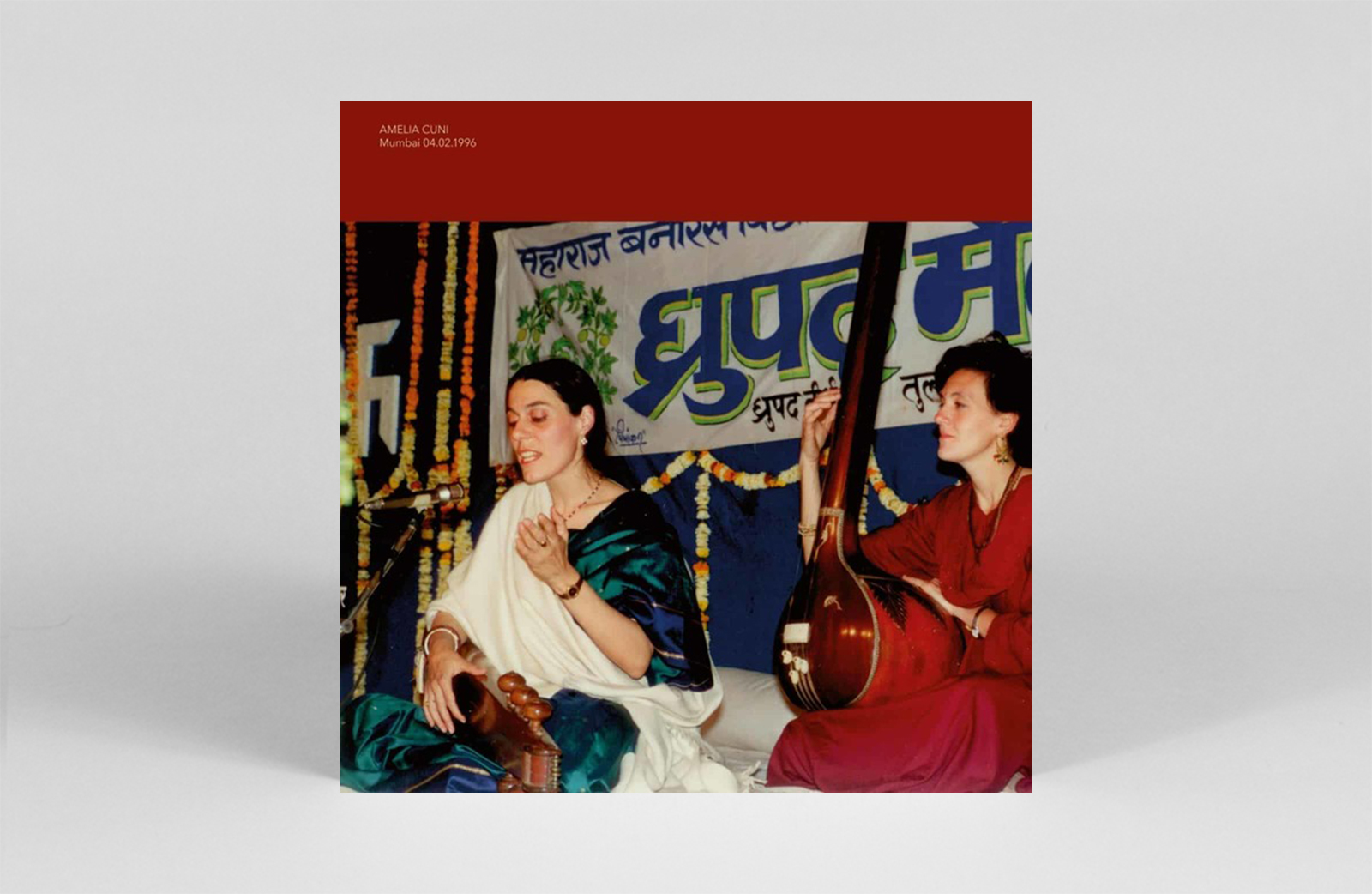
On their latest Studio One reissue, Soul Jazz Records unearths a stellar collection of rare reggae instrumentals and versions. Soulful, meditative and always funky, this essential compilation showcases the virtuosic musicianship of Studio One’s legendary session players, such as Jackie Mittoo, Cedric ‘Im’ Brooks and Ernest Ranglin. Featuring little-known takes on classic tracks like ‘The World is a Ghetto’ and ‘People Make The World Go Round’, Music Lab explores the profound influence of jazz, funk and soul on the formative reggae sound. – AVD (Black Truffle) Buy Leading on from last year’s Parampara Festival 13.3.1992, Black Truffle bring forth another gem from Amelia Cuni’s live archive. Recorded at Vishweshwarayya Hall, Mumbai in 1996, these three ragas find Cuni’s dhrupad singing in accompaniment with the tanpura’s drone and Manik Munde’s complex beat cycles. Two LP’s worth and mesmerising throughout, this is as good a place as any to acquaint yourself with Cuni’s sublime voice and her long-form craft. – JH (Wych) Buy
Wisdom Teeth co-honcho K-LONE maintains a strong stride with this solo return to his own Wych offshoot – his first solo outing on the label since 2018’s anthemic ‘Barbarossa’. Bending heavily in the direction of Bristolian dubstep’s ‘purple’ offshoot led out by the likes of Joker and Gemmy, ‘Squelch’ rides on sultry ’80s synths and gallumphing kicks; the flip, meanwhile, plays off hefty subs against the lightest of string plucks for the sort of delicate bludgeoning that only golden-era dubstep can deliver. – WP (Domestic Exile) Buy Glasgow’s finest Grim Lusk rustles up some early morning wigglers for a limited 300 press on Domestic Exile. Chuggy, psychedelic rhythms reverberate through this three track EP, starting with the trance-like ‘Endorphin Loops’ which invites you into one of those euphoric heads-down, eyes-closed moments. Flip onto the B-side and there are acid vibrations on ‘Sleep Suit’ and dubwise, wobbly breakbeat with ‘Soft Focus’. – EH (Mississippi Records) Buy
Producing some remarkable LPs in the 1970s with his Philosophers National group, Celestine Ukwu’s approach to Nigerian highlife music combined his sensibilities as teacher, poet, bandleader, and innovator. Scaling back on the tempo and interlocking melodic, rhythmic and lyrical complexities, Ukwu and his group’s legacy for distilling the cerebral elements of highlife music are in full bloom on this excellent five-track survey. – JH (Parlophone) Buy
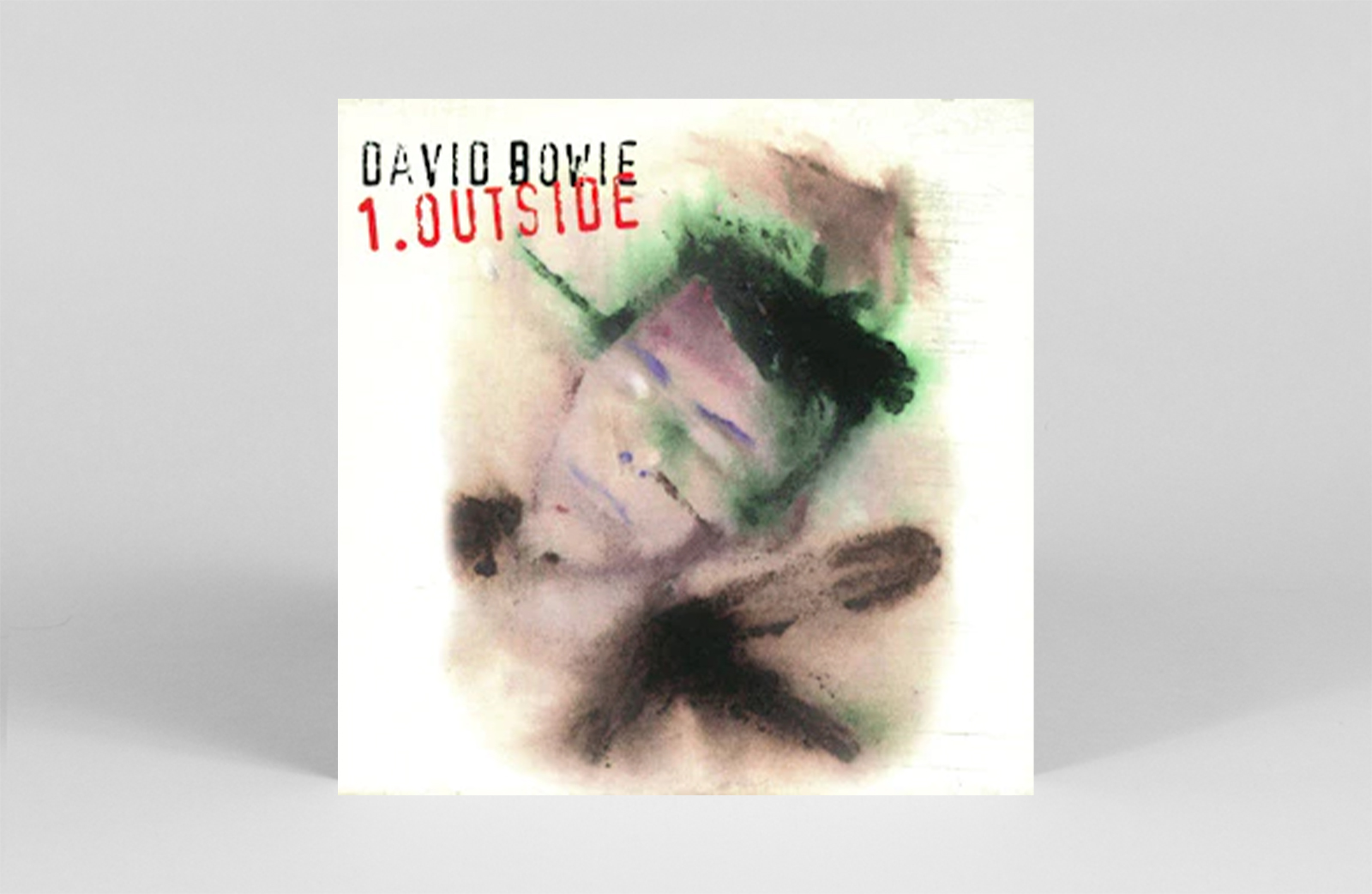
While a whole string of David Bowie reissues arrives today, the highlight is his often overlooked Outside album. One need only look at the album’s subtitle — “The Diary of Nathan Adler or The Art-Ritual Murder of Baby Grace Blue. A Non-Linear Gothic Drama Hyper-Cycle.” — to understand the avant-garde direction Bowie was embarking on. Eschewing the more accessible compositions of albums like Heroes or Hunky Dory, Outside toys with elements of experimental art-rock, grunge, and electronics to create a wholly engaging body of work. – LR (Brownswood) Buy
On their much-anticipated debut album, London-based Afrobeat eight-piece Kokoroko concoct a forward-thinking fusion of Afrobeat and contemporary London sounds. Could We Be More establishes Kokoroko as a force to be reckoned with in the London scene. High-energy percussion, infectious melodies and complex rhythms showcase the band’s impressive musicianship. Their unique reimagination of West African sounds with a modern spin showcases the growth from their previous work. – AVD (WeMe) Buy
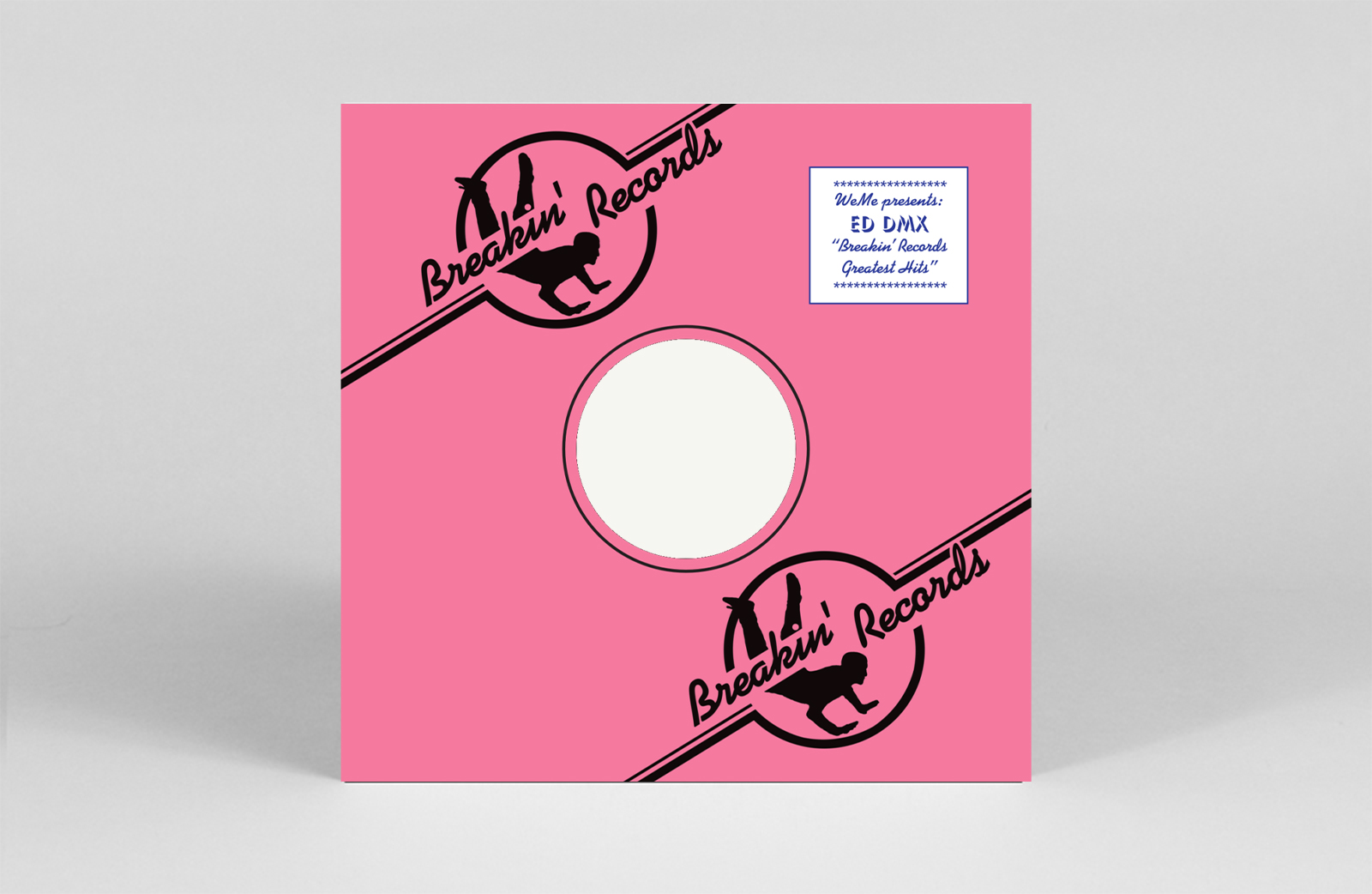
WeMe Records’ very own legendary tastemaker ‘Fred de chez Weme’ takes a retrospective look back on Ed DMX’s astounding career from his label Breakin’ Records, which has spanned an impressive 25 years. Piecing together powerful floor-stomping productions, this double-LP offers a perfect slice of old school flavour. Sitting in the realms of freaky electro it bounces hard across all 12 tracks, from straight up booty bass on ‘DMX Krew DMX Bass’ to more bleep-inspired ‘Emerging Technology RMX’ and the racing acid of ‘What Happened to Peace’. A powerful anthology of one of dance music’s finest minds. – EH (Hyperdub) Buy
Okzharp puts some of dance music’s most intriguing propositions – namely, gqom and footwork – into a blender, with metallic percs, granite synths, and shredded vocals for seasoning. The results, over seven blistering tracks, are every bit as igniting and unsettling as you’d expect. Seconds, please. – WP 1 day ago 2 days ago 1 day ago 2 days ago 4 days ago 4 days ago 2 days ago 2 days ago New releases, VF exclusives, features, films and more. The Vinyl Factory is the world’s foremost vinyl enterprise. It encompasses a record label, pressing plant and online magazine, and collaborates with artists and musicians to create stunning audio-visual shows. Read More
Fig. 1 Here’s a different way to unleash the beast within your tracks. Welcome to another Dojo. Last month I explained in detail how to set up and use sidechain compression techniques to get that classic pop/EDM pumping sound on your rhythm guitar parts and other instruments in your mix. This time, we’ll use the same setup techniques but, instead of sidechaining a compressor, I’m going to show you the benefits of using a gate. What is a gate? It’s an audio circuit design (hardware or software) that operates relative to a set threshold, much like a compressor. The key difference is that while a compressor reduces the dynamic range (volume) when the audio signal goes above the threshold, a gate reduces the volume of an audio signal when it goes below the threshold and cuts it off completely. For those of you who play rock, prog, extreme metal, or anything that uses massive gain, you most likely use a noise gate to tame the excessive pedal/amp noise (and possibly even feedback) that would otherwise run harum-scarum over every second of silence—in between each palm mute, pick stroke, etc. The net result is super tight and punchy guitars that can stop on a dime.
Let’s get crazy from the start. Take a song you’ve recorded that has multiple instruments (full band with vocals or similar). Next, create a new guitar track and record yourself playing a wicked solo for the entire song. (I was guilty of this when I first learned the pentatonic scale.) Make it as wild as you want and add lots of signal processing as well. Unleash your inner guitar demon. Once you’ve accepted your award for “longest guitar solo,” place a gate plug-in on the track. I’m going to use FabFilter Pro-G ($179 Street), but another great choice is Waves C1 Compressor/Gate ($29 Street). Now, we can get into some uncharted waters. Choose a track (like the snare drum, chorus BGV parts, or a cool rhythm part) and route the output of that track to the gate’s input on your new guitar-solo-from-hell track. Every DAW has slightly different ways to do sidechaining, so like last month (see August’s column “Try Sidechaining for Greater Expression”), I’m going to use Pro Tools and follow the exact same procedure—the only difference is that this time it’s a gate and not a compressor. I’m also reposting the same link as well, with instructions for non-Pro Tools users courtesy of the Fab Filter website support page that gives directions for Studio One, Logic, Cubase, and Ableton. The net result of using a gate instead of a compressor is that the guitar solo track will open up instead of closing down. For example, every time the snare drum hits, you will briefly hear wherever you were in your new solo track. You then can fine-tune how little or long it stays audible before being forced back into submission. Fig. 2 In Pro Tools, open up the gate plug-in you placed on your guitar solo track [Fig. 1] and set sidechain from internal (In) to external (Ext). Next, in the “key input” menu of the plug-in interface, which is just above the FabFilter logo [Fig. 2], choose Bus 1 instead of the default “no key input.” The gate is now looking for an external source to trigger it open.
In Pro Tools, open up the gate plug-in you placed on your guitar solo track [Fig. 1] and set sidechain from internal (In) to external (Ext). Next, in the “key input” menu of the plug-in interface, which is just above the FabFilter logo [Fig. 2], choose Bus 1 instead of the default “no key input.” The gate is now looking for an external source to trigger it open. Fig. 3 Now, let’s bus-route the snare drum track to the gate on the guitar track. In the “sends” slot of the snare drum track, select Bus 1. The Bus view window for Bus 1 will pop up [Fig. 3]. Set its level to 0.0 dB (so it will send audio signal to the gate) and select “PRE” (pre-fader) [Fig. 4]. You’ve now routed the audio (using Bus 1) from the drum track to the gate’s sidechain input on the guitar track. Fig. 4 If you mute the snare drum track, you’ll be able to hear how it is affecting the guitar track. Now you can play with the threshold, attack, ratio, and release. Start with a quick attack (.010-.025 ms), a high threshold, and a medium release time (150-200 ms), then adjust to taste. I love doing things like this because every time the snare drum hits, you don’t know what you’re going to get. You can take this farther and add some reverb and delay to the guitar track to further play with how long the solo “blip” will last. This is just the tip of the iceberg, so keep experimenting and let me know if you find something really cool by emailing me here. Keep sharing your musical passion with the world and, until next time, namaste. Equipped with noise reduction and noise gate modes, the Integrated Gate has a signal monitoring function that constantly monitors the input signal. In order to solve the unnaturalness at the time of sound interruption, which was a problem of conventional noise gates, it is equipped with a signal monitoring function that constantly monitors the input signal, such as peaking and attenuation of the input signal, by using a CPU. The optimum output level is controlled while monitoring the waveform. Even with the Integrated Gate connected, the sound quality does not change, and in order to convey the original sound of the guitar or bass to a device connected after this unit, the circuit through which the audio signal passes is completely analog. Free The Tone took extra time to study the sound quality and complete the design. You can feel the fundamental difference from the sound quality of conventional noise reduction and noise gates. Integrated Gate carries a suggested retail price of $228.00, and is available now through our North American dealers listed at: www.freethetone.com. A modern take on Fullerton shapes and a blend of Fender and Gibson attributes strikes a sweet middle ground. A stylish alternative to classic Fender profiles that delivers sonic versatility. Great playability. Split-coil sounds are a little on the thin side. Be sure to place it on the stand carefully! $1,149 Fender Player Plus Meteora HH fender.com After many decades of sticking with flagship body shapes, Fender spent the last several years getting more playful via their Parallel Universe collection. The Meteora, however, is one of the more significant departures from those vintage profiles. The offset, more-angular profile was created by Fender designer Josh Hurst and first saw light of day as part of the Parallel Universe Collection in 2018. Since then, it has headed in both upscale and affordable directions within the Fender lineup—reaching the heights of master-built Custom Shop quality in the hands of Ron Thorn, and now in this much more egalitarian guise as the Player Plus Meteora HH. Body profile and humbuckers aside, the Meteora is very much a Fender, with a bolt-on neck, 25.5" scale length, and that iconic headstock profile with spaghetti logo. Even closer examination reveals an impressive array of features that make it an extra-impressive instrument for the price, and a cool alternative to traditional Fender offerings. The Mexico-built Player Plus Meteora HH comes in three finishes—cosmic jade, Belair blue, or silverburst (as seen on our review sample)—all of which help the guitar cut a dashing figure on stage.The body is made from solid alder, a go-to Fender tonewood since the late ’50s. Lightweight stocks of this timber have been getting harder to come by in bulk, and perhaps as a result the review guitar tips a little toward the heavy side at around 8.4 pounds. Then again, the Meteora’s body is bigger than, say, a Stratocaster, which adds a bit to the weight. Forearm and ribcage contours enhance playing comfort significantly, and the guitar balances surprisingly well on the lap (almost certainly one of Hurst’s design mandates). The sharply sloped lower bout, however, makes it tricky to lean against an amp safely. Keep that in mind before you turn your back on it. The neck is fashioned from a single piece of maple and 22 medium-jumbo frets are arrayed across the 12" radius fretboard, which measures 1.685" at the synthetic-bone nut (Belair blue and cosmic jade versions feature a pau ferro fretboard). The neck is carved in Fender’s popular “Modern C” profile, which feels great in hand, and the overall ergonomics are aided by a nicely rolled fretboard edge. The single-action truss rod can be adjusted at the headstock, which is home to Fender’s deluxe sealed locking tuners and a modern roller string tree for the first and second strings—all of which means you can use the two-post synchronized tremolo with a little more peace of mind. The return-to-pitch capabilities are impressive. Though the fresh body profile may be the initial draw for many, the electronics—and the possibilities they enable—will probably seal the deal for a lot of prospective customers. They certainly make the guitar a lot of fun to explore. The relatively new Fireball humbuckers look a lot like smaller Fender Wide Range pickups. Under the covers, though, they are pretty standard PAF-style humbuckers, with adjustable pole pieces in all six positions of each coil, though half of these are inaccessible with the cover on. And while the name implies that the Fireballs are hot, the specs are similar to medium-wind alnico humbuckers, with the neck reading around 7.24k ohms DC resistance and 4.0 henries inductance, and the bridge measuring 7.68k ohms and 4.5 henries. The pickups are wired through a 3-way toggle switch on the upper horn, with a master volume and dedicated tone controls for each pickup below. The volume knob also functions as a push-button switch to split the coils of both pickups. Tested through a Friedman Dirty Shirley Mini and 2×12, a tweed Deluxe-style 1×12 combo, and a Neural DSP Quad Cortex into the studio monitors, the Player Plus Meteora HH reveals a fairly traditional and even vintage-leaning sonic range that contrasts with its moon-shot looks. The not-too-hot humbuckers sound clear and open and generate relatively little amp breakup at modest volumes, which I’d say is a good thing, as it enables a wider range of touch sensitivity than high-gain humbuckers usually allow. This pickup recipe makes the Meteora a world’s-your-oyster kind of performer. With a cranked amp, lead channel, or overdrive (in this case a Tsakalis Six and Wampler Tumnus Deluxe), the Meteora produces sizzling power-chord and rhythm sounds and singing lead tones with ease, with rich, articulate cleans at the ready when I backed the guitar volume down. It’s hard to gauge how much effect the maple neck and alder body have on the humbucker voicings. But expect the Meteora to sound better balanced and crisper compared with the average PAF-equipped instrument. There’s very little mud and the coil-split tones are nice and jangly—although, as with many split humbuckers, they’re a little on the thin side without a booster or compressor engaged. Still, they do the trick, and add another useful arrow to the Meteora HH’s already packed quiver. Players in love with unconventional looks who enjoy a twist on traditional PAF-style sounds will find a lot to like in the Player Plus Meteora HH. The guitar packs a wide range of clean-to-mean tones, offers easy playability, and is made super versatile by tone controls and coil-splitting options that dramatically expand its tone palette. Dual humbuckers mated to a 25.5" scale is always a cool proposition, and the Meteora’s marriage of Fender and Gibson attributes is a great way to split the difference. A blind horse wouldn’t be impressed, but this beautiful, double-horned instrument with one-of-a-kind engravings helped make luthier Tony Zemaitis famous. Though they never reached the commercial success of some of their peers, the Faces have no doubt earned a place as one of the seminal rock ’n’ roll bands of the late ’60s and early ’70s. Combining influences as varied as instrumental funk à la the Meters, traditional folk music, and a heavy dose of rhythm and blues, the Faces brand of rock ’n’ roll can be heard in some way or another in the music of countless bands that followed. After the Faces folded in 1975, all five members went on to continue making great music, but their chemistry together was undeniable. A huge part of their unique sound and stage presence came from the unusual instruments often employed by bassist Ronnie Lane and guitarist Ron Wood. Anthony Zemaitis was a British born cabinet-maker-turned-luthier. His guitars’ distinctive metal tops, often with elaborately engraved designs provided by Danny O’Brien, can be seen with some of the era’s most legendary guitar players, but it was his connection to the Faces that really put Zemaitis’ instruments on the map. Engraver Danny O’Brien’s handiwork on the heel plate and control cavity covers are on display in this view of the bass’ back. The bass pictured here was one of his earliest custom designs for Ronnie Lane. Though all of Tony’s designs are one-of-a-kind, this stands out as a bass guitar truly unlike any other we’ve ever seen. This instrument has a chambered body with a neck-through design and features a 6-screw heel plate purely for cosmetics. The hollow chambers on either side of the neck block were stuffed with cotton to eliminate feedback below a laminate-wood carved top. The distinctive “suit of cards” inlays along the 32"-scale neck would become a signature of Ronnie Lane, but this is perhaps the earliest example of that motif on one of his instruments. Both the headstock and end of the fretboard are delicately carved into a crown-like pattern, perhaps drawing inspiration from mandolins and lutes of the previous century. The controls are two tone dials with on-off switches for each, plus a master volume—with a missing knob—on the upper body. Every piece of metal, from the pickup surrounds, knobs, tailpiece—even the heel plate and control cavity cover—have been intricately engraved by O’Brien. This is as much a work of art as it is a unique instrument with an inspiring tone. Ronnie Lane is hardly the most famous name associated with the Faces, but it could be argued that the spirit of the band was largely due to his influence. His love of folk and country music even left its mark upon early Rod Stewart solo records on which Lane and his Faces bandmates played a large part. This bass was with him for early Faces performances and could easily have been used on some of these classic recordings, including the albums First Step and Long Player. This headstock has flourishes fit for a king—possibly of clubs. There are numerous iconic photos of the band onstage where this bass can be seen, but its value goes well beyond pure memorabilia. Zemaitis instruments hold a special place in the evolution of guitar design, and the masterful engravings of Danny O’Brien are unmistakable. The sad loss of Ronnie Lane to multiple sclerosis in 1997 makes this instrument even more special. The wear and tear he put on the bass and the music he made with it are part of his lasting legacy. Eventually this bass found its way to a pawn shop in the southern United States, where its second owner purchased it, unaware of its famous history. The bass was played locally from the late 1970s until about three years ago, when that owner passed away, leaving the bass to his cousin. His research over the past few years led him to realize the provenance of the instrument in his possession, and he ultimately confirmed his findings with us at Rumble Seat Music in Nashville, where this legendary instrument is now proudly offered—a perfect example of the kind of rock ’n’ roll artifact we love! LATEST LATEST LATEST LATEST LATEST LATEST
When you purchase through links in our articles, we may earn a small commission. This doesn’t affect our editorial independence. If you’re looking for an all-in-one audio recording package to get your pod/video casting career up and running, the Vocaster Two Studio is an excellent choice. $499.99 If you’re hearing the siren call of easy money on YouTube, et al, you need a means of capturing quality audio. The microphone in your laptop or display isn’t going to cut it. Sorry. While a product like Universal Audio’s excellent Volt 276 studio pack is a great deal for broadcasters, it’s designed with the needs and thought patterns of musicians and engineers in mind–if you have the expertise, you’ll be up and running in no time. The less experienced will have a good amount of learning to do, and that’s where a product like the Vocaster Two Studio comes in. It’s a combination of a high-quality audio interface, microphone, and headphones that feature a design, setup, and software experience tailored to the budding content creator. The Vocaster Two Studio is tailored to newcomers to the broadcasting routine. The labeling of the controls hints at proper usage (Host/Guest) instead of mere functionality (Mic 1/Mic 2), and everything is arranged according to how a broadcaster looks at things. The Vocaster Two audio interface is a bus-powered Type-C USB device, but it’s atypical in that there are no quarter-inch line level or guitar inputs. These aren’t particularly pertinent to broadcasting, so why bother? That also means mic inputs are pure XLR, not the combo XLR/quarter-inch that are so common these days. There is a 3.5mm stereo “Phone” (as in cell phone) input that can function as a line-in jack. The front of the device has two quarter-inch stereo headphone jacks on the front, and two balanced (TRS, Tip/Ring/Sleeve) quarter-inch outputs for powered speakers. That much will be familiar to the pure musical crowd. Taking a cue from the the Vocaster also accepts audio via Bluetooth. This is super convenient if you want to record something onto your podcast from a phone without a headphone jack–one might even say necessary given the increasing rarity of such jacks. There’s a Bluetooth pair/enable button on the back of the interface. You can see from the images below, that Focusrite is bent on making setup and use as intuitive as possible. The Guest/Host labelling reminds me of the old radio broadcast facilities I once habituated. Input from phone, output to camera–brilliant. I quite liked that the top of the Vocaster that slopes towards you, as well as the big honkin’ infinite-travel rotary dial you use for changing the mic input levels. Surrounding the big dial is a circular “halo” meter showing the master gain, with two semi-circular strips just outside the halo displaying the input levels for the microphones. All the dials have exceptionally smooth and solid-feeling travel, however, I’m not sure I like the host headphones and speaker output assigned to the same dial. I might’ve opted for a third button assigning speaker volume to the larger control, or simply a fourth knob. That might’ve unbalanced the look of the interface, but c’est la vie. Then again, I have tasks other than broadcasting in mind. Below the rotary dials are six buttons, two for muting the two microphone inputs, two that toggle the main rotary dial between the host and guest mic inputs, and two that “Enhance” the sound of each mic input–more on Enhance in a bit. The whole top is done in flat black, which looks fantastic but shows fingerprints quite readily. The bottom has that speckled dark gray look which usually signifies recycled plastics. (It really does in this case.) I don’t love the look, but I certainly appreciate the thought. The Vocaster Two is what’s known in the industry as a 14-in, 4-out interface. That first number reflects the total number of monophonic inputs (a stereo input counts as two mono.) that the interface presents to the recording software. The list includes both physical (the two mics, L/R Bluetooth, and L/R Phone) inputs and virtual (4 loopback inputs, two L/R) inputs for the audio generated by programs on your computer (streaming, media players, etc.). Another four virtual inputs are actually L/R submixes: Video is the entire mix (all unmuted inputs) sans the guest input, and Show is the entire mix (all inputs) as seen in the Vocaster Hub software. Both save you from having to create multi-track mixes in your DAW (recording software). The chart from the users guide listing the inputs is shown below. Speaking of input, the Vocaster will automatically adjust the gain levels of the mic inputs for you. If you’re new to recording, this is a nice bit of handholding. And once you see what the proper level (approximate) looks like, you’ll have no problems setting or tweaking levels manually. As the owner of a Focusrite Clarett 4Pre (Thunderbolt), I did run into one issue most users won’t–incompatibility between the Vocaster Hub software that is used to change settings (some of which aren’t accessible from the physical interface) and my older Focusrite Control app. Updating the latter fixed the issue of Vocaster Hub not recognizing the interface. Other software saw the interface just fine. The included Hub software lets you to do everything you can from the physical interface, plus change the Enhance settings for each channel (clean, warm, bright, radio) and toggle the 48 volt phantom power separately for each channel. The Hub software is also where you initiate the auto gain function. Click on it, speak into the microphone for about 10 seconds, and it will adjust the gain for optimal signal strength, i.e. loud but without distortion. It might be nice to have a memory function for different mics, but that’s a musician talking. Also indicative of the Vocaster Two Studio’s focus on broadcasting is the software bundle: The Vocaster Two Studio is backed by an unusually long, three-year warranty, as well as year-round, 24-hour support. As the Vocaster Two Studio is a bundle, the quality of the mic and headphones is almost as important as the quality of the interface. If they’re not up to snuff, you’ve fiddled away money and the world has more tech waste on its hands. While I loved the analog-vibe of Universal Audio’s Volt 276 Interface, I felt it could’ve done better both mic- and headphone-wise. The Vocaster Two audio interface doesn’t have the gaudy specs (gain, noise, distortion) that many modern interfaces claim. Especially when compared to my Focusrite Clarett 4Pre and Universal Audio Apollo Twin X–appreciably pricier interfaces. However, in use, it sounded clear, musical, and pretty much as sonorous as those others on my desk. If I had to ascribe any deficit, it might be in the clarity of the sound field which is a mid-range thing. It would be very, very close however. What is very noticeable is the ton of headroom on the mic inputs–far more than the aforementioned competitors. I’ll talk more about that in a bit. Also, the Enhance function is very noticeable sonically. I personally preferred the Clean (no compression or EQ) setting, but the compression and EQ were employed effectively on the Warm, Bright, and Radio settings. Which you’ll prefer is a matter of taste, what you’re recording, the other elements in the mix, and the result you’re looking for. Overall, I’d say Focusrite has nicely covered most scenarios and desires. The auto-gain function worked well, albeit a bit conservatively (less gain) compared to what I’d dial-in. But there was plenty enough signal for recording. Keep in mind that you’ll want to use this feature with the mic positioned as it will be when you actually record with it. The mic preamps were also practically noise-free. (Focusrite is very good with that.) The Bluetooth connected quickly and input was as clear as the technology can produce. All in all, while I wouldn’t call the Vocaster interface a top-tier unit, its real-life performance matched anything priced similarly that I’ve tested. In truth, I was in no desperate rush to get back to my other interfaces, as I’ve been when testing some lesser interfaces. I also love the look. What was even more impressive were the sonic characteristics of the included DM14v broadcast mic. I liked that it has an integrated pop and sibilance filter (foam over the speaking end) as well as the integrated mic stand mount. There’s even a male-to-male adapter/coupler so you don’t have to mess with your existing mount to attach the DM14v. I’d be in no hurry to upgrade this mic as it’s dead-on in the frequency range of the human voice. The DM14v compared nicely to my RODE NT-2A and Shure SM57/58’s, though the RODE, being condenser rather than dynamic, has a different mid-range flavor. But darn if it isn’t a good thing that the Vocaster interface’s inputs have 70 dB of headroom. Plugging the DM14v into my other interfaces, I had to crank the input dials almost to their limit to get an adequate signal. Even my 57’s and 58’s don’t require as much gain. The DM14v attached to the Vocaster Two? No problem. Plenty of signal. That means if you want to use another extremely low-signal level dynamic microphone such as the Shure SM7B with the Vocaster Two, you won’t need a Cloudlifter or similar mic preamp. I didn’t get to test the smaller SM58-like mic featured with the Vocaster One, but I did hear it in a Zoom meeting with the Vocaster product manager. It sounded fine. I don’t know what Enhance setting he was using, though I noticed some compression. Beyond that, I can’t really say. Though I haven’t talked about its inclusion, the microphone cable Focusrite provides is of reasonable quality–supple with good quality connectors. It also fits snugly enough that I wouldn’t worry about it coming loose without a rather substantial tug. The HP60v headphones Focusrite bundles are slightly better than those supplied with the Volt package, but I’d still rate them the weakest component in the kit. The mid-range is a bit more saturated than optimal for musical listening as it makes it more difficult to pick out individual instruments and is tiring over the long haul. However, heavy mid-range can also be good for monitoring the speech that’s part and parcel of this product’s mission. I’m also not in love with the six-foot, non-coiled cable–I found it hard to keep out of the way. Give me coiled types any day. Coiled is probably also more difficult to manufacture with recycled or green materials. That’s pure guess, but it does segue into Focusrite calling out that the Vocaster Two use lots of recycled materials. I appreciate that. I should point out that I’m using some pricey and very competent Sony, Marshall, and Edifier planar headphones as the sonic baseline for comparison. The HP60v’s are perfectly serviceable, if not best of breed. In other words, they’ll do fine. I am a sucker for in-tune, on-target products. Instead of simply bundling one of their existing, highly regarded interfaces, Focusrite created something far more suitable to task. The company took design cues from existing products, but expanded on the concept to make the Vocaster unique. Kudos. In short, it’s an excellent starter kit for a decent price that you won’t immediately outgrow. Now the company needs to sell a kit with two mics and two pairs of headphones. I saw neither the DM14v or HP60v for sale separately. Hopefully, they will be by the time you read this. Jon Jacobi is a musician, former x86/6800 programmer, and long-time computer enthusiast. He writes reviews on TVs, SSDs, dash cams, remote access software, Bluetooth speakers, and sundry other consumer-tech hardware and software. Macworld Sweden Macwelt Germany Subscribe to the Macworld Digital Magazine Manage Subscription Newsletter
Jason Tupps learned Wednesday his new trial will begin at 8:30 a.m. Aug. 22 in Crawford County Common Pleas Court. It will be the second trial in as many years for the former sheriff’s deputy. This time, court records show he’s facing charges of first-degree felony rape and misdemeanor domestic violence. Tupps, 47, has again retained James J. Mayer III as his attorney, the same lawyer who represented him during a four-day jury trial in August 2020. Jurors two summers ago found Tupps not guilty of six charges that included felony counts of abduction, bribery and improper handling of a firearm in a motor vehicle; and of misdemeanor counts of operating a vehicle under the influence of alcohol or drugs, using a weapon while intoxicated and aggravated menacing. He was found guilty of first-degree misdemeanor falsification, and in September 2020 was sentenced to 120 days in jail, with all but 45 days suspended provided he complete a three-day driving intervention program, a court official said at the time. As they did for the first case, local officials recused themselves since they all worked with Tupps while he served as a deputy. The trial will be heard by visiting Judge Howard Hall, a retired common pleas judge from Morrow County. The state attorney general’s office appointed Drew Wood and William R. Walton II to prosecute the case. During a hearing Wednesday, Hall explained to the attorneys how he will handle jury selection and went over procedural details of the trial. As of Thursday morning, the court reserved five days for the trial, Aug. 22-26. Tupp’s charges stem from an Aug. 28, 2021, incident, according to a Crestline Police Department report the Telegraph-Forum received through a public records request. A woman then told a Crestline police officer she had been assaulted by Tupps, who had been drinking heavily at the time, according to the report. Because she did not feel safe, she had turned on her phone’s voice recorder, and an audio recording of the incident was turned over to investigators. The incident was reported on Sept. 9, 2021. [email protected] 419-564-3508 Twitter: @zachtuggle
The day-events line-up includes Suzanne Ciani, Lena Willikens and Dopplereffekt A new festival, CURRENTS, is set to debut this October in an abandoned power plant in Berlin. The electronic music day event will take place in south Berlin at an old power plant, E-WERK Luckenwalde that closed in 1989. Curated by music production and Romanian DJ duo Khidja, the line-up includes, Suzanne Ciani, Lena Willikens with Marylou, Dopplereffekt and Alicia Carrera with music starting at 3:PM through to 1:AM. Read this next: Artists turned the Kraftwerk power plant into a stunning audio-visual installation
Running from the power plant location, CURRENTS claim they will be one of the first 100% carbon negative electronic music and performance festivals as they will be powering the event with locally sourced waste wood chips to generate electricity. CURRENTS is described as an “amalgam of live contemporary art and electronic music, presenting a mix of internationally acclaimed artists intertwined with emerging acts.” It adds: “CURRENTS will create a hyper-attentive environment where every tone is charged to the maximum. Space and time will appear to deform and dissolve and sound will become a door into a world beyond. Read this next: Watch Shy One live from a hydroelectric power plant in Scotland
“Performances will transform into deep listening sessions, critically and politically engaged; they will echo and reflect a rare archival body of works that have been largely marginalised by the history of avant-garde music and sound art.” The festival is a non-profit event with funds going towards supporting “an international community of artists and cultural workers existentially threatened by climate change, pandemics, wars, displacement and economic inequality”.
Check out the CURRENTS website for more information on the festival. Becky Buckle is Mixmag’s Video and Editorial Assistant, follow her on Twitter A weekly rundown of everything you need to know in music and culture Mixmag will use the information you provide to send you the Mixmag newsletter using Mailchimp as our marketing platform. You can change your mind at any time by clicking the unsubscribe link in the footer of any email you receive from us. By clicking sign me up you agree that we may process your information in accordance with our privacy policy. Learn more about Mailchimp’s privacy practices here. A weekly rundown of everything you need to know in music and culture Mixmag will use the information you provide to send you the Mixmag newsletter using Mailchimp as our marketing platform. You can change your mind at any time by clicking the unsubscribe link in the footer of any email you receive from us. By clicking sign me up you agree that we may process your information in accordance with our privacy policy. Learn more about Mailchimp’s privacy practices here.
Derek Trucks and Susan Tedeschi have long drawn inspiration from legacy acts, channeling their music back into the Tedeschi Trucks Band. The group's set lists are dotted with direct nods to those influences, including the occasional tune drawn from Trucks' time with the Allman Brothers Band. Recent shows also mixed in standards from the Grateful Dead, Elmore James, Dr. John, War and many others. The Tedeschi Trucks Band boasts a catalog of those covers in addition to their own extensive songbook of originals that make their tag of "America's best rock 'n' roll big band" feel quite appropriate. This year finds the group adding several chapters to that oeuvre with I Am the Moon. During the first part of our conversation, Trucks and Tedeschi discussed how the classic Layla and Other Assorted Love Songs record by Derek and the Dominos served as an initial point of inspiration for the quartet of albums featuring 24 songs that encompass I Am the Moon. As Trucks reveals below, covering the Dominos album, as well as revisiting the legendary all-star Mad Dogs & Englishmen project, helped the Tedeschi Trucks Band grow as a unit, something which fed positively into the sessions for I Am the Moon. Watch Tedeschi Trucks Band Perform 'Layla' The Layla album, you both have some spiritual ties to that record. Once you dug into all of it to play it as a band, what did you find within the songs? Derek: I love the songwriting on that record. I don’t know, just the simple little moves. Whenever you take the time to learn music like that, it always informs your playing. You learn little quirky chord changes or little guitar patterns that you never would have thought of – and then, it’s kind of forever in your vocabulary. Sometimes, it will kind of sneak in when you’re doing other things. Or you just know, sometimes you’re writing songs and you’re hearing where you think the changes should go. If you didn’t know this chord change from another tune, you might not know to maybe sneak it in here. It’s always fun, especially, I mean, I think [Eric] Clapton, being around the Beatles so much then, that stuff had to influence his songwriting. I almost feel like [there’s] George Harrison-esque writing in some of those changes [like] “I Looked Away” and some of those tunes that I had never learned fully. Even though I toured with [Clapton], we didn’t play all of those songs. Susan: “I Am Yours.” Derek: “I Am Yours” is incredible. Susan: We played that together and it was gorgeous. Derek made me cry every night. Derek: That’s a great tune. That was actually a tune I was looking up, when we were going to do the rehearsals with Trey [Anastasio] for that Layla record, I was trying to remember [the origins of] “I Am Yours” and I went to look up the lyrics and I saw the release date was the day Sue was born. I was like, “There’s no way that’s true! I’ve got to find another source!” [Laughs.] Sure enough, Nov. 9th, 1970, the day she was born, was the day Layla came out, which is kind of wild. Listen to Tedeschi Trucks Band Perform 'I Am Yours' Revisiting Mad Dogs & Englishmen, it's obviously sad that Joe Cocker couldn't be part of it. But it just seems like it must have been such a powerful and rewarding experience playing that album in 2015 with a number of the original participants. Derek: That was a magical few days. Susan: That really was special. I mean, Leon [Russell] is one of those people too. For us, he was a living legend in the moment that was willing to come out and do this. Once he was in, everybody came out of the woodwork. Derek: I don't know if you got to see the film, but just the reverence of the other musicians towards Leon, it was kind of a family reunion that no one ever thought would happen – and it happened. It happened in rehearsal and it happened on the stage. It really went so much better than we ever imagined it could have, in spirit and musically. That thing and doing the Layla thing, I think was hugely important for this band. After we did the LOCKN' thing with Leon and the Mad Dogs, it kind of gave the band a different confidence going forward. You know, not that a torch was passed, but it kind of was. Everybody there was so happy with the way it felt. They were happy that there was a band kind of carrying on some of that legacy, in the way they went about it, but there was also this sense of, “Oh yeah, but this is actually healthy.” That sounds like a jest, but it gave us a little swagger going forward as a band. “You know what? This is kind of a space we can roll in.” The Layla thing too, when you can pull off something like that as a one-off, I mean, everyone just knocked it out of the park. From the first note to the end, it was kind of extraordinary. Those things, it gives you a little extra juice going forward, I think. Susan: Both of those bands were 1970 and the Allman Brothers were 1970. Derek: There was a lot going on. Susan: And the Grateful Dead. If you think about all four of those bands, in that moment, they actually do really encompass a lot of our influences. Of course, Derek and I are both influenced by blues and jazz and gospel and things like that – and folk music – but I would say those four bands are a big cornerstone with our stuff. Watch the Trailer for ‘Learning to Live Together: The Return of Mad Dogs & Englishmen' Susan, you and Derek have often been so fortunate to work with the legends that first inspired you. It's an important thing if you are able to be around people like that. Susan: It is. Honestly, Derek and I have both been incredibly blessed throughout our careers, to not only witness these people in the flesh, just to even be a fan, but to get to play with them. Derek: Or travel with them and get to know them. Susan: I got to do how many tours with B.B. King and Buddy Guy? I got to tour with John Lee Hooker and record with Little Milton. Pinetop Perkins. Derek and I both got to play with [Carlos] Santana and Clapton. It’s like a dream. Derek: We’re in Chicago now and whenever we play the Chicago Theatre, I immediately remember when Pinetop, he came to sit in with the Allman Brothers and me and Susan were sitting in one of the green rooms, hours before the set. There was an upright piano and Pinetop walks in. He’s maybe 92 at the time. He sat down at the piano and knew we were there, but he didn’t really say anything. He started playing and singing for about 20 minutes. We’re just sitting on the couch going, “Oh my God.” This is happening in Chicago of all places, so we’ve had some memorable hangs. Susan: Yeah, he was playing “Blues Before Sunrise,” and all of these different songs. Derek: That stuff changes your DNA, getting to have a glass of wine with B.B. King – that stuff changes you. What's another album you'd like to tackle with this band? Derek: You know, those came about really naturally. It was nothing we had planned on doing until the opportunity came up. I don’t know if we’ll ever do anything like that again. Susan: You never know. Watch the Film for 'Episode III: The Fall' Derek: We’d played a few Mad Dogs tunes [in our own concerts], so we got the call to do the show with Joe and we were like, “Alright, that makes sense!” When he passed before we could do the show, they asked us to do a tribute. I said, “I’d love to, but I never really got to play with him. I talked to him, but I don’t feel like I’m the one to do it. It doesn’t feel right." But I was like, “Now, if Leon was a part of it, that would make sense.” I was thinking there’d be no way in hell that he would agree to do it. [Laughs.] When he said, “I’ll do it,” I was like, “Well, you were the band leader last time.” He’s like, “I’m not doing that again, that’s on you, Trucks!” [Laughs.] But then it felt right. That one just kind of came about. The Layla thing with Trey, they asked me to sit in with his band one night and him with us. That was going to be the headlining of LOCKN', that collaboration. He had songs of ours that he wanted to play and I mentioned a few Dominos tunes. He lit up at that. I got off the phone with him and was talking to a friend at Red Rocks, Julie Mendelson is her name – and she was like, “You should just do the whole fuckin’ album!” And I was like, “That’s exactly what we should do!” I immediately called him back and he was immediately into it. So I don’t know, things like that kind of happen spur of the moment. Bringing it back to your new music, I think this series of new albums is a really beautiful picture of how the band really pulled together during the pandemic and found what was possible together. Derek: I think that’s what I’m proudest of with this record, too. When we finally got to watch all four films. I think we were planning on watching one a night. But when we sat down and poured a few drinks, we watched the first two and we were like, “Let’s go make another drink and then watch the next two!” When we finished all four, the thing that felt great to me was how much I could feel everybody in the band individually. I could feel all of the personalities in the band and all of the characters in the band. Listening to the record, you know, I could feel Elizabeth [Lea] and Kebbi [Williams] and just everybody helped out in different ways. It’s just the way you feel all of the Muppets. It’s fun. And that includes us! [Laughs.] But I love that about the films, too. I really do think you get to experience the band the way we do on the tour bus. I feel like you get to know them a little bit better, which is fun. Derek, knowing how the band's new albums draw on Layla inspirationally, have you had a chance to share them with Eric Clapton? Derek: I haven’t yet. We’re going to be overseas in the fall though. We’ll probably see him, so I’ll drop some records on him. Tedeschi Trucks Band Discuss Their Influences
FlaglerLive No Bull, no Fluff, No Smudges | FlaglerLive | Leave a Comment The Volusia Flagler Family YMCA is pleased to announce that the Southeast Volusia branch has recently completed $100K in renovations. The association-wide renovations started at the Ormond Beach branch this past February and have continued to include completion of the Holly Hill and Southeast Volusia Family YMCA locations. Planning is currently underway for renovations at the DeLand, Four Townes and Port Orange branches. “Our members are providing us with great feedback about the new equipment and renovations,” said Katie Lyle, Chief Operating Officer. “Our members are also enjoying the 24/7 access at all of our branches,” Katie added.
The 4K sq. ft. fitness center renovations include new equipment, new paint, new flooring, and coming soon – shade covers for the outdoor pool area. Separately, the branch has also invested in a new bus to transport children for after school enrichment and summer camp. Amenities at the Southeast Volusia YMCA include: state-of-the-art cardio and strength equipment, group exercise studios, cycle studio, heated outdoor pool, indoor basketball gymnasium, indoor Pickleball court, personal training, after school enrichment and much more. With memberships starting at $15 per month, the Southeast Volusia Family YMCA is located at 148 Turgot Ave., Edgewater, FL and can be reached at 386-409-9622 or https://vfymca.org/. Your email address will not be published.Required fields are marked *
Let’s get this out of the way: Live A Live is one of the best videogames ever made. This is somewhat of a loaded and—more importantly—annoying statement. It’s the kind of lofty praise that gets applied to either beloved canon classics, such as the game’s direct successor Chrono Trigger, or rarities rendered inaccessible to a wide audience and spoken of as life changing by the chosen few that cross whatever technological or distributary boundaries to play it, such as this game’s nearest neighbor in culture, Mother 3. In either case, it imbues the game with an unfair burden, elevating it to mythical status, setting it up for failure when it’s ultimately just another videogame. Live A Live is just a videogame. You can now buy it on your Nintendo Switch for $50. There is nothing about the game graphically or mechanically that will instantly thrill you in ways nothing ever has before. Yet this is not a weakness, it is core to Live A Live’s strengths. Instead of systemic complexity, Live A Live is laser focused on the potential of the RPG as an aesthetic experience, creating a joyful celebration of the genre and all its influences. Core to this is the game’s anthologic structure, with disconnected chapters set across various time periods, each with their own distinct protagonist, genre and gameplay. One chapter is an RPG story told entirely without words, bringing out the best in the beautiful pantomime sprite animation that defined the genre until it leapt into 3D. Another chapter is just Street Fighter, complete with character select screen and win quotes. And yet another takes place in the Wild West, a distillation of the appeal of cowboy movies that uses the threat of an outlaw raid to turn the “searching through every house for random junk” part of RPGs into a genuinely thrilling cinematic climax. This focus on genre pastiche over intricate worldbuilding makes Live A Live stand out from its peers arguably even more today than it did in the ‘90s. In a genre often criticized for storytelling that is simultaneously convoluted and generic, Live A Live embraces its simplicity and focuses all its efforts on the immediate emotional reaction of the characters, the events, and the sound. It doesn’t matter who Masaru is beyond being a fighting game protagonist who wants to be the best, when the boss declares he’s broken the warrior’s code and killed his opponents in pursuit of power and then “Megalomania” kicks in on the soundtrack it’s still the coolest thing that’s ever happened. All of this was true when it was originally released in 1994, but perhaps most impressive about this new release is how it all remains true today, despite this new Live A Live being an entirely new game. The artwork in the new HD-2D style features entirely new spritework, which is as charming and expressive as in the original. The rearranged soundtrack is delightful and they even got Hironobu Kageyama to sing “Go! Go! Buriki Daioh.” The battle system has been tweaked to surface more elemental nuances and there’s even a few major story changes (uh oh!!) to the game’s ending. Any one of these elements could have been mishandled and tipped this project out of balance, leaving it as yet another Square Enix re-release that tarnishes what should be a golden legacy. Somehow, not only did that not happen, but the deftness of the additions makes this arguably the best version to recommend. Which leads to a conclusion that is as exciting as it is redundant: you can still make Live A Live today. They did make Live A Live today! On one level this isn’t surprising. Live A Live is one of the influential pillars that leads directly into RPGMaker scenes on both sides of the pacific, from which springs an entire thriving subculture of independent RPGs that while tonally incredibly divergent are united in a similar focus on the potential of the RPG as an aesthetic storytelling form. From Yume Nikki all the way through to Omori, this is a space that has only grown exponentially in the time between these two releases. On another level this is huge. Square Enix themselves have moved further and further away from Live A Live’s design values. You need to look no further than the superficially similar HD-2D anthology Octopath Traveler to see the focus on systemic design and complex battle mechanics that define so much of Square Enix’s modern RPGs. In many ways, Live A Live (2022)’s closest relative is Dungeon Encounters, a dungeon crawler light on both story and graphics that, while as far from Live A Live as possible in concept, is another example of a legendary Square staff member from the ‘90s proving that even if the in-fashion trends have left them behind, when they are allowed to step up to the mat, they still got it. Live A Live still has it. Takashi Tokita led a young team of fans at Historia, Inc. to create a version of a classic as vibrant and exciting and crucially unique in Square’s catalog today as it was in 1994. Released between Final Fantasy VI and Chrono Trigger and passed over for translation due to its technically less impressive sprite work compared to its flagship siblings, it shines today as the celebration of a cult classic, with a worldwide legacy and influence as an important milestone in an entire alternate history of RPGs. Live A Live is the exact opposite of the unique masterpiece that’s so good it ruins other games: it is a heartfelt tribute to everything there is to love about the RPG format, and will leave you invigorated and excited not just to play more RPGs, but to watch more Kung Fu movies, more Westerns, more classic Sci-Fi. If you’ve even a passing interest in the genre, it is simply a must play. Also, Toby Fox is right. “Megalomania” really does go that hard. Live A Live was developed by Square Enix and Historia and published by Nintendo. It is available for the Switch. Jackson Tyler is an nb critic and podcaster at Abnormal Mapping. They’re always tweeting at @headfallsoff. GET PASTE RIGHT IN YOUR INBOX The best music, movies, TV, books, comedy and more.
Get the latest stories from the Yonder directly in your email inbox. The Daily Yonder Rural News and Information Editor’s Note: This interview first appeared in Path Finders, an email newsletter from the Daily Yonder. Each week, Path Finders features a Q&A with a rural thinker, creator, or doer. Like what you see here? You can join the mailing list at the bottom of this article and receive more conversations like this in your inbox each week. Odie Leigh is a musician from Louisiana whose work – originally popularized on TikTok – has been described as “bedroom folk.” From that categorization, to her mullet, to her rise to fame, the songwriter is quintessential Gen Z. Her classic country and blues inspired songs about overthinking growing up and whirlwind romance are a pleasure. Her new single, “A Month or Two,” was released today, August 5. Enjoy our conversation about saving crawfish from the boil, the pressures of going viral, and the joys of DIY music-production, below. Olivia Weeks, The Daily Yonder:In past interviews I’ve seen you talking about growing up in a really culturally rich place but feeling a little bit removed from it. Can you talk about your upbringing and your hometown, and how you balance your love for the culture of the deep south with your position a little outside its traditions? Odie Leigh: I grew up in Baton Rouge, Louisiana and the thing about Baton Rouge is that while it is surrounded by so much history and culture, there is nothing inherently cultural about that city. You won’t find any crawfishermen or anyone speaking Cajun French, no one is going to work on their pirogue, but only an hour or two in any direction you will find that. My great grandfather, Papo, was a first generation Italian American but, because he lived in Baton Rouge his whole life, loved to crawfish. Until his nineties he spent much of his free time on his boat, fishing and exploring the bayous. In the same way, my father was raised in Baton Rouge but spent many weekends at our family’s camp in Pierre Part, as did I. Growing up, I heard stories of nights spent stranded in the swamp on my Papo’s broken down boat, and spent afternoons on the water with my Pawpaw exploring boat graveyards. My childhood weekends were spent fishing off our back porch, saving crawfish from boils, and playing with bullfrogs before they were skinned and fried. I feel so connected to these things I love, but none of it is really my own. This culture is something I take a brief visit to, say hello, hug goodbye, learn about, eat, and then leave. It is not something I could ever claim. However, in the deep south everything is temporary like that. There is an unspoken risk associated with rooting here. At any point, everything we own could be destroyed by flood or hurricane. It’s not something I ever questioned until I started to notice the way locals’ reactions to tragedy differed from transplants. Growing up here you learn that houses flood, trees fall, and neighborhoods get completely destroyed in a single afternoon. You are taught at a young age that we are sinking, and that every hour a football field of our wetlands is lost. And you’re also taught to help your neighbors, to show up the morning after a storm with work gloves and chainsaws, to open your home to those who lost theirs in a flood. Although Cajun culture is not mine, the culture of community, empathy, and “southern hospitality” is something that we all share. I balance my love for these traditions, and my position adjacent to them, by simply loving them, talking about them, respecting them, and being honest about my brief connections to them. I welcome them, share them, and do my part to not overstep while still reflecting on and appreciating the way these experiences and traditions shaped me and the city I call home. DY: What was your relationship with TikTok like before your songs got popular on there? OL: I was actually pretty anti-TikTok before I downloaded it. I, like many people, caved and got it during the lockdown, but didn’t do much posting before I shared my first song in an attempt to win a competition with my roommates on who could go viral first. My relationship with the app has been mostly professional in that regard, and while I do like to scroll, I mostly use it just to share my music. People like to hate on it, but it really is an amazing platform if you give it a chance. Tiktok has completely democratized the music industry in a way that has allowed everyone an equal opportunity to be heard. It’s so amazing that I could post a silly little song over a year ago and now I’m touring and meeting all these people I’ve been interacting with through this app! DY: Do you think blowing up online right off the bat has boxed you in at all? Is it difficult to really spend time developing your sound when you already know what your audience wants to hear from you? Like this story? Get the latest from the Daily Yonder directly in your inbox, twice each week.
OL: I’m not sure if it’s boxed me in, but the pressures associated with it have definitely made it more difficult to produce music I am actually confident in and proud of. When you have dozens of comments and messages every day asking when a song is coming out, the pressure to get it out becomes very real, and you become more susceptible to just giving up and releasing something you’re not 100% happy with. For example, “Ronnie’s Song” was the second song I ever shared, and I released it 2 weeks after it went viral. That means my roommate at the time and I recorded, produced, mixed, and mastered that song the same week it was posted to TikTok. There was very little time to think about how I wanted it to sound, and on top of that, I had only been writing songs for about 2 or 3 months so I had no idea who I was as a musician. Even now, a year or so later, my music is still evolving. I recorded an EP this January that will be coming out in the near future, and the music I’ve been writing since has changed drastically. DY:I know you recently played your first in person shows after developing an audience online – how’d that transition feel? What’s it been like getting popular online while living in real life in New Orleans, a place that’s so full of live music? OL: This tour felt much more like a sink-or-swim experience than a transition. Most musicians I know start playing in real life, and then attempt to transition their in-person community to followers and streams online. This method creates a more gradual introduction to playing big shows, where as they grow as artists, so does their fan base. However, as you mentioned, I garnered an online audience before ever performing, which meant that unlike most musicians I know, I went from having never played live to playing in front of 150 people almost immediately. One of the things that made me so nervous was that I knew that there were going to be people at these shows who truly knew and cared about my music, so I really couldn’t mess up. It’s funny because back home, people don’t really see me as a musician. Obviously it’s starting to shift, but I have lived in New Orleans much longer than I have been making music so most people just know me for me! I’ve been recognized in public a couple times, which is always cool, but the majority of people I interact with just know me as someone who works in the film industry, and view my music as a cute little hobby. New Orleans has a big gig economy and many musicians here are always playing live, opening for each other, and collaborating. But due to my old job that isolated me and my choice to focus on growing my online fan base before venturing into the real world, I haven’t really made any IRL connections. It’s something that I would love to happen, but I just don’t have the street cred or community that these other extremely talented, hardworking local musicians have. I don’t play in any bands, I don’t busk, I didn’t go to college for this, I just started writing songs one day and accidentally ended up a musician. DY: You’ve described yourself as a really do-it-yourself kind of person. How are you bringing that quality into the next phase of your music career? OL: As a woman in music and a singer-songwriter, I’ve found that some people assume that I don’t know how to produce or mix. However, I have a background in film editing, which involves a lot of audio mixing, and production and mixing is actually one of the things I enjoy doing the most! There are times where I know exactly what I want and how to do it and if I am not in person in front of the computer myself, something as simple as automating the volume adjustments can become a two week, frustrating, hair pulling ordeal. After dealing with that ongoing frustration with the production of my upcoming EP, I’ve realized that I prefer to be in the room and to be really involved in the whole process. In the future I hope to work with people who understand and respect my own abilities as a producer while also elevating quality and encouraging collaboration. DY: What are you listening to lately? OL: If you get into my car, we will be listening to Lightnin’ Luke. I’ve put every musician I know onto this guy’s music, and every single time they love it! When I release a new song I share a Spotify playlist to go along with it and try to include musicians in the New Orleans folk/western circuit on it. I’ve been putting locals and friends of friends on these playlists since I started doing it and a couple months ago I got a message from Luke asking to be put on one of them. After listening to a couple of his songs I fell absolutely in love with his artistry. He makes beautiful stripped live recordings of these incredible, funny, beautiful songs that are the most entrancing blend of classic country and dark folk. They have these incredibly catchy hooks and melodies, his song “The Only Cowboy Bar In Portland” is definitely going to be one of my most listened to tracks this year. This interview first appeared in Path Finders, a weekly email newsletter from the Daily Yonder. Each Monday, Path Finders features a Q&A with a rural thinker, creator, or doer. Join the mailing list today, to have these illuminating conversations delivered straight to your inbox.
By clicking submit, you agree to share your email address with the site owner and Mailchimp to receive marketing, updates, and other emails from the site owner. Use the unsubscribe link in those emails to opt out at any time.
Republish our articles for free, online or in print, under a Creative Commons license. This work is licensed under a Creative Commons Attribution-NoDerivatives 4.0 International License. by Olivia Weeks, The Daily Yonder August 5, 2022 This <a target=”_blank” href=”https://dailyyonder.com/qa-from-going-viral-on-tiktok-to-performing-with-a-live-audience-with-folk-artist-odie-leigh/2022/08/05/”>article</a> first appeared on <a target=”_blank” href=”https://dailyyonder.com”>The Daily Yonder</a> and is republished here under a Creative Commons license.<img src=”https://mlc5rw8mrqi2.i.optimole.com/cb:Fone.76a/w:auto/h:auto/q:80/f:best/ig:avif/https://i0.wp.com/dailyyonder.com/wp-content/uploads/2021/03/cropped-dy-wordmark-favicon.png?fit=150%2C150&ssl=1″ style=”width:1em;height:1em;margin-left:10px;”><img id=”republication-tracker-tool-source” src=”https://dailyyonder.com/?republication-pixel=true&post=97028&ga=UA-6858528-1″ style=”width:1px;height:1px;”>
Kidder Mathews has arranged the sale of Sixth & Alder, a 111-unit luxury community in Tacoma, Wash., for $46.2 million. Kidder Mathews worked on behalf of the buyer, a private investor, in the off-market transaction. The seller was Affinity Investments, according to Yardi Matrix. According to Pierce County public records, the acquisition was financed by a $28.5 million loan held by HomeStreet Bank. Completed in 2021, the property is located at 3118 SixthAve. and encompasses studio, one- and two-bedroom units between 430 and 1,130 square feet, equipped with digital locks, washers and dryers. Common-area amenities include a fitness center, EV charging, a rooftop putting green and 121 parking spots. The asset also includes some 7,400 square feet of retail space. The luxury multifamily community is situated between University of Puget Sound and Franklin Park, 1.4 miles from Wright Park, 2 miles from downtown Tacoma and within 3 miles of MultiCare Health System. Located close to Interstate 5, the property offers access to Seattle-Tacoma International Airport and downtown Seattle, and major employers in the area such as Amazon and the University of Washington. Kidder Mathews Senior Vice President Austin Kelley and Executive Vice President Ben Norbe worked on behalf of the buyer. Kidder Mathews brokered another significant Tacoma-area sale earlier this year. The company represented both parties in the sale of Bella on Canyon, a 140-unit multifamily community in Puyallup, Wash. The Calida Group bought it for $50.2 million. The latest multifamily news, delivered every morning.
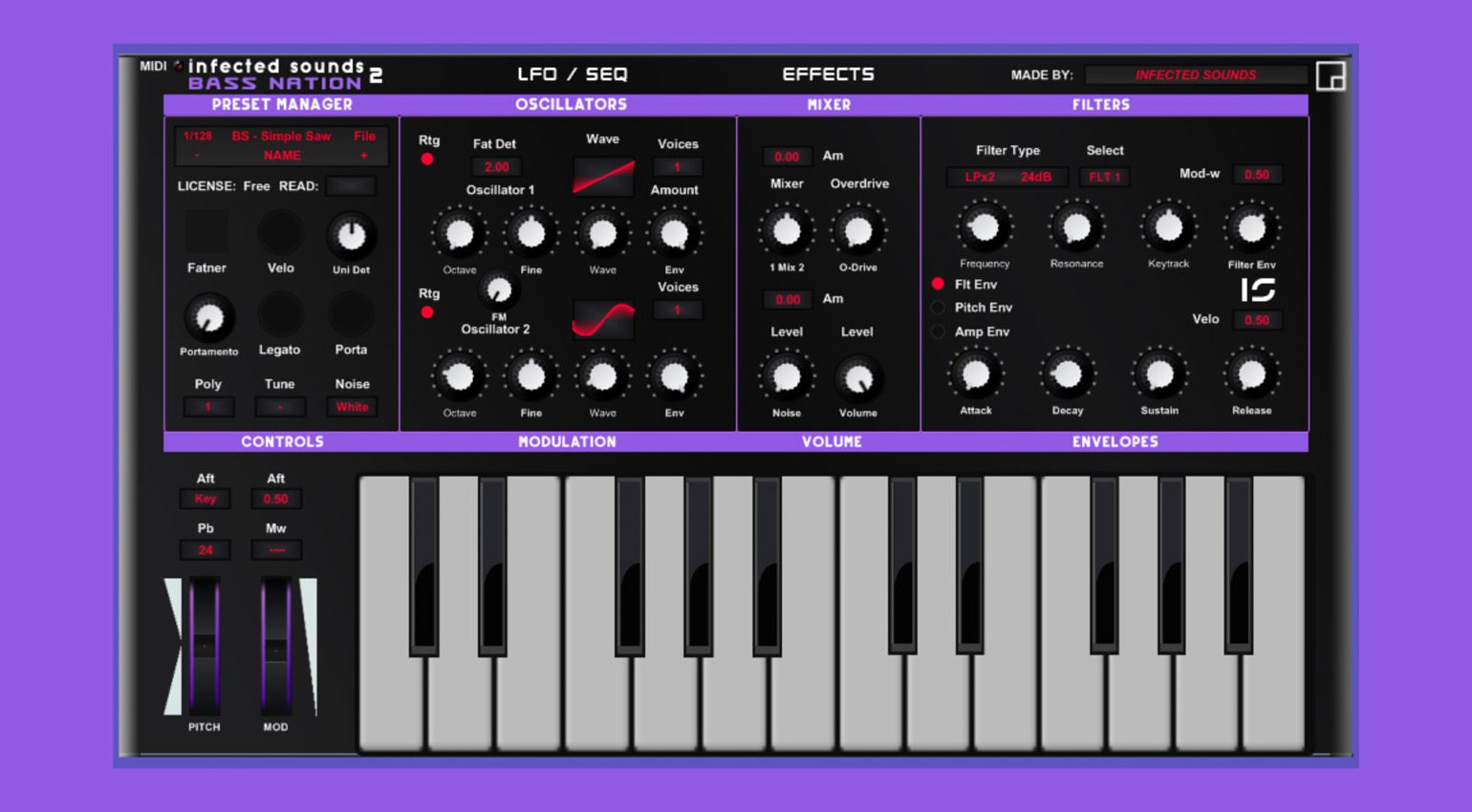
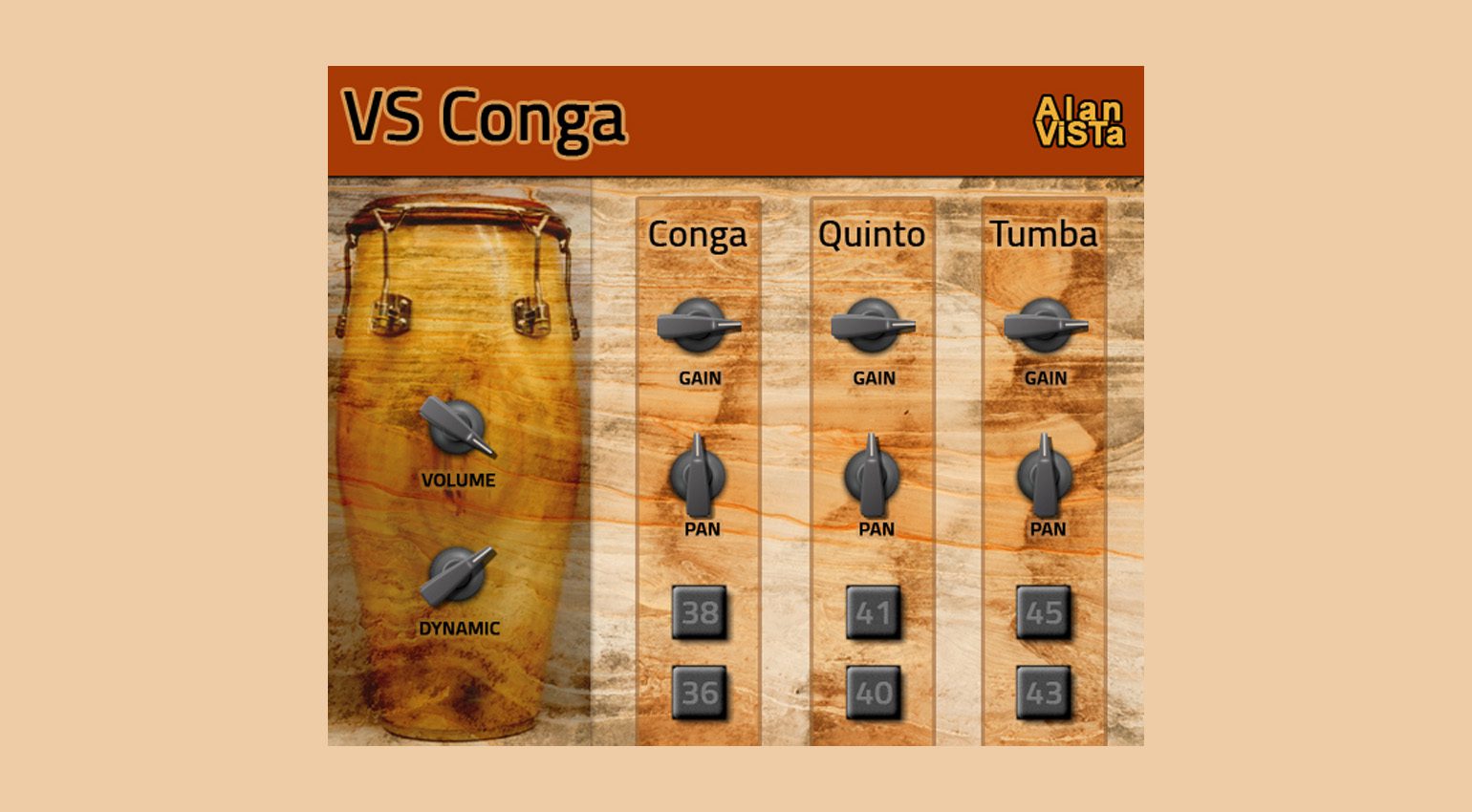
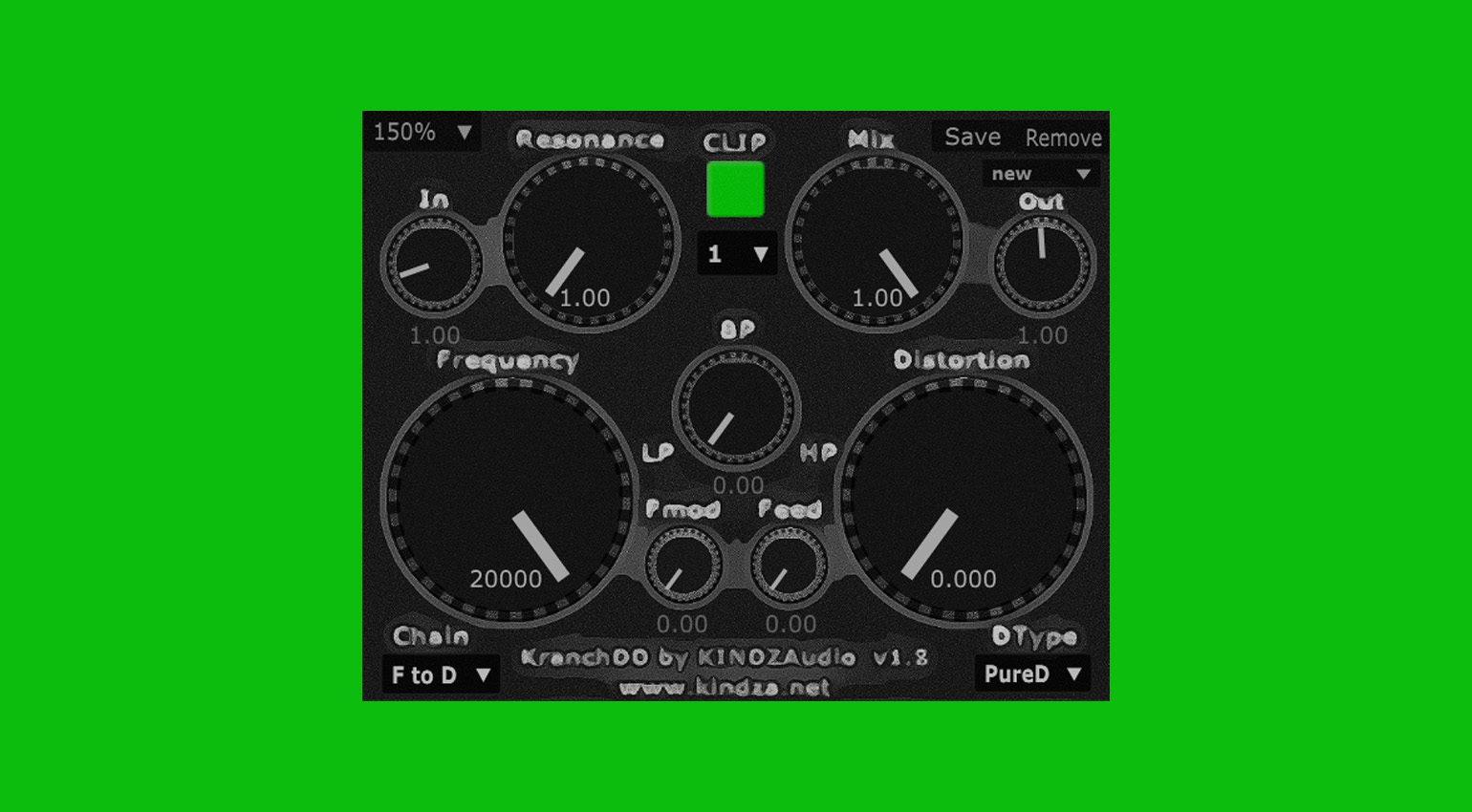
Best free plug-ins this week: B4ss Nation, VS Conga and KranchDD · Source: Infected Sounds, Gearnews This week’s collection of the best free plug-ins includes B4ss Nation, a free synth with loads of presets for EDM, Hardstyle and similar styles. We’ve also got a cool little percussion ROMpler and a unique filter/distortion combo. As always, you’ll find many more free plug-ins in our archive. Infected Sounds is back with the B4ss Nation software synth. Contrary to what the name suggests, it does all sorts of aggressive sounds, not just bass. It’s got two oscillators, a multimode filter (including a vowel filter), two LFOs, a modulation sequencer, three envelopes, FM and AM and a bunch of effects. There’s also a fat unison mode with eight voices per oscillator for super punchy sounds. More than 128 presets are included. B4ss Nation is a VST plug-in for Windows (32/64 bit). Get B4ss Nation here Now for something completely different. VS Conga by Alan ViSTa is a percussion ROMpler that specializes in authentic conga sounds for latin music. It’s got three instruments (Conga, Quinto, Tumba), each of which were sampled with two different hit techniques, round-robin samples and up to four velocity layers. You can also adjust the gain and pan of each individual instrument. A nice tool for adding authentic conga grooves to your tracks in an instant! VS Conga is available for macOS and Windows in VST, VST3 and AU formats. Get VS Conga here This one’s been out for a while, but it’s pretty cool and if you’ve missed it, you should check it out. KranchDD is a wild combination of a variable-state resonant filter (LP/BP/HP), clipper and a bunch of experimental distortion algorithms. You can also dial in some feedback and modulation for even more sound mangling and creative effects, and there’s a mix knob to blend the dry and wet signals. Check out the video below, it produces some pretty interesting and dirty results. KranchDD is available for macOS and Windows in VST, VST3 and AU formats. Get KranchDD here By loading the video, you agree to YouTube’s privacy policy. Learn more Load video
By loading the video, you agree to YouTube’s privacy policy. Learn more Load video
Click on the button to load the content from SoundCloud. Load content How do you like this post? Your email address will not be published.Required fields are marked *
· ehh i have to stand up for Robin here. (and yes i’ve given him plenty of crap in the past for previous articles). We are living in: 1- high economic inflation. 2- a parts/ labor shortage. if people … · I really, really want this. · Ah but if it works, and the knobs are reliable, it might become the standard for synths in a few years. Next somebody will invent a keyboard that moves itself and remembers/stores every performance. …
In 10 Tracks, we link up with the cool kids and OGs of nightlife, then ask them for a mixtape. This time around, we talk to Mengzy, the DJ, producer, writer and doctoral candidate (!) about her sound, the scene and “intense, all-encompassing rave energy”. Mengzy has always been hungry for more. Long before she became one of the city’s coolest DJs and producers, she was working on her pen game, waxing poetic on the city’s best bites and sips — practice, in a way, for gigging with HK Magazine, Time Out Hong Kong and nightlife bible Mixmag Asia as its Music Culture Columnist. She even’s doing her doctoral thesis on the history of Hong Kong nightlife, from the early 1900s all the way to the rave scene. It goes without saying, then, that this future doctor of musicology — also a radio host for RTHK and co-founder of Wonton Bass — is not exactly your average DJ. But don’t count out the 1s and 2s; they’re what transformed Li Meng de Bakker into DJ Mengzy. “Mengzy is my childhood nickname that my family and close friends call me,” she explains. “When I was brainstorming for my DJ name at the beginning of my career, I came up with loads of whacky aliases but eventually realised the answer was staring me in the face.” Technically, a second-generation jockey — her dad used to spin records in the late ’60s — a lifetime of geeking out over music of all kinds led her to a “bass-heavy aesthetic” and “intense, all-encompassing rave energy” style, and the proof is in any of her Wonton Bass events around the city, complete with the garage, grime and D&B sound that make it “Hong Kong’s tastiest UK bass party”. Before Mengzy and Wonton Bass blow out their next set of subs — this Saturday, 6 August at Social Room, to be exact — we caught up with the DJ to talk inspirations, memorable gigs and her upcoming debut EP with UK label Fly By Night Recordings. And as always — she made a mixtape to take us into the weekend. As a DJ, I’d say I’m an explorer. I don’t focus or devote myself to a single genre, as some DJs do, but really enjoy surfing across styles in my sets and in my production. Having said that, I’ll admit I have a bias towards a bass-heavy aesthetic and intense, all-encompassing rave energy. I owe my love of music to my dad, who actually was a DJ briefly in the late 60s! Growing up, he exposed my brother and me to his massive collection of classical, jazz, rock and even deep house later on. Yes, I did play an instrument and sing growing up! Total music geek at school. I started learning piano at the age of 9 and did the whole exam thing all the way up to Grade 8. I was also a choir nerd and have sung in choirs on and off since primary school. I owe a lot to my music and piano teacher, Nicki Elcome. She inspired a real passion in music education in me. Thanks to her influence, I ended up taking GCSE and A-Level music, all the way to my BA, MA and PhD. Being a writer came first and, come to think of it, it did indirectly lead me to become a DJ. Back in 2015, I decided to pursue an MA in music to further my abilities as a writer and musician. While I was working towards that, I picked up a book at the library about the art of sampling (Making Beats by Joseph G. Schloss), which I happened to share on my IG story. A DJ friend of mine (Yao) saw that and hit me up, inviting me to production jam session at XXX Gallery on a random Monday afternoon. That jam changed my life. I decided right there and then that I had to learn how to DJ and produce. No, it’s actually been extremely symbiotic. I love learning about other artists’ work and experiences, and being able to help them share it to more people. The only complication is that I probably take on too much and get stressed out with deadlines. Yes! Subez Yeti booked me for her Mean Gurls Club 1st Anniversary, which was a pop-up gig at Central Ferry Pier. It was vibey and loads of friends came to support me, which meant the world. Funnily enough, my mum and aunties were also in town visiting and swung by briefly. I’m so grateful to Subez for giving me my first bookings in Hong Kong and introducing me to loads of people in the scene. There are a few contenders for most memorable but one of them was a gig I did during Art Basel week 2019 called Dreamrave at Terrible Baby in Eaton Hotel. They had built a special “capsule” inside Terrible Baby that was basically a narrow rectangular box completely lined with mirrored panels, and with a psychedelic LED display behind the DJ booth. It was a spectacular setting and the audience energy was incredible. Worst? In this industry, probably best to keep that to myself! [laughs] It grew organically from a series of gigs I did at Social Room co-headlining with DJ Lovely. After a few times playing together, we brought in our friends DJ Fu and ‘Enry, and quickly realised that we had something special on our hands. We decided to put a name on it, and Wonton Bass was born. Absolutely. In person, I would say Mala at Sonar HK 2018. His set was so immersive and he opened with “Empire of Dirt” by Egoless — one of the most incredible tracks I’ve ever heard. That intro shook me to my core! I’ll never forget it. Online, I would have to say Sam Binga’s Boiler Room set at Bass Coast Festival. He is a multigenre wizard who brings incredible party energy to his sets — not to mention, being one of my favourite producers, as well. MMEE is a DJ/producer who moved here about six months ago and has quickly become part of the extended Wonton family. He and I have done quite a few B2B sets that have gone off really well! Having an artist that I vibe with musically to the level that we do has been very inspiring! Outside of music, I love graphic arts. To disconnect, I’ve gotten more and more into cooking during the pandemic. This goes for journalism and music production: write drunk, edit sober. Only joking! My most tried and trusted method is to work in stages. I’ll sit down to write the skeleton of an article or track, for example, and stop when I’ve done that — not pushing myself to finish anything in one sitting. Each time I return to that particular project, I refine it more. Eventually it ends up being finished. Otherwise, a deadline always works extremely well. [laughs] The best thing, I think, is that despite its relatively small size and despite the many obstacles it has faced in the past few years, the scene here continues to be propelled forward by passionate individuals and crews. We may not be a music centre like London or New York, but you can find parties and producers hustling in pretty much any genre under the sun. Wonton Bass has a monthly residency at Social Room, so I do encourage anyone who enjoys or is curious about UK bass to check it out! As for myself, my debut EP is on its way via Fly By Night Recordings, so keep your ears peeled for that! Keep up with DJ Mengzy on Instagram and Spotify, and check out Wonton Bass each month at Social Room. Social Room, 3/F, Won Hing Building, 74-78 Stanley St, Central, Hong Kong, +852 2915 0373 (Images: Jon Nepomuceno, Jake Aaron Morton, courtesy Mengzy) Yes, I agree to the Privacy Policy For your daily updates on all things luxury, follow us at @lifestyleasiahk Yes, I agree to the Privacy Policy Subscribe to our newsletter to get the latest updates.