Holiday Headliners Include Sean Green Dance Factory, Sarge the Comedian,Rock and Roll Playhouse Boca Raton, FL – The Studio at Mizner Park, 201 Plaza Real, set to open on November 16, brings a new multi-dimensional, multi-generational and multi-operational arts and entertainment venue to Downtown Boca, “This long awaited and much anticipated opening is poised to usher in a new era for Downtown Boca,” said Peg Anderson, President of the Cultural Arts Association Board, the organization responsible for managing the space. “The Studio at Mizner Park will bring a year ‘round calendar of fresh and diverse programming to the area.” Anderson, who has been an active civic and community leader for more than 20 years, and before that, built an illustrious career in New York City as a high-level executive in the hospitality, travel and commercial real estate sectors, recalls the initial opening of the building in 2010. “The Mizner Park Cultural Arts Center was actually called ‘The Studio’ for a moment in time,” adds Anderson. “We have come full circle, embracing the history of the venue as we look forward to an exciting, inviting future.” The Studio at Mizner Park boasts a 3,750 square-foot flexible theater that seats up to 279 people, complete with front and rear curtains opening to a 30’ x 32’ stage; sophisticated sound and lighting; and in-house production team; control room equipped with sound and audio; and a dedicated lobby with sound locks. The behind the scenes spaces include the VIP Green Room and two luxurious dressings rooms. The venue’s South Room is a 4.575 square-foot multi-purpose space that can transform into a banquet/party room for up to 200; exhibition space; and a secondary performance venue with a 300-person capacity. The Gallery welcomes guests to the second-level spaces with 4,775 square-feet lounge including a full bar and outdoor terrace with views of Mizner Park. The catering kitchen is fully equipped to accommodate The Studio’s exclusive in-house caterer, Boca Raton-based Potions in Motion. Under the creative direction of Stephanie Siegel, the newly named Executive Director, The Studio will kick-off the holidays with a diverse and energetic schedule of headliners including: Friday December 16 from 5 p.m. – 8 p.m. Celebrate the grand opening of The Studio with a DJ, holiday beverages and light bites, and a tour of the spaces. Friday evening tickets: $10 admission adults/$5 children – all ages welcome – all drinks and bites included Saturday, December 17 from 12 p.m. – 3 p.m. Ring in the holiday season with holiday baking crafts, treats and holiday sing-a-long by Jeff Kaye and Krescendo. Tickets: $15/adults and $10/kids for all day access Sunday, December 18 at 10:30 a.m. and 1 p.m. Sean Green is an internationally known choreographer who has traveled worldwide to share his knowledge of dance through workshops. He is currently a choreographer for the Miami Heat dancers, a judge for the Miami Dolphins cheerleaders, and founder of the Out of the Box dance intensives in West Palm Beach. 10:30 a.m. Tik Tok Hip Hop Dance Party for Kids – Ages 5-12 – $55/person – snacks and drinks included 1 p.m. Girls Night Out – $75 per person – champagne and small bites included December 24 – January 1 Sarge delights audiences with humor that resonates with audiences of all ages. And he is much more than a comedian – – Sarge is a self-taught piano savant, an author and motivational speaker. December 24 at 8 p.m. December 25 at 1 p.m. December 30 at 8 p.m. December 31 at 7 p.m. and 10 p.m. January 1 at TBD Tickets are $49 – $78 January 22, February 12 & March 19, 2023 The nationally sough-out entertainment for families is coming to Boca! The Rock and Roll Playhouse performs songs created by the most iconic musicians in rock history, The Rock and Roll Playhouse band offers its core audience of families with children aged 1-7, games, movement, stories and most importantly an opportunity to rock out. It allows parents to enjoy the music they love while little fans are encouraged to explore their creativity and have fun! The Rock and Roll Playhouse January 22 – The Sounds of Grateful Dead February 12 – The Sounds of Stevie Wonder March 19 – The Sounds of Bob Marley Tickets are $17.50, $20.00 at the door For more information and a link to purchase tickets, visit www.thestudioatmiznerpark.com or https://www.ticketmaster.com/the-studio-at-mizner-park-tickets-boca-raton/venue/107787.
PUBLIC RI REPORT 2021 PILOT eQ Asset Management Ltd Generated 2022-08-18 About this report The PRI Reporting Framework helps to build a common language and industry standard for reporting responsible investment activities. Public RI Reports provide accountability and transparency on signatories’ responsible investment activities and support dialogue within signatories’ organisations, as well as with their clients, beneficiaries and other stakeholders. This Public RI Report is an export of the signatory’s responses to the PRI Reporting Framework during the 2021 reporting period. It includes the signatory’s responses to mandatory indicators, as well as responses to voluntary indicators that the signatory has agreed to make public. The information is presented exactly as it was reported. Where an indicator offered a multiple-choice response, all options that were available to select from are included for context. While presenting the information verbatim results in lengthy reports, the approach is informed by signatory feedback that signatories prefer that the PRI does not summarise the information. Context In consultation with signatories, between 2018 and 2020 the PRI extensively reviewed the Reporting and Assessment processes and set the ambitious objective of launching in 2021 a completely new investor Reporting Framework, together with a new reporting tool. We ran the new investor Reporting and Assessment process as a pilot in its first year, and such process included providing additional opportunities for signatories to provide feedback on the Reporting Framework, the online reporting tool and the resulting reports. The feedback from this pilot phase has been, and is continuing to be analysed, in order to identify any improvements that can be included in future reporting cycles. PRI disclaimer This document presents information reported directly by signatories in the 2021 reporting cycle. This information has not been audited by the PRI or any other party acting on its behalf. While this information is believed to be reliable, no representations or warranties are made as to the accuracy of the information presented. The PRI has taken reasonable action to ensure that data submitted by signatories in the reporting tool is reflected in their official PRI reports accurately. However, it is possible that small data inaccuracies and/or gaps remain, and the PRI shall not be responsible or liable for such inaccuracies and gaps. 2 Table of Contents Module/Indicator Page Senior Leadership Statement (SLS) 4 Organisational Overview (OO) 8 Investment and Stewardship Policy (ISP) 30 Manager Selection, Appointment and Monitoring (SAM) 68 Listed Equity (LE) 84 Fixed Income (FI) 98 Real Estate (RE) 111 3 Senior Leadership Statement (SLS) Senior leadership statement Our commitment Indicator Type of indicator Dependent on Gateway to Disclosure Subsection PRI Principle SLS 1 S1 CORE N/A N/A PUBLIC Our commitment GENERAL Why does your organisation engage in responsible investment? What is your organisation’s overall approach to responsible investment? What are the main differences between your organisation’s approach to responsible investment in its ESG practice and in other practices, across asset classes? eQ Asset Management has for several years acted as an active forerunner for responsible investment. We have signed the United Nations’ Principles for Responsible Investment (PRI) in 2010. We promote responsible investment at the Finnish Venture Capital Association, Invest Europe and Rakli. Since the spring of 2020, eQ has been member of Finance Finland’s Responsibility Committee. In addition, we are an active member of Finsif (Finland’s Sustainable Investment Forum) and have signed CDP’s Climate Change programme. eQ Asset Management’s principles for responsible investment form a framework to the Group’s investment operations and their processes. The principles cover all asset classes, and their application depends on the asset class and investment method. These principles have been updated in the autumn of 2020, and eQ Asset Management’s Board has approved them on 3 September 2020.The principles for responsible investment are available on eQ’s website. The corporate governance principles of eQ Fund Management Company Ltd and eQ Asset Management Ltd, which were updated in the spring of 2020, can also be found on the website. Responsible investment is not a separate consideration for eQ, as ESG is part of all investment operations. In practice this means that sustainability is continuously and systematically integrated in the selection, monitoring and reporting of investees in all investment areas of eQ. eQ’s Director for Responsible Investment is responsible for this work and its development. Each investment team also has a dedicated person who has deeper knowledge of responsible investments. In addition to these persons, we believe that it is of utmost importance that all our portfolio managers and analysts understand, recognise and take into account the potential sustainability risks and opportunities pertaining to investments. This is something that cannot be outsourced. In addition to ESG analyses, it is an important part of a portfolio manager’s job to have a regular engagement dialogue with the investees. eQ Asset Management’s activities related to responsible investment are also discussed by eQ Plc’s Board of Directors once a year. In addition, the Board of eQ Fund Management Company Ltd receives regular reports on ESG events and the engagement dialogue with the investees in all of eQ’s investment areas. 4 Annual overview Indicator Type of indicator Dependent on Gateway to Disclosure Subsection PRI Principle SLS 1 S2 CORE N/A N/A PUBLIC Annual overview GENERAL Discuss your organisation’s progress during the reporting year on the responsible investment issue you consider most relevant or material to your organisation or its assets. Reflect on your performance with respect to your organisation’s responsible investment objectives and targets during the reporting year. This might involve e.g. outlining your single most important achievement, or describing your general progress, on topics such as the following: refinement of ESG analysis and incorporation stewardship activities with investees and/or with policy makers collaborative engagements attainment of responsible investment certifications and/or awards Integrating ESG matters in equity and fixed income is very down to earth and part of the portfolio manager’s day-to-day work when selecting investments and managing funds. We aim at excellent long-term return. Responsible and sustainable operations are fully in line with this goal, and that is why the ESG analysis is a key element in the investment processes of all our funds. We influence our investees actively in questions pertaining to sustainability by having a direct dialogue with companies. In 2020 we carried out altogether 144 engagement activities in our equity and fixed income funds in the following areas: 4 within governance, 2 within social responsibility, 131 regarding the availability of the sustainability report and 7 regarding the follow-up of a verified violation of a norm. The reason for the high number of activities related to the availability of the sustainability report in 2020 was the fact that our portfolio managers carried out an active engagement dialogue with all investments that do not yet report their emissions to the CDP organisation. We were happy to see that there is interest in emission reporting. Some companies already had this on their agenda but with some, we just began discussing emission reporting. In general, we wish to encourage companies to report to their stakeholders information on their emissions, the sustainable products that they offer and on how they take climate change into account in their business operations. In connection with the theme, we also signed CDP’s joint initiative that aims at encouraging companies to set science-based emission reduction targets for their operations. When a property is purchased, the due diligence process always comprises sustainability matters. During the ownership period, measures are taken in separate properties in order to promote sustainability. Among the ma jor pro jects in 2020 can be mentioned the low- carbon roadmap that we have drawn up for eQ Community Properties (former Care) and Finnish Real Estate funds. The aim of the roadmap was to define the measures with which funds can reduce their carbon footprint in an efficient and appropriate manner. We set carbon neutrality target by 2030 for eQ Community Properties and Finnish Real Estate funds and defined measures to meet the target. The use of green district heating has increased considerably in 2020. The reducing impact of this measure was about 6500 tCO2 in 2020. Also, Breaam In-Use Certification targets were defined for both real estate funds. We use the results from the GRESB as one important tool when monitoring our sustainability work. Year 2020 was our second reporting year for GRESB. 5 This is an excerpt of the original content. To continue reading it, access the original document here. Attachments Disclaimer eQ Oyj published this content on 11 November 2022 and is solely responsible for the information contained therein. Distributed by Public, unedited and unaltered, on 11 November 2022 11:21:07 UTC.
Your guide to a better future The new Mac Studio is Apple’s most powerful computer to date. Here’s where you can find it in stock. Jared DiPane Managing Editor, Commerce Jared DiPane is a Managing Editor of Commerce @ CNET, helping find and deliver all the best deals on products you love and some you never knew about. Previously, he managed commerce content & initiatives for Digital Trends, Mobile Nations, & Future PLC. When not working, he’s likely spending time with his family, building something, or over analyzing his next purchase. Earlier this year, Apple added a new compact desktop to its lineup of devices. The new Mac Studio, which hit shelves back in March, is essentially a supercharged version of the Mac Mini, and it comes with serious hardware that’s designed to handle even the most demanding tasks with ease. There are two different version of the new Mac Studio: one that features the M1 Max processor found in the 2021 MacBook Pro, and one that is equipped with Apple’s brand-new M1 Ultra chip. Whether you’re a developer or content creator, having a fast and powerful computer is a must, which is why Apple says this machine can “deliver an unprecedented level of performance, an extensive array of connectivity, and completely new capabilities in an unbelievably compact design that sits within arm’s reach on the desk.” Apple was serious when it spoke about power. You can configure the Mac Studio to come with up to 128GB of RAM, an 8TB SSD and up to a 64-core GPU. Like with many other Apple desktops and laptops, you’ll need to make your configuration choices while ordering. You can make changes to the system-on-a-chip (processor), memory, storage and opt to include preinstalled software if you wish. Read more: Apple Mac Studio Review: A Compact Desktop for Creators At the moment, there aren’t too many retailers carrying the brand-new Mac Studio. Which means we aren’t seeing any deals on this new desktop quite yet, either. We’ll continue to update this post as it becomes more available in the coming weeks, so be sure to check back often for the latest info on availability and deals. If you want complete customizability without having to navigate certain configurations being in or out of stock, shopping from Apple directly is the obvious choice. There are two variants, one with the M1 Max chip and one with the brand-new M1 Ultra chip. Pricing starts at $1,999 for the former and $3,999 for the latter. It’s becoming a little easier to find the M1 Ultra studio in stock, and you can find select configurations available right now at B&H, though you’ll have to upgrade from the base model. You’ll have much better luck if you’re in the market for an M1 Max Studio, with most configurations in stock right now. If you just want the base model M1 Max Studio, Best Buy has got your covered. The big-box retailer has the M1 Max available for $2,000, while the M1 Ultra is currently sold out. There aren’t any straightforward discounts, but if you are determined to grab one of these new Mac Studios at less than list price, you can shop open-box models starting at $1,700. At the moment, Adorama has several configurations of the Mac Studio M1 Max in stock, while most Studio M1 Ultra configurations are currently on back order. They’re still available for purchase, but they won’t ship for several more weeks. It should also be noted that most high-end configurations will have to be special ordered and won’t ship for roughly six weeks, regardless of availability. Use the CNET Shopping extension to compare prices of your favorite models at different retailers or add promo codes to your cart with a single click.
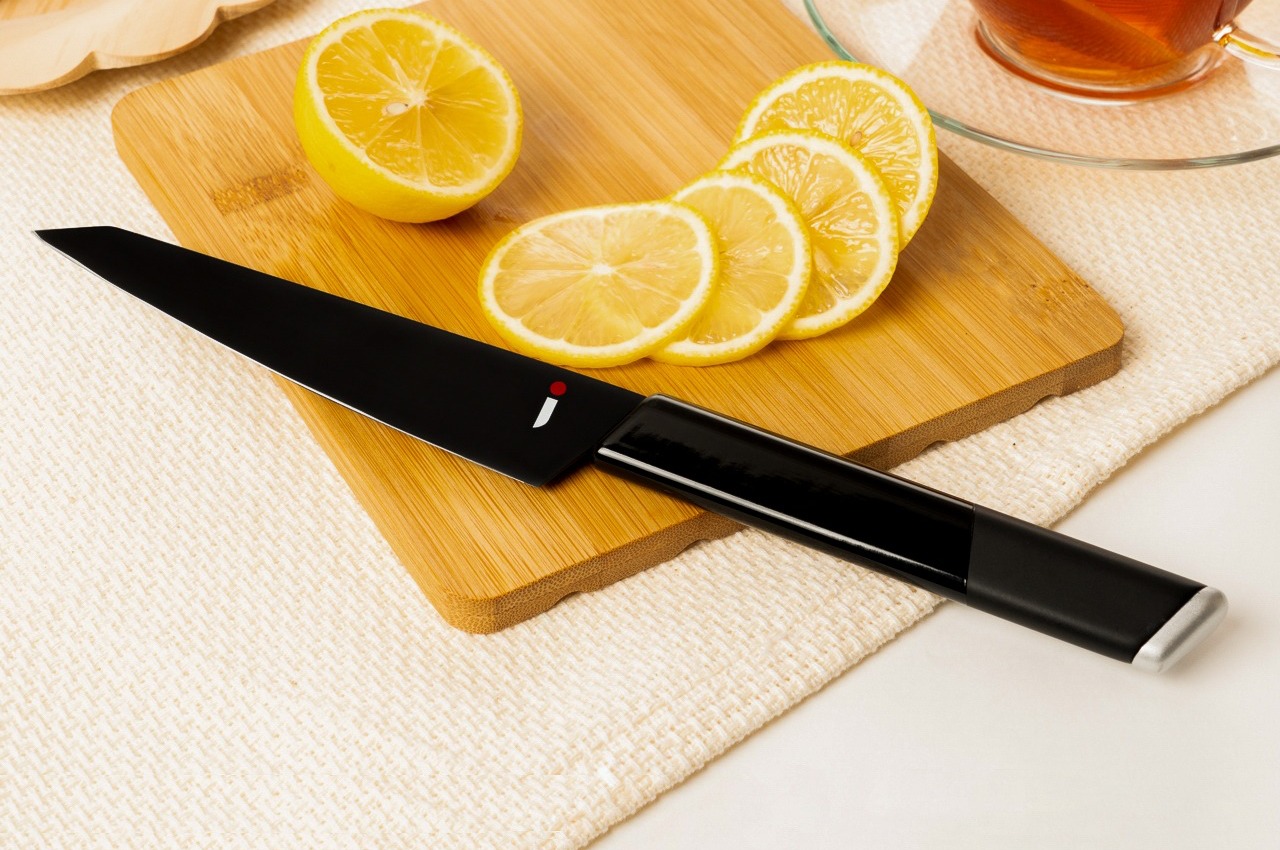
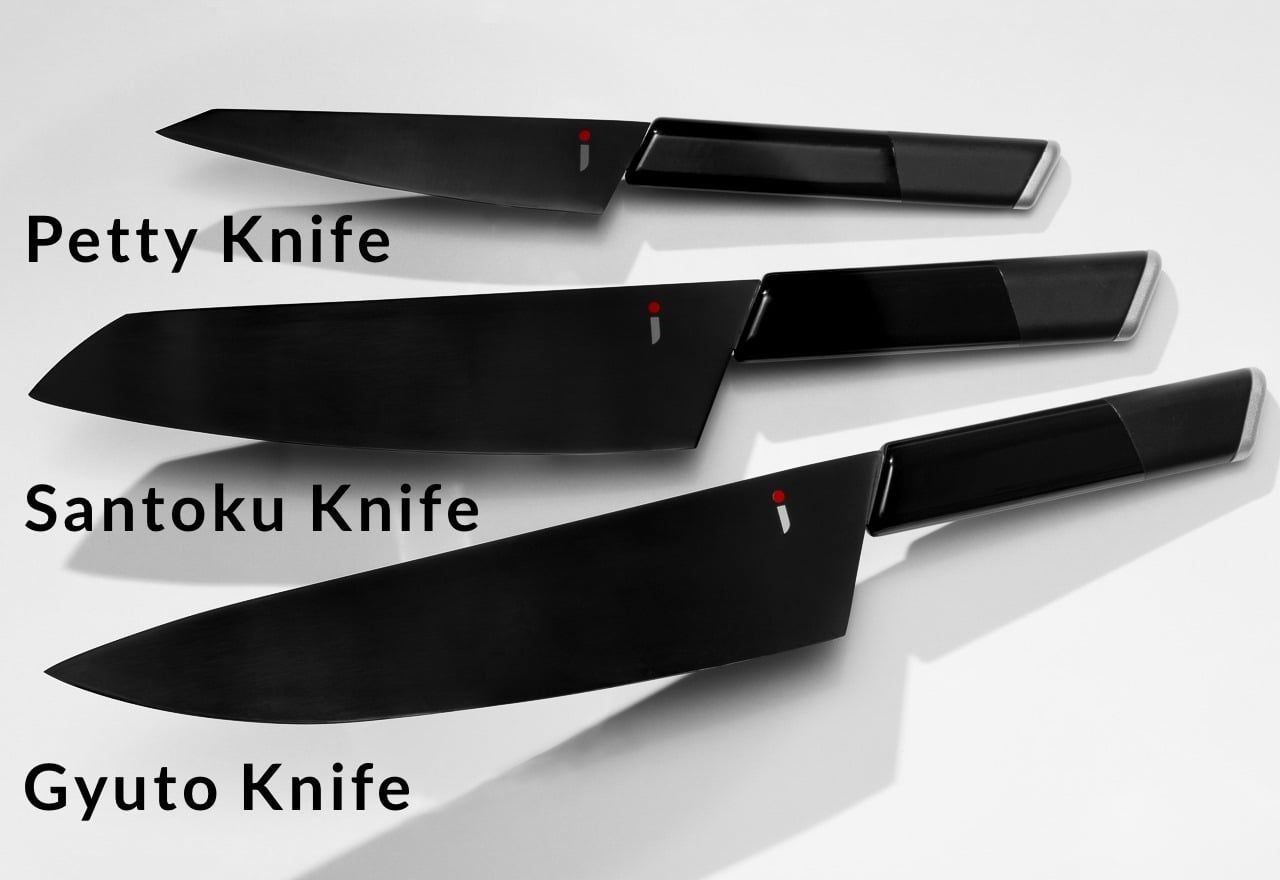
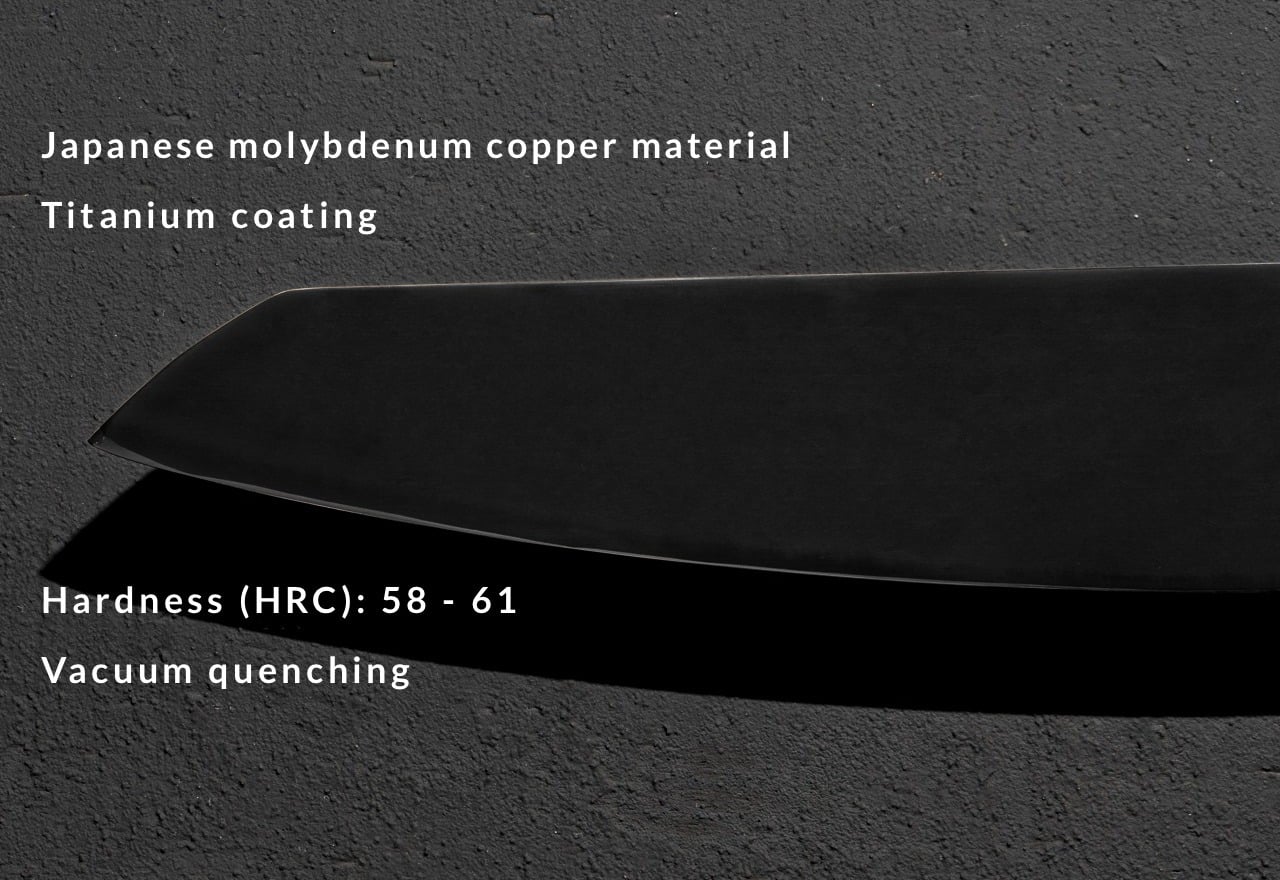
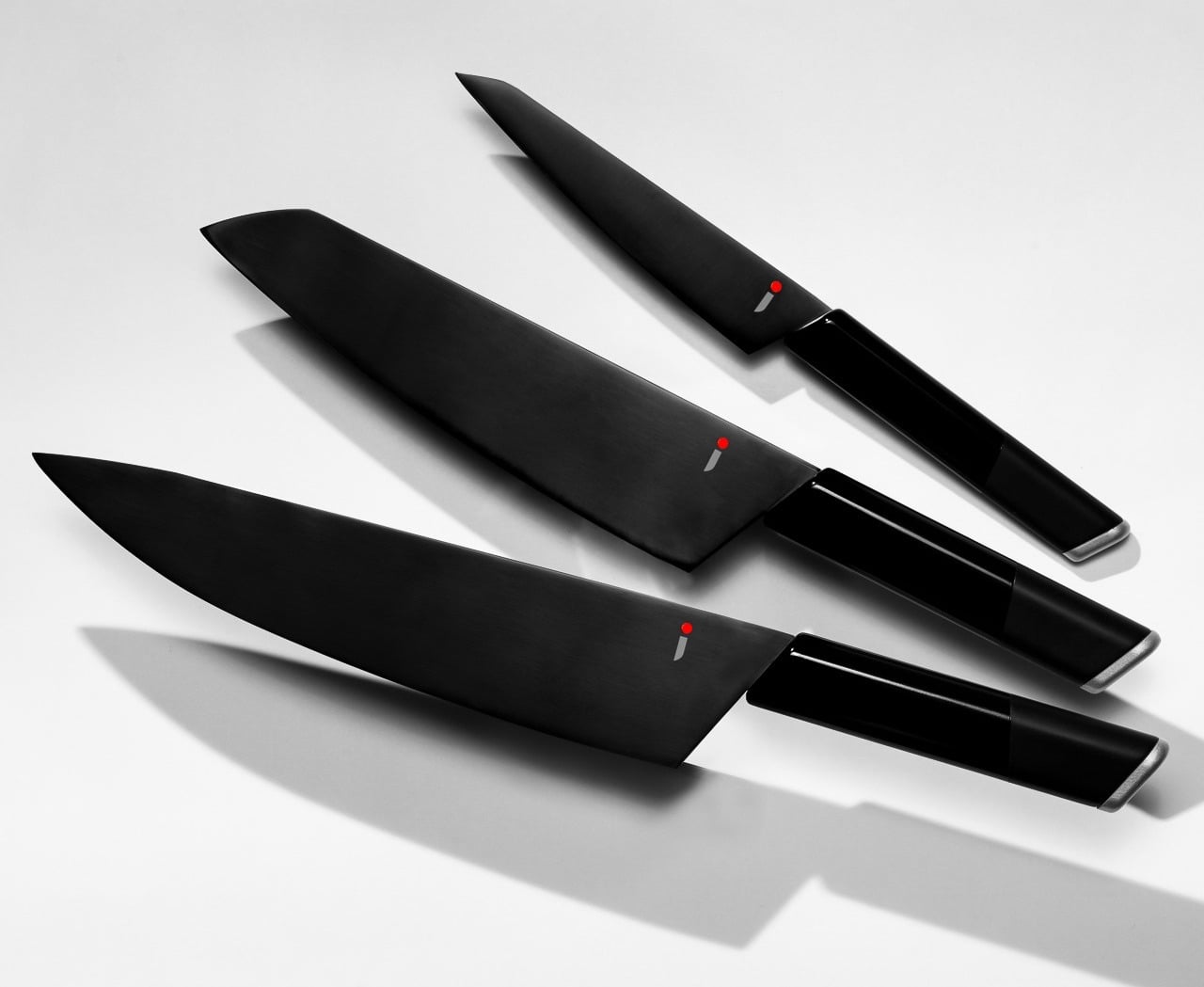
When you’re cutting and slicing through ingredients for your next dish, what your knife looks like might be the least of your concerns as long as it’s sharp and effective. Expert (and not to mention well-funded) chefs might have their favorite set of knives that are almost always on display because of their looks, but most people probably don’t have access to such exquisite tools, mostly because most kitchen knives aren’t exactly designed to look elegant. It’s almost as if there was a dichotomy between function and design, and you only had to choose one or the other. That isn’t the case, of course, and these handsome kitchen knives prove that you can have a sharp cutting edge with sharp looks to go along with it. Click Here to Buy Now: $89$99 (10% off at checkout). Since kitchen knives always get stained and dirty, some people probably don’t care about how they look as long as they get the job done. That kind of mentality has been pervasive in many industries but is also slowly changing to become more conscious about design and aesthetics. With many tools for office and crafts becoming more visually appealing, it’s really only a matter of time before the humble kitchen knife gets its time in the spotlight. NiNJA’s fashionable kitchen knives are definitely attention-grabbing, particularly because of their black blades. A color that has always been associated with looking smart and sophisticated, it gives the knives a simple yet effective upgrade when it comes to looking cool and modern. There is almost no other embellishment on the blade other than the discreet “i” logo, removing any potential distraction. Like a ninja hiding in the shadows or a secret agent in a black suit, these knives stealthily move in for the kill, cutting ingredients with precision and grace. The dark knives aren’t just for show, of course. The blades are made of molybdenum vanadium steel, known for its highly durable sharpness, and is coated with titanium for increased wear resistance. The knives are made in Seki in Japan, a city steeped in Japanese sword crafting tradition and is one of the world’s knife manufacturers. Unlike mass-produced kitchen knives, however, each blade from this collection is made one by one by an experienced craftsman, delivering a higher level of quality than what you’d see and experience from dull-looking knives. Whether you’re cutting meat with the Santoku, rock chopping with the Gyuto, or peeling vegetables with the Petty, these dark knives will allow you to slice through food prep like a master swordsman. And whether you’re still in the middle of your fancy hand movements or have finished cleaning up and setting aside your weapons, these stylish blades will definitely make you the center of attention and envy of others with sharp but boring cutting tools. Click Here to Buy Now: $89$99 (10% off at checkout). The most game-changing idea in travel luggage design doesn’t even use an ounce of tech or a single smart sensor… I’m assuming that, just like… If you don’t have space for a shoe rack and you cringe at the idea of just leaving your shoes in a cluttered heap inside… Respect and love this flat-pack, do-it-yourself design! The Mudo table is the result of an effort by designers Patrick Carmody and Kfir Shetrit to create… Smart Speakers are gradually making themselves more known within our lives, with an array of smart-devices now available to choose from. However, the Google Visual… Now these are some lucky hens. In fact they may have died and gone to heaven. A world away from the battery hen factories that… Modular kitchens were just the beginning. Samsung’s vision for homes is to have tech fit right into them as if they belonged there. At this… We’re an online magazine dedicated to covering the best in international product design. We have a passion for the new, innovative, unique and undiscovered. With our eyes firmly focused on the future. Editorial Standards and Ethics / Privacy Policy
Are you interested in studying music production in college? If yes, you'd find this article quite informative as it covers everything you should know before applying to any music production courses or programs. Continue reading to find out more! If you want to study music production, you will likely have to wear many hats. Below are just a few of the engineering positions you might have to learn about while pursuing a career in music production at a university. Select the microphones to use, where and how to position them, and how to handle or process the sound before and after the recording. In addition, recording engineers oversee the recording session's technical aspects. This job sounds simple on the front end but is actually incredibly complex. Learning about signal flow, frequency balance, room acoustics, and more could all be their disciplines, but a mix engineer has to be the best at all. Luckily, they teach you all this consistently while learning about music production in college. Just come with an open mind. All the mixed recordings' audio is tuned to perfection so that each track sounds great. A mastering engineer ensures the album's overall sound is consistent. But they also do so much more than that. Once trained, a mastering engineer can impart a whole new level of emotion and impact into a record. Too often, mastering engineers are only labeled as the ones who make sure the music is loud enough for release, but there is a true artform to mastering once you get the hang of it. Determines how a stereo recording should be made from all the pieces recorded during a session. Several separate recording or mixing engineers may work on various tracks of the same album. At some point, while studying music production in college, you may be asked to write essays on music or musical instruments. If you are not successful with essays, that can be a problem. However, with the help of online writing platforms, you have nothing to worry about. These writing companies have pro writers who can help with homework in any discipline. You can order essays at a custom assignment writing service, and your work will be delivered in no time. In addition, such writing services are quite affordable. These writing services can be helpful, especially for students with busy schedules. It would allow you to get positive grading of college papers and teacher comments for students' writing. When looking for the best options, you have to take your time to look for one that caters to your specific interests and goals. You can email different schools offering musing production to learn more about their programs. Also, you must be aware that colleges offer music production courses under different names. Some of the standard titles used by colleges include: The science of sound is the primary focus of music production programs. Still, the specific coursework you'll take, the practical training you'll get, and the degree you'll obtain depend on the program's specialization. Some of the available programs are as follows: These programs do not focus much on a great performance resume or an audition. However, they might require an interview and/or a portfolio of prior related work. Less frequently offered programs may involve digital performance and provide options with a concentration on composition or cinema. They might want an interview and/or a portfolio of prior related work. Programs put a lot of emphasis on the musical performance part. An audition is necessary. Programs tend to focus more on science and engineering, with or without a concentration in music. Calculus, physics, and computer science may be required as general prerequisites. They might want an interview and/or a portfolio of prior related work. Get some experience in the field of music production you want to specialize in before applying to programs at the college level. Producing music for the radio is way different than making scoring music to be placed in Hollywood films. So here are some ways you can prepare for studying music production in college. A good fit for this kind of program at college is: Becoming an expert in music production is not as easy as it seems. However, you can achieve your aspirations with the right college program and interest. Most importantly, you approach the craft with an open mind, come ready to learn, and be committed to the process. Success in music can often take ten years or more even to find your first glimmer of fame and fortune. So be dedicated to the craft and ask for help when you can.
Sun and clouds mixed. A stray shower or thunderstorm is possible. High 82F. Winds SSE at 5 to 10 mph.. Partly cloudy skies. Low 72F. Winds W at 5 to 10 mph. Updated: November 12, 2022 @ 7:15 am Sixteen residential real estate sales were recorded during the period of Oct. 31 to Nov. 4 in Key Biscayne and Brickell, several of which have been on the market since June. Residential properties in Key Biscayne now average 124 days on the market before selling. Brickell real estate sales move faster at a median of 74 days on the market. Here is what sold. 2 bed/2.5 bath/2,100 square feet 789 Crandon Blvd., Apt. 1402, Key Biscayne, FL 33149 Two-bedroom sold for asking price, and it last sold for $620,000 in 1998. Buyer was represented by Douglas Kinsley of Fortune International Realty Key Biscayne and seller was represented by Dolores Urdapilleta of Urdapilleta Real Estate. $500,000 2 bed/1.5 bath/837 square feet 230 Sunrise Drive, Apt. 6, Key Biscayne, FL 33149 Ann Leighton, with Compass, arranged the sale for both buyer and seller. This lovely townhouse, with unique arches and balconies, was listed for $525,000. 3 bed/2 bath/1,470 square feet 1155 Brickell Bay Drive, Apt. 602, Miami, FL 33131 Three-bedroom with a wraparound balcony was listed in September for $695,000. $878,500 2 bed/2 bath/969 square feet 1300 Brickell Bay Drive, Apt. 3307, Miami, FL 33131 Corner two-bedroom unit featuring marble throughout sold for the offered price. $435,000 1 bed/1.5 bath/878 square feet 60 SW 13th St., Apt. 1814, Miami, FL 33130 This loft at Infinity, featuring porcelain tile flooring and upscale details, was listed for $478,000 in June. $425,000 1 bed/1 bath/787 square feet 1408 Brickell Bay Drive, Apt. 807, Miami, FL 33131 Remodeled 1964 one-bedroom unit with epic water views sold for $5,000 above the asking price. $670,000 2 bed/2 bath/1,200 square feet 55 SE Sixth St., Apt. 3107, Miami, FL 33131 Two-bedroom unit featuring hardwood flooring located right off Brickell Avenue was listed for $675,000. $375,000 1 bed/1 bath/615 square feet 60 SW 13th St., Apt. 3807, Miami, FL 33130 Studio built in 2008 sold for the asking price of $610 per square foot. $430,000 2 bed/2 bath/832 square feet 1723 SW Second Ave., Apt. 1101, Miami, FL 33129 Two-bedroom with a two-car garage, located in The Roads neighborhood, sold for the listed price. $480,000 1 bed/1.5 bath/653 square feet 1300 Brickell Bay Drive, Apt. 1711, Miami, FL 33131 One-bedroom with porcelain tile flooring, heated pool and cabana was listed for $490,000. $520,000 1 bed/1 bath/774 square feet 950 Brickell Bay Drive, Apt. 3500, Miami, FL 33131 One-bedroom corner unit featuring expansive city and water views sold for the offered price. $615,000 2 bed/2 bath/1,099 square feet 1111 SW First Ave., Apt. 3125N, Miami, FL 33130 Listed for $630,000 in May, this two-bedroom is in the Axis on Brickell and has a large wraparound balcony and hurricane-impact windows. $445,000 1 bed/1.5 bath/981 square feet 41 SE Fifth St., Apt. 2211, Miami, FL 33131 This two-level loft overlooking the Miami River was listed for $490,000 in June. Fabrizio Passatore, with Keyes Miami Beach, represented both the seller and buyer in this transaction. $630,000 2 bed/2 bath/1,107 square feet 1111 SW First Ave., Unit 2719N, Miami, FL 33130 Corner unit featuring a wraparound balcony, two parking spaces, storage in a building with high-end amenities sold for $9,000 under the asking price. $690,000 2 bed/2 bath/1,101 square feet 950 Brickell Bay Drive, Apt. 3904, Miami, FL 33131 This two-bedroom condo was built in 2008 and listed for $740,000. $585,000 1 bed/1 bath/829 square feet 1395 Brickell Ave., Unit 3109, Miami, FL 33131 One-bedroom in a residential hotel, which comes with three parking spots and electric vehicle charging stations, was last sold for $480,000. $345,000 Studio/1 bath/551 square feet 31 SE Sixth St., Apt. 1403, Miami, FL 33131 Centrally-located studio built in 2014 was listed for $345,000 in June. To read last week’s real estate listings, click here.
Thank you for visiting nature.com. You are using a browser version with limited support for CSS. To obtain the best experience, we recommend you use a more up to date browser (or turn off compatibility mode in Internet Explorer). In the meantime, to ensure continued support, we are displaying the site without styles and JavaScript. Advertisement Scientific Reportsvolume 12, Article number: 19292 (2022) Cite this article 1 Altmetric Metrics details In this study, the effects of print parameters on the mechanical properties of additively manufactured metallic parts were investigated using a tensile test. The 17-4 PH stainless steel specimens with two print parameters, including infill density and pattern orientation, were fabricated by additive manufacturing (AM) using the bound metal deposition (BMD) technique. The mechanical properties considered in this study are the Young’s modulus and ultimate tensile strength. The results demonstrate that the pattern orientations do not affect the Young’s modulus of the infill specimen with the triangular pattern. In contrast, the ultimate strength significantly varies depending on the pattern orientations, where the samples with the pattern orientation of zero degrees yield the best ultimate strength. In fact, the mechanical properties of infill specimens increase with their infill density. However, when operating cost and time are considered, an index for estimating performance and sustainability is consequently established. The relationship between the normalized ultimate strength of an infill specimen and the relative density is defined as the weight efficiency. The index for assessing a sustainable product is characterized by the weight efficiency versus sustainable parameter(s). The index can help end users select an appropriate infill density for AM products by considering the operating cost and time. Different cost models, including material-only costs, direct costs, and total costs, can be included in the index model to assess a sustainable product in a particular cost context. The proliferation of human development in the twenty-first century involves a fundamental change across technological revolution and human life, known as the Fourth Industrial Revolution or Industry 4.0. Civilization is on the brink of a new industrial revolution to increase global industrial performance and improve quality of life worldwide, driven by modern manufacturing technologies and information systems. A new generation of manufacturing systems can provide optimal processes and technologies, i.e., artificial intelligence, robotics, the internet of things, and additive manufacturing (AM), for flexible production with long-term gains in efficiency and productivity1,2,3. Among the technological advances, AM is regarded as a crucial manufacturing process driving Industry 4.0. AM is a manufacturing technique to fabricate parts from a three-dimensional (3D) computer-aided design (CAD) file, also known as 3D printing. It effortlessly enables fabrication of complex parts with freeform shapes by a layer-by-layer process4. This technique has less waste material in the manufacturing process than traditional subtractive processes, e.g., computer numeric control (CNC) machines, waterjets, and laser cutting. Since AM parts can be designed with greater shape freedom and less manufacturing waste, AM can be applied as a novel manufacturing process for designable and customizable products, potentially creating a new business model. In addition to being a driving technology of Industry 4.0, AM can be regarded as a sustainable technology for the environment since the technology provides less waste material and can use recycled material in manufacturing. It is a productive process that can considerably reduce global greenhouse gas emissions. Massive raw material production in industrial sectors and their potential environmental footprint can potentially be reduced using AM technologies. In that case, AM may provide opportunities for increasing environmental sustainability in various industries. Formerly, sustainability was defined by emphasizing the environmental aspect. Currently, the definition also includes societal and economic aspects, which AM technology also addresses5. Referring to the 6R principles (reduce, recover, recycle, reuse, redesign, and remanufactured)6, AM offers a possibility for sustainable development, bettering the social and economic impacts of the whole product life cycle7,8. AM allows simultaneous development of environmental conservation and economic growth, thus optimizing consumption and conserving resources for human life. In light of the mechanics of economic development, a circular economy and the use of resources are substantially related. If material and energy consumption in industries can be reduced and controlled, traditional business models can soon be transformed into sustainable circular economy models1,9. AM technology began in the 1980s as a technique for creating prototypes. Over the years, several AM techniques have been proposed for appropriate applications and user-friendly use. These advances give AM more advantages in manufacturing, such as easier prototyping, no required special tools and skills, potential for massive customized productions, reduced time and cost, and sustainable production8,10. Additionally, with the ability for on-demand manufacturing, AM can shorten supply chains, reduce storage needs and delivery costs, and provide a shorter lead-time for replacement parts11. These benefits make AM a modern and more accessible manufacturing and logistics process, especially for small businesses with innovative products designed themselves. For large-scale businesses, AM technology has been extensively adopted for various applications, e.g., in aircraft, aerospace, automotive, biomedical, and electronics industries12,13,14,15,16. Numerous material types, e.g., polymers, ceramics, and metals, can be used in its production. With continued innovations of AM technologies and materials and the application in various productions and industrial markets, investment in AM has grown significantly in the last half-decade. After the COVID-19 pandemic somewhat subsided, many industries entered a period of advancement and investment. According to Wohlers Report 202217, the AM industry grew by 19.5% in 2021, increasing from 7.5% growth in 2020, the beginning of the COVID-19 outbreak. Moreover, AMPOWER, the leading consultancy in the AM industrial field, has predicted that the AM market will have a yearly growth of 18.2% over the next four years. This report implies that the overall 3D printing sector will be worth approximately 20 billion euros by 202618. Among AM materials, metals have received more attention from researchers and industries in numerous fields. Metal AM has been forecasted to achieve annual growth of over 29% from 2021 to 202519. A conventional AM technique for metal parts is powder bed fusion (PBF), which spreads powder to form a metal part fused selectively by a high-energy beam. However, this technique requires strict safety regulations and is an expensive operation. A recent alternative metal AM method is the extrusion-based technique based on the fused filament fabrication (FFF) process, in which the fused filaments are mixed from polymer, binder, and powder of a material. Desktop Metal Inc. (DM) has proposed an extrusion-based metal AM technique, called bound metal deposition (BMD), by replacing the traditional raw material with metal, such as stainless steel, copper, and titanium, in the filaments. The BMD technique enables end-user producers to customize their metal parts. With densities and feature accuracy similar to casting, BMD can manufacture difficult-to-machine parts featuring complex geometry. It can also customize metal parts to have infill or fully dense features depending on the requirements of strength and weight. Although their products have certain drawbacks, i.e., porosity20 and surface roughness, the BMD provides fewer steps, effortlessly removable supports, and a user-friendly user interface with step-by-step guidance. Consequently, this technique makes producing metal parts more accessible and safer with no loose metal powders or lasers and less operator intervention. In the printing process, there are two extruders containing metal rods and ceramic rods for forming a metal 3D object and ceramic support media, respectively. After that, the binder is dissolved in the debinding process and densified in the sintering process21,22. In terms of using AM parts in engineering applications, the mechanical performance of AM parts can be varied by changing print parameters (e.g., infill density and printing orientation). If a certain strength is required of the part for an application, the appropriate setting of such parameters should be considered. Otherwise, a part with a higher strength than the requirement unnecessarily impacts manufacturing time and costs. Consequently, optimizing strength and manufacturing costs of an AM part is significant. From a sustainability point of view, the part should have optimized strength coupled with reasonable production cost and time. Over the last few years, although many aspects of AM product behavior have been widely studied and published by many researchers21,23,24,25,26,27,28, AM using the BMD technique has not been explored sufficiently, especially in terms of sustainability. As mentioned earlier, BMD technology enables low volume production and economical metal parts with more safety in the manufacturing process, benefiting small companies, inventors, and academic users to develop their products as designers and manufacturers. Nevertheless, to gain more effective and sustainable production, resource management with controlling appropriate print parameters for BMD part’s performance as well as manufacturing time and cost should be considered, especially for small manufacturers. Since BMD opens up a wide range of applications for AM parts with enclosures, it is important to optimize the internal lattice structure infill that enables specific strength and light weight. In general, a relation between the performance and the amount of material used should be optimized. The operating time and cost related to the amount of material used in the process are significant variables for sustainable management. An indicator assessing both the performance and sustainability of AM production should be utilized to achieve functional AM parts with optimal time and cost. To the best of our knowledge, there is no existing report on the relationship between the performance and sustainability of AM products using BMD, which is vital for establishing sustainable production. This study aspires to investigate the effects of print parameters on the mechanical performance and sustainability of metal AM specimens with the BMD technique. The specimens with two sets of print parameters, i.e., infill density and pattern orientation, are tested using a tensile test to determine the mechanical performance. The relationship between the performance (ultimate tensile strength) and sustainability (manufacturing time and cost) of the specimens with varied infill densities is defined as an index for sustainable products. This paper provides a framework for end-users and prosumers to select appropriate print parameters for their AM products based on the index related to performance and sustainability. Moreover, although AM is named a sustainable manufacturing process, there are no explicit manners to indicate the sustainability level of AM products. The index in this study is consequently intended to propose a way to assess the sustainability of AM products. In this study, tensile testing is performed to evaluate the mechanical properties of AM specimens with the BMD technique. The specimens, made of 17-4 PH stainless steel, were prepared for the test based on the ASTM standard with two print parameters considered. The first considered parameter is the infill density of AM specimens, which can be varied by adjusting the print parameter setting of the specimens through a DM’s web browser. Four infill densities are considered: 16%, 20%, 24%, and full-solid equivalent, as shown in Fig. 1. Note that a triangular pattern is a default infill pattern of the printer, and the density can be varied by modifying the sizes of the triangular unit cells. AM specimens with different infill densities. The second considered parameter is the infill pattern orientation, laid on the (x-y) plane, as shown in Fig. 2a. The varied orientations were set by adjusting the raster direction on the horizontal plane relative to the print platform to obtain specimens with capable stiffness21. Three different pattern directions are considered, i.e., the pattern with raster angles of 0, 15, and 30 degrees, as shown in Fig. 2b. For raster angles between 0 to 90 degrees, infill pattern orientations with 0, 15, and 30 degrees yield the same as those with 60, 45/75, and 90, respectively. Moreover, the infill patterns with different orientations will repeat the same patterns every 90 degrees. Consequently, in this study, the raster angles of 0/60, 15/45/75, and 30/90 are used to represent the perpendicular angles in other quarters. In this investigation, infill specimens without sidewalls are used for all samples. Note that the specimen dimensions are slightly different because they are designed to have eight complete unit cells along the short edges and the same density. (a) Raster directions on the (x-y) plane of the print platform. (b) The AM specimens with different infill pattern orientations. The Young’s modulus and ultimate tensile strength are the mechanical properties of the AM specimens considered in this study. The detail of data collection is in the section of the experimental design. For the investigation of the specimens with different infill densities, the weights of each infill specimen in Fig. 1 are measured to compute their relative densities, defined as the ratio between the average weight of the infill specimen and its full-solid counterpart. The average values of the relative density, Young’s modulus, and ultimate strength are presented in Table 1. According to a datasheet provided by DM, the Young’s modulus and ultimate strength of 17-4 PH stainless steel specimens fabricated by the 3D metal printer are 195 GPa and 1042 MPa, respectively29. With the same test standard, the Young’s modulus and ultimate strength obtained in this study are approximately 81.69% and 81.79% of those in the datasheet, respectively. The discrepancy can occur due to various factors in the manufacturing processes. For this reason, an experimental study for a specific printing context is vital for assessing the mechanical properties of the AM parts. The weight efficiency of the infill specimens with the considered stiffnesses, including Young’s modulus and ultimate strength, is presented as the normalized values in Table 2. These values were computed from Eq. (2) and used to compare the efficiency among infill specimens with different densities. The results show that the greater the infill density is, the more efficient the specimens. Nevertheless, this behavior is not linear because the weight efficiency rapidly increases when the specimen approaches being full-solid. Thus, the full-solid specimen is the best choice if only strength is the primary consideration. On the other hand, if weight or cost is considered as an additional need, the optimal condition for AM parts considering both strength and weight or cost is needed, discussed in the sustainability aspect in the next section. For the investigation of the specimens with different pattern orientations, an infill density of 12% was used for all samples, of which the relative density measured was 36.12%. The average values of Young’s modulus and ultimate strength are presented in Table 3. It can be seen that the pattern orientation almost does not affect the Young’s modulus of the specimens. For this reason, the specimens can be printed in any direction on the (x-y) plane and yield the same load capacity throughout the elastic region. In contrast, applied load directions are significant for the specimen’s strength because the fluctuation of the ultimate strength shows during the change of the pattern orientations. The parts with the orientation of 0/60 degrees show higher ultimate strength than those with the orientations of 15/45/75 and 30/90 degrees (1.47 and 1.30 times higher, respectively). The AM parts with a pattern orientation of 0/60 degrees should be considered in the print parameter design for carrying loads to ensure that the parts yield maximum in-plane ultimate strength. Since an infill specimen with a triangular pattern can be treated as a lattice structure with triangular unit cells, the effective Young’s modulus of such a lattice can be predicted using the closed form obtained from the literature30. The specimen with the unenclosed sidewalls and pattern orientation of 0/60 degrees, as shown in Fig. 2, is concordant with a lattice structure, and the Young’s modulus can be computed using Eq. (1). In the validation, the value of the Young’s modulus obtained from the experiment in Table 3 is compared to that calculated from Eq. (1), which is equal to 23.107 GPa. Good agreement is observed with an error of 3.10%. To compare the results in this study with related works, the weight efficiency of the infill specimen with the orientation of 0/60 degrees (see Fig. 2) was compared with that obtained from the literature. The weight efficiency can be computed using Eq. (2) using Young’s modulus as the considered stiffness. The results obtained from this study and the related works are 0.35, 0.3430, 0.3331, and 0.3532. These results are well consistent and confirm the experimental results in this study. In addition, by substituting Eq. (1) in Eqs. (3) and (4), the in-plane Young’s modulus of the specimens in other directions can be computed. The Young’s modulus results of the specimens with different orientations ranging from (0) to 360 degrees, obtained from the formulas and experiment, are plotted in Fig. 3. The transformation of the Young’s modulus, obtained from Eqs. (3) and (4), is illustrated as the blue line, while the experimental results of the Young’s modulus of the specimen with the different pattern orientations are presented as the green points. It can be seen in the isotropic polar plot that both results are similar for all corresponding directions with an absolute error of less than 4.00%. Isotropic polar plot of the infill specimens with different pattern orientations. Environmental, societal, and economic aspects are general factors used to assess the sustainability of a product. AM has been proven from many studies to be an eco-friendly manufacturing process compared to conventional processes5,33,33,35. AM yields direct effects regarding better environmental impacts, such as particle pollution, contamination, and hazardous wastes. At the same time, it also yields indirect environmental impacts by providing a reduction of CO2 emissions from less usage of raw material in the process. These impacts lead to societal improvement with better quality of life and health benefits for producers. The societal aspect also impacts the rise of customers interested in designing and producing, called prosumers, since AM enables them to achieve sustainability goals and develop new business opportunities5,36,36,38. As mentioned in the introduction, these advantages can be more efficient in AM technology using BMD, which provides more accessible, safe, and effective metal part manufacturing. From an economic perspective, the potential increased involvement of prosumers fuels the circular economy from emerging new business models with up-to-date manufacturing and logistics, e.g., on-demand production and instant supply. In addition, AM with BMD can be proposed in terms of time-saving and cost-effective production resulting from minimizing the metal used in the process. The less material used, the less manufacturing time and the lower the costs. Thus, selecting an appropriate infill density for parts, matching their application, is essential because the material density is directly related to performance, as discussed earlier. Table 4 presents the time and costs for fabricating AM specimens with different infill densities using BMD. The expenses were classified into direct and indirect costs and are considered in the cost model; the labor cost is not considered because it is negligible in the BMD process. The whole time of the manufacturing process, i.e., printing, debinding, and sintering, is included in the operating time in terms of hours. The material cost, including only the metal and interface costs, is a part of the direct cost, which also considers the costs of electricity and consumables, e.g., debind fluid and gases. Most of the expenditure is from the indirect cost, which is approximately 93% to 94% of the total cost. As shown in Table 4, the time and costs increase according to the amount of material used, related to the percentage of infill density of the specimens. Therefore, adjusting the time and cost to be optimal for the desired weight efficiency is a way to run a sustainable process. This study defines the relationship between the weight efficiency and normalized sustainable parameter(s) as an index for sustainable products. The weight efficiency can be computed using Eq. (2), which is defined as ({e}_{UTS}) when the ultimate strength is considered. Meanwhile, the operating cost and manufacturing time are treated as sustainable parameters. A normalized sustainable parameter can be obtained from a ratio between a considered sustainable parameter of each infill specimen and that of the full-solid counterparts. For example, the normalized operating cost can be obtained from the ratio between the cost of the infill specimens and such cost of the full-solid counterparts, defined as ({widehat{C}}_{i}={C}_{i}^{text{infill}}/{C}_{i}^{text{solid}}), where (i) denotes a considered cost, i.e., material-only cost, direct cost, and total cost. The index can be consequently obtained by ({e}_{UTS}/{widehat{C}}_{i}), which can be adjusted for various economic aspects by considering different focused cost models (i). Note that, since the indirect costs are close to the total expenses and both yield the same index, only the results of the total costs are presented. As shown in Fig. 4, the index values, where (i) denotes material-only cost, direct cost, and total cost, are presented as blue, green, and orange, respectively. The assessment from the perspectives of performance, weight, and cost is included in the index model as the normalized values. A higher index value implies that AM products yield better performance against sustainability. The weight efficiency against the normalized values of the operating cost. Similar index values are observed for all considered infill specimens, focusing on the material-only cost. It is implied that infill density has less effect when considering the weight efficiency versus the normalized cost of only materials used, especially for the specimens with 50.68% and 62.18% relative densities. In contrast, focusing on the direct and total costs, the specimens with a higher infill density yield a better index. It is shown that even though the specimens with higher infill density have more expenses, they give good results in terms of performance and sustainability. In addition, to modeling a more comprehensive index from the sustainability point of view, the time used in the manufacturing process can be included in the index model. The index adding the manufacturing time can be obtained by ({e}_{UTS}/({widehat{C}}_{i}times {widehat{T}}_{P})), where ({widehat{T}}_{P}) denotes the normalized values of the whole processing time. The assessment in terms of performance, weight, cost, and time aspects is included in this index, as shown in Fig. 5. The weight efficiency against the normalized values of the operating cost and time. It can be seen from the model in Fig. 5 that the index values increase when the manufacturing time is considered additionally. Although adding more sustainable parameters in the model, most AM parts with a higher infill density are still better than those with a lower infill density. However, when the material-only cost is considered, the parts with a lower infill density can yield a higher index than those with a higher infill density. Since the sensitivity of the index varies depending on sustainable parameters, considering more sustainable parameters (e.g., energy consumption and CO2 emissions from the raw material used) and specific cost models (e.g., material-only cost) can significantly make the parts with a lower infill density have more impact from the point of view of performance versus sustainability. Note that considering specific cost models like the material-only cost is practicable for the assessment because most total costs consist of committed fixed costs like indirect costs, which are fixed obligations of the business. In fact, the infill parts cannot match the full-solid parts in terms of the capability of the in-plane stiffness. This study intends to propose an indicator to assess the AM parts with an infill density not only concerning the performance aspect but also the sustainability aspect. The relationship between mechanical properties and the costs and time, which is presented in terms of the ratio of weight efficiency and normalized sustainable parameters, can be used to assess the degree of sustainability of an AM product initially. The higher value of the index demonstrates the product is preferable in terms of performance versus sustainability. Furthermore, this study focuses on AM products’ performance and sustainability points of view. Only Young’s modulus and ultimate strength are considered for the performance aspect while manufacturing cost and time are considered for the sustainability aspect. The suggestions for future studies are that, in the performance aspect, other stiffness, such as bending and fatigue, should be further studied to cover more performance. In the sustainability aspect, more sustainable parameters can be considered in the model, such as the energy and environment aspects. Moreover, this study considers only the manufacturing costs of AM products. An analysis related to the gain or loss from an investment may be taken into account further to cover the commercial aspect. The 17-4 PH stainless steel specimens fabricated by AM using the BMD technique were tested by tensile testing to investigate the effects of the print parameters on the performance and sustainability. From the performance point of view, the AM specimens with two sets of print parameters, i.e., the specimens with different infill densities and the specimens with varying pattern orientations, were tested to obtain the Young’s modulus and ultimate tensile strength. As expected, the specimens with a higher infill density yield better mechanical properties. The in-plane pattern orientations have a little effect on the Young’s modulus of the infill specimens with the triangular pattern, but there are differences in the ultimate strength. The specimens with a pattern orientation of 0/60 degrees yield the best ultimate strength. From the sustainability point of view, the manufacturing time and cost of the specimens with different infill densities are considered sustainable parameters, while the ultimate strength is selected to be the considered performance. The relationship between the ultimate strength of an infill specimen and its normalized weight density is defined as the weight efficiency of the specimen. The index for assessing an AM part in terms of performance versus sustainability is characterized by the weight efficiency versus the normalized sustainable parameter(s). Two assessment models are proposed in this study: (1) the weight efficiency versus the normalized operating cost and (2) the weight efficiency versus the normalized operating cost and time. The material-only, direct, and total costs are classified as the cost model options. The results show that considering the material-only cost (a limit case), the infill specimens with a lower density yield a comparable index to those with a higher density in the first model, while, in the second model, the infill specimens with a lower density yield a better index than those with a higher density. In addition to these cases, the infill specimens with a higher density have the best index for all cases. Note that the performance of AM specimens in this study was investigated only for in-plane loading. Other implementations, such as bending and fatigue, may give different results. As shown by the results of this study, it can be concluded that the in-plane pattern orientation (horizontal plane) hardly significantly affects the Young’s modulus of the infill parts with the triangular pattern. The Young’s modulus of the infill parts is not a linear function of the infill density. The parts with a higher infill density yield higher weight efficiency of in-plane stiffness than those with a lower infill density. When considering performance versus sustainability, most parts with a higher infill density yield a higher index than those with a lower infill density. However, the assumption of sustainable parameters can significantly change the index. The index can be used to evaluate AM parts in terms of stiffness against sustainability. For an inhomogeneous material, if its inhomogeneities are uniformly distributed and considerably smaller than the full size of the material, at least stochastically, the material can be considered a homogeneous material with effective properties. The material is considered theoretically extended to become an infinite material in determining its effective properties. It is subjected to uniform boundary conditions that yield uniform stresses and strains in a homogeneous material at its far-field boundary. The resulting relations between the average stresses and average strains can then be used to define the effective properties of the material39,40. An inhomogeneous material in which the inhomogeneities are distributed periodically can be considered a periodic material, also known as a lattice structure. If a lattice structure consists of a substantial number of periodic unit cells, the effective properties can be determined41,42. In manufactured lattice structures, such unit-cell patterns are used to help reduce the amounts of raw materials used (compared to solid material) while retaining the desired properties matching their applications. Different periodic patterns or unit-cell patterns result in the various mechanical behaviors of lattice structures. A 2D lattice structure is often used for an AM product to reduce raw materials and manufacturing costs by controlling the densities of their infill patterns. A 2D periodic pattern is generally used for the infill pattern of an AM part, especially a triangular pattern. In this study, AM specimens with triangular infill patterns are treated as 2D lattice structures with triangular unit cells. The material behavior of the triangular infill specimens can then be obtained by considering the effective elastic properties of a lattice structure with triangular unit cells. Figure 6 shows a lattice structure with triangular unit cells, where (l) denotes the characteristic length of the unit cells and (b) and (t) denote the width and thickness, respectively. These significant parameters can be used to compute the effective Young’s modulus of lattice structures with triangular unit cells obtained from the literature30, i.e., A lattice structure with triangular unit cells and its strut dimensions. where ({E}_{x}^{*}={E}_{y}^{*}) denotes the effective Young’s modulus of the infill specimens and (E) denotes the Young’s modulus of the base material. In addition, (overline{rho }) denotes the relative density of the lattice structure with triangular unit cells that is equal to (2sqrt{3}b/l). An infill density is used in an AM specimen to reduce its weight. When the specimen stiffness is among the leading design targets, the ratio of the specimen stiffness to its weight density can be considered to evaluate weight efficiency. To assess the efficiency of an infill specimen compared to its full-solid counterpart, the ratio between the considered stiffness per weight density of the specimen and the stiffness per weight density of a full-solid specimen having the same dimensions is defined as weight efficiency of the specimen, i.e., where ({S}^{*}) and (S) are the considered stiffnesses of the infill specimen and the full-solid counterpart, respectively. In addition, (overline{rho }) is the relative density, which is, in fact, the ratio between the weight density of the infill specimen and the weight density of a full-solid specimen having the same dimensions, i.e., (overline{rho } = {{rho^{*} } mathord{left/ {vphantom {{rho^{*} } rho }} right. kern-nulldelimiterspace} rho }). The effect of the load orientations on 2D lattice structures on a (x-y) plane is investigated to validate lattice structures’ properties in different rotating directions. For orthotropic materials, the transformation of mechanical properties from the (x-y) coordinate system to the ({x}^{^{prime}}-{y}^{^{prime}}) coordinate system is illustrated in Fig. 7. Original and rotating coordinate systems. The transformation of Young’s modulus between the two coordinate systems, in which the stiffness and compliance matrices are symmetric, can be written as43 where ({E}_{x}) and ({E}_{y}) denote the Young’s modulus in the (x-y) coordinate system, while ({E}_{{x}^{^{prime}}}) and ({E}_{{y}^{^{prime}}}) denote Young’s modulus in the (x{^{prime}}-y{^{prime}}) coordinate system. In addition, ({G}_{xy}) denotes the shear modulus, and ({nu }_{xy}={nu }_{yx}) is Poisson’s ratio. Here, (m=costheta) and (n=sintheta) are defined for the transformation of geometrical points. The mechanical properties of AM parts can be experimentally obtained by a tensile test based on the ASTM E8/E8M standard. Since an AM part is treated as a lattice structure constructed by many unit cells inside, its specimen should be designed as a homogeneous material with effective properties to ensure that it yields an exact mechanical response44,45. Other print parameters affecting its mechanical properties can be studied when ensuring that a specimen can be considered a homogeneous material. In this paper, two significant print parameters have been emphasized, i.e., infill density and pattern orientation, to investigate the effects of print parameters of AM technology on material behavior and manufacturing costs. Four relative densities are considered for the AM specimens, including 50.68%, 62.18%, 73.60%, and 100% (equivalent) of the full-solid specimen, as shown in Fig. 1. Three pattern orientations of the triangular unit cells are considered, including the pattern orientation rotated (0^circ), (15^circ), and (30^circ), as shown in Fig. 2. Since the rotation of (0^circ), (15^circ), and (30^circ) yields symmetrical geometry with (60^circ), (45^circ /75^circ), and (90^circ), respectively, the infill pattern orientations considered are then sufficient for the investigation in this study. All specimens, made of 17-4PH stainless steel, were fabricated using BMD technology by a Studio System Desktop Metal 3D printer. The specimens with infill density using triangular pattern were created without top and bottom wall thicknesses to investigate the infill density effect. The geometry and dimension of the specimens were considered according to the ASTM E8/E8M standard, as shown in Fig. 8a. The infill densities were varied by changing (l) while maintaining the rectangular strut’s cross-section (see Fig. 6). The infill densities are also presented as relative densities, which is a ratio between the weight of infill specimens and the full-solid one, as shown in Table 1. For the specimens used to investigate the pattern orientation effect, the specimens with a rectangular shape were designed based on the ASTM E8/E8M standard, as shown in Fig. 8b, where (mathrm{W}) can be adjusted to obtain complete unit cells along the short edge. In the investigation, the samples with 36.12% relative densities were used for each pattern orientation. Note that five samples were examined for a set of specimens in each parameter type. The reliable results of at least three samples were collected to compute average values of Young’s modulus and ultimate strength. The geometry and dimension of a specimen according to the ASTM E8/E8M standard. According to the ASTM E8/E8M standard, a tensile test was performed using an Instron 8802 universal testing machine to obtain the Young’s modulus and ultimate tensile strength of the 17-4 PH stainless steel specimens. The tensile tests were operated in displacement control with 1.0 mm/min speed before the yield point and 5.0 mm/min speed after the yield point. An extensometer was used to measure strain in the elastic region and then removed after the yield point. A unit cost model was used to estimate the total costs of AM products during the manufacturing process. A general equation of the total cost model ({C}_{T}) can be written as where ({C}_{text{Direct}}) denotes the estimated cost incurred for raw material, interface, consumables, and electricity, while ({dot{C}}_{text{Indirect}}) and ({T}_{P}) denote the cost rate of the machine operation and processing time. In addition, ({dot{C}}_{text{Labor}}) and ({T}_{L}) denote the labor rate and the labor duration. Summation of element costs, i.e., direct, indirect, and labor costs related to the printing activity, reflects the cost of the primary BMD process. The direct cost estimate captures all expenditures for materials fed into the system (raw material and interface), energy consumed, and consumables (build sheet, debind fluid, gas, etc.). The indirect cost rate represents the main total machine costs of depreciation and maintenance, which can be obtained by In this study, the printing machine was estimated to operate for a ten-year period, while the annual maintenance cost was estimated at 15% to 20% of the yearly machine cost, depending on each machine type. In addition, the annual operating time was set to 4,000 h. Equation (6) was used to compute the total machine cost rate in Table 5. The labor cost estimate describes the costs waging for an AM production worker. Table 5 shows the elements of the total cost model throughout the manufacturing process. Note that all estimated costs are modeled based on the machine owner context. The datasets used and/or analysed during the current study available from the corresponding author on reasonable request. Ponis, S., Aretoulaki, E., Maroutas, T. N., Plakas, G. & Dimogiorgi, K. A systematic literature review on additive manufacturing in the context of circular economy. Sustainability13, 6007 (2021). Article Google Scholar Romani, A., Rognoli, V. & Levi, M. Design, materials, and extrusion-based additive manufacturing in circular economy contexts: From waste to new products. Sustainability13, 7269 (2021). Article Google Scholar Yang, F. & Gu, S. Industry 4.0, a revolution that requires technology and national strategies. Complex Intell. Syst.7, 1311–1325 (2021). Article Google Scholar Haleem, A. & Javaid, M. Additive manufacturing applications in industry 4.0: A review. J. Ind. Integr. Manag.4, 1930001 (2019). Article Google Scholar Khajavi, S. H. Additive manufacturing in the clothing industry: Towards sustainable new business models. Appl. Sci.11, 8994 (2021). ArticleCAS Google Scholar Peng, T., Kellens, K., Tang, R., Chen, C. & Chen, G. Sustainability of additive manufacturing: An overview on its energy demand and environmental impact. Addit. Manuf.21, 694–704 (2018). Google Scholar Esmaeilian, B., Behdad, S. & Wang, B. The evolution and future of manufacturing: A review. J. Manuf. Syst.39, 79–100 (2016). Article Google Scholar Mehrpouya, M. et al. The potential of additive manufacturing in the smart factory industrial 4.0: A review. Appl. Sci.9, 3865 (2019). Article Google Scholar Jandyal, A., Chaturvedi, I., Wazir, I., Raina, A. & Haq, M. I. U. 3D printing: A review of processes, materials and applications in industry 4.0. Sustain. Oper. Comput.3, 33–42 (2022). Article Google Scholar Kumar, S. P., Elangovan, S., Mohanraj, R. & Ramakrishna, J. Review on the evolution and technology of State-of-the-Art metal additive manufacturing processes. Mater. Today46, 7907–7920 (2021). Google Scholar Vafadar, A., Guzzomi, F., Rassau, A. & Hayward, K. Advances in metal additive manufacturing: A review of common processes, industrial applications, and current challenges. Appl. Sci.11, 1213 (2021). ArticleCAS Google Scholar Blakey-Milner, B. et al. Metal additive manufacturing in aerospace: A review. Mater. Des.209, 110008 (2021). ArticleCAS Google Scholar Hegedus, T. et al. User Experience and sustainability of 3D printing in dentistry. Int. J. Environ. Res. Public Health19, 1921 (2022). ArticlePubMedPubMed Central Google Scholar JiA, D., Li, F. & Zhang, Y. 3D-printing process design of lattice compressor impeller based on residual stress and deformation. Sci. Rep.10, 1–11 (2020). Article Google Scholar Jin, Y., Xiong, P., Xu, T. & Wang, J. Time-efficient fabrication method for 3D-printed microfluidic devices. Sci. Rep.12, 1–9 (2022). Article Google Scholar Subeshan, B., Baddam, Y. & Asmatulu, E. Current progress of 4D-printing technology. Prog. Addit. Manuf.6, 495–516 (2021). Article Google Scholar Wohlers Report 2022—3D Printing and Additive Manufacturing: Global State of the Industry. (Wohlers Associates, 2022). AMPOWER Report 2022—Metal and Polymer AM Market Size 2021 and 2026. (AMPOWER, 2022). AMPOWER Report 2022—AM Market and Technology. (AMPOWER, 2022). Mantegna, G. et al. Representative volume element homogenisation approach to characterise additively manufactured porous metals. Mech. Adv. Mater. Struct.1, 10. https://doi.org/10.1080/15376494.2022.2124002 (2022). Article Google Scholar Gabilondo, M., Cearsolo, X., Arrue, M. & Castro, F. Influence of build orientation, chamber temperature and infill pattern on mechanical properties of 316l parts manufactured by bound metal deposition. Materials15, 1183 (2022). ArticleADSCASPubMedPubMed Central Google Scholar Suwanpreecha, C. & Manonukul, A. A review on material extrusion additive manufacturing of metal and how it compares with metal injection moulding. Metals12(3), 429. https://doi.org/10.3390/met12030429 (2022). ArticleCAS Google Scholar Challapalli, A. & Li, G. 3D printable biomimetic rod with superior buckling resistance designed by machine learning. Sci. Rep.10, 1–9 (2020). Article Google Scholar Hashemi, S. M. et al. Computational modelling of process–structure–property–performance relationships in metal additive manufacturing: A review. Int. Mater. Rev.67, 1–46 (2022). ArticleCAS Google Scholar Hsueh, M.-H. et al. Effects of printing temperature and filling percentage on the mechanical behavior of fused deposition molding technology components for 3D printing. Polymers13, 2910 (2021). ArticleCASPubMedPubMed Central Google Scholar Li, A., Challapalli, A. & Li, G. 4D printing of recyclable lightweight architectures using high recovery stress shape memory polymer. Sci. Rep.9, 1–13 (2019). Google Scholar Porro, M., Zhang, B., Parmar, A. & Shin, Y. C. Data-driven modeling of mechanical properties for 17-4 PH stainless steel built by additive manufacturing. Integr. Mater. Manuf. Innov.11, 159–171 (2022). Article Google Scholar Thawon, I., Fongsamootr, T., Mona, Y. & Suttakul, P. Investigation of the mechanical properties of additively manufactured metal parts with different relative densities. Appl. Sci.12, 9915 (2022). ArticleCAS Google Scholar Desktop Metal. Material Data Sheet—17-4 PH Stainless Steel (Desktop Metal, 2020). Sam, P., Nanakorn, P., Theerakittayakorn, K. & Suttakul, P. Closed-form effective elastic constants of frame-like periodic cellular solids by a symbolic object-oriented finite element program. Int. J. Mech. Mater. Des.13, 363–383 (2017). Article Google Scholar Wang, A. J. & McDowell, D. L. In-plane stiffness and yield strength of periodic metal honeycombs. J. Eng. Mater. Technol.126, 137–156. https://doi.org/10.1115/1.1646165 (2004). ArticleCAS Google Scholar Gu, H., Pavier, M. & Shterenlikht, A. Experimental study of modulus, strength and toughness of 2D triangular lattices. Int. J. Solids Struct.152–153, 207–216. https://doi.org/10.1016/j.ijsolstr.2018.06.028 (2018). Article Google Scholar Khajavi, S. H., Partanen, J. & Holmström, J. Additive manufacturing in the spare parts supply chain. Comput. Ind.65, 50–63 (2014). Article Google Scholar Huang, S. H., Liu, P., Mokasdar, A. & Hou, L. Additive manufacturing and its societal impact: A literature review. Int. J. Adv. Manuf. Technol.67, 1191–1203 (2013). Article Google Scholar Javaid, M., Haleem, A., Singh, R. P., Suman, R. & Rab, S. Role of additive manufacturing applications towards environmental sustainability. Adv. Ind. Eng. Polym. Res.4, 312–322 (2021). CAS Google Scholar Ford, S. & Despeisse, M. Additive manufacturing and sustainability: An exploratory study of the advantages and challenges. J. Clean. Prod.137, 1573–1587 (2016). Article Google Scholar Chen, D. et al. Direct digital manufacturing: Definition, evolution, and sustainability implications. J. Clean. Prod.107, 615–625 (2015). Article Google Scholar Kohtala, C. & Hyysalo, S. Anticipated environmental sustainability of personal fabrication. J. Clean. Prod.99, 333–344 (2015). Article Google Scholar Suttakul, P., Fongsamootr, T., Vo, D. & Nanakorn, P. Effects of shear deformation of struts in hexagonal lattices on their effective in-plane material properties. Mater. Sci. Forum1034, 193–198 (2021). Article Google Scholar Suttakul, P., Nanakorn, P. & Vo, D. Effective out-of-plane rigidities of 2D lattices with different unit cell topologies. Arch. Appl. Mech.89, 1837–1860. https://doi.org/10.1007/s00419-019-01547-8 (2019). ArticleADS Google Scholar Suttakul, P., Chaichanasiri, E. & Nanakorn, P. Design of 2D-lattice plates by weight efficiency. Eng. J.25, 13–31 (2021). Article Google Scholar Theerakittayakorn, K., Suttakul, P., Sam, P. & Nanakorn, P. Design of frame-like periodic solids for isotropic symmetry by member sizing. J. Mech.33, 41–54. https://doi.org/10.1017/jmech.2016.58 (2017). Article Google Scholar Hyer, M. W. & White, S. R. Stress Analysis of Fiber-Reinforced Composite Materials (DEStech Publications, Inc, 2009). Google Scholar Limpitipanich, P., Suttakul, P., Mona, Y. & Fongsamootr, T. Material behavior of 2D steel lattices with different unit-cell patterns. Mater. Sci. Forum1046, 15–21 (2021). Article Google Scholar Fongsamootr, T., Suttakul, P., Tippayawong, N., Nanakorn, P. & Cappellini, C. Bending behavior of 2D periodic plates with different unit cells: Numerical and experimental investigations. Mater. Today Commun.31, 103774 (2022). ArticleCAS Google Scholar Download references This work was partially supported by Chiang Mai University. The corresponding author gratefully acknowledge the financial support by the Office of the Permanent Secretary, Ministry of Higher Education, Science, Research and Innovation (OPS MHESI), Thailand Science Research and Innovation (TSRI) under grant no. RGNS 64-070. The second author has received the scholarship from the Faculty of Engineering, Chiang Mai University. This research is part of the project “A Strategic Roadmap Toward the Next Level of Intelligent, Sustainable, and Human-Centered SME: SME 5.0” from the European Union’s Horizon 2021 research and innovation program under the Marie Skłodowska-Curie Grant agreement No. 101086487. Department of Mechanical Engineering, Faculty of Engineering, Chiang Mai University, Chiang Mai, 50200, Thailand Thongchai Fongsamootr, Itthidet Thawon, Nakorn Tippayawong & Pana Suttakul Department of Industrial Engineering, Faculty of Engineering, Chiang Mai University, Chiang Mai, 50200, Thailand Korrakot Yaibuathet Tippayawong Supply Chain and Engineering Management Research Unit, Chiang Mai University, Chiang Mai, 50200, Thailand Korrakot Yaibuathet Tippayawong You can also search for this author in PubMedGoogle Scholar You can also search for this author in PubMedGoogle Scholar You can also search for this author in PubMedGoogle Scholar You can also search for this author in PubMedGoogle Scholar You can also search for this author in PubMedGoogle Scholar T.F. initiated the conception, supported and supervised this research study, I.T. and P.S. conducted the experiments and analyzed the results, N.T. and K.Y.T. raised funding and supervised this research study, P.S. designed the research direction, drafted, wrote, and edited the manuscript. All authors reviewed the manuscript. Correspondence to Pana Suttakul. The authors declare no competing interests. Springer Nature remains neutral with regard to jurisdictional claims in published maps and institutional affiliations. Open Access This article is licensed under a Creative Commons Attribution 4.0 International License, which permits use, sharing, adaptation, distribution and reproduction in any medium or format, as long as you give appropriate credit to the original author(s) and the source, provide a link to the Creative Commons licence, and indicate if changes were made. The images or other third party material in this article are included in the article’s Creative Commons licence, unless indicated otherwise in a credit line to the material. If material is not included in the article’s Creative Commons licence and your intended use is not permitted by statutory regulation or exceeds the permitted use, you will need to obtain permission directly from the copyright holder. To view a copy of this licence, visit http://creativecommons.org/licenses/by/4.0/. Reprints and Permissions Fongsamootr, T., Thawon, I., Tippayawong, N. et al. Effect of print parameters on additive manufacturing of metallic parts: performance and sustainability aspects. Sci Rep12, 19292 (2022). https://doi.org/10.1038/s41598-022-22613-2 Download citation Received: Accepted: Published: DOI: https://doi.org/10.1038/s41598-022-22613-2 Anyone you share the following link with will be able to read this content: Sorry, a shareable link is not currently available for this article.
Dave and I left Kansas City in 2019 after playing Porchfest in the historic Roanoke neighborhood and talked the whole drive home about how Des Moines would be the perfect place for their own PorchFest. A few beers into a discussion with Jack Daugherty, owner of Cap’t Roy’s and a resident of the Union Park neighborhood, we were committed to working together to make it a reality. Then the pandemic hit. Fast forward to April 2022 when Jack called to say he’d gotten a seed money grant from Polk County to help us get started, so a few of the neighbors and Dave and I met to make PorchFest DSM happen. The whole concept of PorchFest is just so cool. It’s a grassroots movement that started 15 years ago in Ithaca, NY when a group of neighbors put 20 bands together to perform on porches. They have grown since then and featured 185 bands in 2016. So, following in their footsteps, we were able to convince 17 Union Park neighbors to offer up porch space and Dave and I asked our fellow musicians in town if they would be willing to play. We were uncertain anyone would show up, so we told everyone keep expectations low for the first year. But we kept thinking of the possibilities, like neighbors meeting neighbors, people with strollers full of kids, folks on bikes riding to different porch parties, or maybe some skate boarders cruising the tree-lined streets around Union Park. All of that happened and more. The weather gods were with us and it was a magnificent fall day, blue skies, not too hot, not too cold. The hosts had their porches cleaned up and yards mowed ready for their musician to arrive. The Union Park planning committee was ready to roll with t-shirts designed by local artist Mollie Wallace and Mo’Rub provided lemonade and freshly made healthy wraps and snacks. And the music flowed out onto the streets. The musicians all found their host porches performing on time to a few hundred listeners. Scott Eggleston’s blues licks howled from a porch on Thompson Avenue to a crowd spilling out onto the sidewalk and into the street. Mark Skahill, a local music connoisseur, came prepared pulling a wagon with lawn chairs, coolers, and miscellaneous supplies. Ryne Doughty’s host offered up a keg and cold beer to anyone who tipped the artist, and it looked like a he made a good day’s profit. Dave and I walked across the park and through the neighborhood to catch a few minutes of every performance logging close to seven miles and over 14,000 steps. PorchFest has been a labor of love for Dave and I and for all of the volunteers that helped us pull together what we hope will be an annual event. We loved watching neighbors having fun with one another and kids excited about the day’s events. It’s so rewarding to be a part of something that puts smiles on so many faces. We decided not to perform this year with our band, Ducharme-Jones, because we wanted to focus our efforts on creating something that enhances our music community as a whole and to offer up these 17 stages to our fellow musicians here in town. There is so much talent here in central Iowa that we could fill many more porches in future years, so that is our focus now. We feel Des Moines has been so supportive of us and our music that we want to give something back. And we wanted to support all the other amazing talent this town offers. That said, we’re definitely hoping to bring our band to a porch next year! Dave and I are also currently involved in Monday Night Live at xBK in the Drake neighborhood producing a weekly series featuring different Iowa songwriters, along with our dear friends, co- producers, and fellow musicians Scot Sutherland and Russ Tomlinson. MNL is also a community building experience. We work with a different artist every week getting to know some of their music, and then Dave, Scot, and Russ perform with them and let the magic happen when they get together on stage. It’s been a ton of fun, definitely requires some time and energy, but very rewarding. I think we all do it because it feeds our soul. The music world can be competitive with what feels like never enough resources, and this is just about producing something beautiful every Monday night that lifts everybody up. Nobody’s getting rich, but we’re all richer for it.
To mark the launch of the Alexa Young Innovator Challenge , Amazon hosted our first ever ‘Jobs Fair of the Future’ this week. The event welcomed over 100 secondary school students to Amazon’s Shoreditch office in London to get hands on with the AI-jobs of the future, designed to inspire and excite the next generation of technologists. Compiled in partnership with futurologist Dr. Ian Pearson, Amazon revealed ten innovative AI and computer science jobs that could be available to young people in the future, from metaverse architects and paramedic drone programmers, to AI sports coaches and environment protection agents. The event was hosted by Alexa Young Innovator Challenge judge and UK Ambassador for Amazon Future Engineer, Lauren Kisser, alongside Youtuber and computing graduate, Tobi Brown, a member of The Sidemen, who will also sit on the judging panel, alongside TV presenter and STEM education advocate, Carol Vorderman MBE; computer scientist and entrepreneur Professor Sue Black; and maths and computing prodigy, and Stemettes founder, Dr. Anne-Marie Imafidon. “It’s a privilege to be in the position I am in now, because when I was growing up not only was there a lack of role models for me to look up to but, there was also less emphasis and encouragement overall in education about the benefits of tech and digital learning. With a quarter (25%) of 18-year-olds primarily looking for career advice on YouTube, I know that I have a responsibility to share information and help inspire the next generation to consider careers in the tech and digital worlds. The Alexa Young Innovator Challenge is a great way for today’s students to understand their potential in tomorrow’s world of work, so I’m really excited to be part of the judging panel to help inspire more students to develop their computer science skills,” said Tobi Brown. Amazon will also host virtual Class Chats with schools across the UK, where Amazon leaders and current apprentices will share insights from their education, career journey, and discuss the future potential of AI with teachers and students. This hands-on experience, and opportunity to engage with technologists at Amazon, comes as research, commissioned by Amazon, reveals that 82% of secondary school teachers believe their students would be more interested in AI and computer science if they had the opportunity to speak to industry leaders in these sectors. The Alexa Young Innovator Challenge is an exciting new educational programme for secondary school pupils to create an Alexa Skill to promote social good in their community. Secondary schools across the UK can access free AI-training and curriculum-linked materials to engage students, while supporting the development of AI learning in UK classrooms. To win, pupils aged 13+ are being challenged to create a new Alexa skill that focuses on conversational AI for social good, through which they could help solve societal issues ranging from climate change and healthcare, to poverty and homelessness. Find out more about the jobs of the future below: An AI expert with medical knowledge will ‘teach’ drones to be vital assistants to rescue teams. These experts will programme the drones so they are able to navigate difficult landscapes, retrieve medication from ambulances or hospitals, deliver first aid, and connect to doctors when they need additional guidance to provide emergency treatment remotely. This could work particularly well in a busy city where traffic prevents access to patients or remote parts of the world where the nearest hospitals are far away. Skills Required: Coordination Medical knowledge, Problem-solving, Hardware skills, Communication, Calmness
Human sports coaches will use data and AI skills to drive game strategy, both during training and matches. They will measure player movement, predict game outcomes, and adjust in real-time, as well as identify patterns and vulnerabilities in their opponent’s behaviour. SMART-assisted Sports Coaches will get the best out of a player’s performance, while reducing the risk of injuries – taking sports to a new level of competition and excitement. In today’s games, you can already see players wearing a vest under their shirts which tracks everything from how many steps they’ve run to how many passes they make. Skills Required: Team sports, Coaching, Data analysis, Augmented Reality, Leadership, Confidence
As it becomes more common for people to talk to AI, the way it responds will become more important. Humans will have a significant role to play in coaching AI to sound more realistic. They will teach pace, accents and even when to be funny. Visual avatars for our AI will become more common, requiring more natural facial expressions and physical gestures to accompany speech. Skills required: Language, Speech therapy, Communication, Expression, Acting
With an ever-expanding metaverse – the virtual reality world in which humans can interact – metaverse architects will create environments and activities to attract and entertain the virtual reality population. Architects will use AI to create scenarios based on VR characters’ direct feedback – learning what they like or don’t like, and what they interact with most to design and create unique immersive and sensory experiences. Skills Required: Creativity, AR/VR/XR/UI design, Programming, Systems engineering, Gaming, Popular culture.
Future public transport is likely to see driverless pods that fit multiple travellers navigating cities, minimising congestion and energy consumption while taking people on shared journeys to their destinations. Zero carbon transportation planners will programme these pods using AI-enhanced geographical and environmental knowledge to create routes based on real-time needs. As well as travelling more efficiently and sustainably, you will always get a space on your journey. Skills Required: Engineering, Transport, Geography, Town planning, Organisation.
AI and augmented reality will provide children with access to state-of-the-art teaching assistants they can access at any place and time, programmed by human teachers to support classroom-based learning. Through observations from the teaching assistant and data analysis, AI can help human teachers understand how a pupil learns best, and what they enjoy the most which will help tailor teaching to address any areas of improvement for the student. If students like the way a certain teacher delivers lessons, then the AI will be able to help analyse why, so that the student can have success across other subjects, helping more children reach their full potential. Skills Required: Teaching, Programming, Patience, Problem solving, Observant
Future foods will include a wide range of new products made from synthetic meats, fungi, algae and insects, the next step from current meat substitutes like tofu. To farm these foods at scale, farmers will use AI-driven solutions to monitor farms and operate equipment, making everything more efficient. These solutions will predict weather and environmental impact to help farmers manage more sustainable farming methods, make better use of machines, and improve success of tasks such as sowing seeds and weed control. Skills Required: Food Farming, Engineering, Environment, Cooking & nutrition, Biology.
AI is already being used to compose new music and create art, copying any desired style, but future AI will focus on developing skills in humans using data to improve their creative talents. This will lead to the production of original songs, music, art and dance that are enhanced by AI, using the skillsets of humans. Designing tools to make this possible requires an understanding of what is lacking in AI music, dance and creative skills technology today, as well as a love of all things art and music, in order to develop AI that enhances creative skills in the future. Skills Required: Music & arts, Popular culture, Imagination, Creativity, Engineering, Communication.
Community care specialists – particularly for those from older generations or living with disabilities – will use AI to detect and address loneliness in the community. The technology will alert care workers who can visit ageing or vulnerable community members should patterns in social engagement become reduced or daily activities change. This will help ensure the best quality of life for individuals. Skills Required: Empathy, Social skills, Data analysis, Organisation, Patience, Caring.
Tech fashion designers will combine their understanding and love of fashion, with technology knowledge to create the next generation of sustainable smart clothing and wearable tech, while reinventing the consumers’ experience. The use of smart materials will allow garments to react in response to physical and environmental conditions, for example being too hot or cold, reducing the need of layered clothing, seasonal wardrobes and specialised gear. Metaverse catwalks, augmented reality and AI-based digital fitting rooms will enhance customers’ experience, allowing them to discover and ‘try on’ products virtually. This will improve the overall shopping experience and will decrease the carbon footprint of the fashion industry from design to sales, as people will need to buy less and things will last longer. Skills Required: Design, Fashion, Environment, Culture, Engineering. Reinforcing Amazon’s commitment to support the education and skills development of learners from all backgrounds, the Alexa Young Innovator Challenge forms part of Amazon Future Engineer – Amazon’s comprehensive childhood-to-career programme that inspires, educates and enables children and young adults to try computer science and develop coding skills. Since launching in 2019, Amazon Future Engineer has reached over 280,000 students across the UK and through this latest Challenge, it hopes to reach many more. Find out how to get involved in the Alexa Young Innovator Challenge.
City offices will be closed Tuesday, November, 8 for election day and Friday, November 11 for Veteran’s Day. Trash pick-up will be on schedule. Apply For Bid On Contact Learn About Look Up Pay My Rent Report Request Sign Up For View Home | Departments | Warren Senior Housing Warren Senior Housing’s vision is to create a better everyday life for Warren and local-area seniors. We are committed to developing, managing, and maintaining quality affordable, and independent senior housing. Located just Southwest of Eleven Mile and Hoover, Warren Senior Housing offers clean, safe, affordable housing options for individuals sixty (60) years of age, and older. We offer studio, one-bedroom, and two-bedroom apartments, with direct walking access to restaurants, retail, and grocery stores. Warren Senior Housing is home to two (2) affordable, independent senior housing facilities:Joseph Coach Manor and Stilwell Manor. Warren Senior Housing residents have access to:
Warren Senior Housing is currently taking applications. For questions or information, please contact the Warren Senior Housing office at (586) 758-1310.
The Cooler MasterBox Q300L micro-ATX case is a very flexible option for system builders who want to build a low-cost, compact system with attractive looks and good airflow. Although it can only accommodate micro-ATX and mini-ITX mainboards, this case comes with plenty of space for cable management and mainstream PC components. Now, Amazon has it for sale at 40 percent off, which translates to a US$42 price tag (down from a list price of US$69.99). Made of steel and plastic, the Cooler MasterBox Q300L sports a full-size transparent side panel, magnetic dust filters with a special pattern that both looks great and ensures optimal airflow, as well as a modular side panel that can be installed in no less than six locations (on both sides of the body, at the front, top, or bottom). This case can accommodate the following: The dust filters sit on top, front, and bottom. However, the Cooler MasterBox Q300L can be used in a horizontal position if needed as well. The I/O panel only features two USB 3.0 ports and audio in/out jacks with HD Audio support. There are also four expansion slots that need to be mentioned. On Amazon, the Cooler MasterBox Q300L is a very popular product, having been rated by 13,458 users so far. Its current score is 4.5 out of 5, with 70 percent 5-star ratings and 17 percent 4-star ones. The "by feature" ratings are 4.5 for style, 4.4 for ease of assembly, 4.4 for ease of component removal, 4.1 for noise level, 4.1 for the mounting system, and 4.0 for material quality. Buy the Cooler Master MasterBox Q300L on Amazon Disclaimer: Notebookcheck is not responsible for price changes carried out by retailers. The discounted price or deal mentioned in this item was available at the time of writing and may be subject to time restrictions and/or limited unit availability. Amazon (see affiliate link at the end of the article) Top 10 Laptops Multimedia, Budget Multimedia, Gaming, Budget Gaming, Lightweight Gaming, Business, Budget Office, Workstation, Subnotebooks, Ultrabooks, Chromebooks under 300 USD/Euros, under 500 USD/Euros, 1,000 USD/Euros, for University Students, Best Displays Top 10 Smartphones Smartphones, Phablets, ≤6-inch, Camera Smartphones
On the 11th of November each year the anniversary of the armistice of WWI was signed ending hostilities between the Allied nations and Germany. The Armistice was officially signed seven months later June 19, 1919, at the Palace of Versailles. Nov. 11 is the day set aside each year to honor and thank those veterans who served in the United States Armed Forces in all of its wars. At precisely 11 a.m. on this day a wreath is laid at the Tomb of the Unknowns at Arlington National Cemetery. Ceremonies like this are held all over the U.S. on this date and time likewise, in Plymouth. The Plymouth American Legion Post 27, VFW, and DAV host a program dedicated to the veterans on the Marshall County courthouse lawn. The speaker for this event will be U.S. Navy Master Chief Steven Beam and Rev. Ed Friberg, the pastor of Wesleyan Church, who will give the invocation and benediction. The sixth, seventh and eighth-grade students from St. Michael School will attend and participate in the Veteran’s Day Ceremonies at the Marshall County Court House lawn. They will be singing “My Country ‘Tis of Thee” and “God Bless America”. The combined forces consisting of members from the American Legion, VFW, and DAV will make up the firing squad to give a 21-rifle volley then taps will be played to close the service. Master Chief Petty Officer (E-9) U.S. Navy (retired) Steven D. Beam served his country for 28 years, both active and inactive naval service. Steve was born and raised in Plymouth. He graduated from a Christian high school in Three Hills, Alberta, Canada. He did attend Plymouth high school during his junior year. He had an opportunity to attend high school in another country, so he jumped at that chance. Upon his graduation from high school, Steve went to work at McCord Corporation in Plymouth. After a short time with McCord’s, he felt the urge to “see the world” and “do something exciting”. So Steve drove to South Bend and talked to the Navy recruiter and joined the U.S. Navy for four years. His Navy Career Begins: On July 21, 1962, Steve headed for nine weeks of “boot camp” at Great Lakes Naval Recruiting Command, in Illinois. While at boot camp, he met with a Navy classifier and told him that he wanted to be a hospital corpsman. The classifier said, NO WAY you want to be a Cryptologic Technician. After boot camp, Steve was stationed at Pensacola, Florida for his initial cryptologic training where he successfully completed the course. Steve’s next assignment was with the Naval Security Group Command at San Miguel, Philippines. While serving in the Philippines, he was promoted to Petty Officer Third Class. His next assignment was Shu Linko Air Station, Taipei, Taiwan. Steve was promoted to Petty Officer Second Class, while serving in Washington DC, Steve met and married Carol Ann (Parnell) Beam. They have three children and 10 grandchildren. Their son Steven D. Beam, Jr. has followed in his father’s footsteps and was a pilot in the U.S. Navy. In 1967 Steve was sent to Fort George G. Mede, where he was promoted to First Class Petty Officer and served in the National Security Agency. After serving an unexpected stint in Viet Nam, he and his family were sent to Edzell, Scotland. In 1971 they returned to the United States where he was assigned to the Naval Security Group Activity at Homestead Air Force Base, Homestead, Florida. In 1972 Steve left active duty and returned to Indiana with his family. He joined the Naval Security Group reserves and was promoted to Chief Petty Officer (E-7). In 1976, while living in Plymouth, Steve was hired by the Plymouth Police Department as a police officer. He served his city well for three years. Then Steve decided to return to his Naval service. 1982 Steve volunteered for and received his orders to serve on the USS Dwight D. Eisenhower, where he served as division chief for the Naval security group. In 1984 he was promoted to Senior Chief Petty Officer (E-8) then in 1988 he was promoted to Master Chief Petty Officer (E-9) and ordered to the Naval Security Group Detachment at the Commander Atlantic Fleet Headquarters, Norfolk, Virginia. Steve retired from the Navy in 1991 at the end of this tour of duty. After retirement from the Navy Beam taught for 16 years in Virginia Beach Public School System in grades 4, 5, and 8. Moved back to Indiana in 2008 and built a home in the country. Taught college for 11 years as a Criminal Justice Adjunct Instructor. Provided by our news partners at the Pilot News. Written by Mike Boys Correspondent.
Read this in The Manila Times digital edition. Metro Manila-based indie musician Aaron Silvestre found himself feeling the quarantine blues back in 2020. With no outlet for his creative ideas and sorely missing the rush of performing at gigs, he directed all his frustrations and worries into a solo music project — and thus, Panic Car was born. “Panic, anxiety, loss, I'm sure we've felt this toxic combination of emotions during the pandemic. It's like being stuck in a vicious cycle where every day feels the same. But maybe I'm a little bit privileged to feel that way. I can count my lucky stars that I was able to contemplate and process these emotions with a roof over my head and a bed beneath me,” Silvestre intimated. Turning his frustration into action, Silvestre finally managed to build his own home studio during the quarantine and began to dabble in songwriting and music production, releasing his own music under the name “Panic Car.” “I was really trying to find a sense of normalcy and a taste for the old days at the height of the lockdown in 2020. In those days, I felt like I was in auto-pilot. I was working from home and it was just an endless loop of eat, sleep, work, repeat. I really wanted to give this music thing another shot, if only to break the monotony, and I'm glad I did. It was like therapy to me. It gave me a sense of escape and reprieve where I could just be myself,” he recounted. True enough, the Panic Car artist had a productive music therapy — releasing a pair of singles in 2020 entitled “Wake Up” and “Midnight Musings,” respectively. The songs themselves were wholly written and produced by Silvestre himself from inside his home studio. “Panic Car has allowed me to experiment and hone my songwriting skills as a solo artist and discover an intense passion for music production. So you'll see that this project really became an outlet for me to explore and be influenced by a wide range of artists like The Cure, Julien Baker, Dayglow, Wallows and Djo,” he added. Over the next two years, Silvestre followed up with a string of releases with songs such as “Homebound”, “Sunkissed & Diamond Eyes” and “Circus,” where his genre-bending range of influences are undoubtedly heard. “I'm just having so much fun [with Panic Car]. I certainly didn't think this would be a long-term kind of project, maybe one or two songs at the most but I really found myself in this and I feel I've really grown as an artist,” he exclaimed. Silvestre's excitement is palpable and is never more apparent than in Panic Car's upcoming single entitled “Euphoria.” The song, which he quipped was very loosely inspired by the hit TV series of the same name, is an ode to classic rock with a new wave/post-punk twist. “I really wanted to write a fun, upbeat '60s kind of rock and roll song. Like the kind of thing you would hear from The Beatles or the Beach Boys, with a tiny bit of The Cure vibe thrown in there as well,” he shared. “Lyrically, the theme of the song draws heavily from the “high” of falling in love with someone for the first time. I feel like there's nothing more powerful than that. It's euphoric. Like you're walking on cloud nine.” “Euphoria” by Panic Car is now out on digital streaming platforms like Spotify and Apple Music.
The Martha Graham Dance Company’s acclaimed Second Company will perform Martha Graham‘s rarely seen The Owl and the Pussycat on Sunday, December 18, at 1pm and 5pm. Premiering in 1978, The Owl and the Pussycat is Graham’s magical take on the classic Edward Lear poem. Graham 2 brought this classic back to the stage in 2019 after a fifteen-year absence. The Owl and the Pussycat features music by Carlos Surinach, costumes by Halston and Graham, and a whimsical set by Ming Cho Lee. The show will be narrated by Martha Graham Dance Company lead dancer Leslie Andrea Williams. Young dancers from the Teens@Graham program will join the cast. “The Owl and the Pussycat is a great example of Graham’s ability to create works for audiences of all ages,” says Graham 2 Director Virginie Mécène. “We are thrilled to be bringing it back to the stage as part of the studio series.” The 1pm show will also feature the solo Satyric Festival Song, and Serenata Morisca will open the the 5pm show. The matinee performance will include party favors for the younger set, as well as a chance to try some of the moves from the dance and be photographed with the dancers. The event is part of the Graham Company’s popular studio series, which offers audiences an up-close look at the work of the Company and Graham 2 in the intimate setting of the Martha Graham Studio Theater. Tickets are $30. Student tickets are $20 and $15 for children under 12. Tickets for the livestream on December 18 at 5pm are $25. Tickets can be purchased online at www.marthagraham.org/studioseries. The Martha Graham Studio Theater is located at 55 Bethune Street, 11th Floor, in Manhattan. Graham 2 is a bridge between the Martha Graham School and the Martha Graham Dance Company and other companies. It is drawn from the most advanced students of the Martha Graham School. Its mission is to bring the Graham tradition to a younger audience, smaller venues, and cultural communities. Dancers are selected from among the hundreds of students from around the world who study at the Martha Graham School. While in Graham 2, dancers are supported by a scholarship, receive stipends for performances, and may be given the opportunity to perform with the Martha Graham Dance Company. Seventy percent of the current Company began as members of Graham 2.
Under the direction of Virginie Mécène, Graham 2 performs Graham’s repertory as well as the works of such guest choreographers as Robert Battle, Pascal Rioult, Adam Barruch, Kun-Yang Lin, Robert Cohan, Darshan Singh Bhuller, Blanca Li, Brice Mousset, and Yoshito Sakuraba. Committed to its education outreach program, Graham 2 performs for more than 3,000 public school children each year. Graham 2 has performed with the Martha Graham Dance Company at New York City Center and The Joyce Theater and has an annual performance season at the Martha Graham Studio Theater. The troupe has also performed at such leading New York venues as the 92nd Street Y, Manhattan Movement and Arts Center, LaGuardia Community College, Iona College, and in such cities as Miami, FL, Baltimore, MD, Wintergreen, VA, Cherry Hill, NJ, Pittsburgh, PA, and Barcelona, Spain.
Graham 2 was originally created by Yuriko at the request of Martha Graham in 1983 under the name of the Martha Graham Ensemble. Most Popular
Breaking: BOB FOSSE’S DANCIN’ Will Open on Broadway in March 2023
Aaron Carter Passes Away at 34 SIX Announces New Queens to Join the Cast Beginning in December Stage Dooring (Re)Halted on Broadway; When Might It Be Back? Breaking: BOB FOSSE’S DANCIN’ Will Open on Broadway in March 2023 BroadwayWorld TV TICKET CENTRAL
Coronavirus COVID-19 update: Calendar events may yet be impacted by evolving COVID-19 guidelines. Find more information: Queen’s COVID-19 Information Events Calendar The Pirates of Penzance”, Gilbert and Sullivan’s famous comic operetta is presented by the DAN School of Drama and Music at Queen’s University. The performances of “The Pirates of Penzance” will take place in Katarowki/Kingston from November 3-13th at the Rotunda Theatre in Theological Hall on Queen’s University campus. Performances are at 7:30 pm, except for Sundays at 2 pm. After a three-year hiatus due to the pandemic, DAN School is pleased to present a fall major production of “The Pirates of Penzance”, presenting two weeks of shows put on by staff and student body dedicated to bringing the performing arts at Queen’s back with full force. This semester’s performance of “The Pirates of Penzance” brings a colourful, fun-filled version of the production as audiences embark on a journey of LOVE, SACRIFICE, and LOYALTY as Frederic’s duty is tested between the woman he loves and the band of pirates to whom he has been apprenticed throughout his youth. The DAN School Majors is proud to present a live orchestra that will accompany the performers. The artistic leadership of “The Pirates of Penzance” includes as director: Former artistic director of Thousand Islands Playhouse and current professor at Queen’s University Greg Wanless assisted by Jordana Ansel and Music Director Michael Capon music director at St James Anglican Church and current adjunct lecturer at Queen’s University assisted by Darcie Watson-Laird.